Jerusalem from the Mount of Olives — History & Analysis
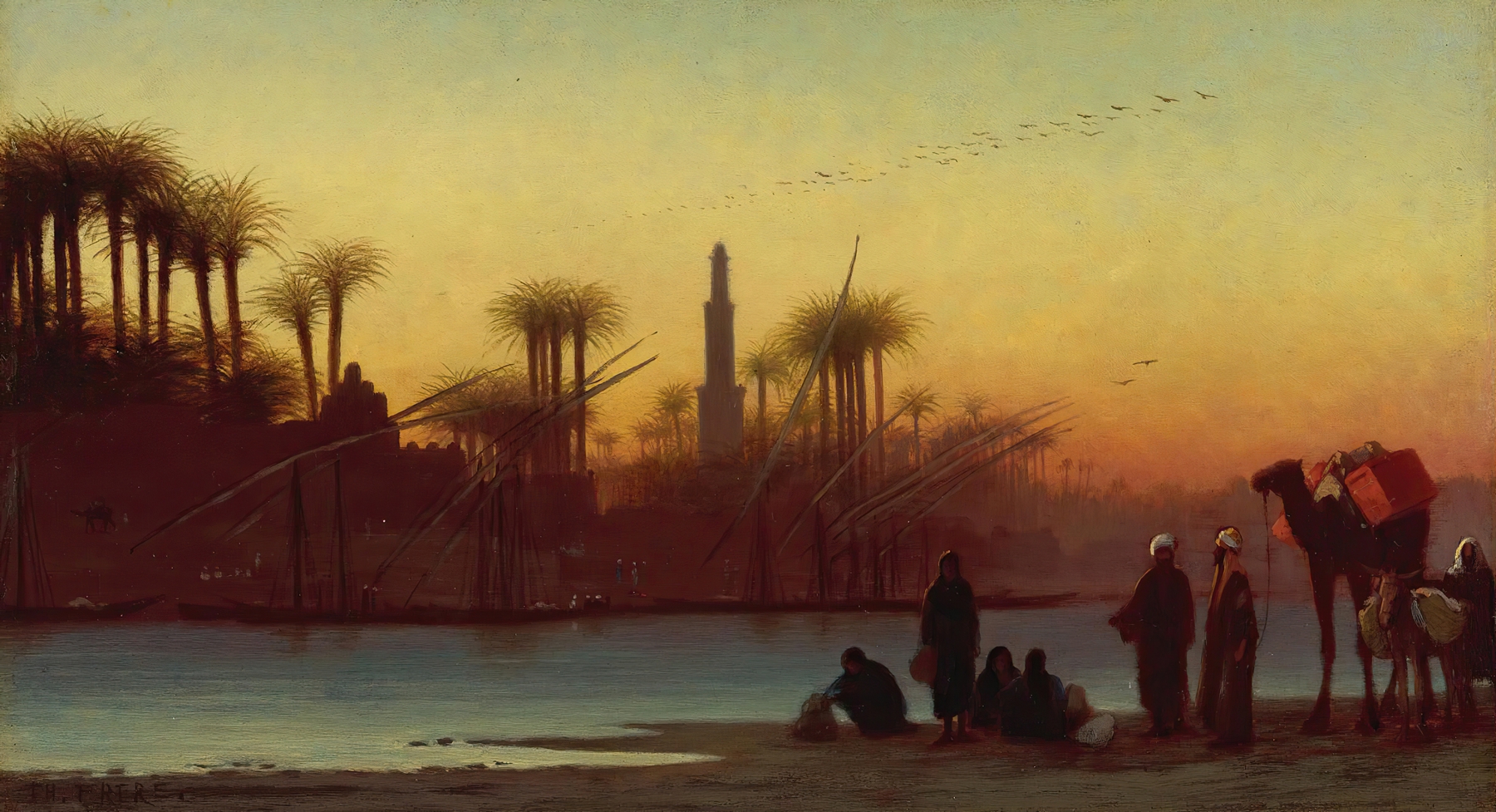
“Every brushstroke is a heartbeat remembered.” In the midst of creation, landscapes breathe life through the artist's touch, capturing the essence of a place that resonates deeply with its viewers. Look to the left at the sweeping panorama that reveals the sacred city of Jerusalem, bathed in the golden glow of the setting sun. The warm hues of the sky blend into deep blues, inviting you to explore the vibrant rooftops and ancient walls. Focus on the intricate details of the domes and spires, where each brushstroke seems to guide your gaze toward the heart of the city, drawing attention to the Dome of the Rock with its luminous terrace.
The composition's depth is amplified by the contrasting shadows cast by the hills, creating a dynamic interplay of light and dark that ignites the scene with emotion. The painting pulsates with a sense of history and spirituality, highlighting the coexistence of tranquility and reverence. As you take in the scene, notice how the foreground’s olive trees appear both timeless and protective, symbolizing peace amidst the weight of the past. The artist's use of color evokes a longing that speaks to the broader human experience, reminding us of our connection to this sacred place.
There's a palpable tension between the beauty of the landscape and the historical struggles that have shaped it, inviting contemplation of Jerusalem's enduring significance. In the late 19th century, Frère painted this piece while based in France, amidst a resurgence of interest in Orientalism and Middle Eastern themes. At this time, Europe was captivated by the allure of the East, leading to frequent artistic explorations of its landscapes and cultures. This painting reflects not only the artist’s own journey in capturing Jerusalem's essence but also the broader cultural shifts that influenced how the world perceived this storied city.