Johannes de Doper in de woestijn — History & Analysis
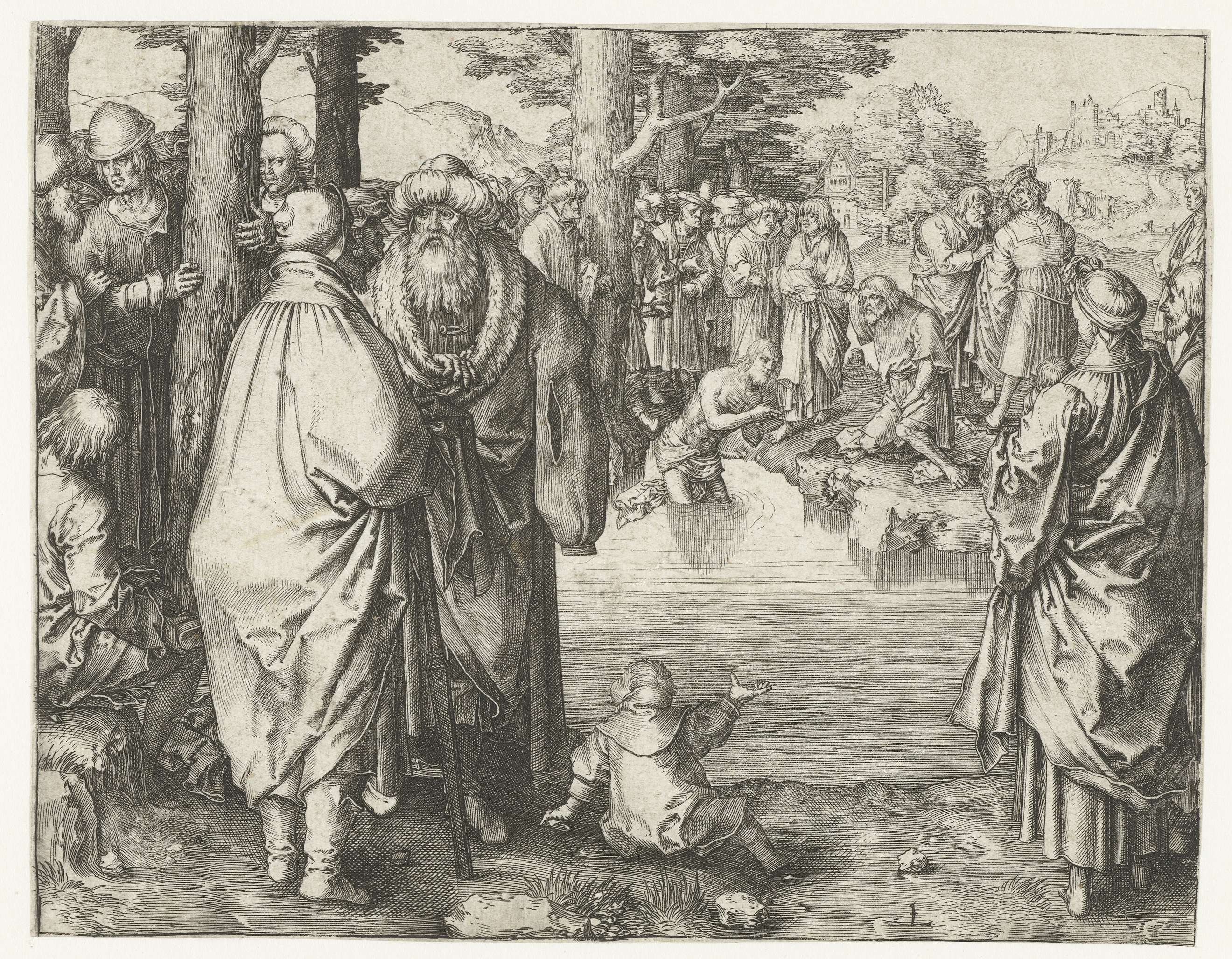
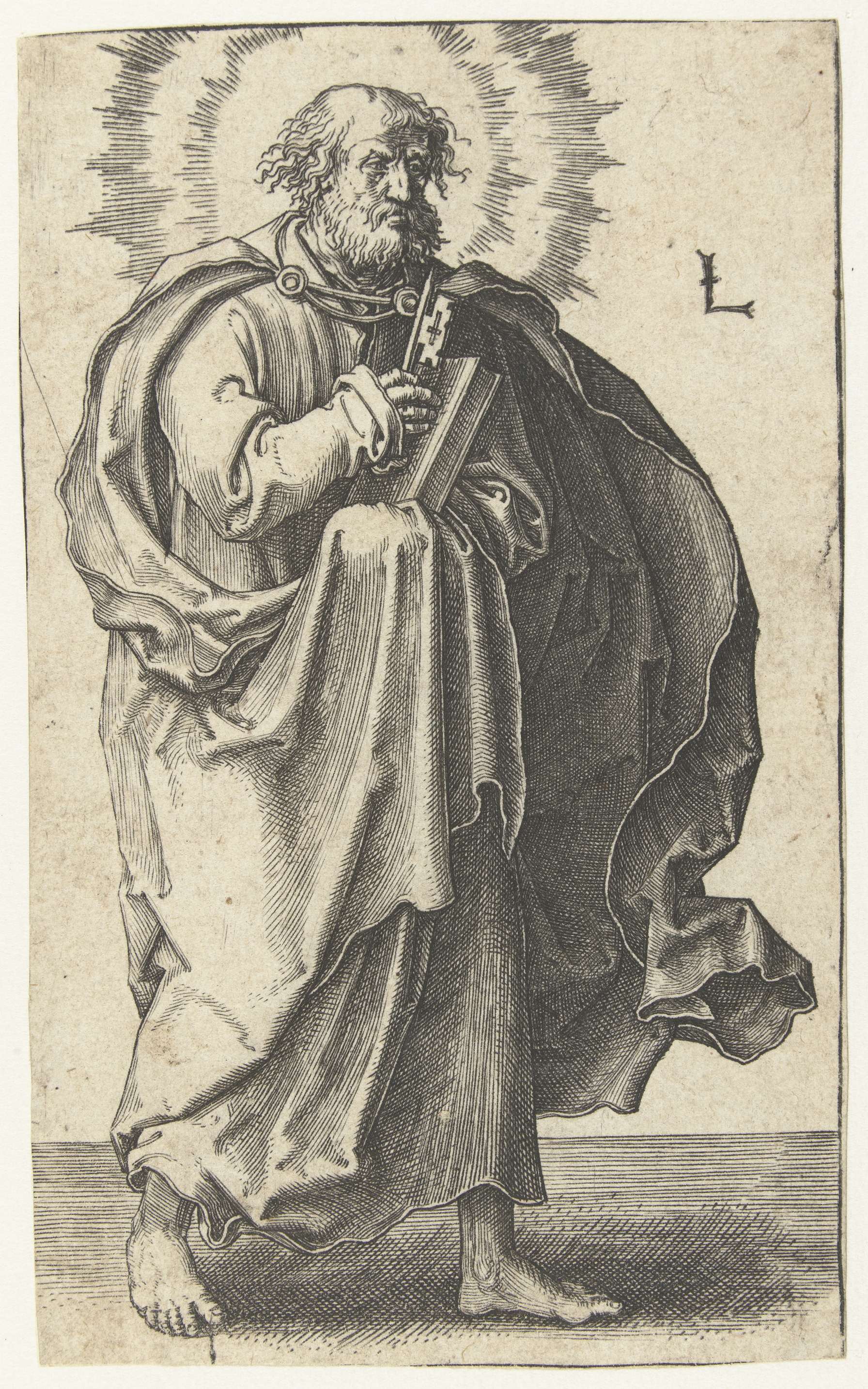
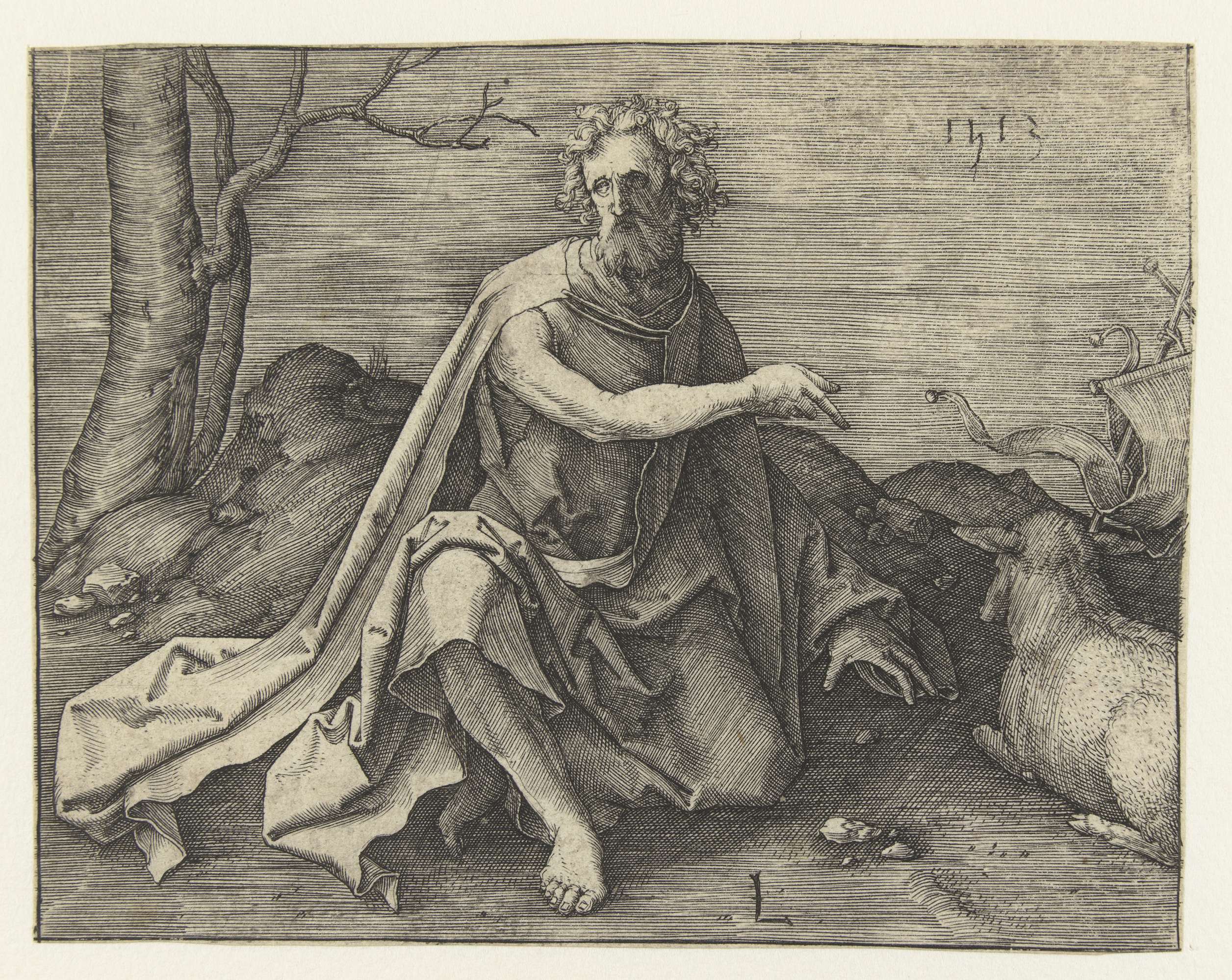
“Between color and silence, truth hides.” In the stillness of a moment, time becomes palpable, a bridge between the past and the future, held within the confines of a canvas. Look to the center of the piece, where the figure of John the Baptist stands resolute in the wilderness. His expression is solemn yet inviting, a testament to the weight of his message. The earthy tones of the background contrast with the vibrant hues of his garment, emphasizing his significance against the desolate landscape.
Notice how the light cascades softly across his face, illuminating the contours of his features while leaving the edges shrouded in shadow, creating a sense of depth and intrigue. As you explore further, consider the interplay between the starkness of the surrounding wilderness and the richness of John's attire. This juxtaposition mirrors the internal struggle between faith and isolation, a reflection of the human condition. The sparse landscape speaks to solitude, while the intricate details of John's clothing suggest a heavenly calling.
Each brushstroke imbues the scene with a sense of urgency and contemplation, drawing the viewer into a silent dialogue about purpose and existence. In 1513, Lucas van Leyden painted this work during a transformative time in the Northern Renaissance, where artists began to explore biblical themes with newfound emotional depth. While creating this piece in Leiden, he engaged with the ideas of humanism and religious reform, navigating the ever-changing currents of art and society. Van Leyden's unique ability to blend narrative and technical precision has left an enduring legacy, making this work a significant part of his oeuvre.