Judit geeft hoofd van Holofernes aan haar dienstmaagd — History & Analysis
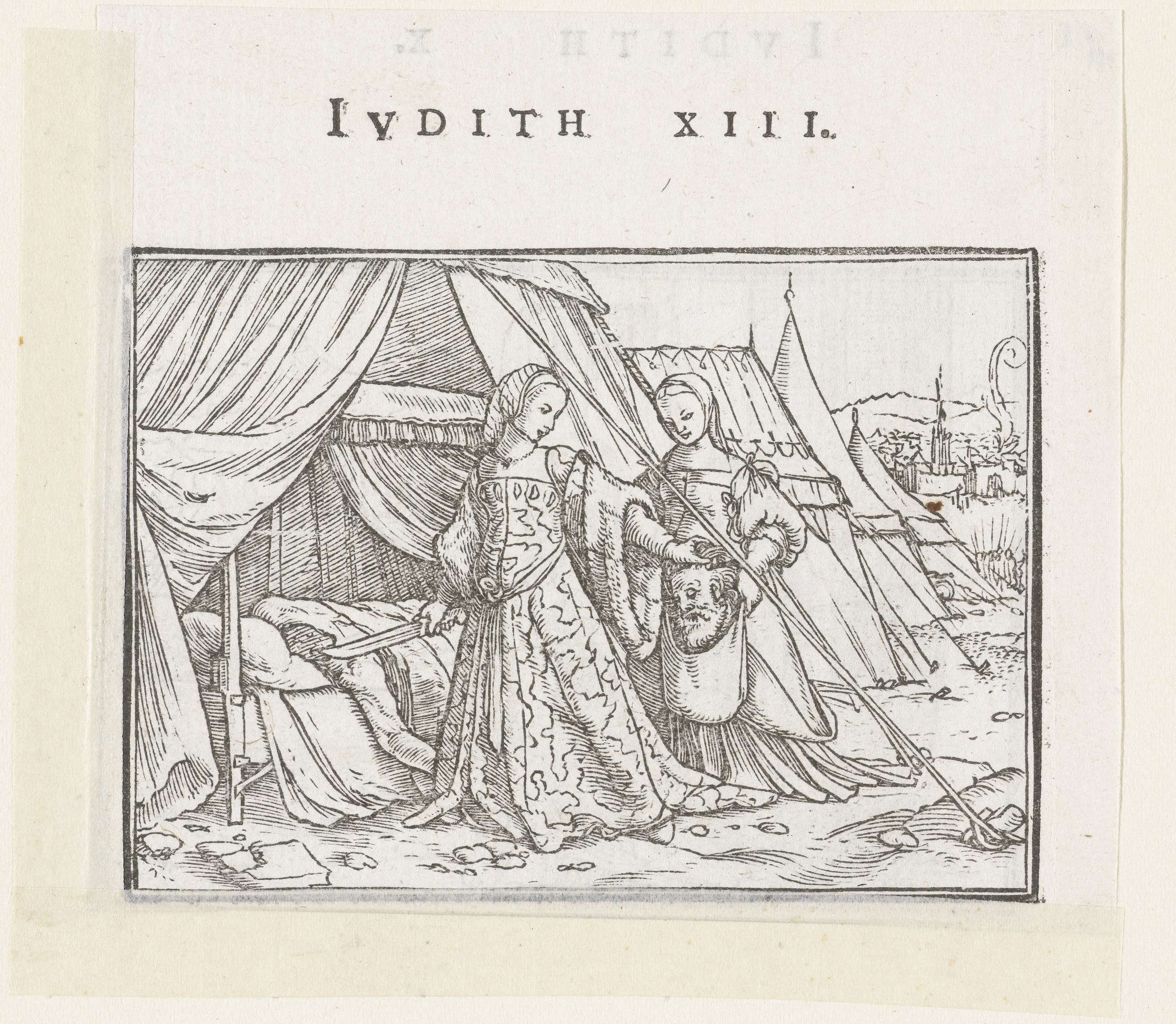
Could beauty survive in a century of chaos? In the hushed stillness of Hans Holbein’s Judit geeft hoofd van Holofernes aan haar dienstmaagd, a striking narrative unfolds, framed by tension that reverberates through time. The silence speaks louder than the violent act itself, inviting viewers to contemplate the complexity of power, sacrifice, and feminine strength, all encapsulated within the confines of the canvas. Look first at the central figures: Judith, with her poised demeanor, stands resolute and commanding, the severed head of Holofernes resting in her hand. The rich, warm tones of her garment contrast sharply with the cool, pallid skin of the head, drawing the eye to the dramatic juxtaposition.
Notice how the light cascades over Judith’s figure, accentuating her expression of both triumph and sorrow, while her attendant, shrouded in shadow, embodies a quiet witness to this pivotal moment. The composition’s stark clarity, framed by dark backgrounds, enhances the emotional weight of the scene. Deeper insights reveal the powerful symbolism woven into the fabric of this work. The act of decapitation not only serves as a literal interpretation of victory over oppression but also mirrors the duality of female agency in a patriarchal world. Judith's gaze, imbued with a mixture of relief and dread, evokes the burdens that accompany such empowerment, while her servant remains a silent participant in this intricate tableau.
The silence shared between them holds a profound tension, inviting viewers to ponder the consequences that arise from such decisive acts. Created in 1538, this artwork reflects Holbein’s time in the court of Henry VIII, a period marked by political intrigue and tumultuous change. As an accomplished artist, Holbein navigated the complex landscape of Renaissance art, where the shift towards humanism and a focus on individual stories began to flourish. During this era, themes of power and morality became increasingly resonant, ultimately shaping the narratives he chose to depict, such as this powerful portrayal of Judith and her infamous act.