The Crowning with Thorns — History & Analysis
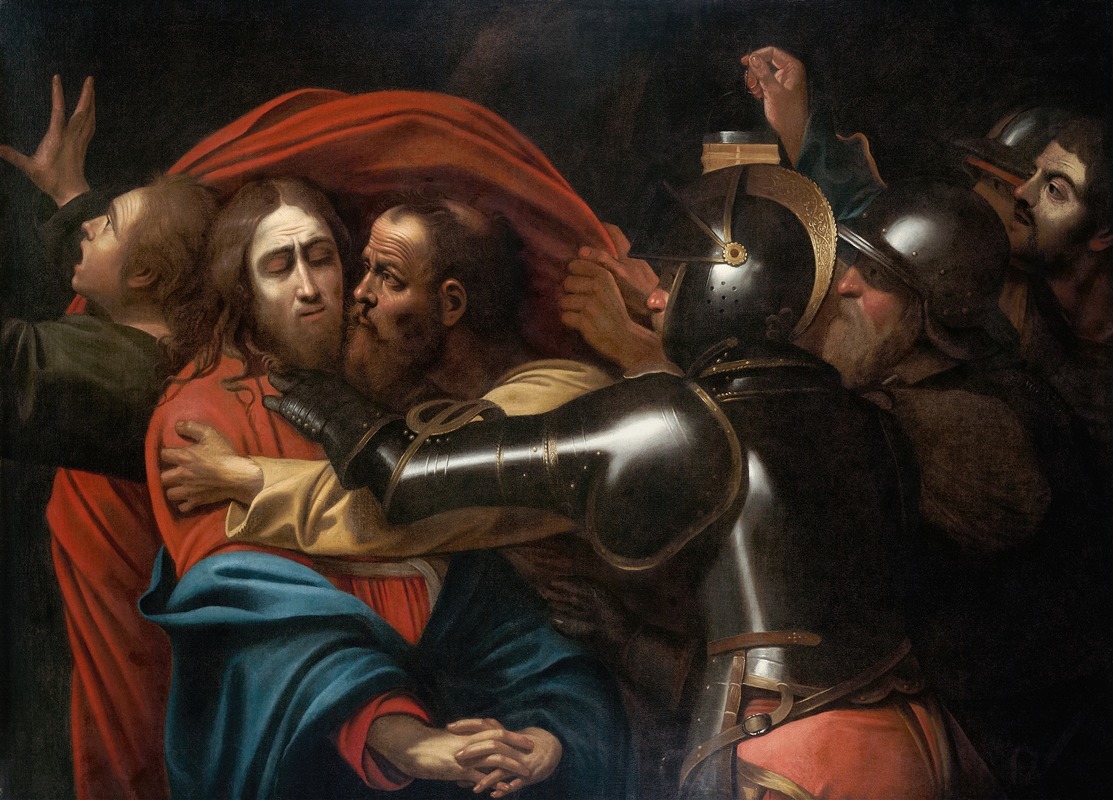
Art reveals the soul when the world turns away. In The Crowning with Thorns, a powerful narrative unfolds, invoking both reverence and horror as it grapples with themes of suffering and sacrifice. Look to the foreground, where the figure of Christ dominates, his expression a haunting mixture of resignation and pain. Notice how the light illuminates his face, casting deep shadows that accentuate the harsh reality of his torment.
The thorns, sharp and unforgiving, are strategically placed at the center of the composition, drawing the eye with their menacing presence. Caravaggio’s mastery of chiaroscuro creates a palpable tension, making the viewer acutely aware of the emotional gravity within this moment. Beneath the surface of this visceral depiction lies a commentary on humanity's indifference to suffering. The brutish figures surrounding Jesus, with their sneers and leers, contrast sharply with his serene dignity, amplifying the emotional weight of the scene.
The muted color palette, punctuated by the red of Christ’s wounds, further invites reflection on themes of sacrifice and the human condition, evoking both compassion and discomfort in equal measure. In the early 17th century, Caravaggio was navigating a tumultuous personal life, grappling with fame and the consequences of his tumultuous behaviors. Painted in Rome in 1602, this work was produced during a period of both artistic innovation and personal crisis for the artist, who was already pushing the boundaries of realism and emotional intensity in his work. Amidst the backdrop of a vibrant art scene that was beginning to embrace the Baroque, this piece stands out, reflecting the complexities of both man and artist.