Jumel Mansion, New York — History & Analysis
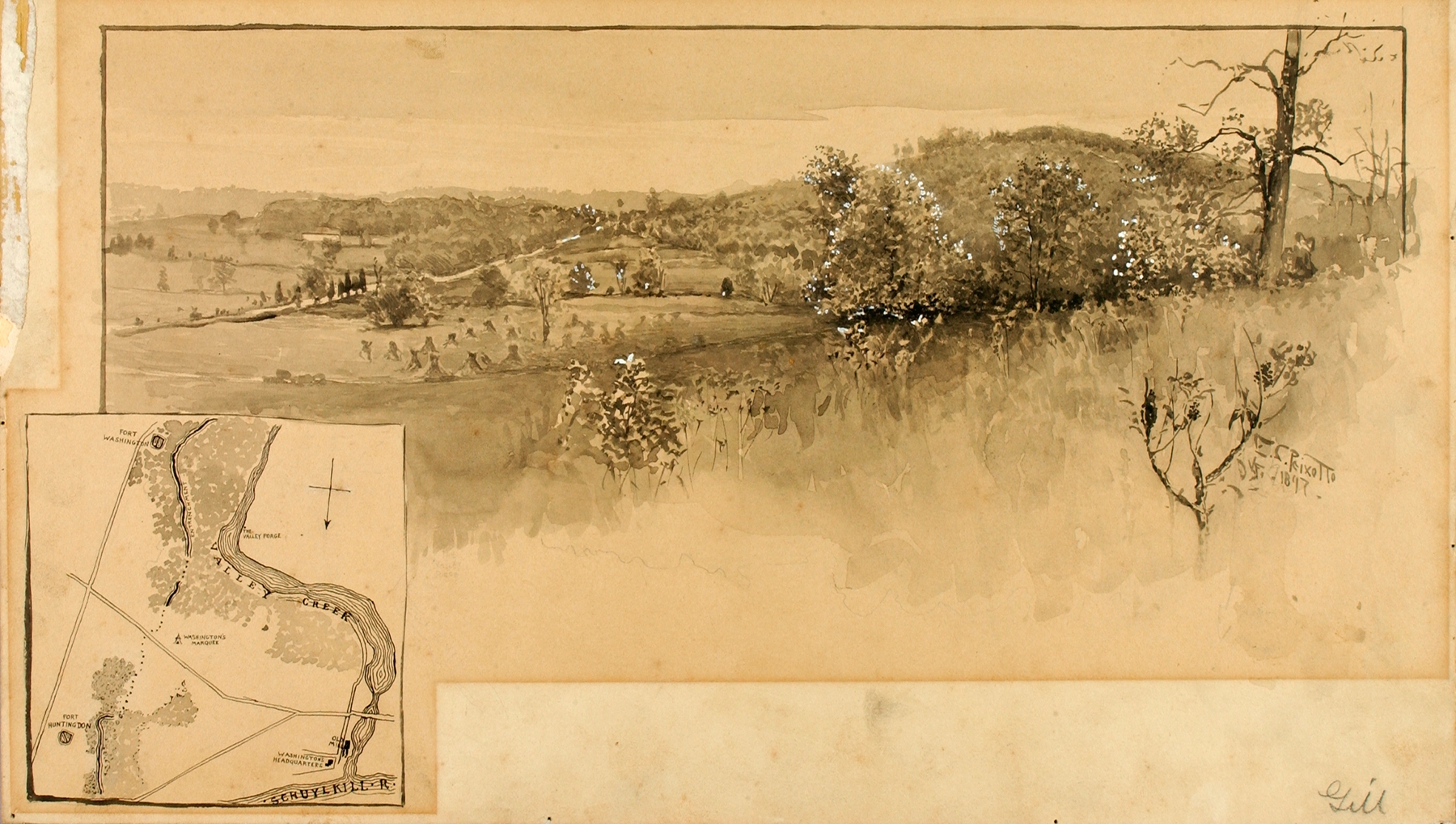
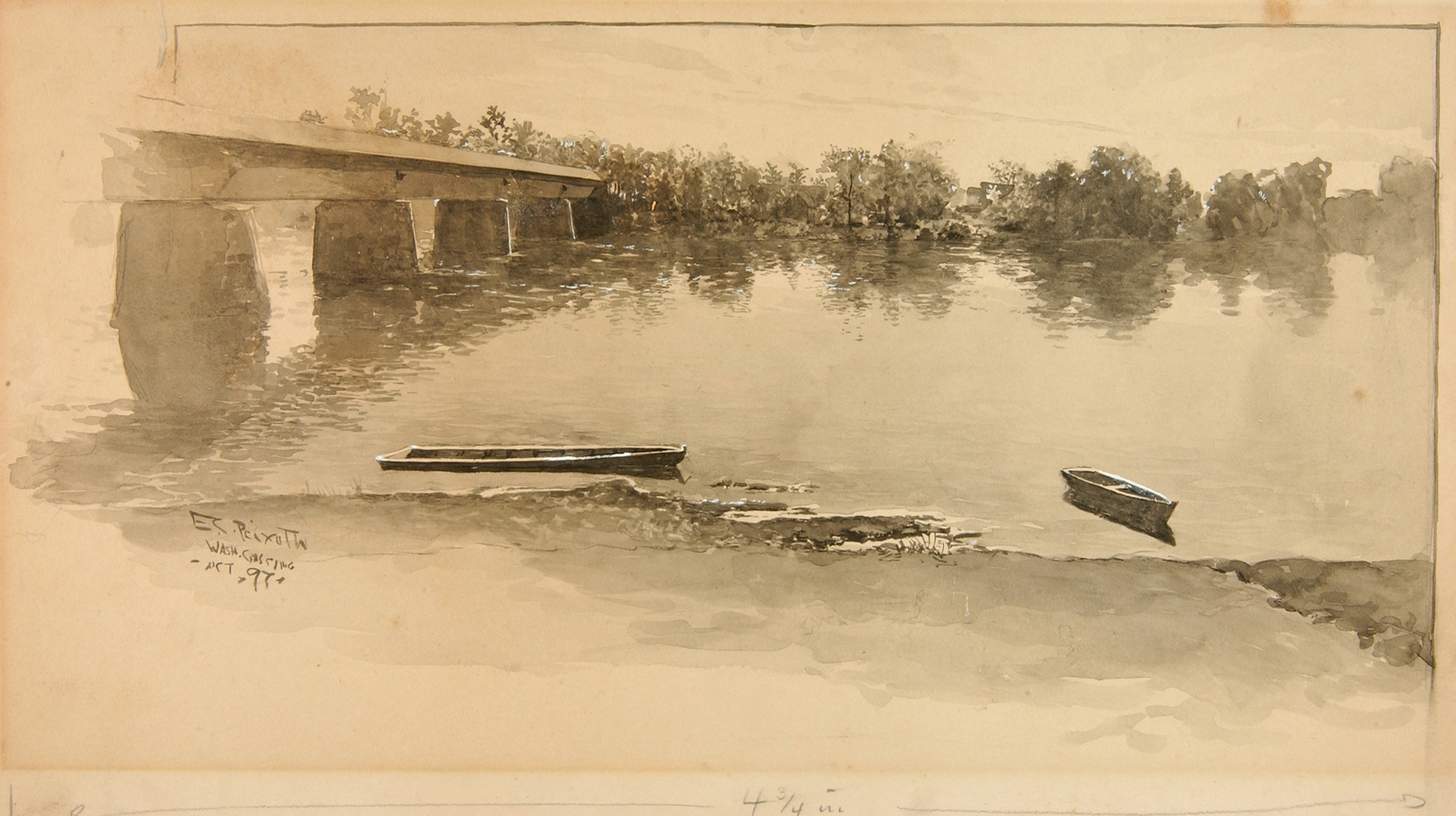
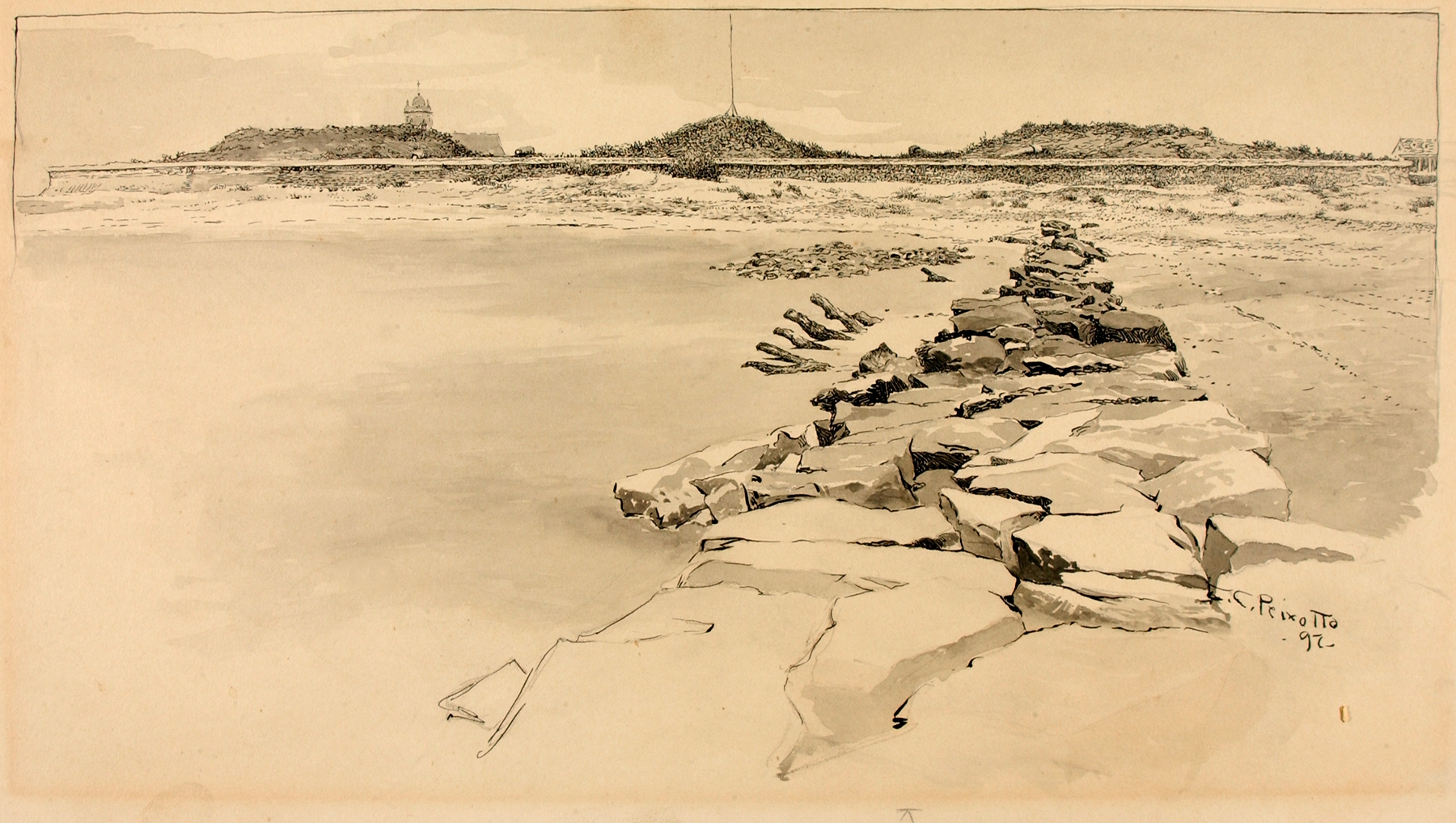
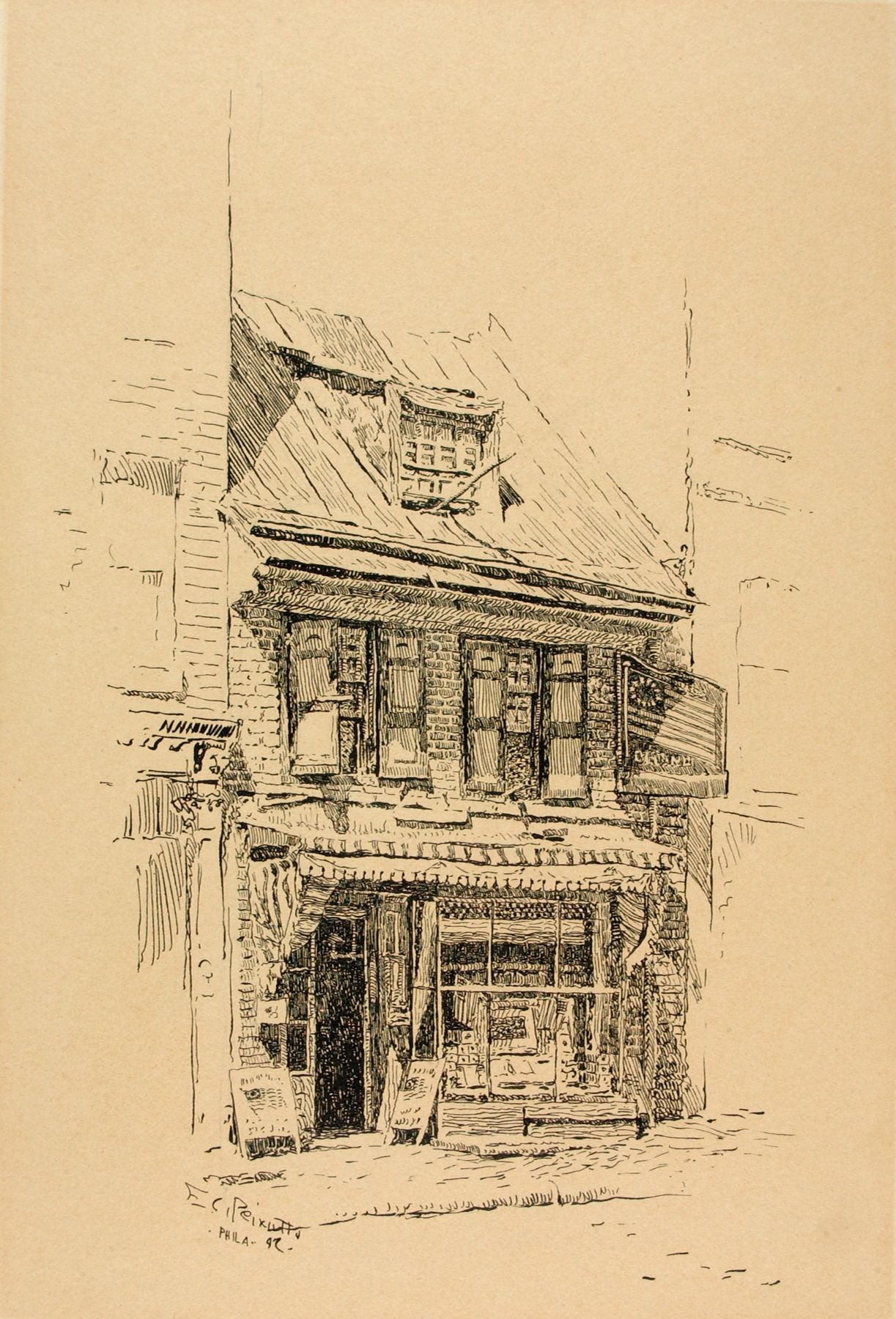
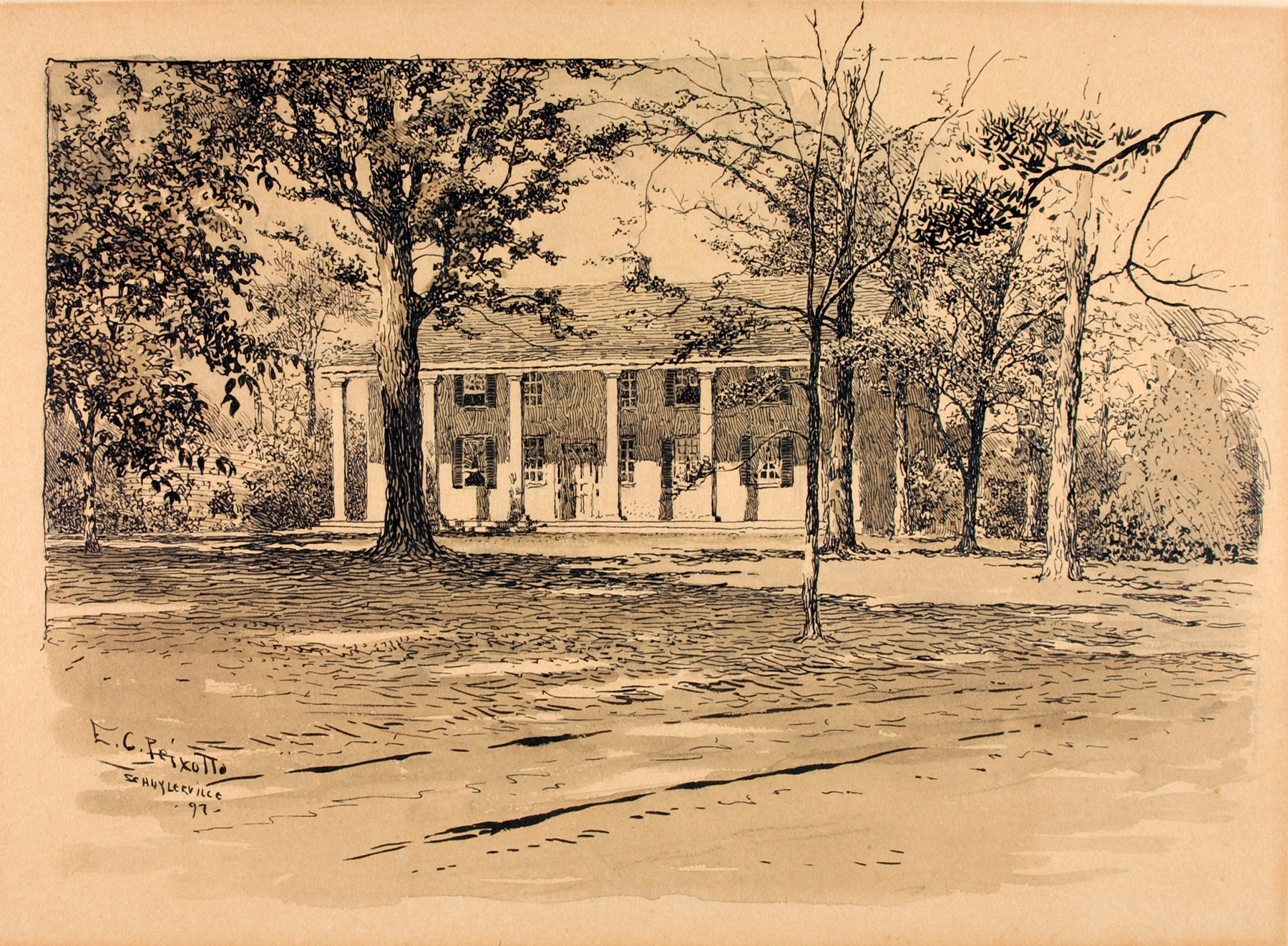
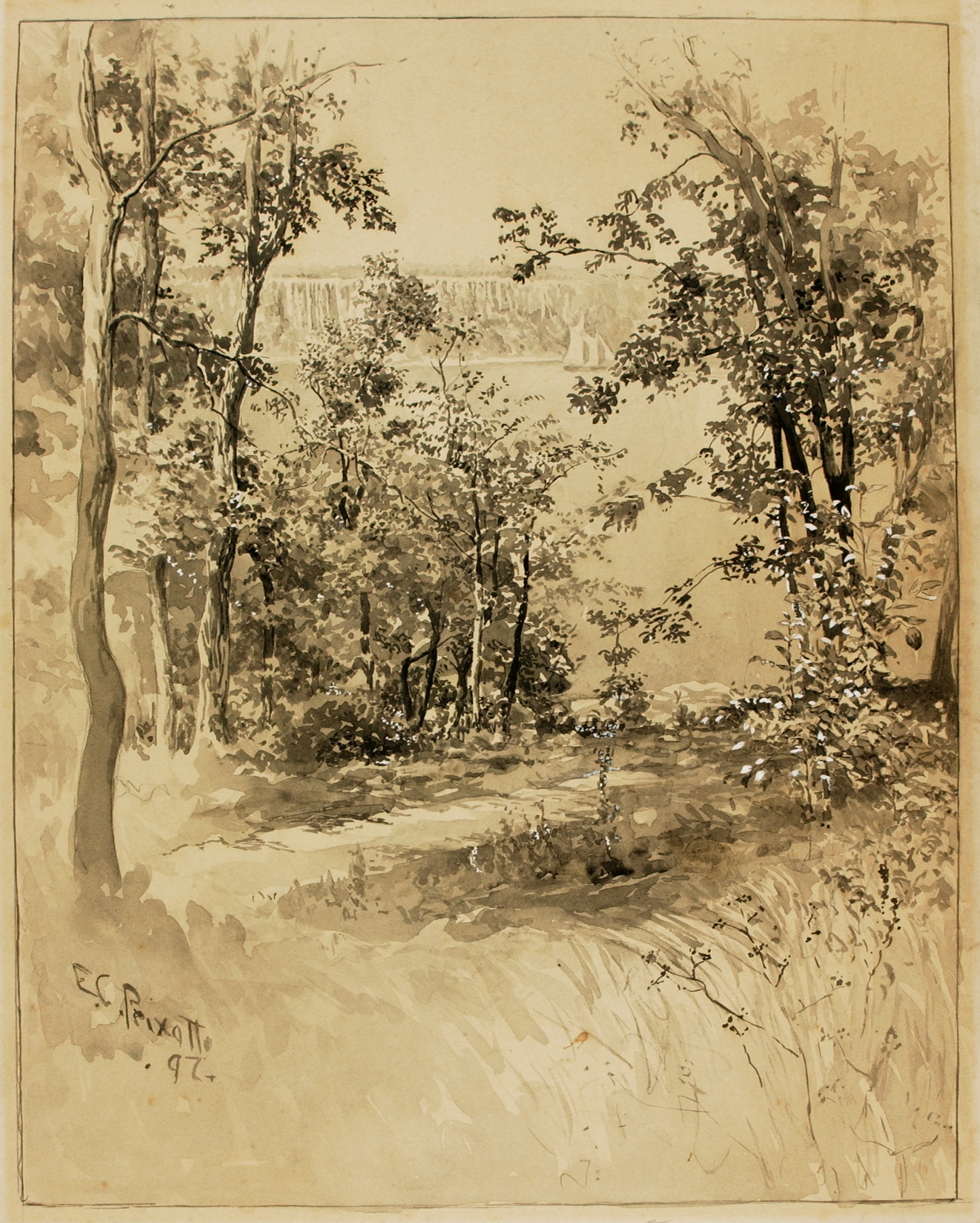
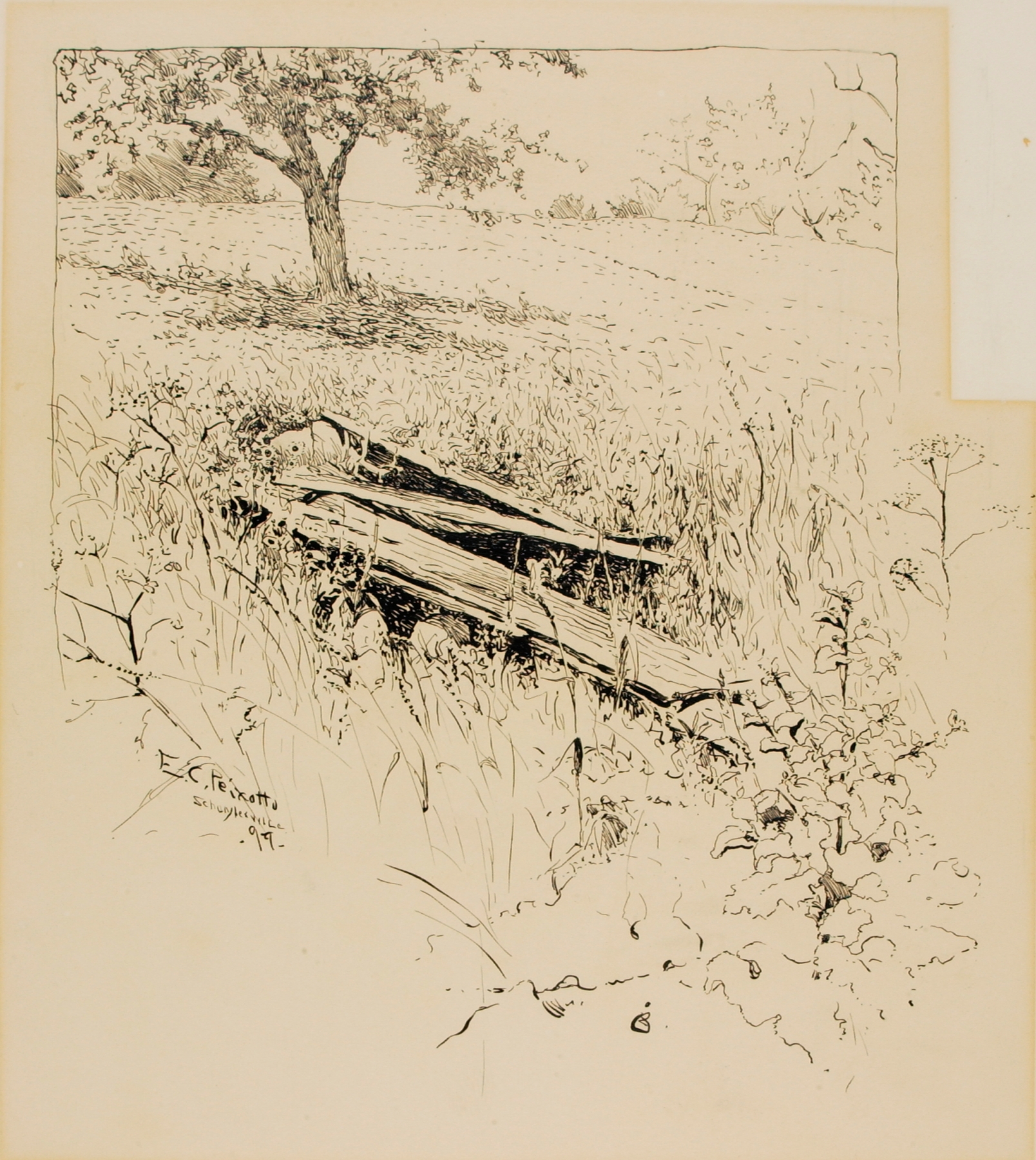
Could a single brushstroke hold eternity? In Jumel Mansion, New York, the past unfurls like the delicate petals of a forgotten flower, inviting us to step into an echo of nostalgia. Look to the left at the stately facade, where the sun bathes the mansion in a warm golden hue. The careful layering of paint reveals intricate details in the architecture—the columns stand tall, the windows frame stories of lives once lived, and the garden whispers of laughter and solemn farewells.
Notice how the color palette shifts subtly, moving from earthy browns to soft greens, evoking a sense of timelessness and tranquility. Beneath its serene exterior, the painting pulsates with deeper narratives. The juxtaposition of the mansion's grandeur against the encroaching shadows of the trees hints at the inevitable passage of time and the fragility of memory. This interplay invites contemplation on the lives that unfolded within those walls, where moments of joy and sorrow intertwine, creating a rich tapestry of human experience.
Each brushstroke vibrates with the weight of history, allowing viewers to reflect on their own connections to the past. In 1898, Peixotto painted this piece while living in New York, a city bustling with cultural energy and artistic innovation. The late 19th century marked a period of transition, as artists began to explore new approaches and embrace American themes. Peixotto, influenced by the local architecture and a desire to reflect the essence of his surroundings, found inspiration in the storied Jumel Mansion, intertwining his artistic vision with the historical fabric of the city.