Kallmünz – Gabriele Münter painting I — History & Analysis
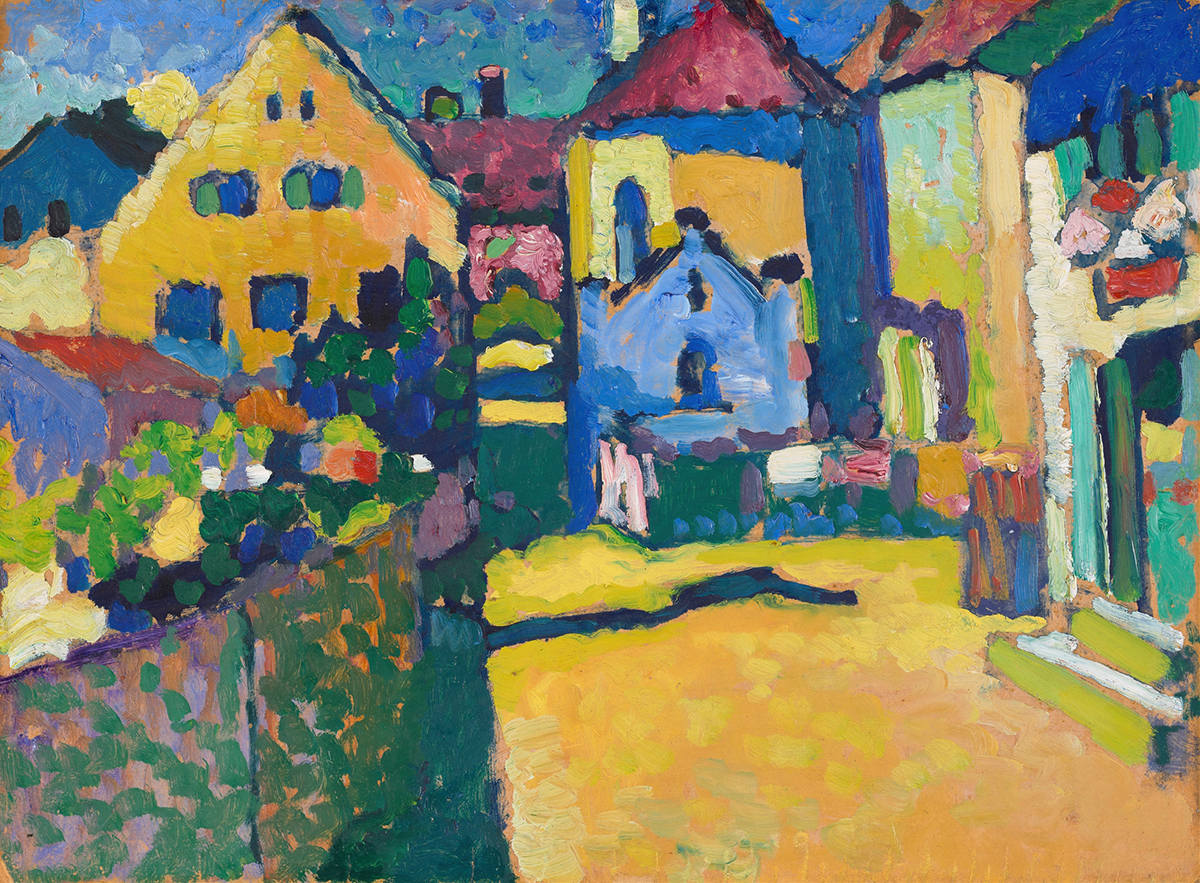
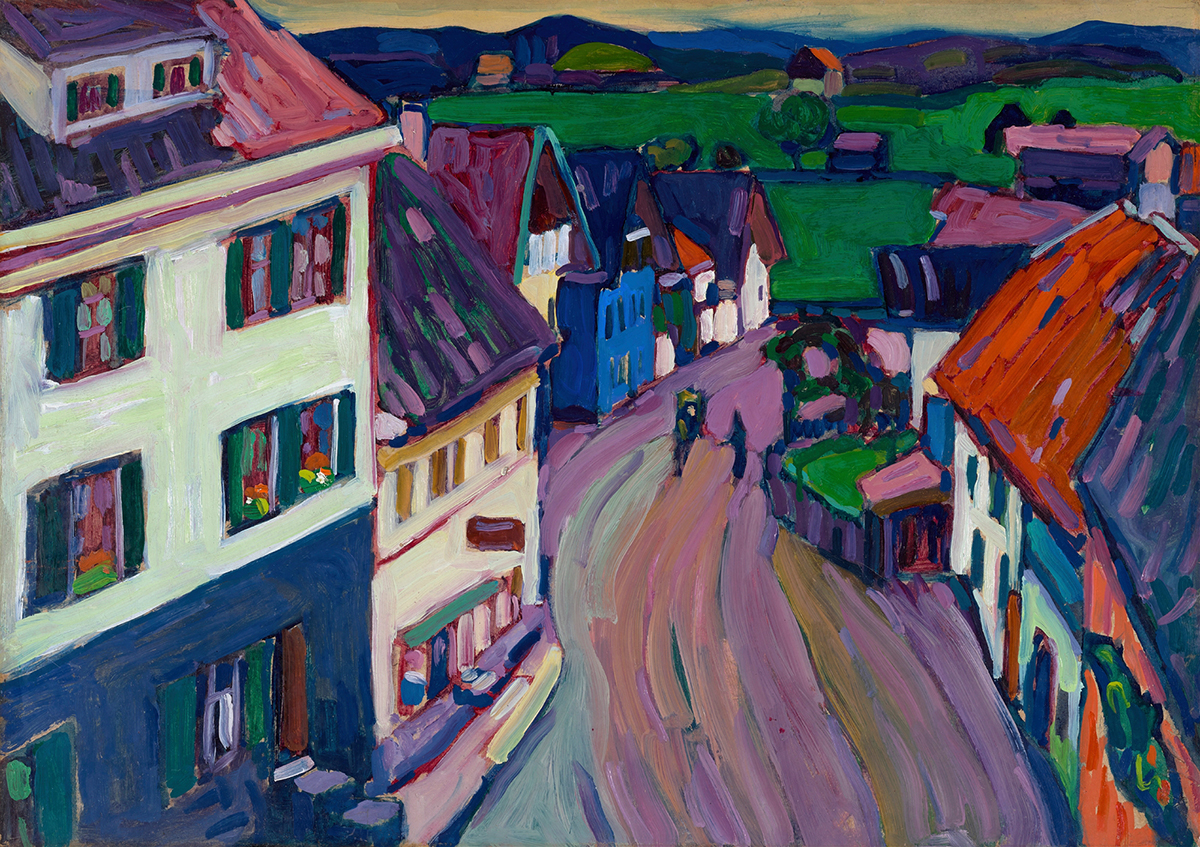
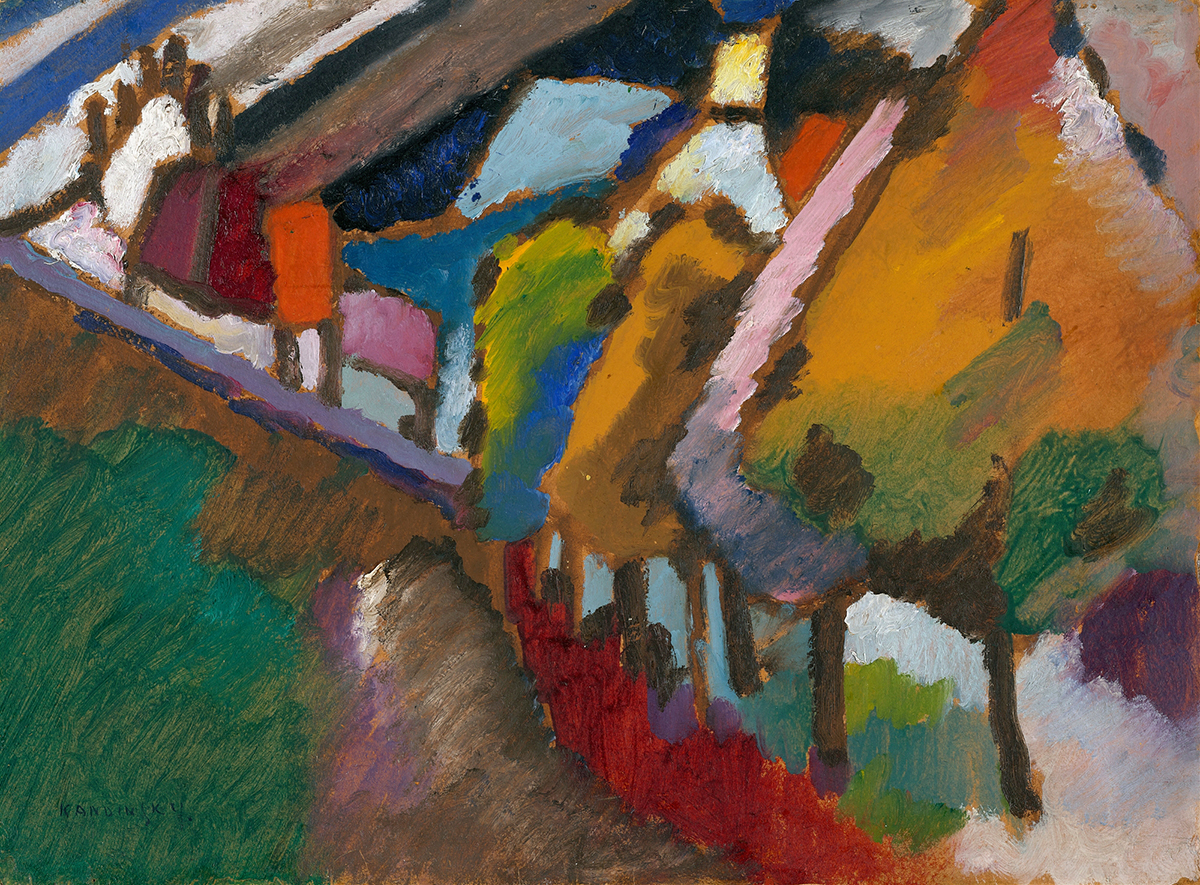
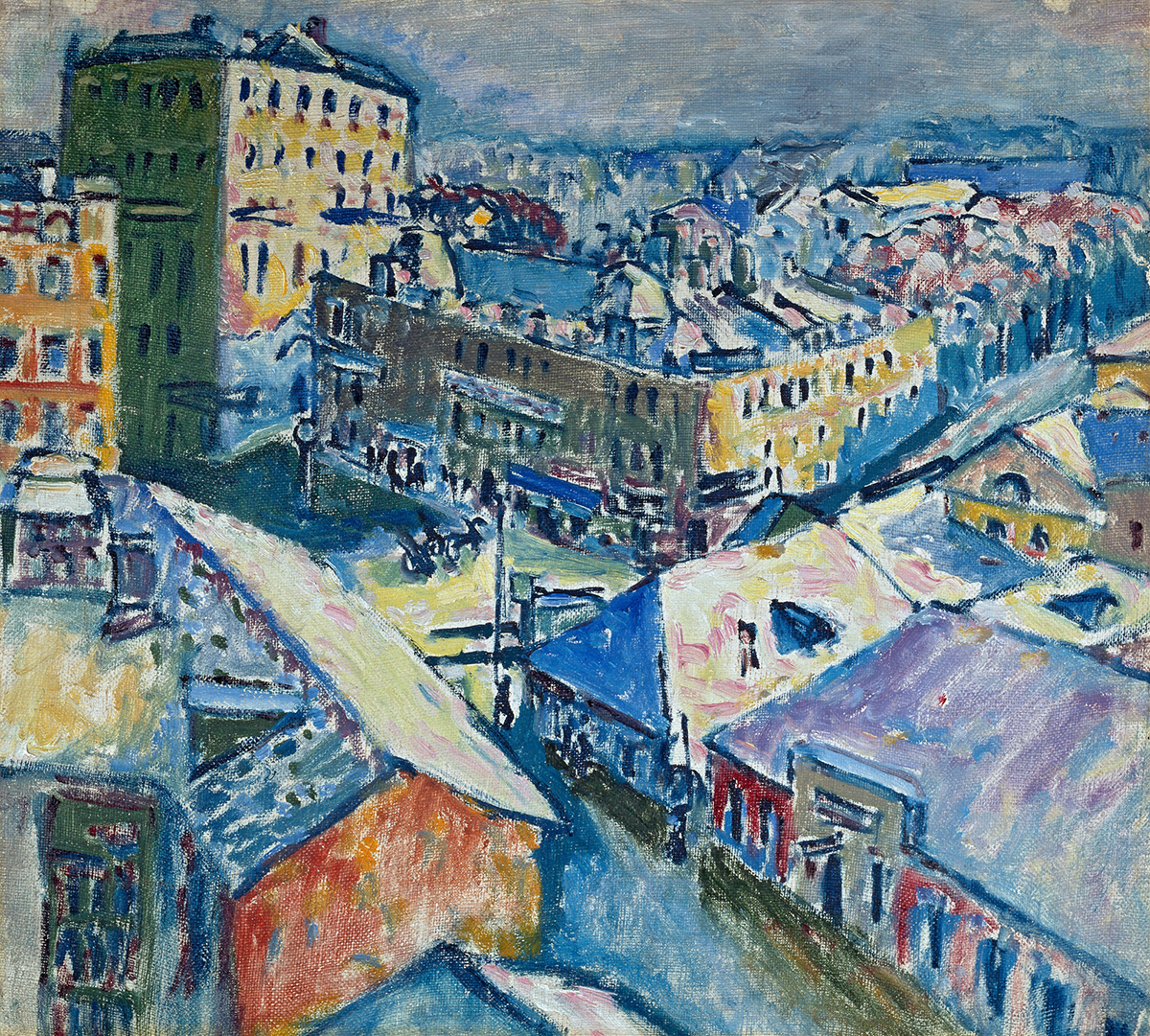
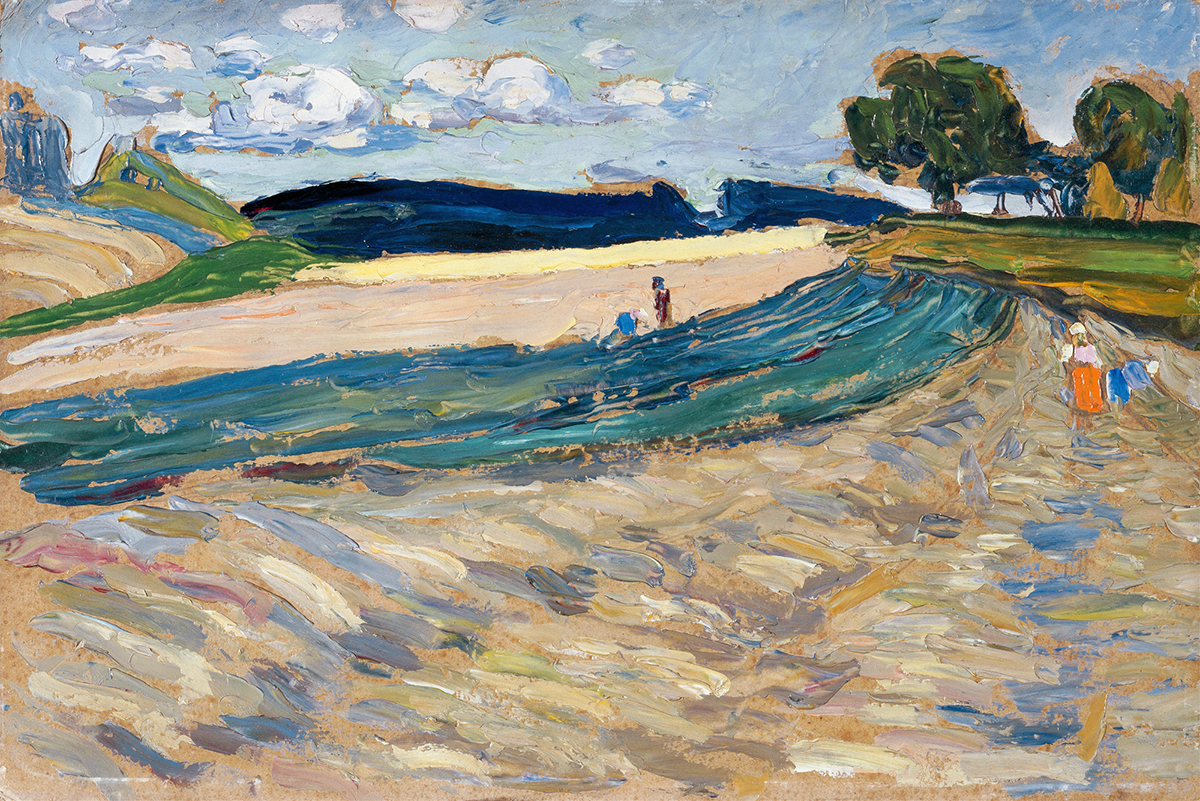
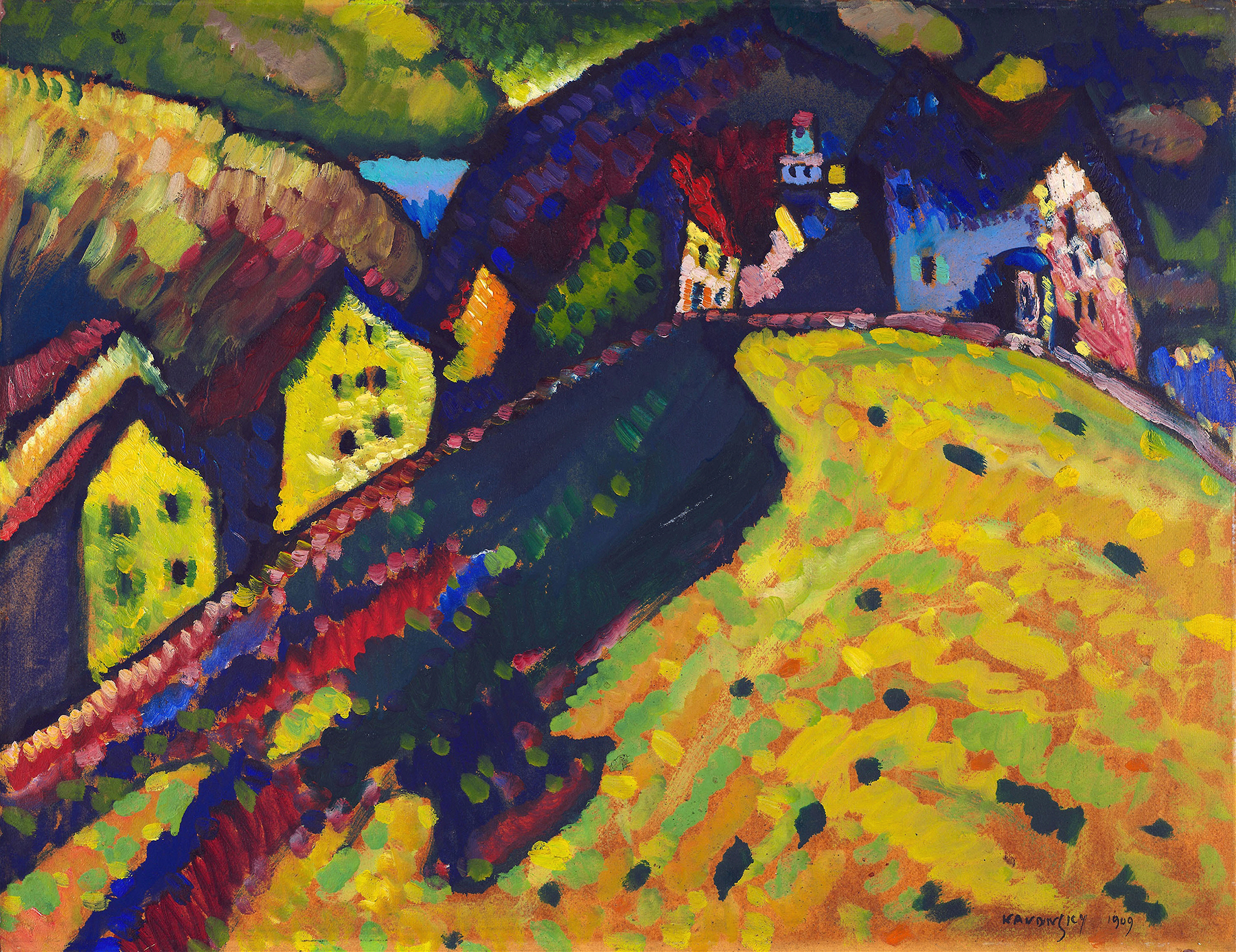
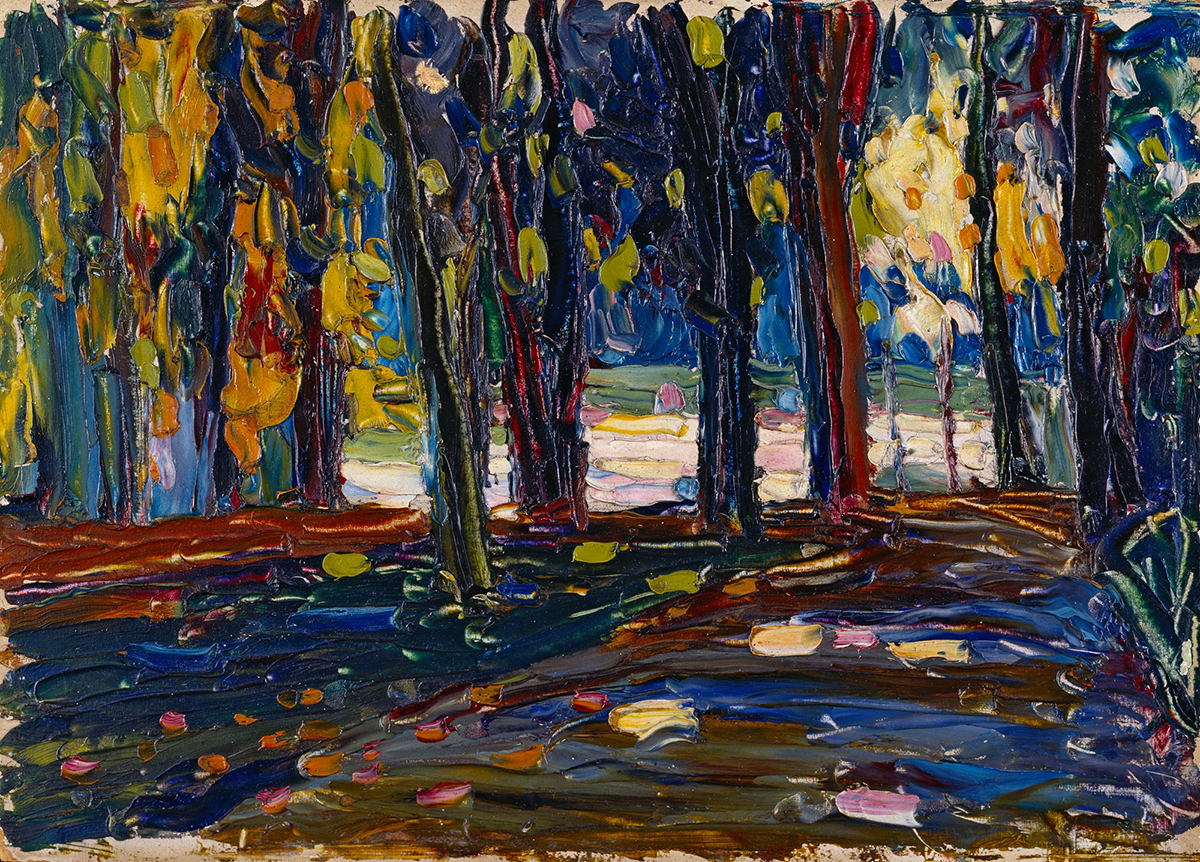
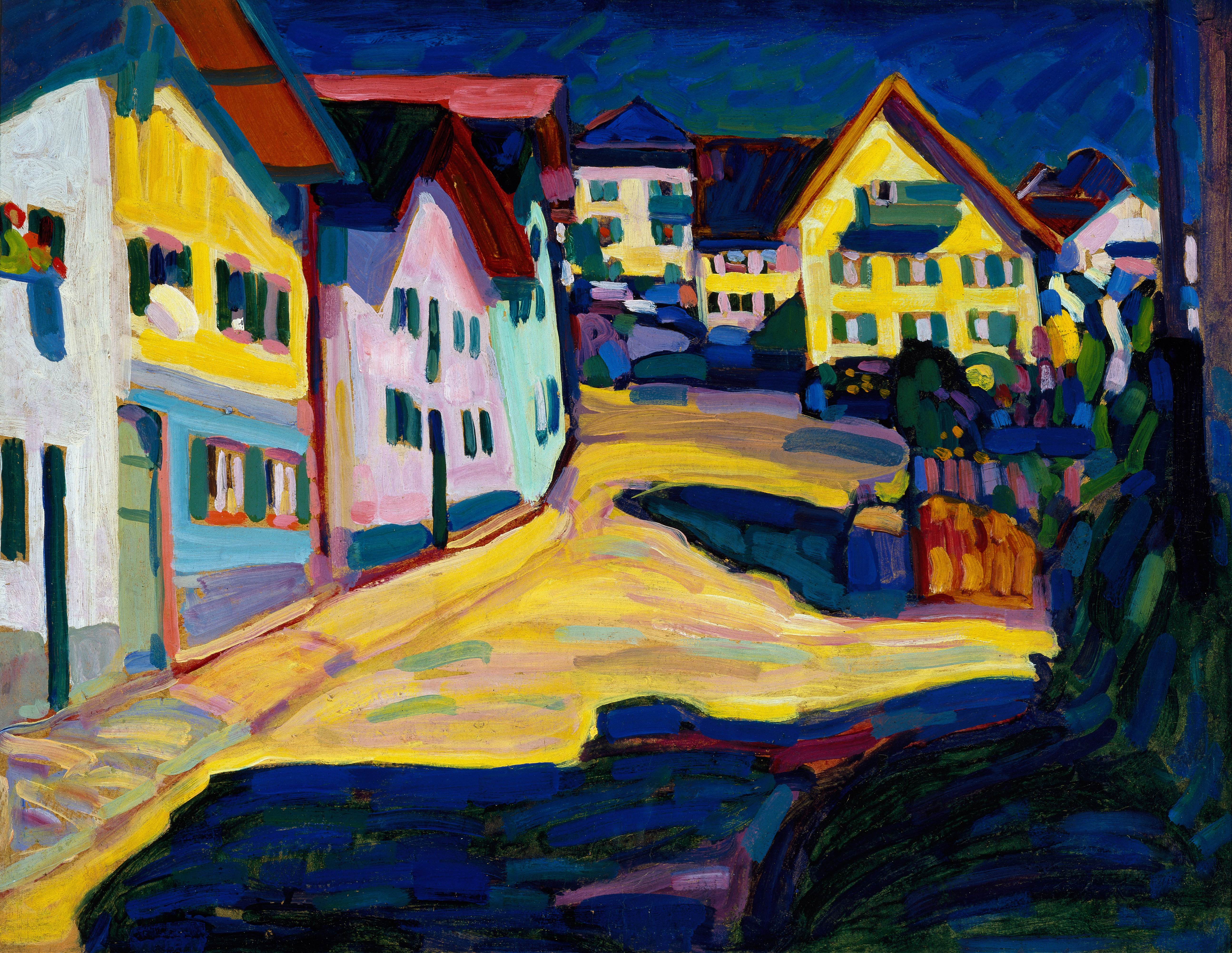
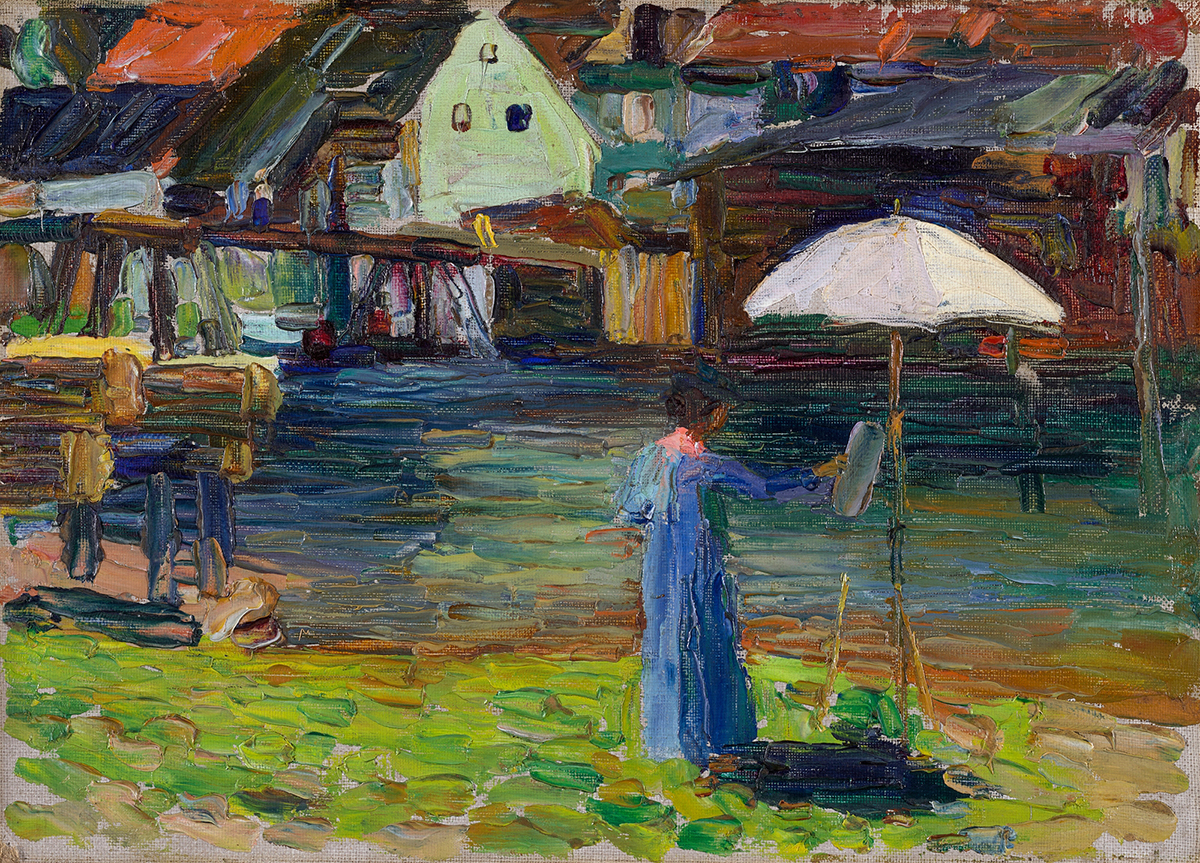
Who listens when art speaks of silence? In the delicate pulse of Kallmünz, a haunting stillness evokes a world caught between turmoil and tranquility. Look to the canvas where deep, resonant blues collide with vibrant streaks of ochre and green, drawing your eye inward. The composition is a meditative blend of geometric shapes and organic forms, where lines converge and diverge like whispered secrets.
Note the sharp contrasts in color, each hue carefully chosen to elicit a spectrum of emotions — from the vibrancy of life to an undercurrent of unease. Hidden within the layers of color are echoes of violence, the tension between the tranquil village of Kallmünz and the chaotic emotional landscape of the artist’s inner world. The jagged edges of the brush strokes suggest discord, while the serene hills loom like silent witnesses to unseen strife. This juxtaposition invites contemplation, asking viewers not just to see, but to feel the complexities of existence and the shadows that often lie beneath the surface.
Wassily Kandinsky painted Kallmünz in 1903 during a formative period in his career, still influenced by the backdrop of post-impressionism. Living in Munich, he was immersed in a vibrant art scene, exploring color theory and abstraction that would soon define his legacy. The painting reflects Kandinsky's early experiments in transcending traditional representation, signaling the transformative journey he was to embark upon in the realm of modern art.