Kaïn doodt Abel — History & Analysis
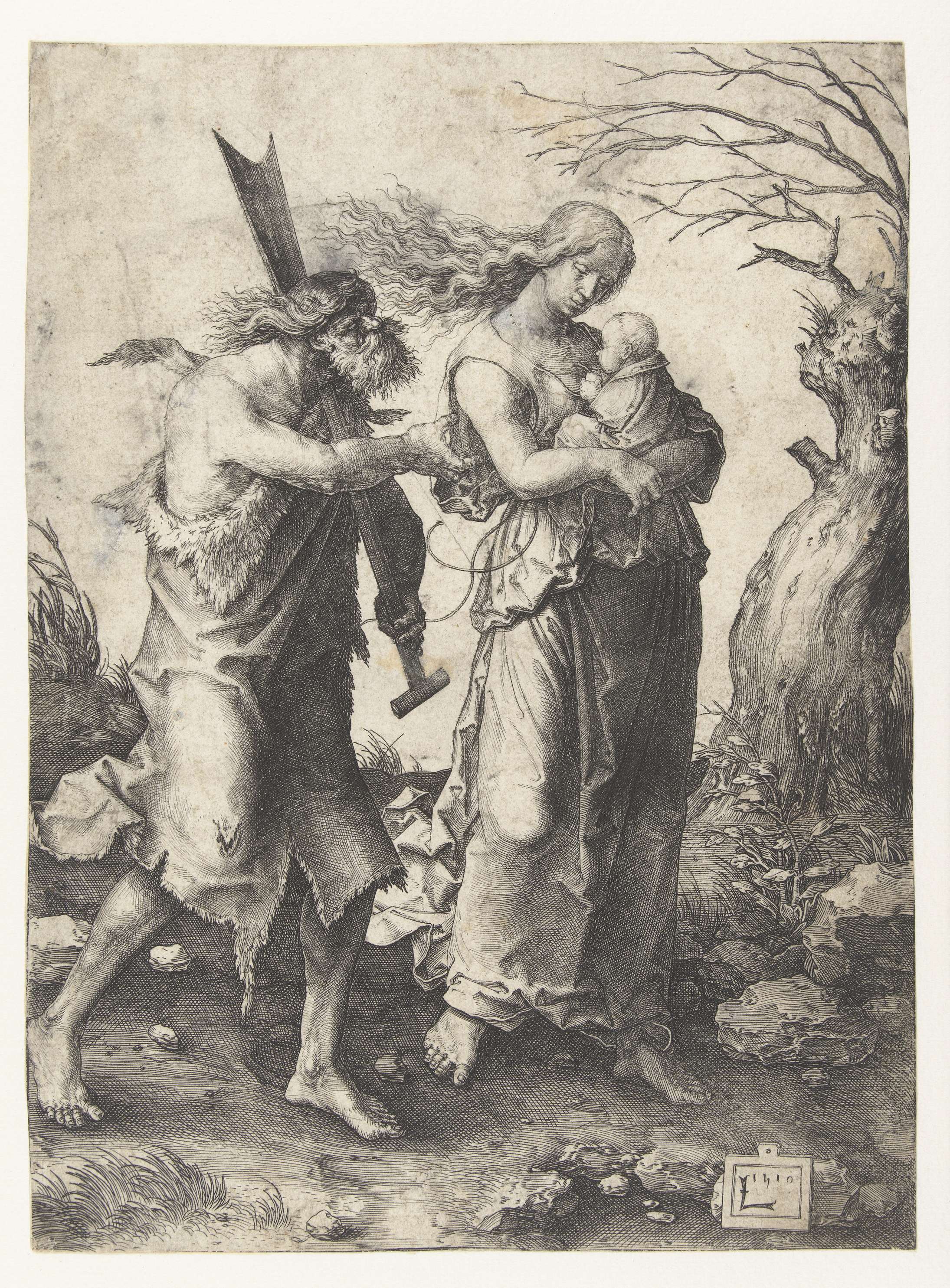
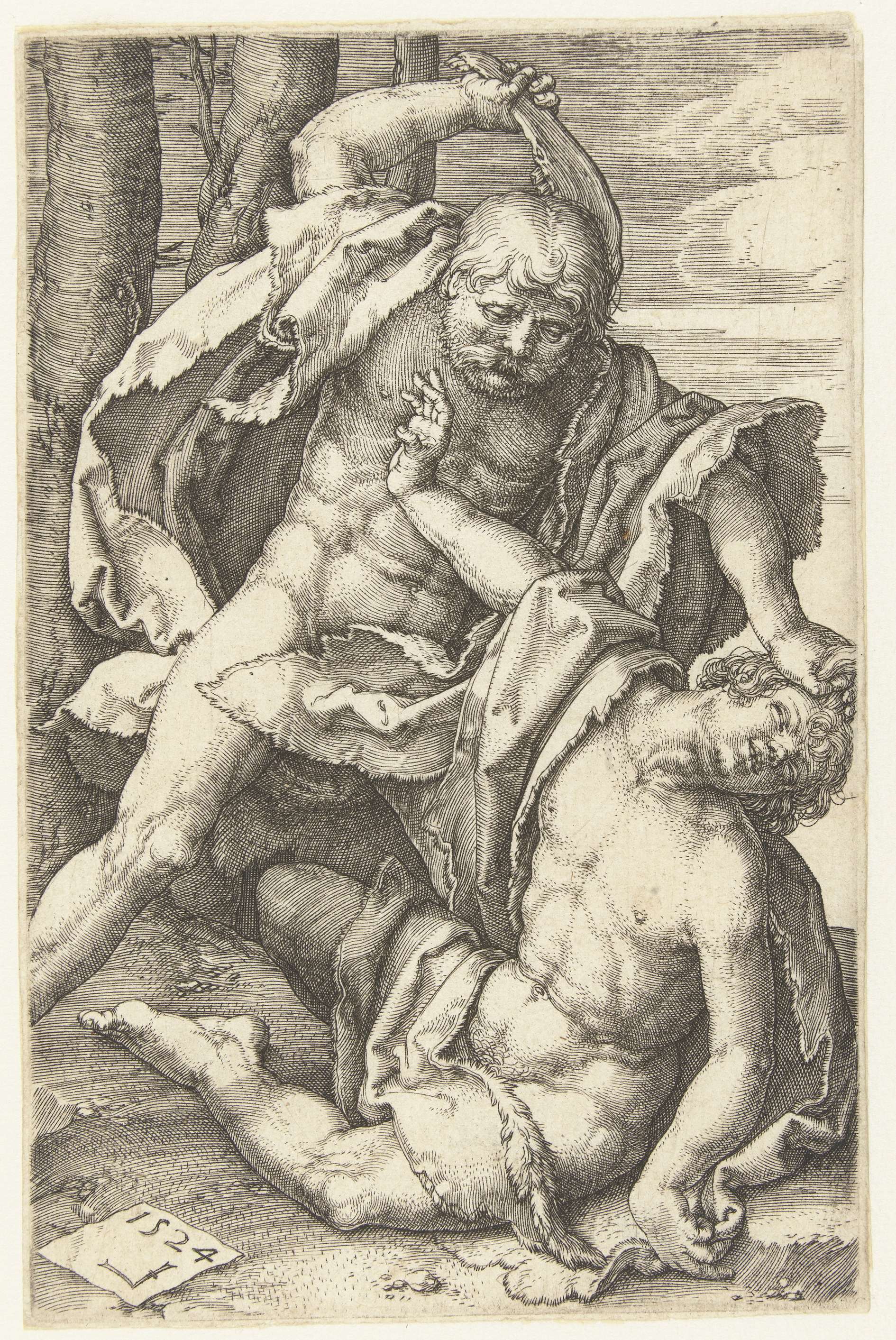
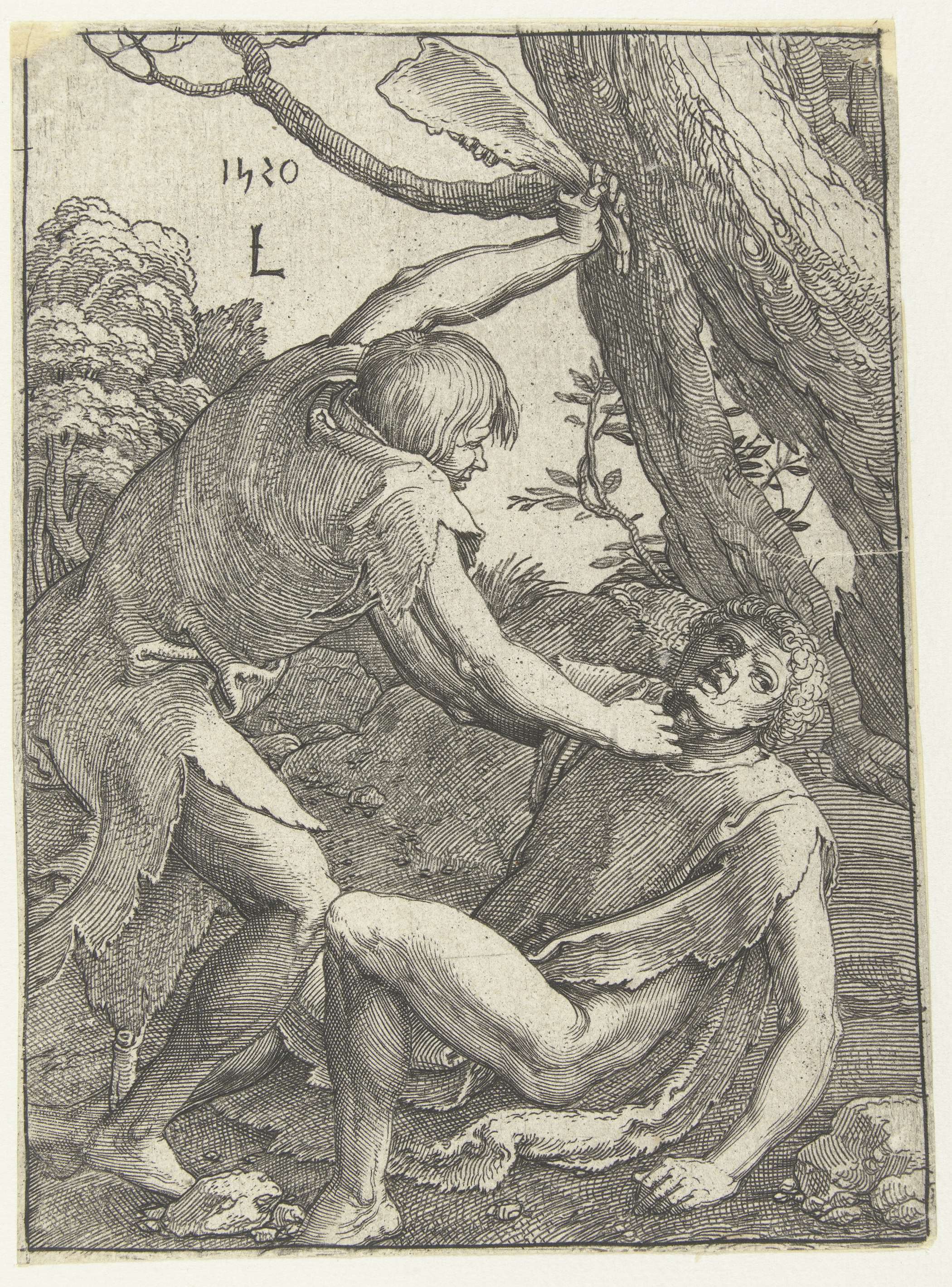
When did color learn to lie? The vibrant hues that surround us often disguise the violence lurking beneath their surface, a contradiction vividly captured in this poignant piece. Focus on the central figures: notice how the expressive brushwork defines the muscular tension between the two brothers. To the right, the lifeless body of Abel sprawls in stark contrast to the vivid reds and greens enveloping the scene, drawing the eye to the visceral nature of the act.
The play of light accentuates the sheen of blood on the ground, while shadows loom over Cain, hinting at the turmoil brewing within him. The artist's meticulous attention to detail in the expressions and gestures heightens the emotional stakes, pulling the viewer into the heart of this biblical tragedy. Delve deeper into the symbolism at play: the muted, dark tones surrounding Cain depict his moral decline, a visual representation of guilt and rage manifesting in his distorting features. Abel’s serene appearance, in contrast, embodies innocence snuffed out by jealousy, a stark reminder of the fragility of life.
The juxtaposition of color and form serves as a commentary on the human condition, emphasizing how passion can lead to destruction—even among kin. Lucas van Leyden created this work in 1520 amidst the Renaissance's artistic revolution, a time when religious themes dominated the canvas. Living in Leiden, he sought to depict complex narratives that resonate with contemporary audiences. Influenced by the burgeoning humanist ideals, he examined not only the biblical tale but also the moral implications of violence, a theme that continues to be relevant in today's discussions of humanity's darker impulses.