Kanselier en de Dood — History & Analysis
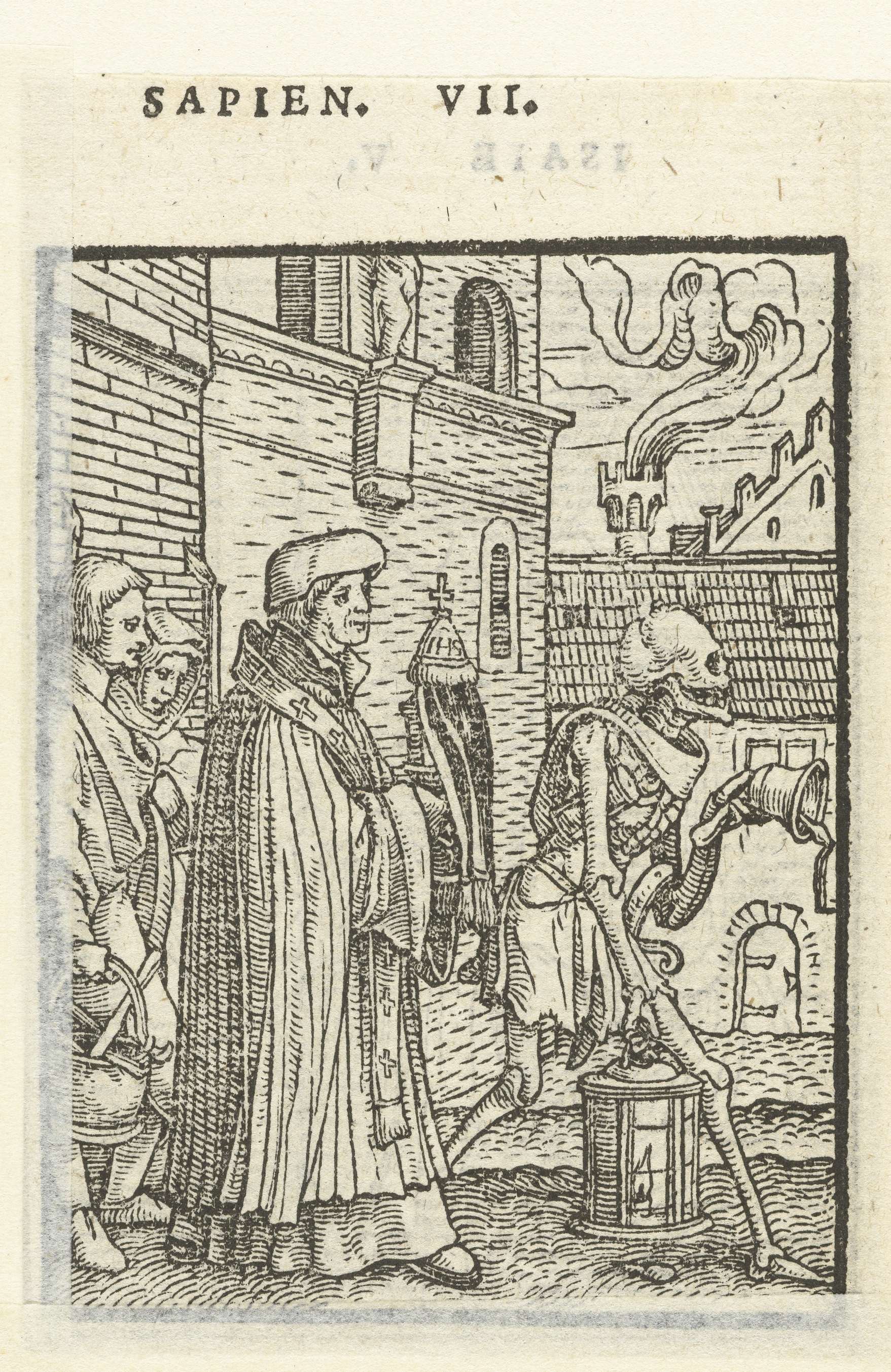
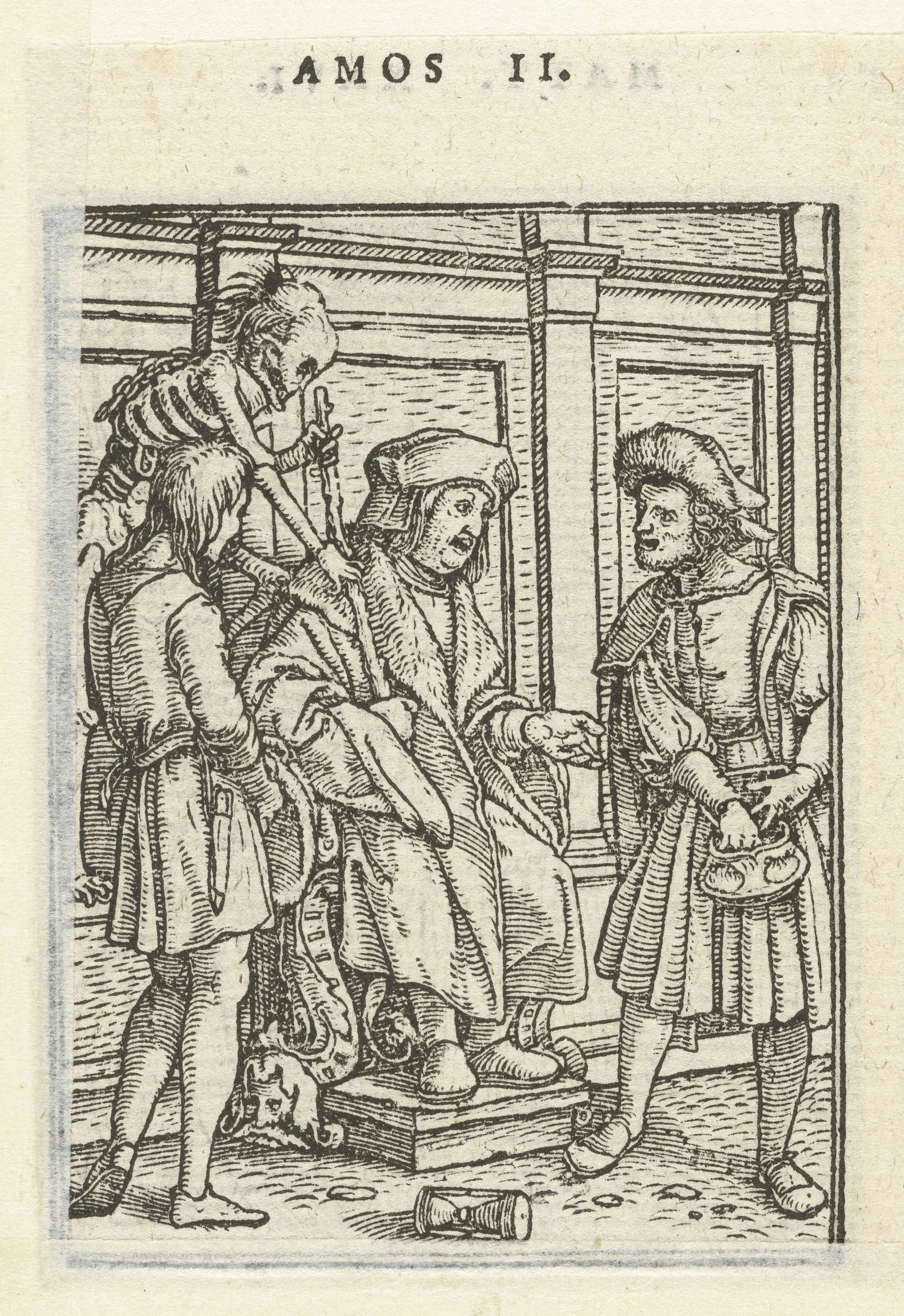
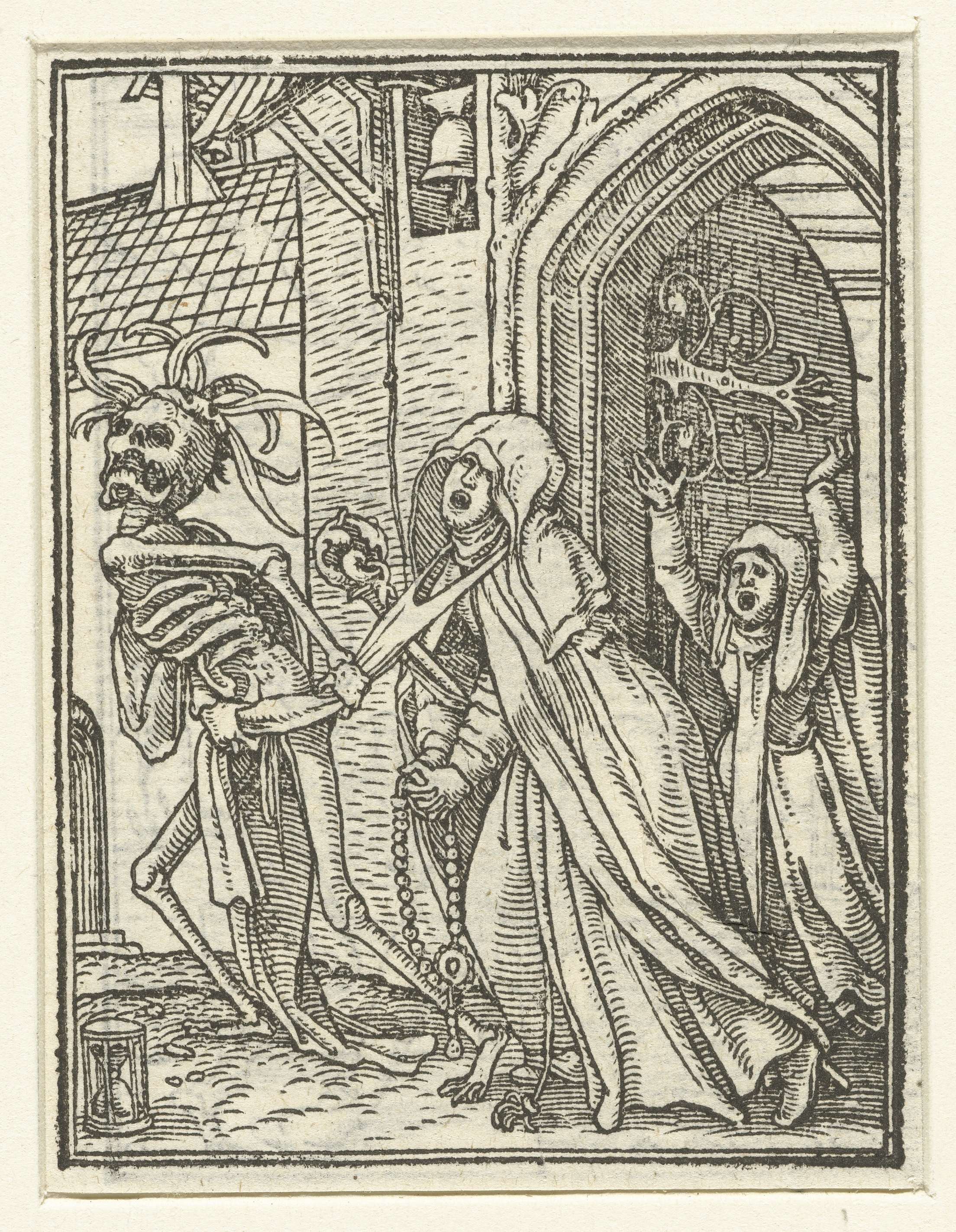
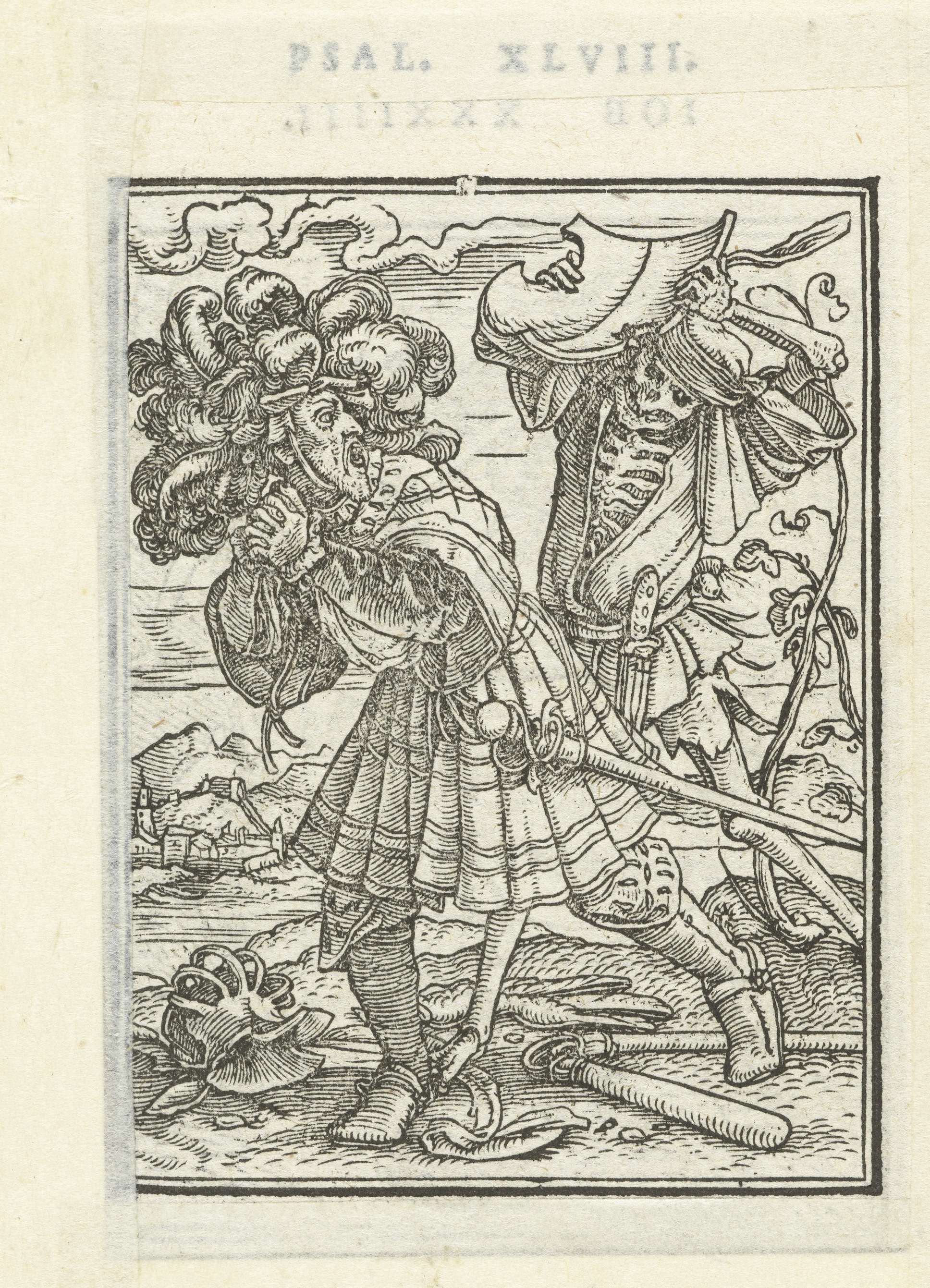
Did the painter know this moment would outlive them? In Kanselier en de Dood, a chilling stillness encapsulates the tension between life and the inevitable shadow of mortality, inviting viewers to confront their own reckoning with madness and sanity. Focus on the figure of the chancellor to the right, his expression caught in a moment between contemplation and dread. Notice the meticulous detail in his attire, the rich fabric shimmering under the dim light, reflecting his status.
To the left, the skeletal figure of Death looms ominously, a stark contrast rendered in pale tones against the deep, enveloping shadows. The composition brilliantly emphasizes the unsettling dialogue between the chancellor’s vibrant life and the stark reality of his fate. Hidden beneath the surface of this visual narrative lies a complex interplay of power and vulnerability. The juxtaposition of the opulent setting with Death’s unsettling presence hints at the madness of human ambition, suggesting that wealth and status afford no immunity from the ultimate end.
The subtle tension in the chancellor's posture reveals a deeper struggle, perhaps a reflection of the madness that grips those who cling too tightly to their earthly achievements. Created in 1538, this work emerged during a tumultuous period for Hans Holbein the Younger, who was navigating the complexities of the Reformation in Europe. As he painted in Basel, he faced a rapidly changing artistic landscape, with shifts in patronage and the rising influence of Protestant thought challenging traditional depictions of life and death. This piece reflects both his mastery of portraiture and the existential questions that defined the era.