Kind met drie schedels — History & Analysis
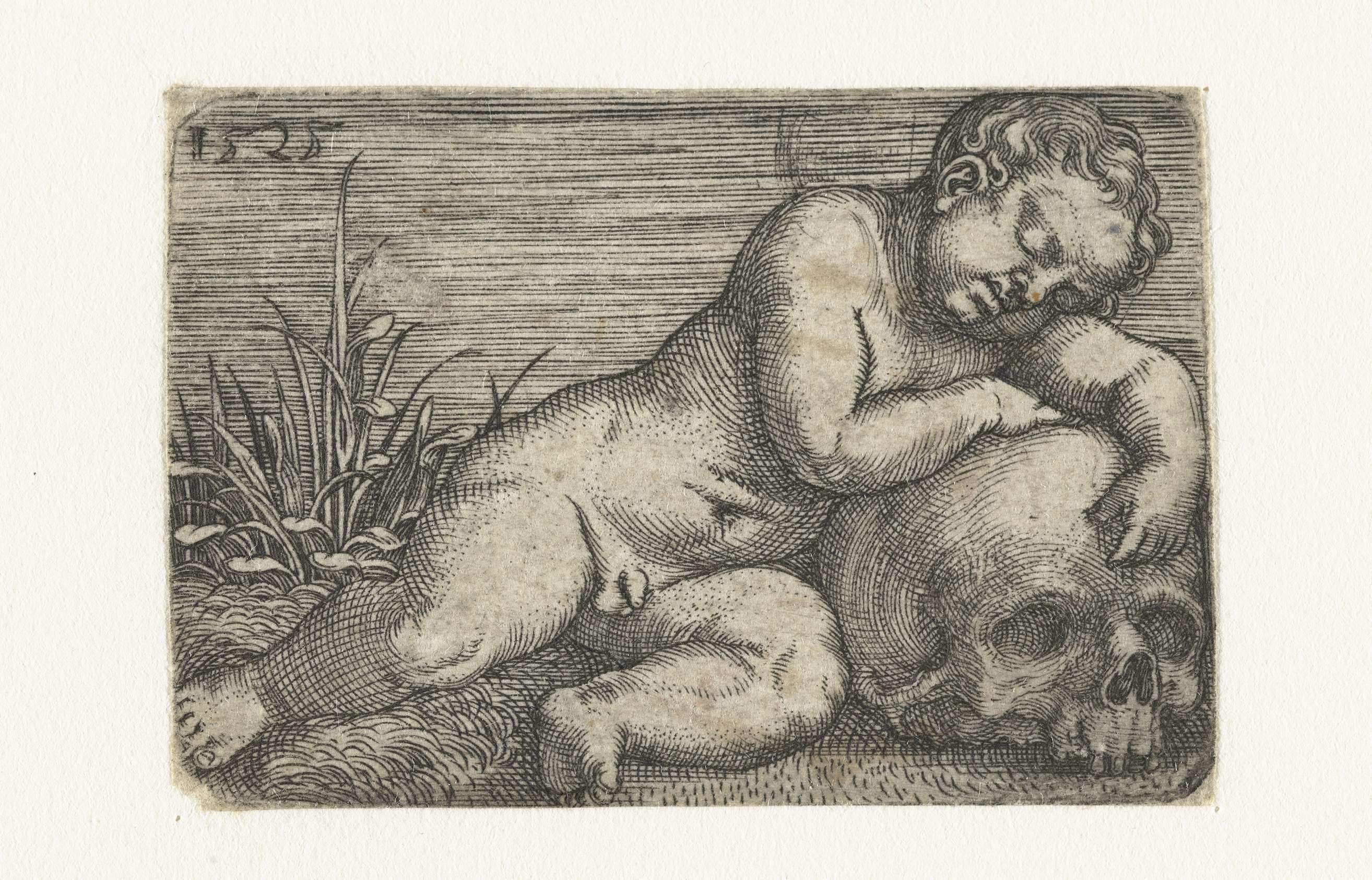
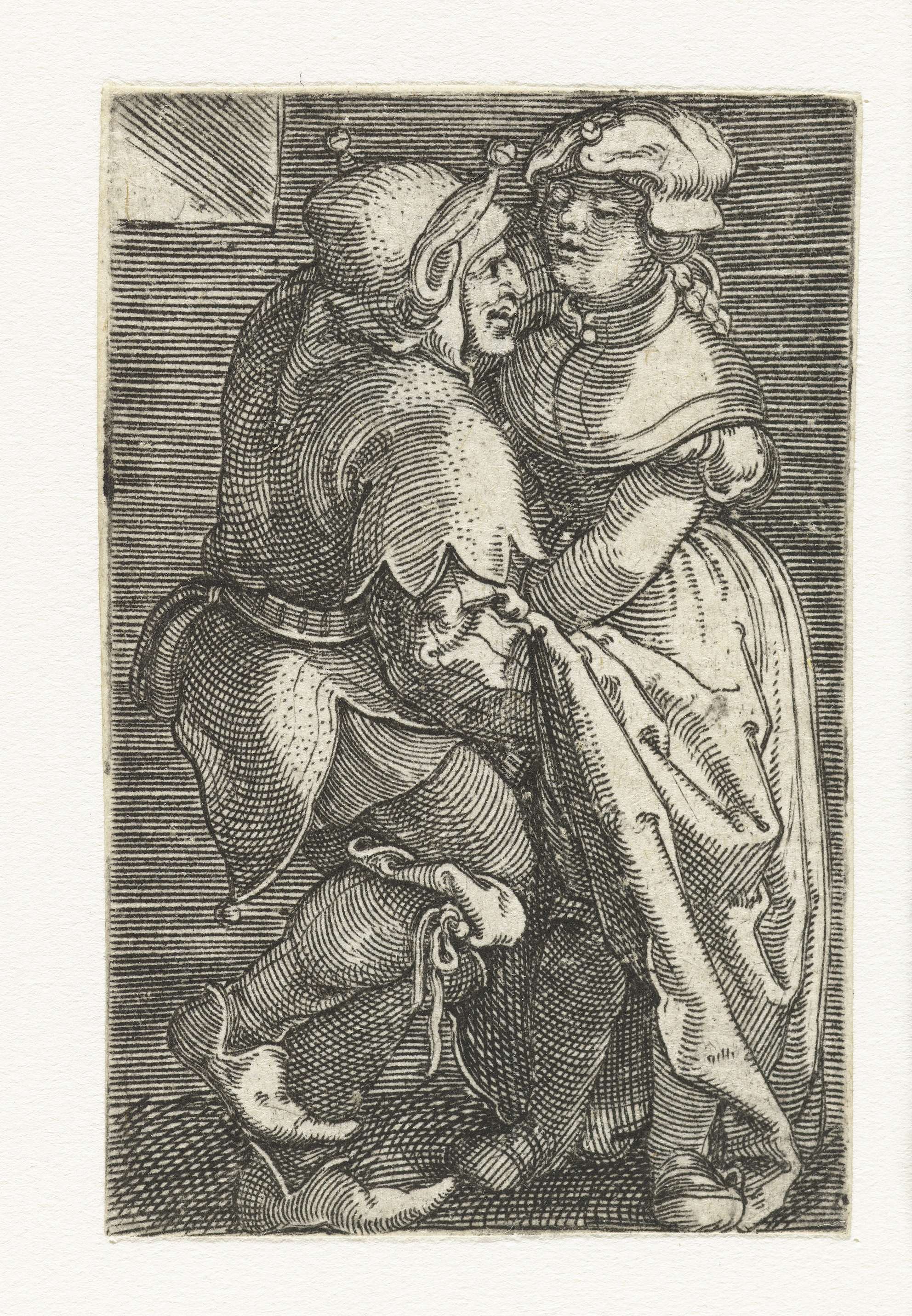
Can paint confess what words never could? In Kind met drie schedels, the weight of memory hangs palpably, woven into every brushstroke. Look first at the child, with wide, innocent eyes that seem to stare beyond the canvas, inviting silent questions. Surrounding this figure, three skulls rest ominously, each one a stark reminder of mortality and the fleeting nature of life. The warm, luminous palette of ochres and soft reds contrasts sharply with the ghostly white of the skulls, creating a tension that pulls the viewer’s gaze between innocence and the inevitable.
The composition feels intimate yet unsettling, as if the child is suspended in a moment caught between joy and the shadows of loss. Delve deeper into the details, and you will find haunting nuances. The child's expression is one of curiosity, perhaps even playfulness, yet it is overshadowed by the macabre presence of the skulls, which suggest a stark awareness of mortality that belies youthful innocence. The juxtaposition of life and death invites contemplation on the cycles of existence and memory, hinting at the complex relationship we have with our pasts.
Each skull tells a story, urging reflection on life’s transient nature, and beckoning the viewer to consider their own journey through time. At the time of painting this work in 1529, the artist was immersed in the vibrant artistic conversations of the Northern Renaissance. Living in Nuremberg, he was influenced by the emerging trends of humanism and the symbolic exploration of mortality in art. This piece reflects not just personal introspection but also the broader cultural context of a society grappling with ideas of life, death, and the legacy we leave behind.