Kingswear Seen from Dartmouth, Devon — History & Analysis
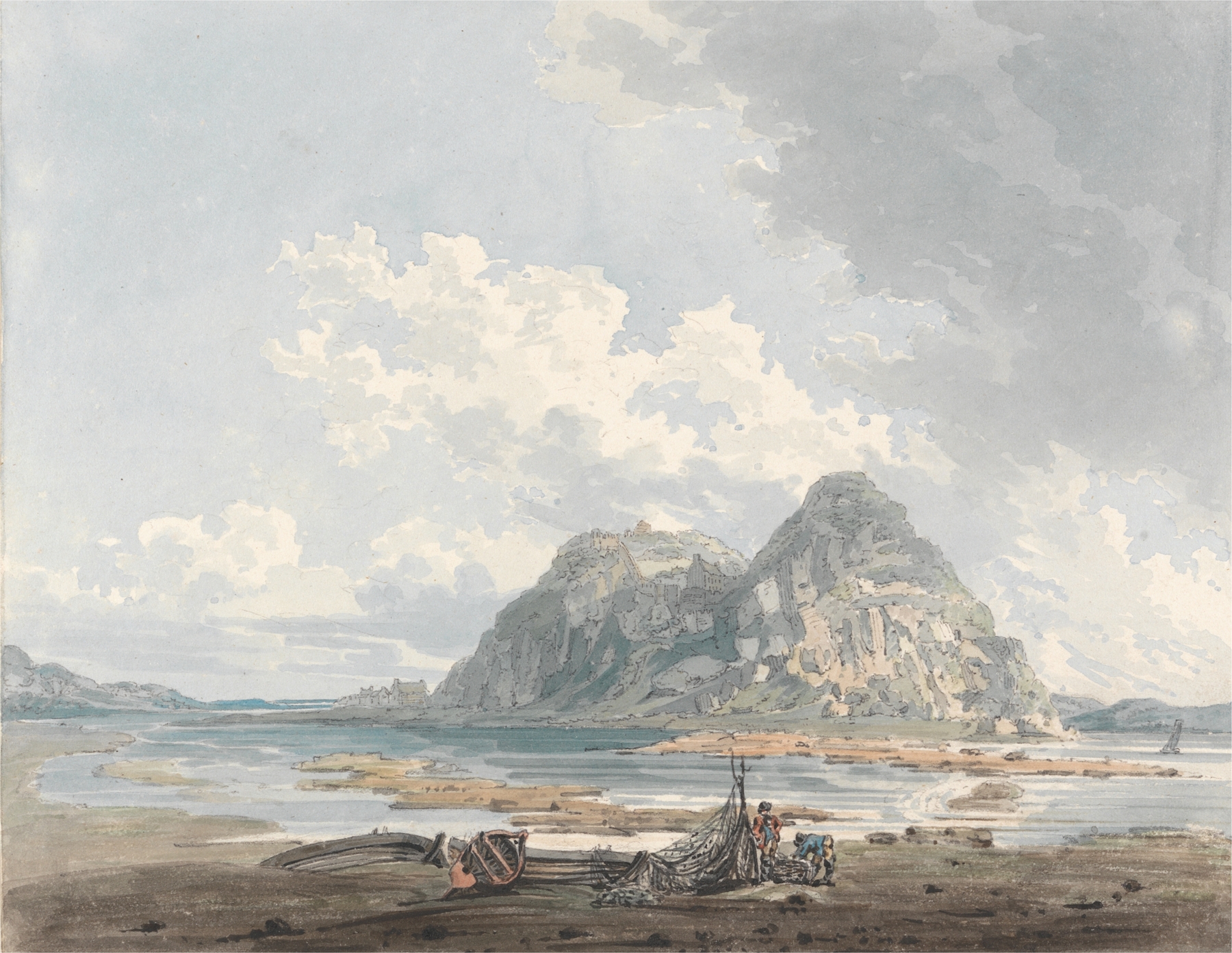
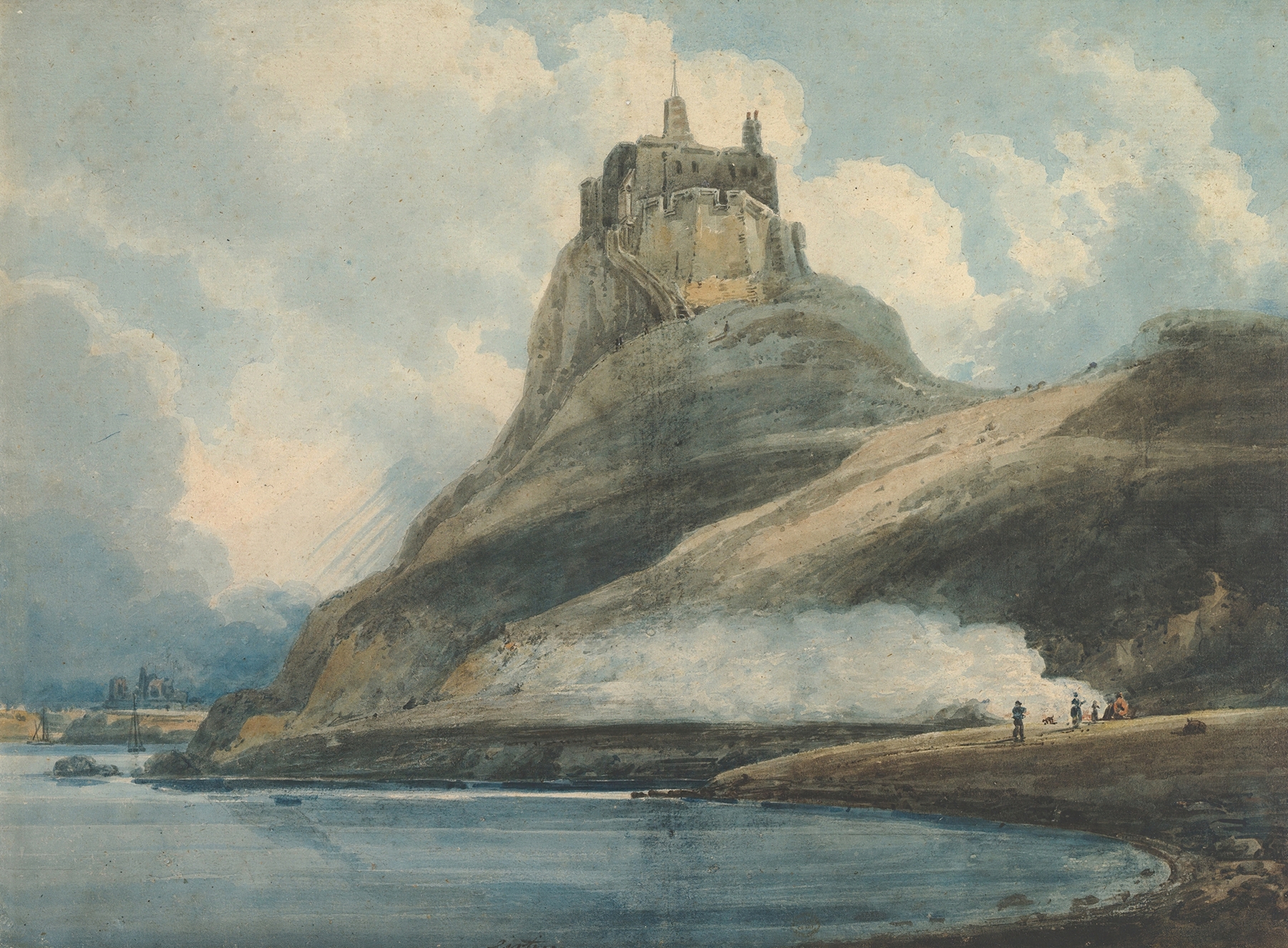
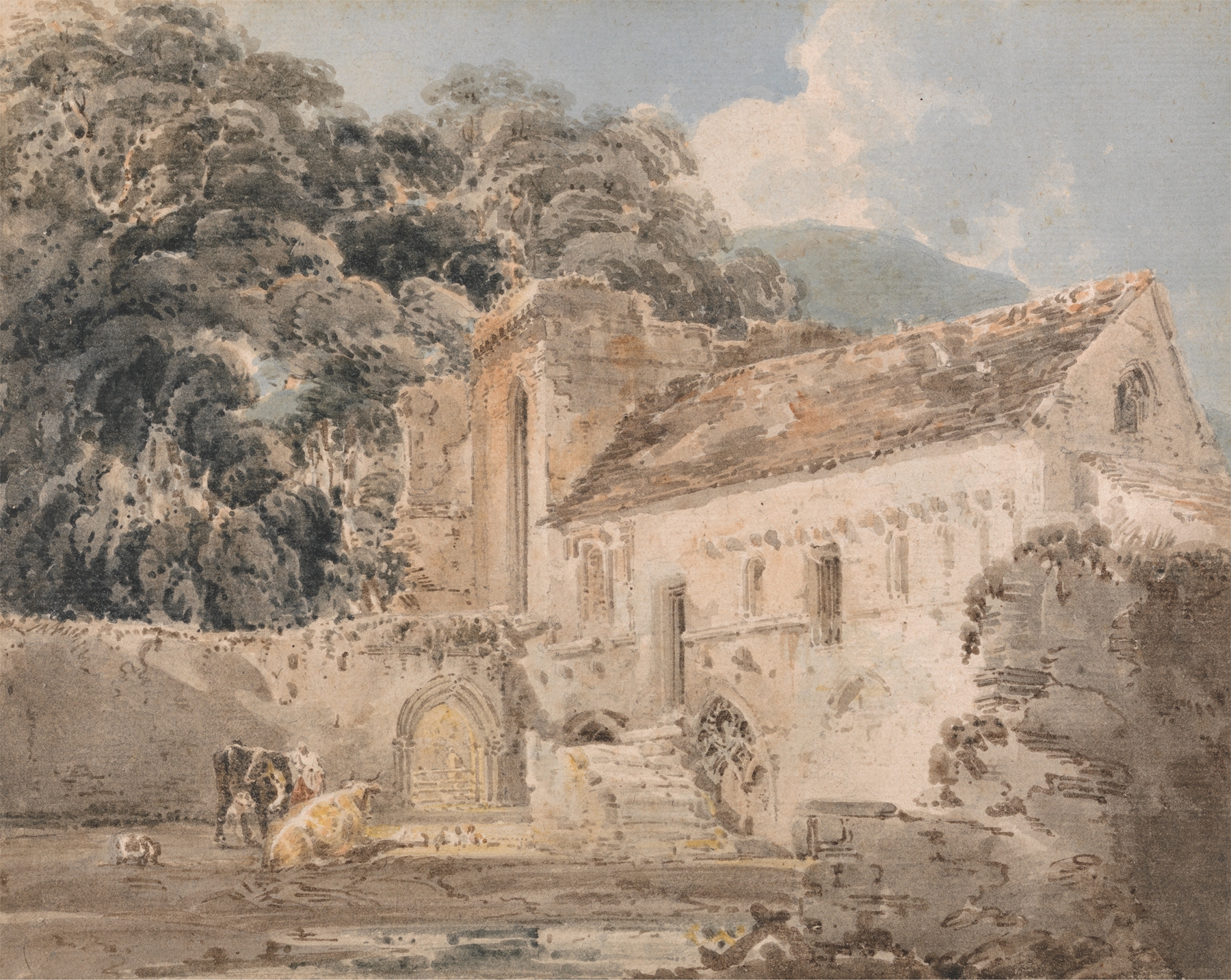
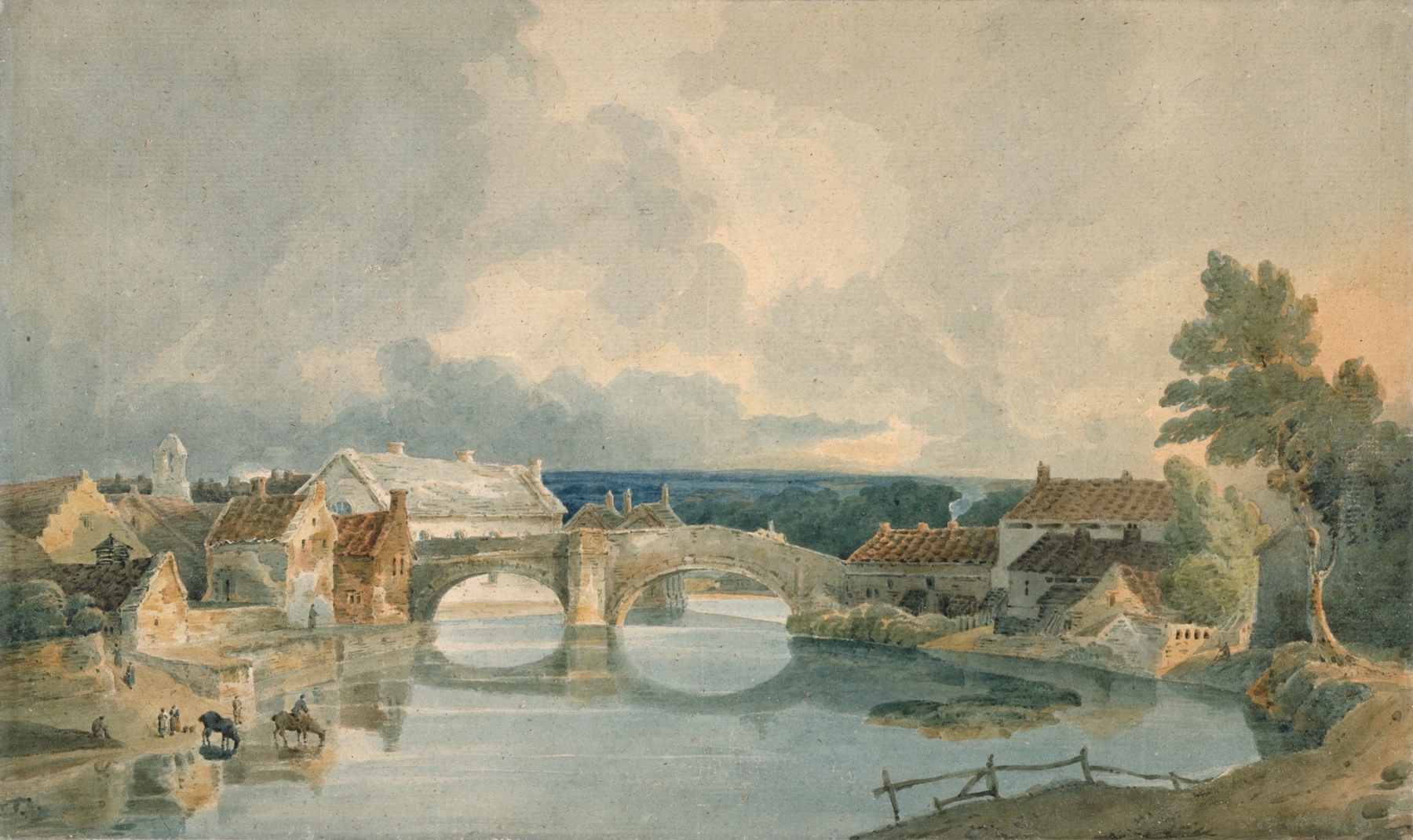
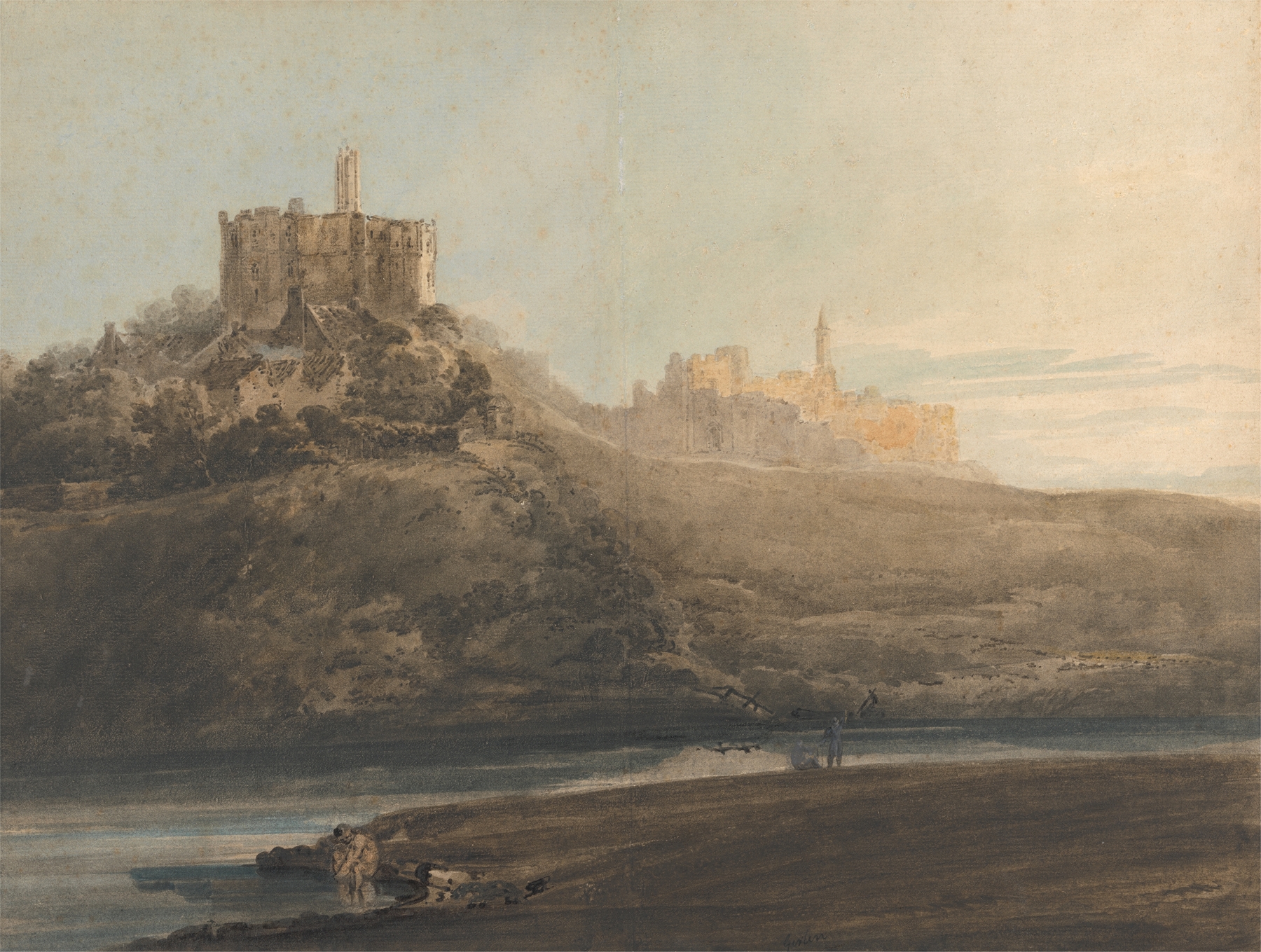
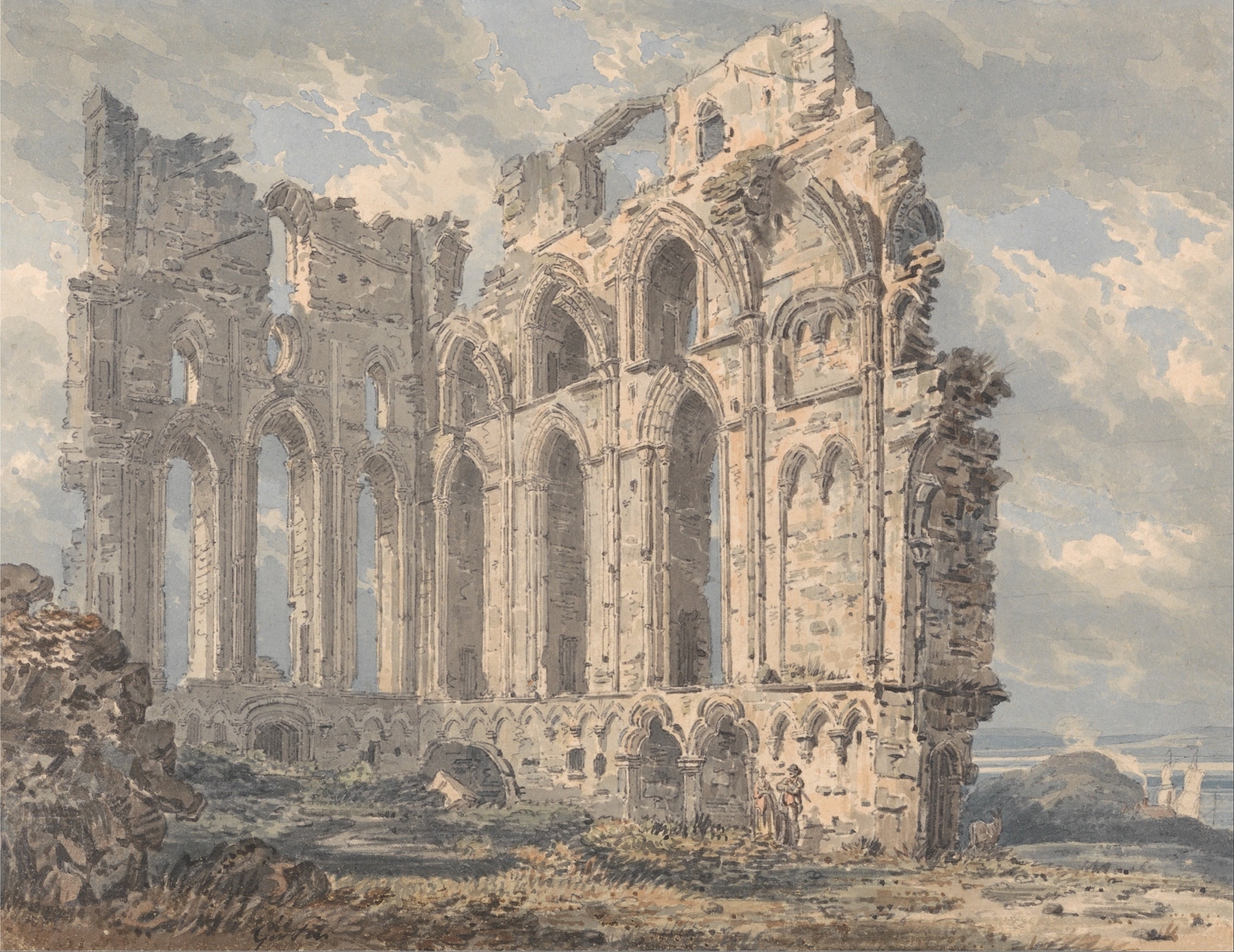
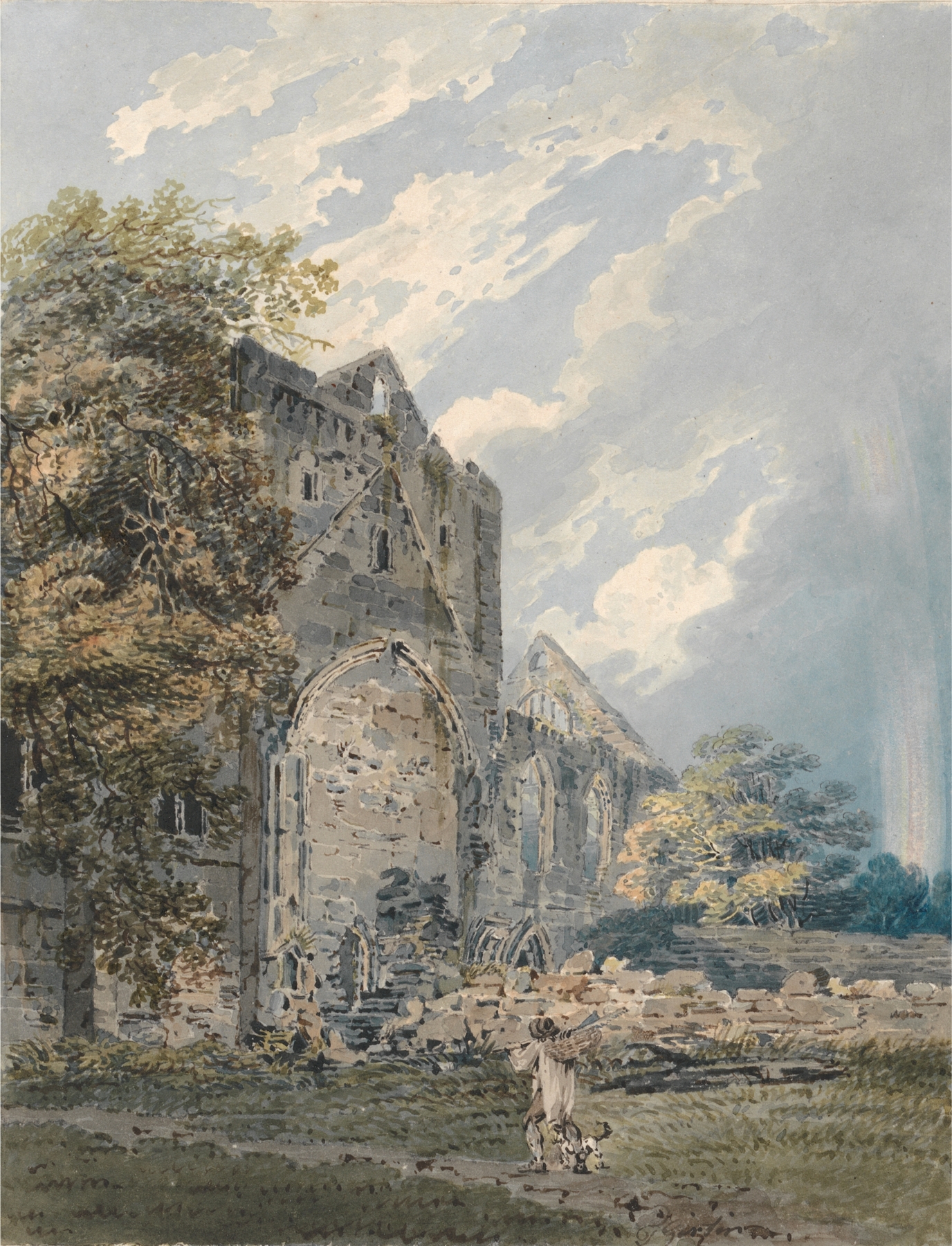
“To paint is to remember what time wants us to forget.” In a world where madness reigns, capturing fleeting moments can offer solace amidst chaos. The tranquil yet tumultuous scene invites reflection on the delicate balance between memory and reality. Look to the left at the serene river, where gentle waves ripple beneath a soft, muted sky. The painter's brushstrokes create a dreamlike atmosphere, blurring the line between the tangible and the ephemeral.
Notice how the subtle hues of blue and grey blend, enveloping the landscape in a shroud of nostalgia, while the distant hills rise like faded memories on the horizon. Hidden within this composition are the echoes of a forgotten past and the insanity of an unrelenting present. The boats, moored yet restless, symbolize the struggle between stability and the ever-changing tides of life. The light breaks through the clouds, casting a golden glow that hints at the hope of clarity in a world often overshadowed by confusion and despair.
Each element resonates deeply, weaving a narrative that speaks to both longing and liberation. In 1797, while Girtin painted this landscape, he was already making waves in the art world with his innovative watercolor techniques. This period marked a transition in British landscape painting, moving away from the grandiosity of earlier styles towards a more intimate, personal portrayal of nature. As he captured the picturesque town of Kingswear, Girtin was also reflecting the romantic spirit of his time, navigating the fine line between chaos and beauty.