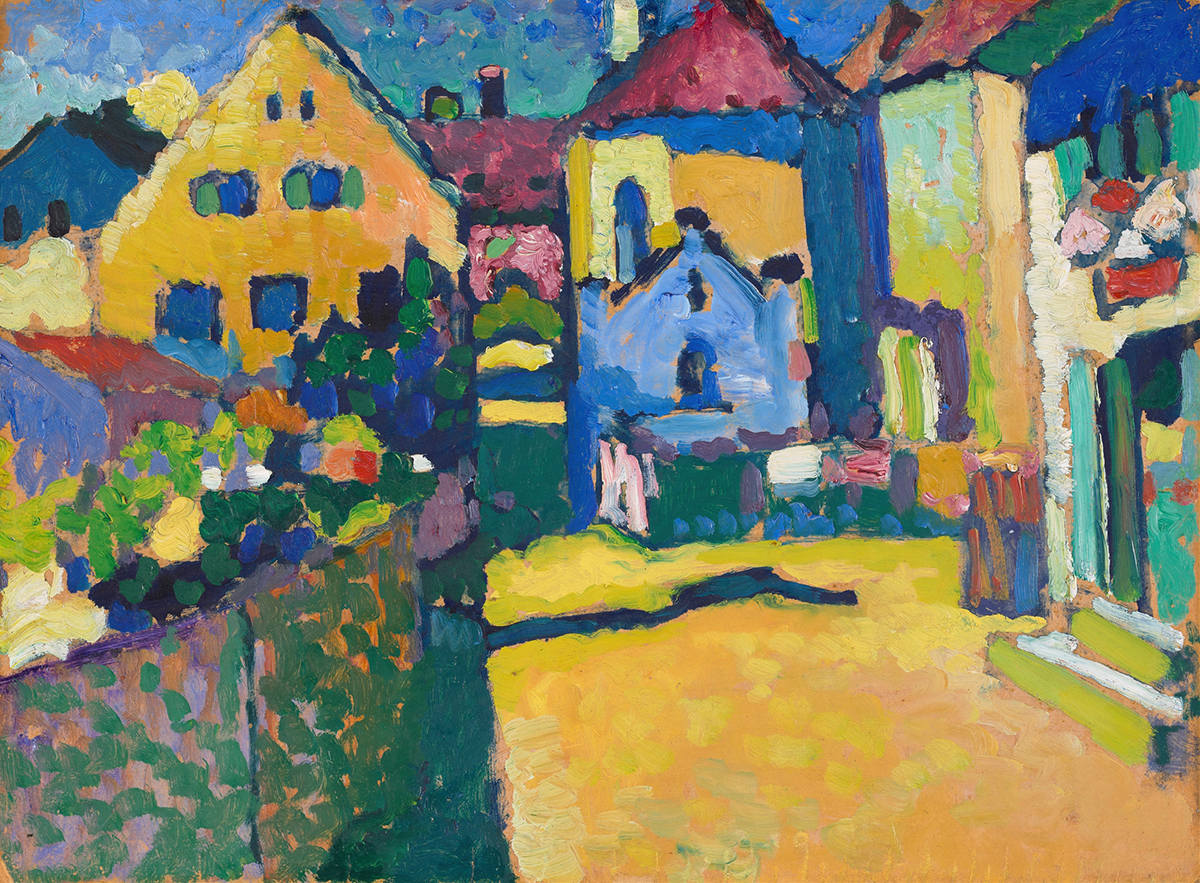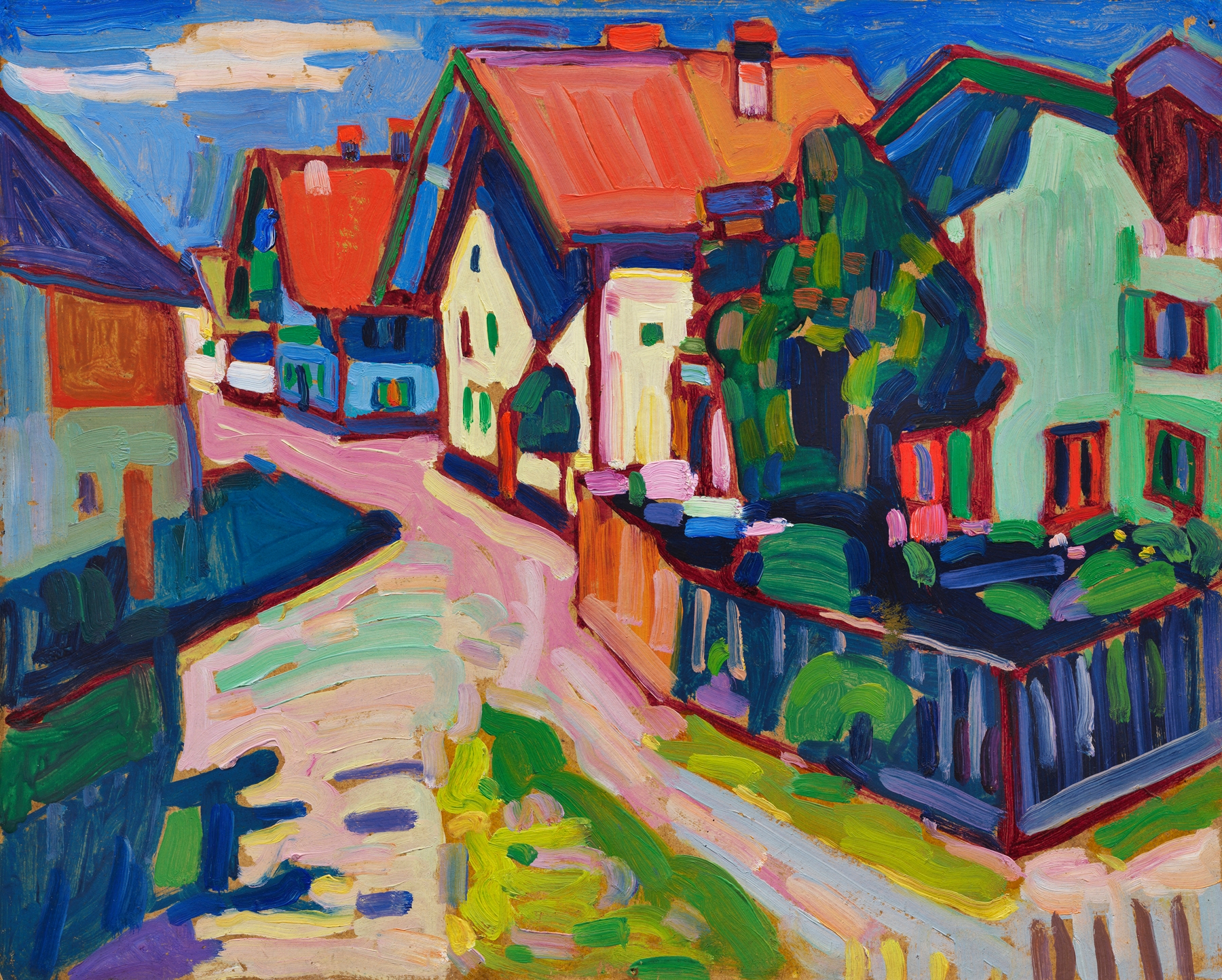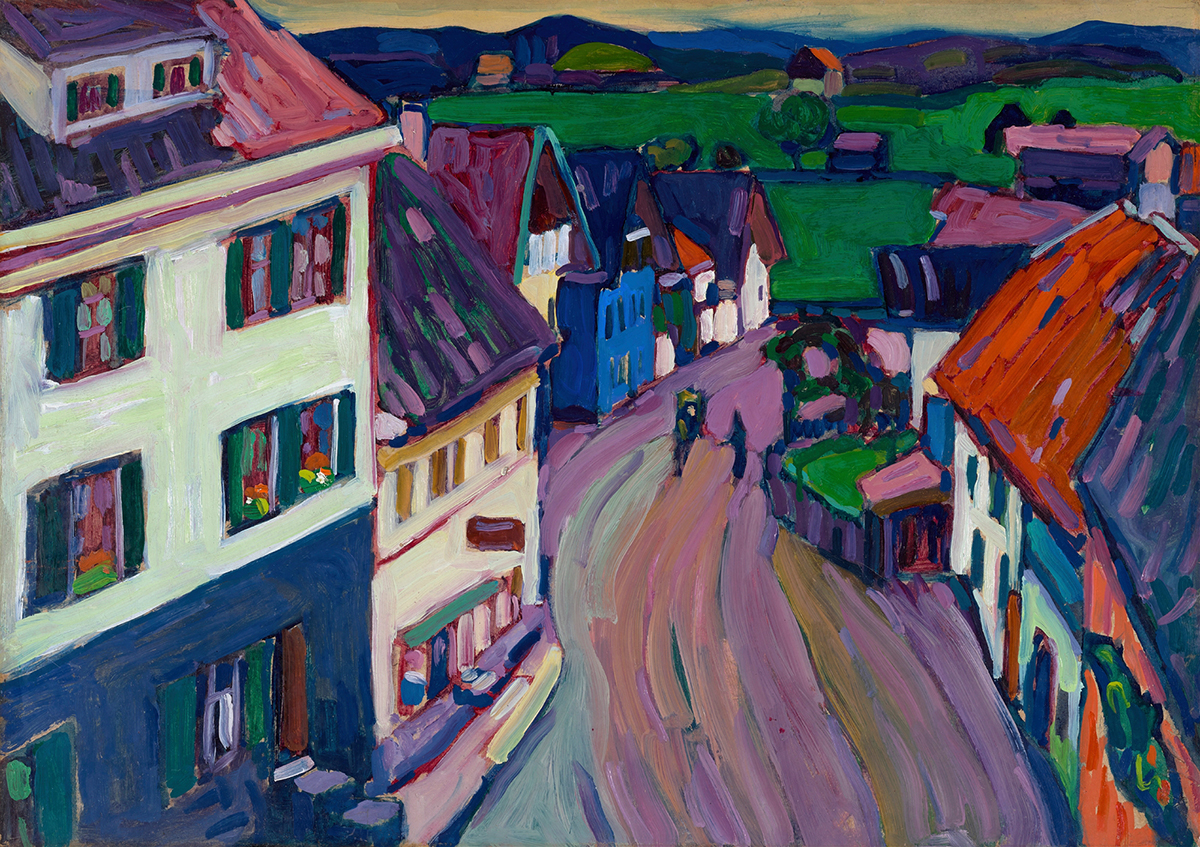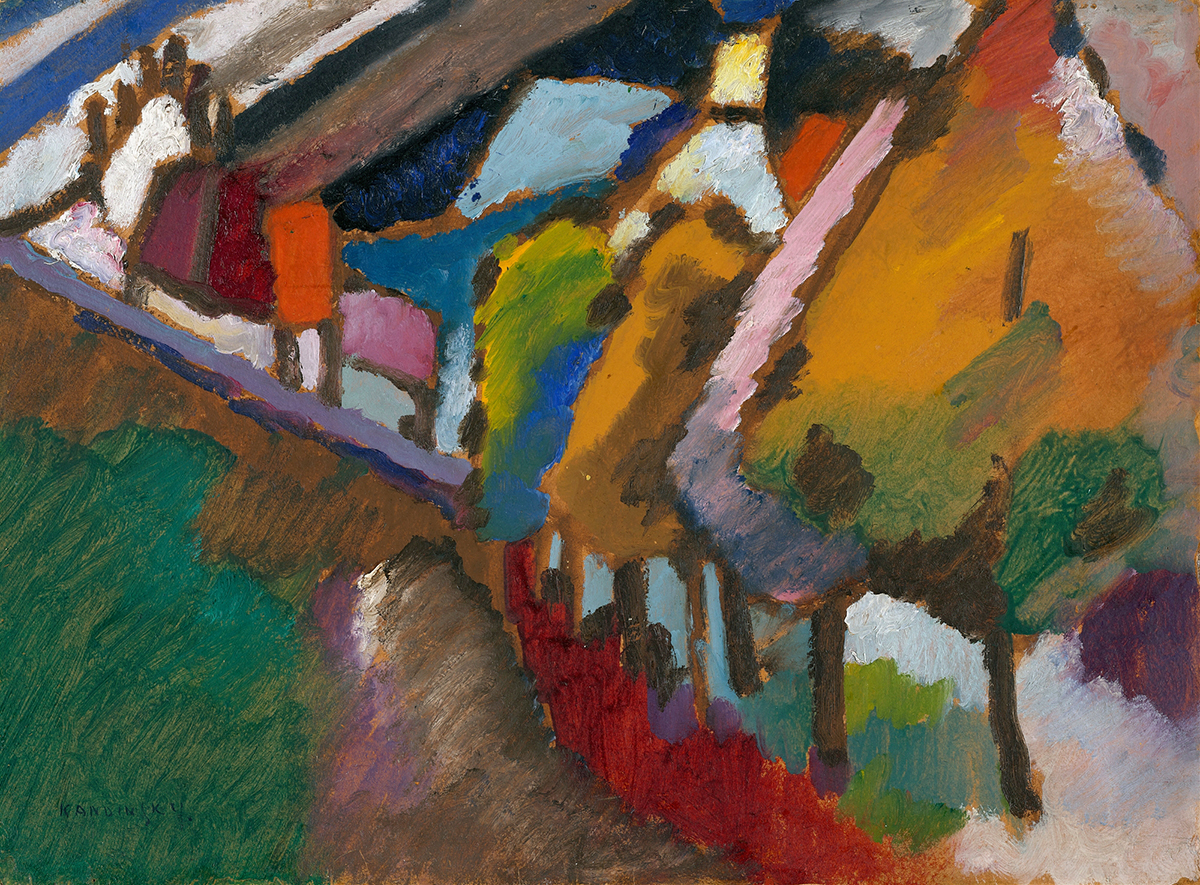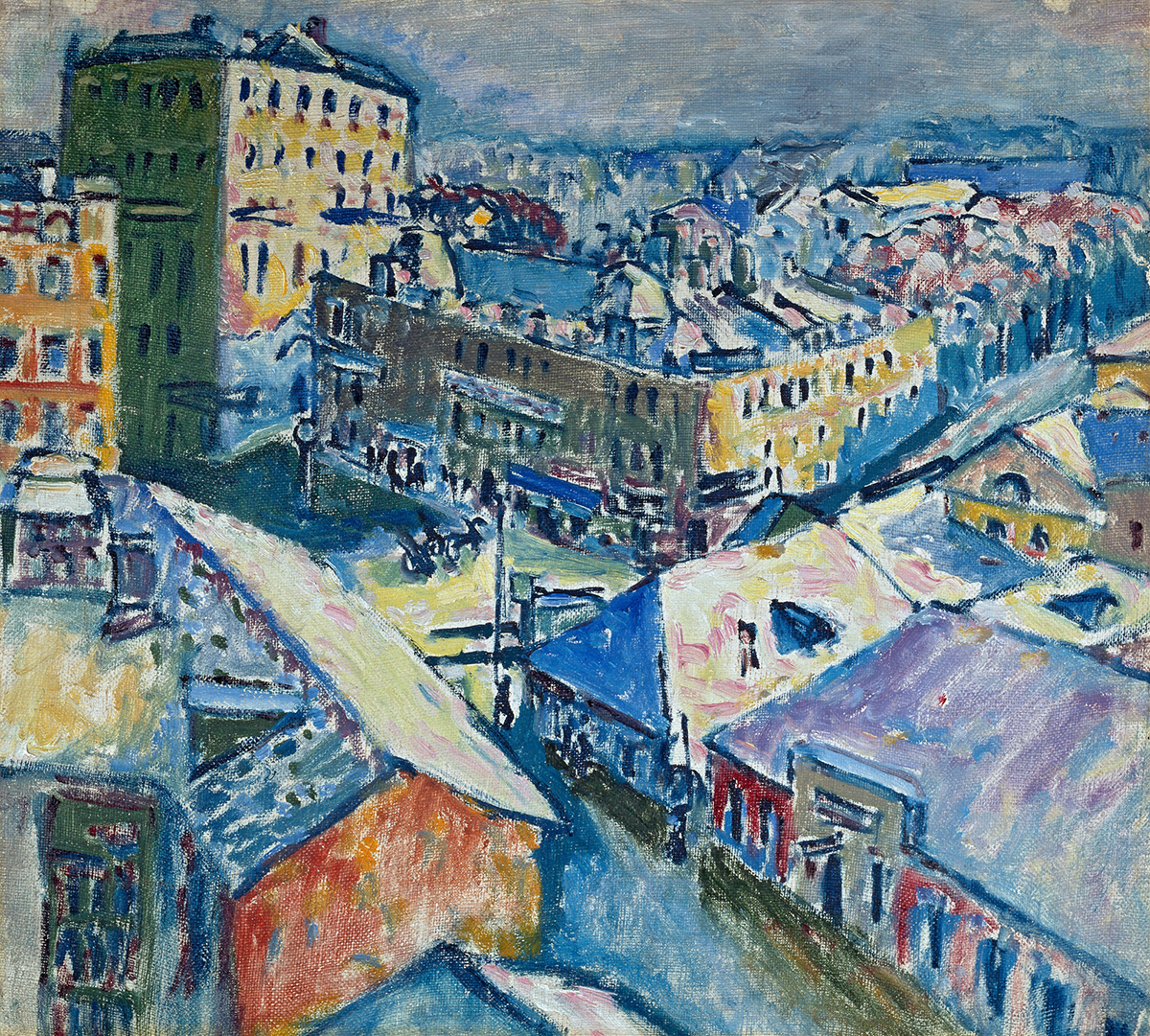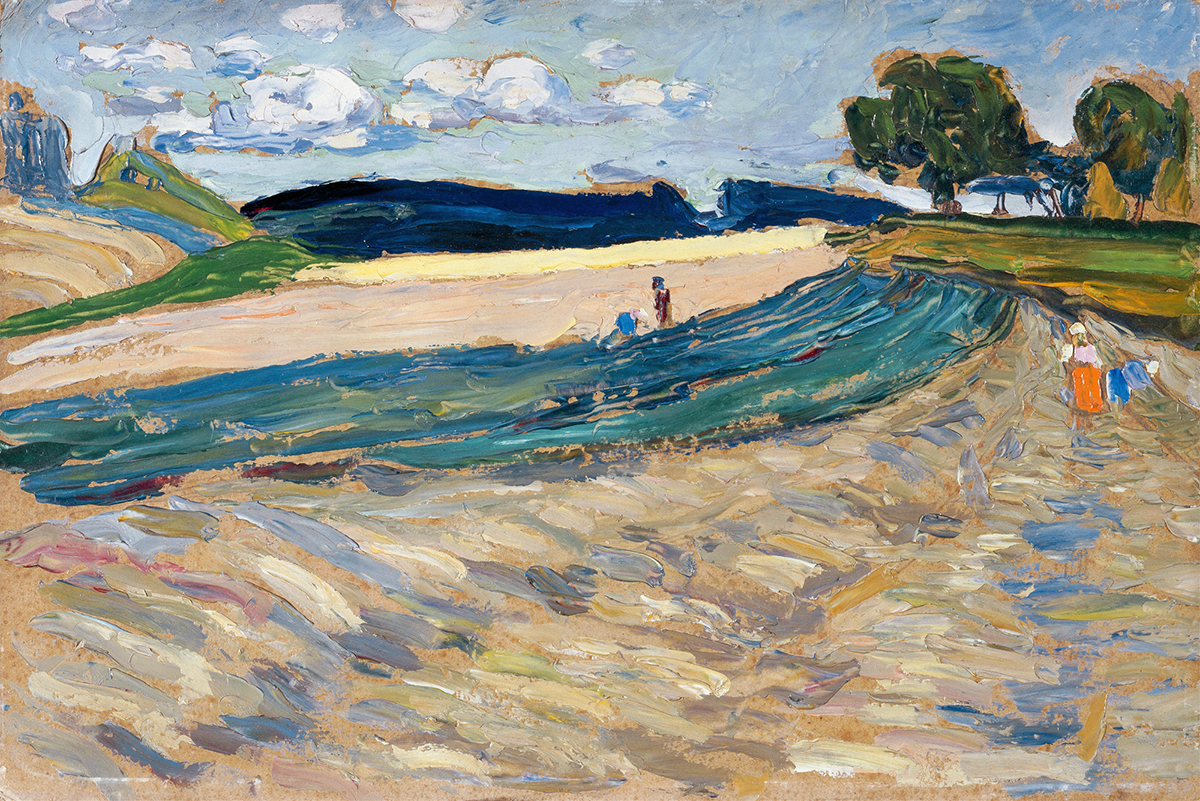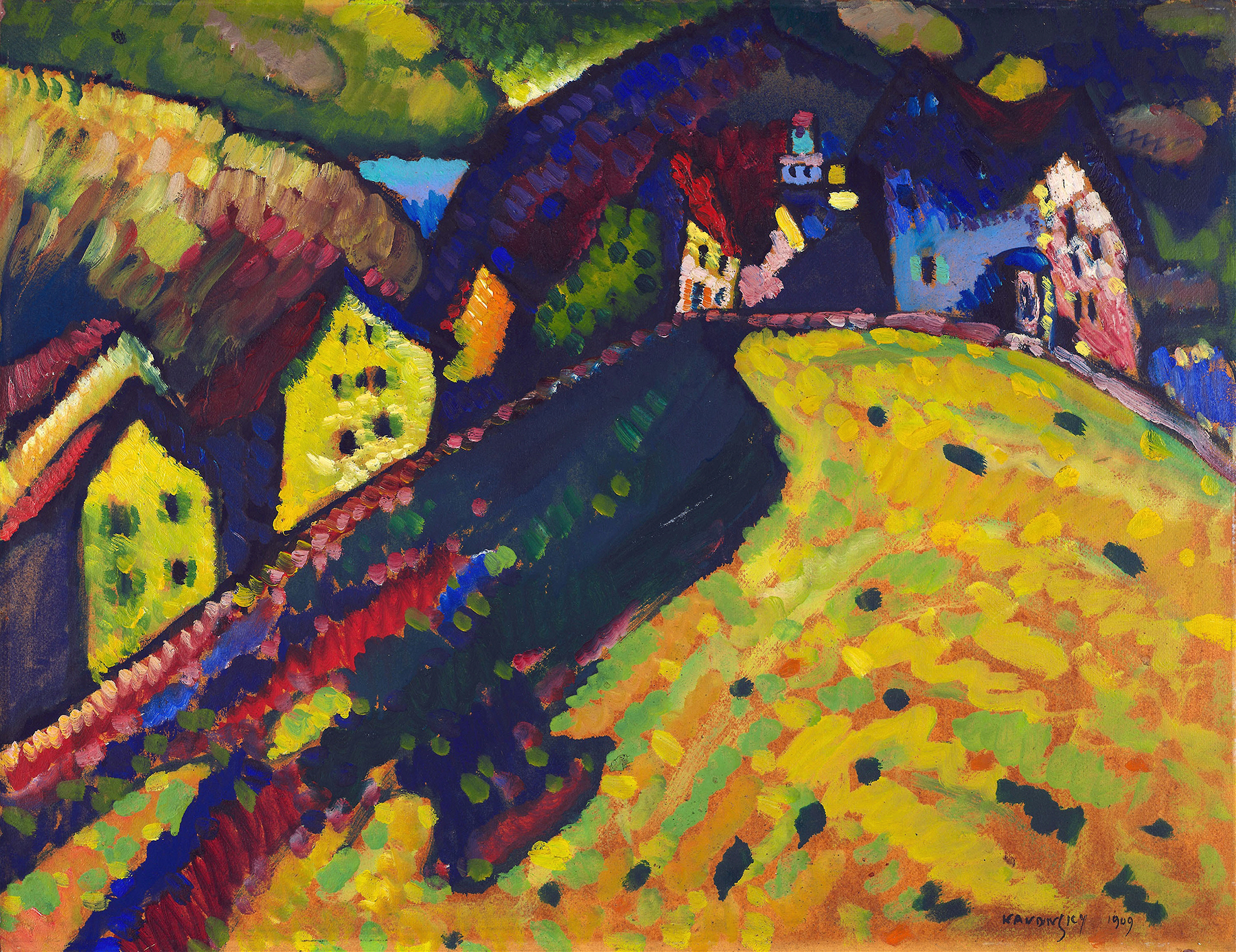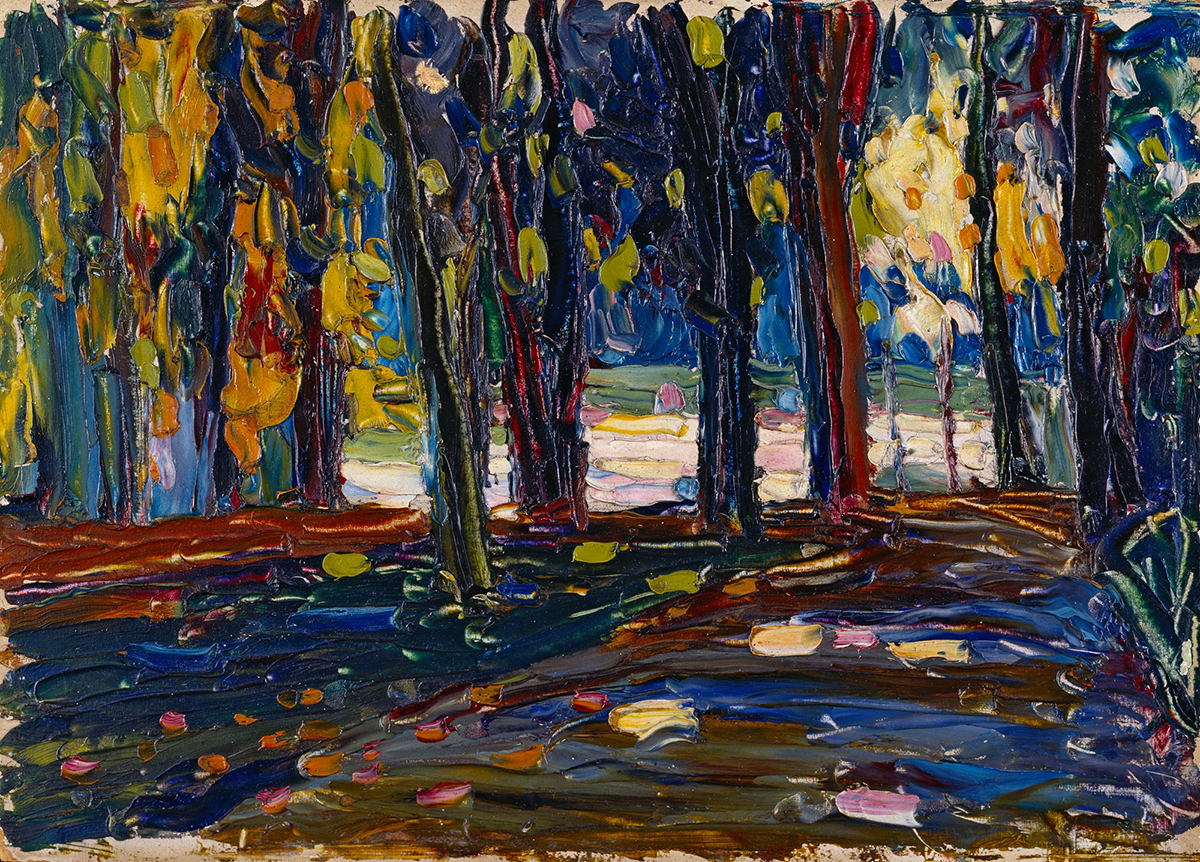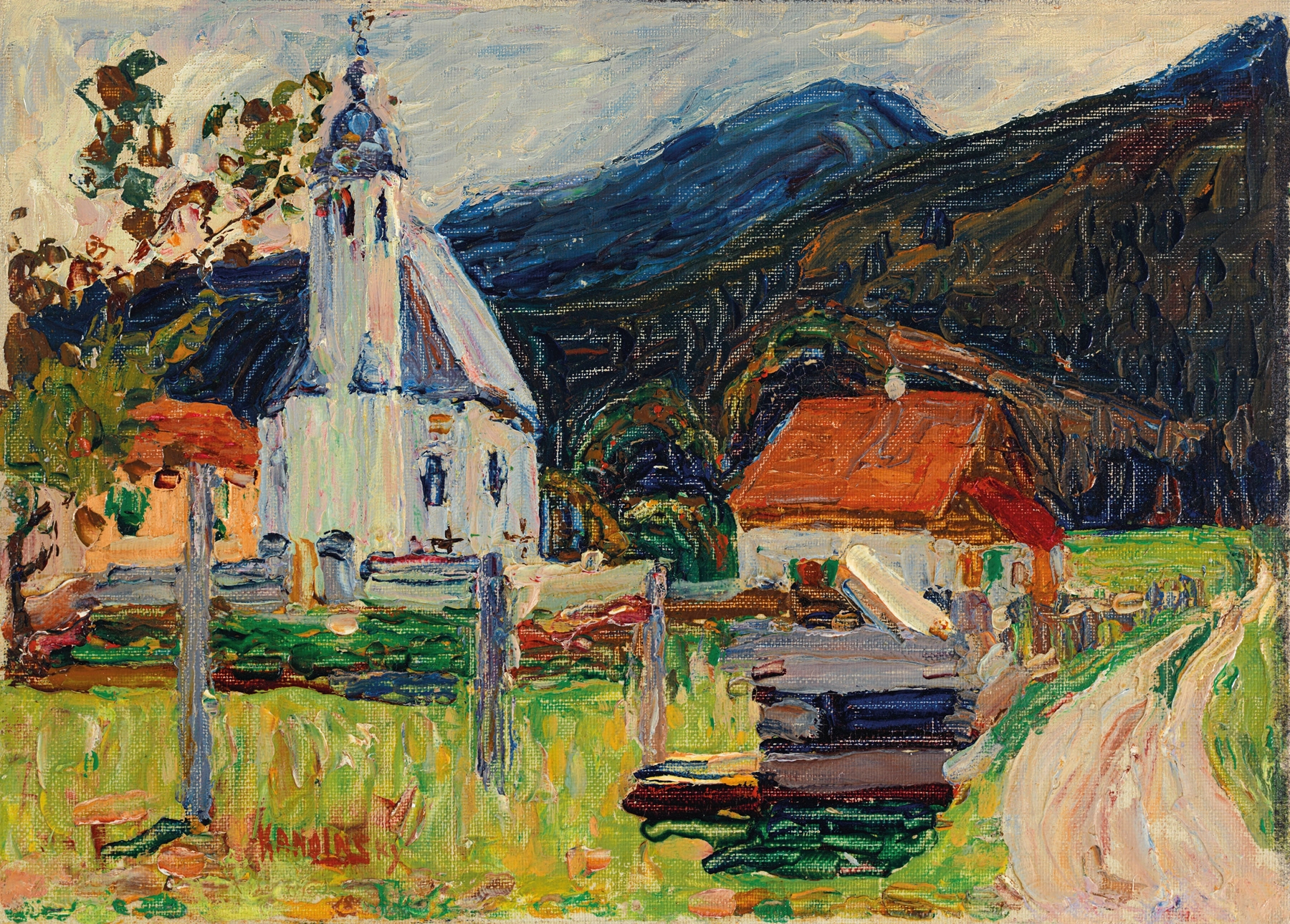
“Every brushstroke is a heartbeat remembered.” Nostalgia, with its bittersweet pull, finds expression in a landscape where the heart sways between memory and reality. In the hands of the right artist, even a village scene can whisper the language of longing and connection, inviting us to linger just a moment longer. Look to the center of the canvas, where the quaint church stands, its steeple rising against a backdrop of gentle hills and vibrant trees. The colors are rich and warm, a palette of muted greens and earthy browns infused with splashes of vibrant blues. Notice how the light dances across the scene, illuminating the church's façade while casting soft shadows that cradle the surrounding landscape. Each brushstroke feels deliberate, creating an interplay of form and color that encapsulates the essence of a tranquil village life. As you explore further, observe the tiny figures dotting the scene, representing the community in quiet harmony. Their presence is both grounding and ethereal, a testament to the connection between the individual and their environment. The layered brushwork speaks of time passed, hinting at the collective memories held within the architecture and the trees. The contrast between the static church and the fluidity of nature surrounding it evokes a sense of fleeting moments, reminding us of life’s impermanence and the beauty that resides in stillness. Created in 1902, this work reflects a pivotal time in the artist's life as he sought to unify his understanding of color and form while grappling with personal upheaval. At this point, Kandinsky was living in Munich, deeply embedded in the vibrant art scene that championed expressionism and abstraction. His move from representational art towards a more emotive language marked a significant shift, capturing both the spirit of his time and the whispers of his own nostalgia.