Korti — History & Analysis
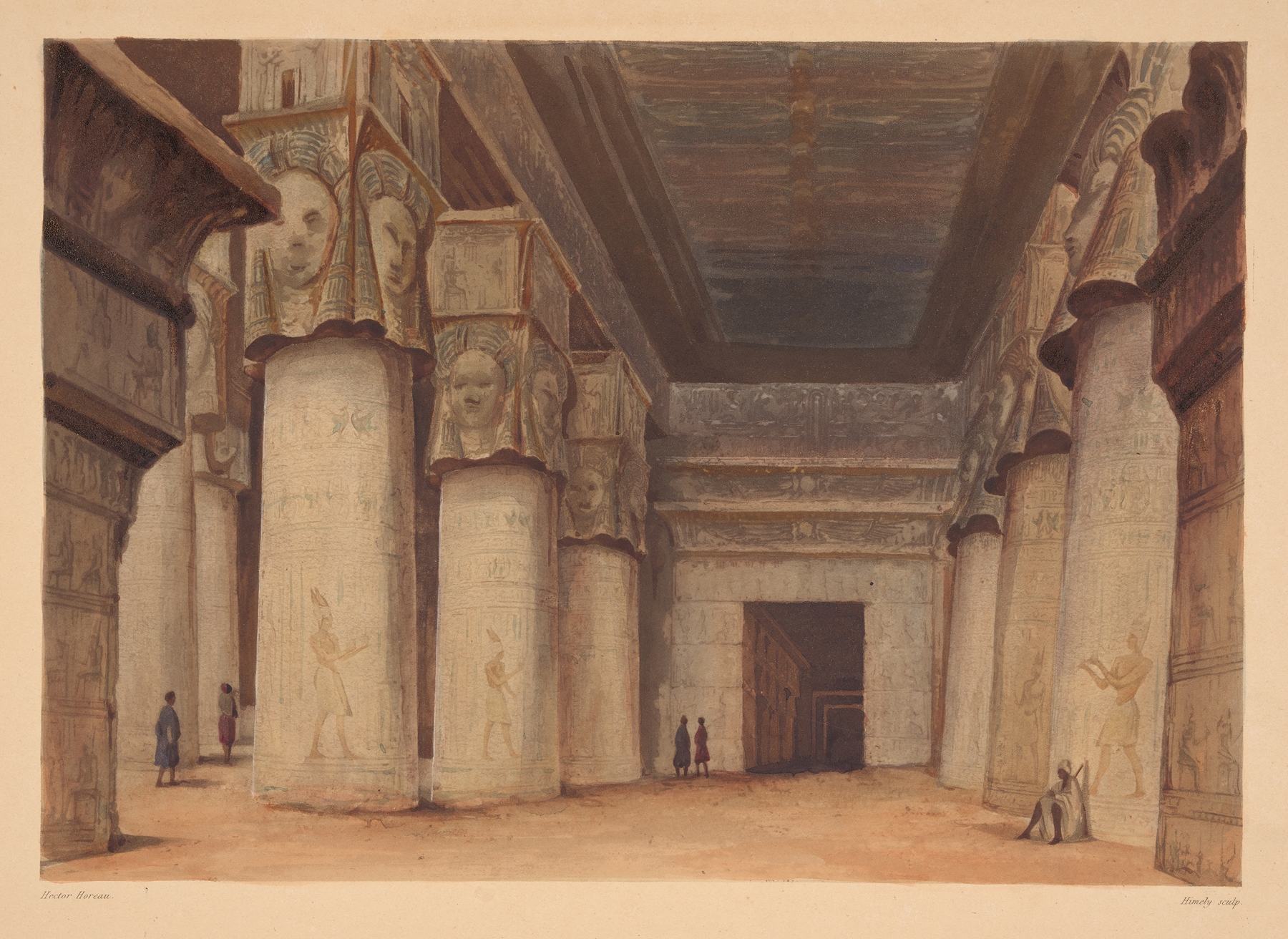
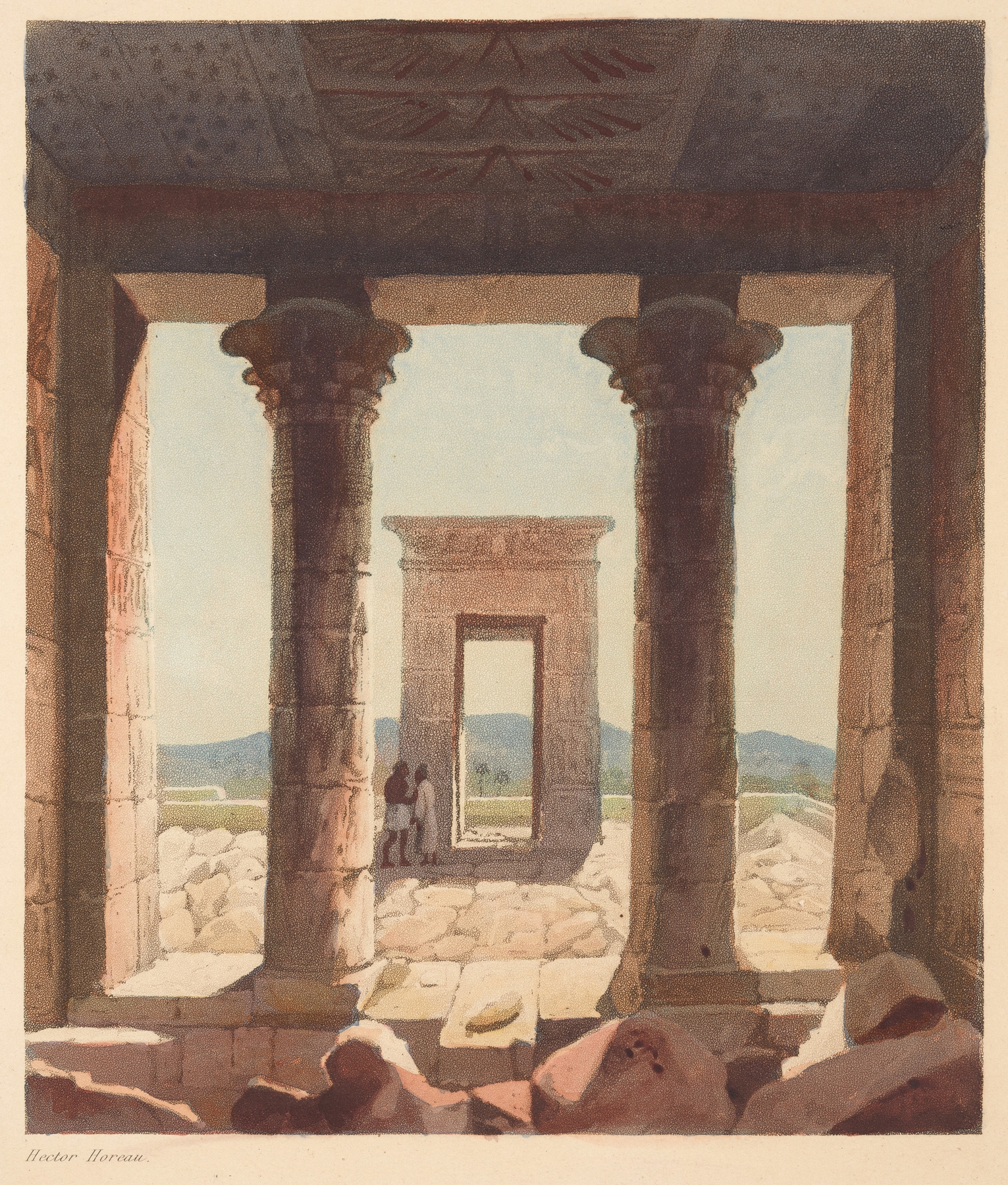
Is this a mirror — or a memory? In Korti, the viewer is invited to explore the boundary between reality and the ethereal, where reflections whisper tales of transcendence and introspection. Look to the center of the canvas, where a serene figure appears almost suspended in time, enveloped in soft, flowing garments that seem to breathe with the rhythm of the surrounding atmosphere. The artist employs a delicate palette of muted greens and silvers, allowing light to dance across the surface like fleeting thoughts.
The gentle play of shadows enhances the figure's serene expression, drawing the eye to the poignancy of a moment that feels both intimate and universal. Within this tranquil composition lies a profound tension between presence and absence. The figure’s gaze seems to reach beyond the frame, hinting at a yearning for connection or understanding. The juxtaposition of the soft textures and the sharp clarity of the background creates a dialogue about the nature of memory — is it as tangible as the figure, or as ephemeral as the light that surrounds it?
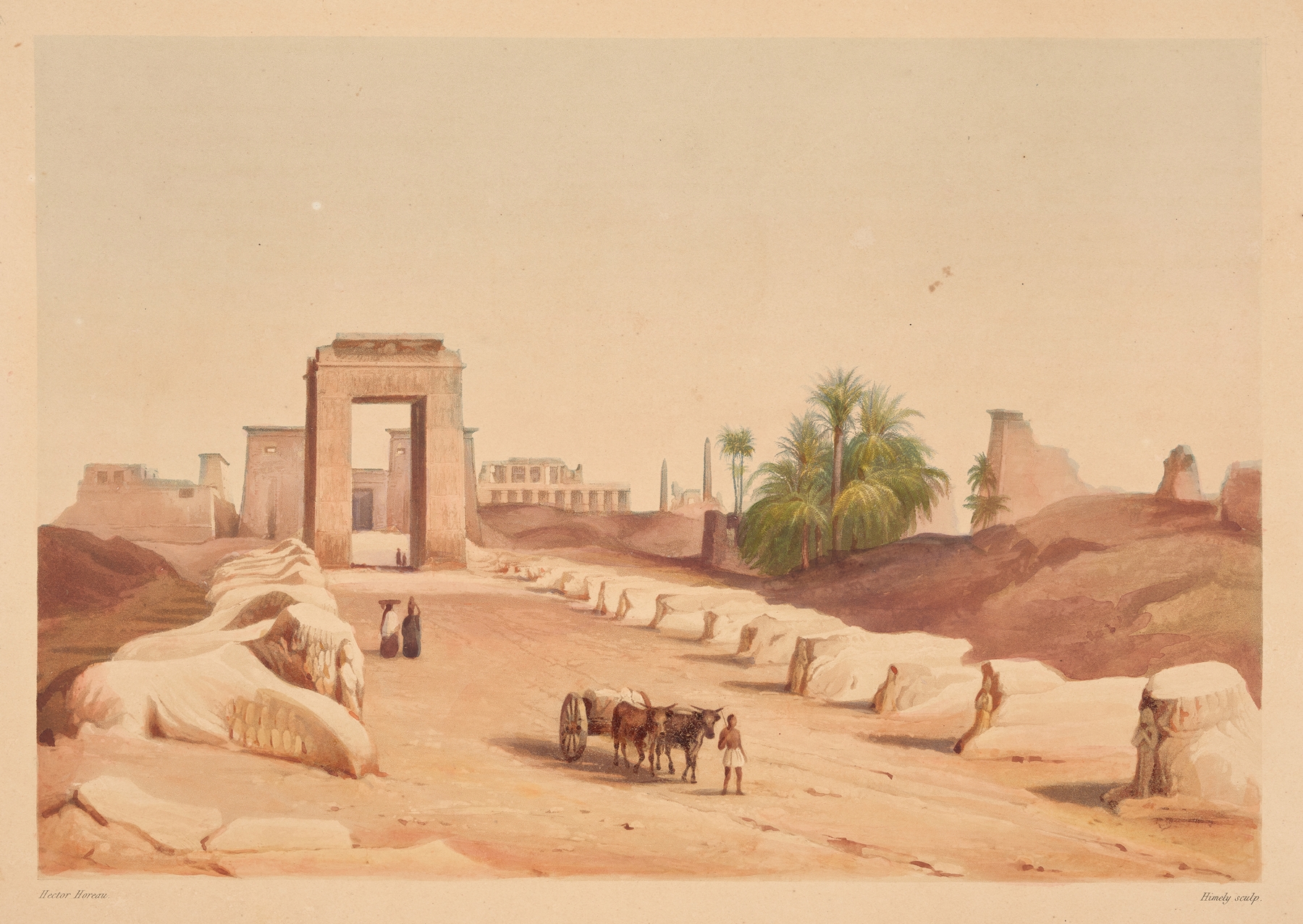
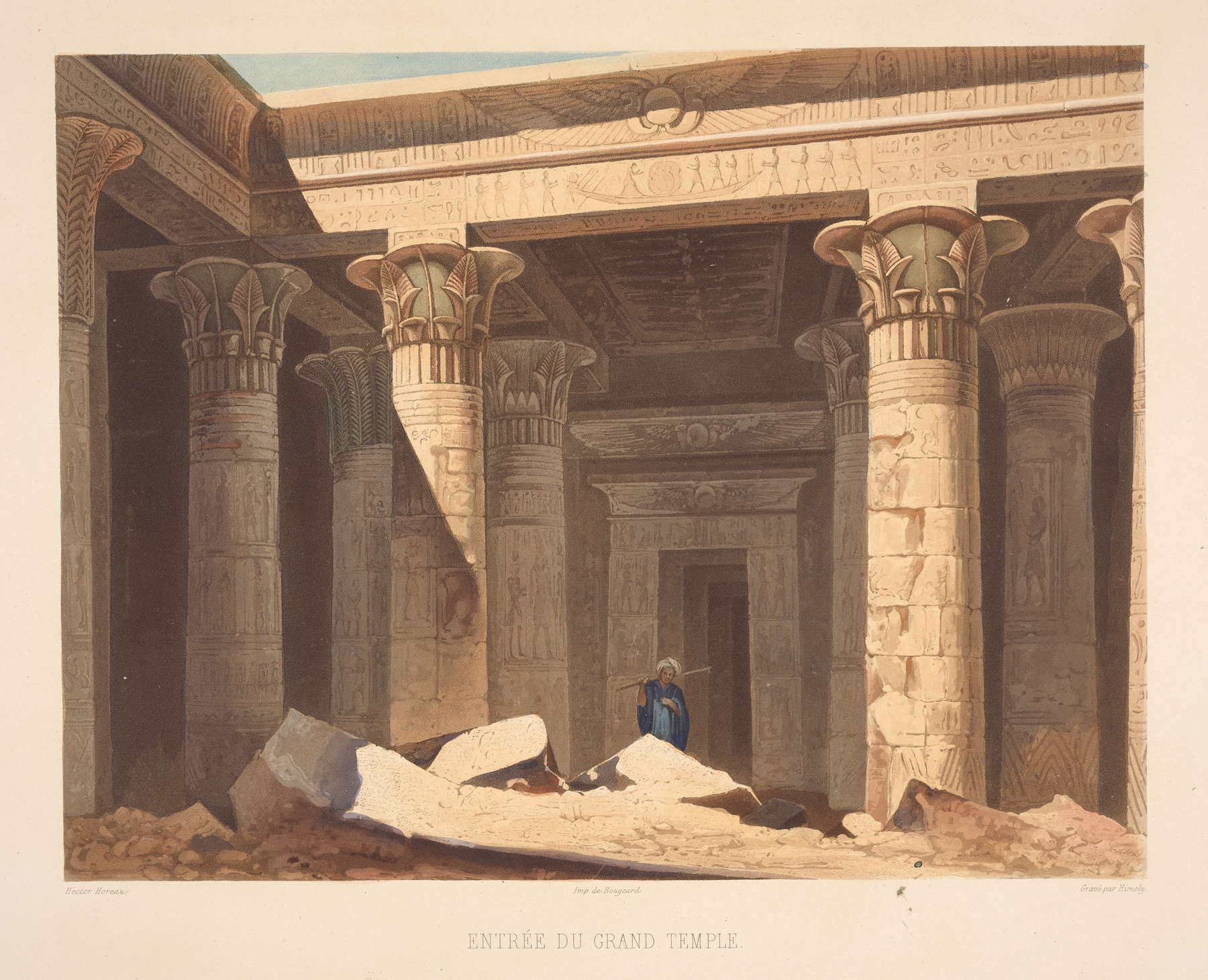
Each brushstroke evokes a sense of longing, suggesting that while memories may fade, their resonance lingers. In 1841, Hector Horeau painted this work during a period of artistic exploration, seeking to balance the influences of Romanticism and Neoclassicism. Living in Paris, Horeau was immersed in a vibrant artistic community, where themes of emotion and nature began to reshape the cultural landscape. This piece reflects his engagement with the interplay between reality and the imagined, showcasing his ability to capture the sublime in everyday moments.
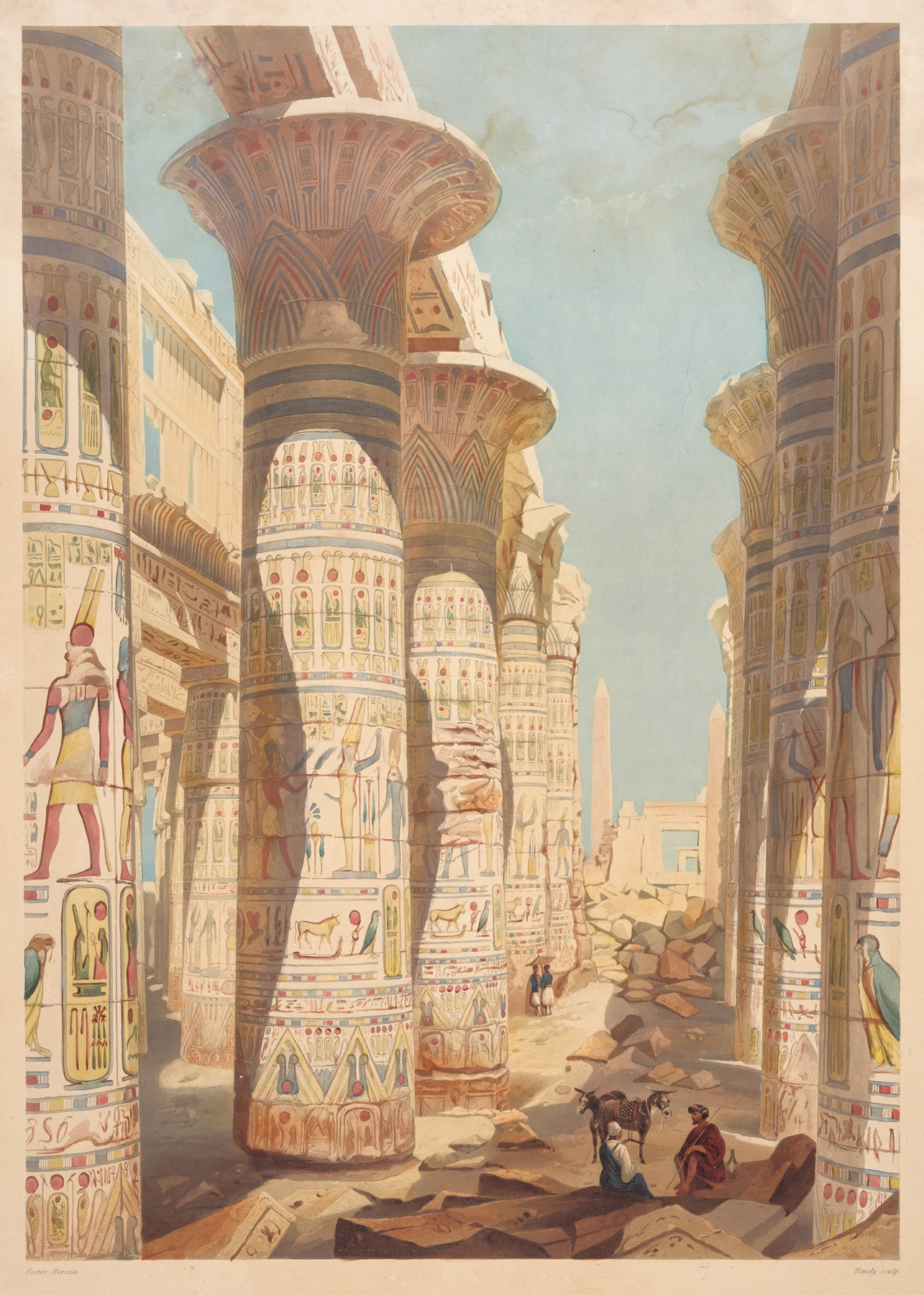
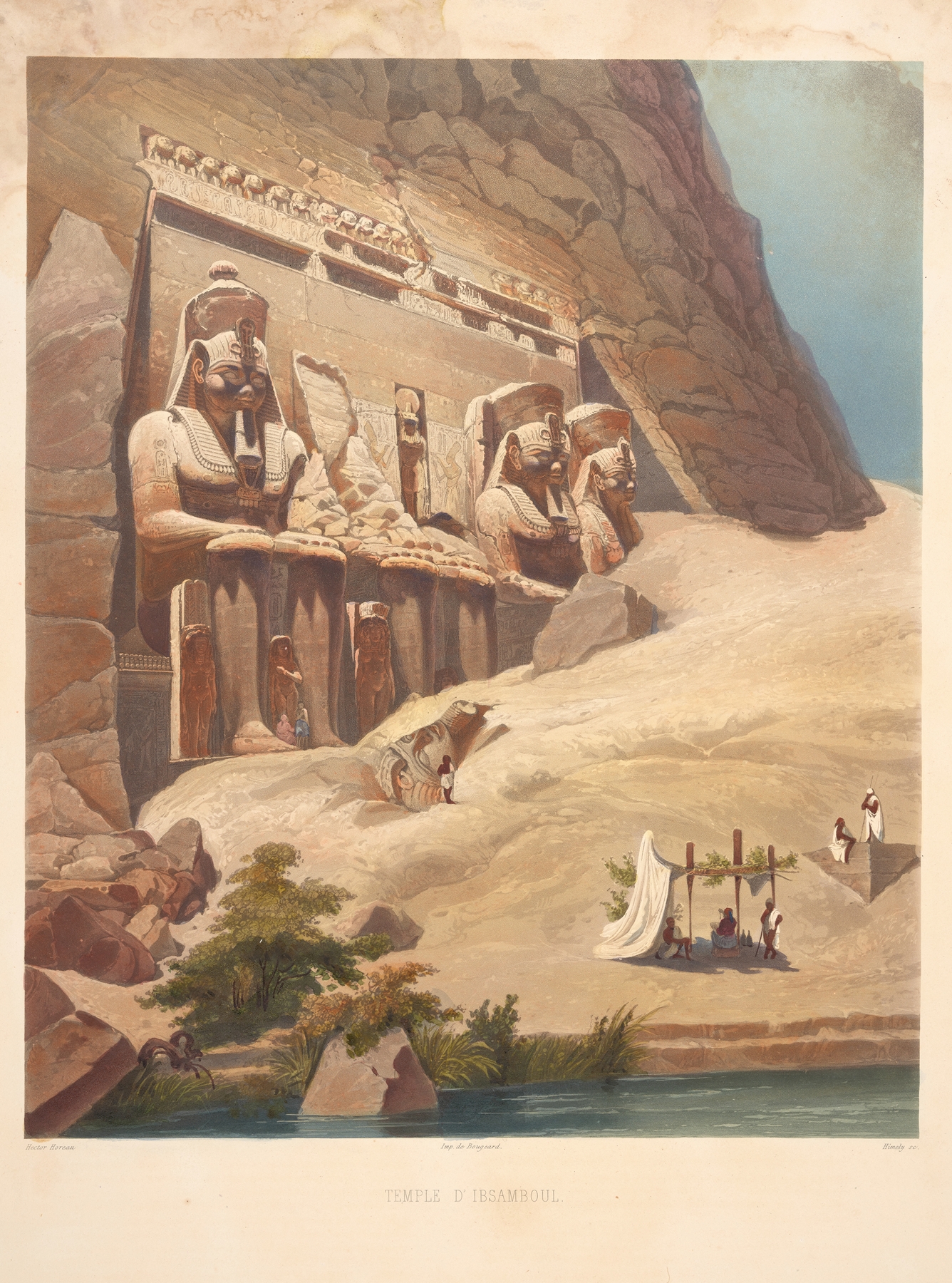
![Temple d’Ibsamboul [Interior view] (Temple of Abu Simbel), by Hector Horeau, public domain](https://froigstrpvutwqtqikzt.supabase.co/storage/v1/object/public/art-images/artworks/3156dbe8015f5681be442de2c2c50af40c84d5e10e8f68f04f9a54d6d857255f.jpg)