Kruisiging — History & Analysis
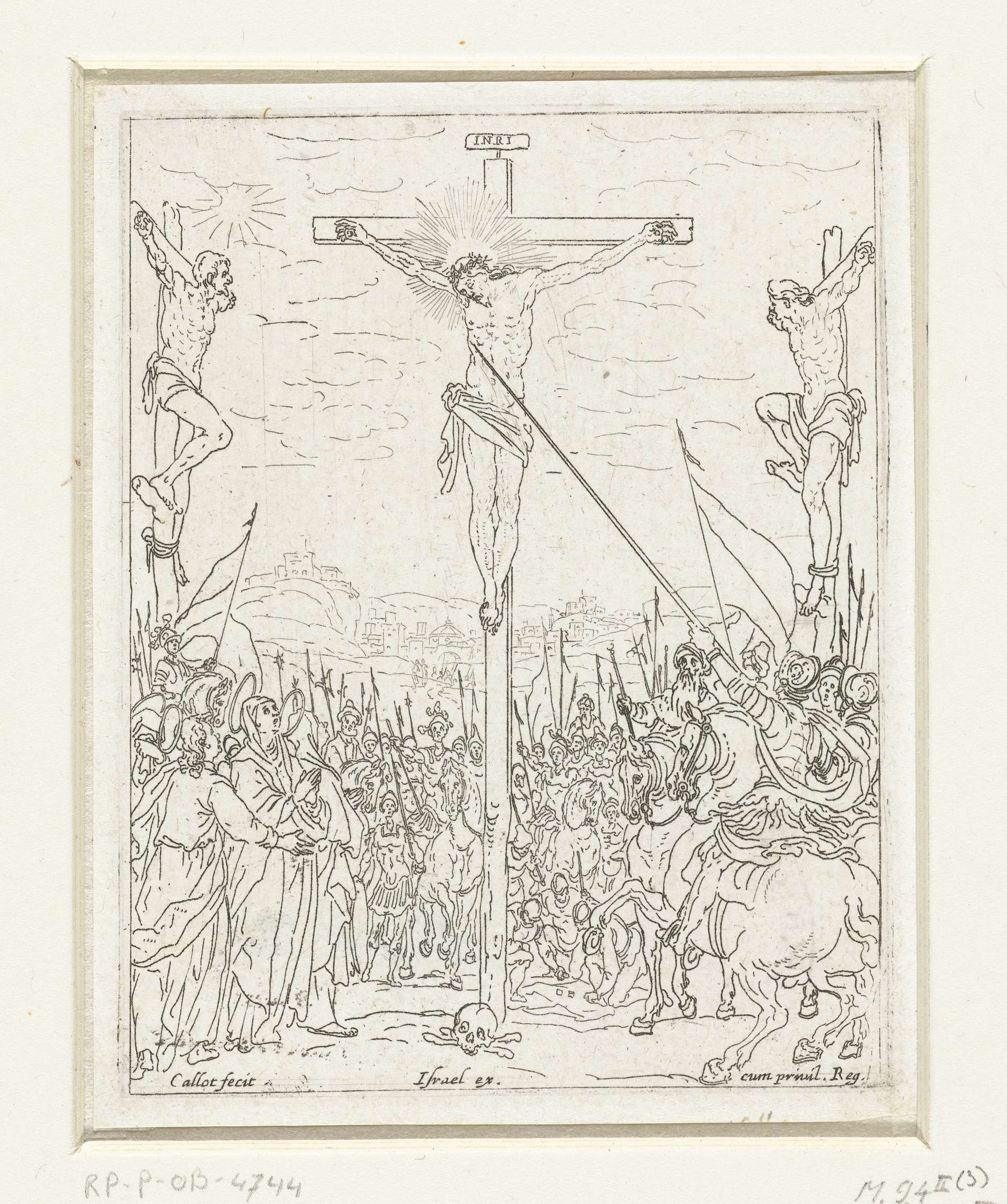
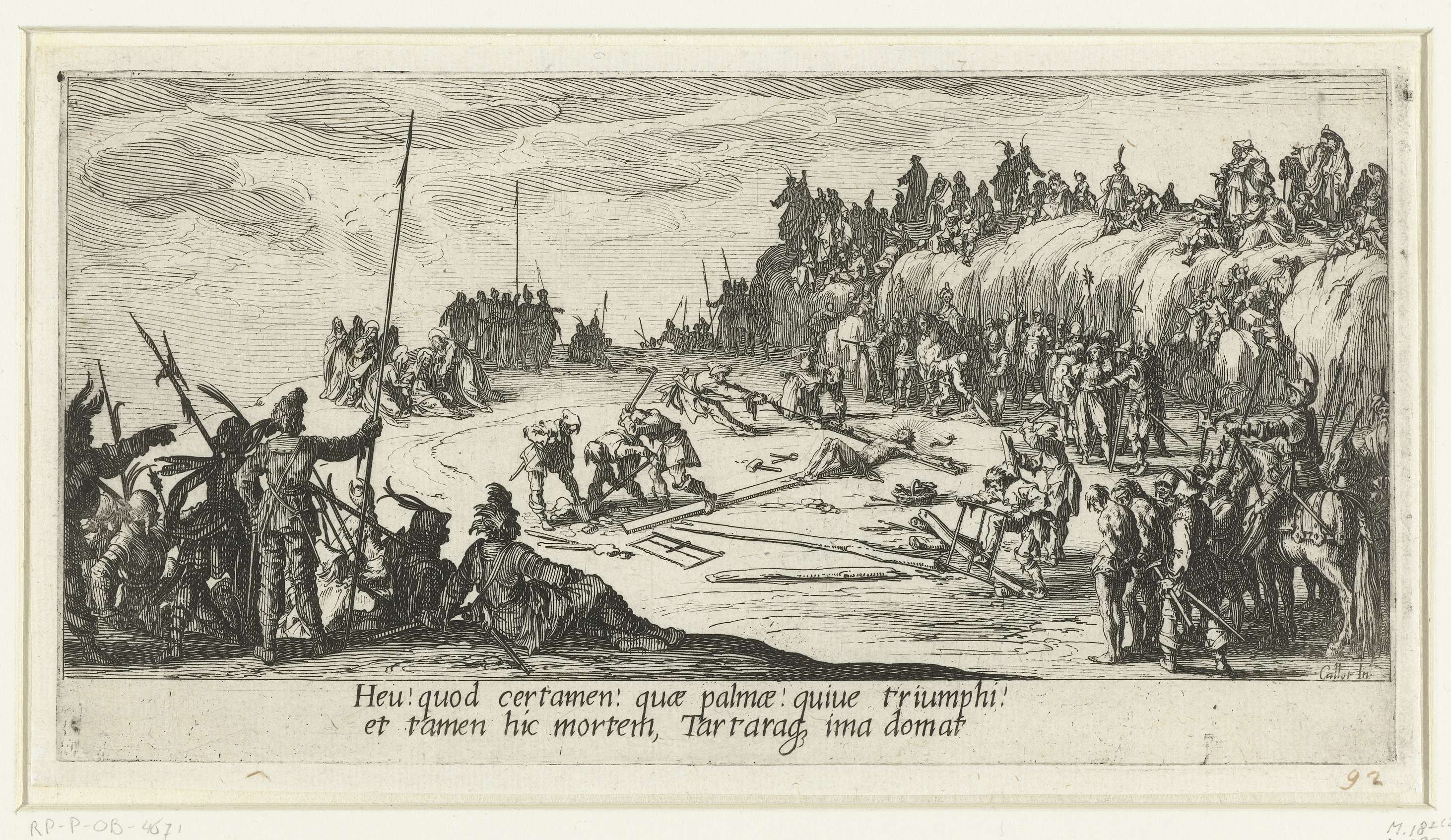
Did the painter know this moment would outlive them? In Kruisiging, silence fills the space, amplifying the weight of each depicted figure and their haunting expressions, as if echoing through time. Look to the center of the composition, where the crucified figure looms, body contorted in agony yet rendered with a delicate grace. Notice how the interplay of light and shadow accentuates the somber tones of the earth and sky, creating a visceral contrast that heightens the emotional gravity of the scene.
The figures surrounding the cross—each face carrying a unique burden—draw your gaze outward, inviting you to witness their shared sorrow and resolute despair. Delve deeper, and you’ll uncover layers of meaning hidden in the details. The anguish of the onlookers, captured in their body language and facial expressions, reflects a spirit of collective mourning. The stark, almost brutal simplicity of the composition contrasts with the ornate beauty of the surrounding landscape, emphasizing the profound juxtaposition between divine suffering and earthly existence.
This tension invites contemplation on sacrifice, faith, and the weight of grief. Composed between 1624 and 1625, the work emerged during a tumultuous period for Jacques Callot, marked by the Thirty Years' War and its accompanying devastation. Living in France, he was profoundly influenced by the shifting tides of the Baroque movement, capturing the human condition in a manner that resonated with his time yet speaks to audiences across centuries.