La Côte rocheuse, ou Rochers au bord de la mer — History & Analysis
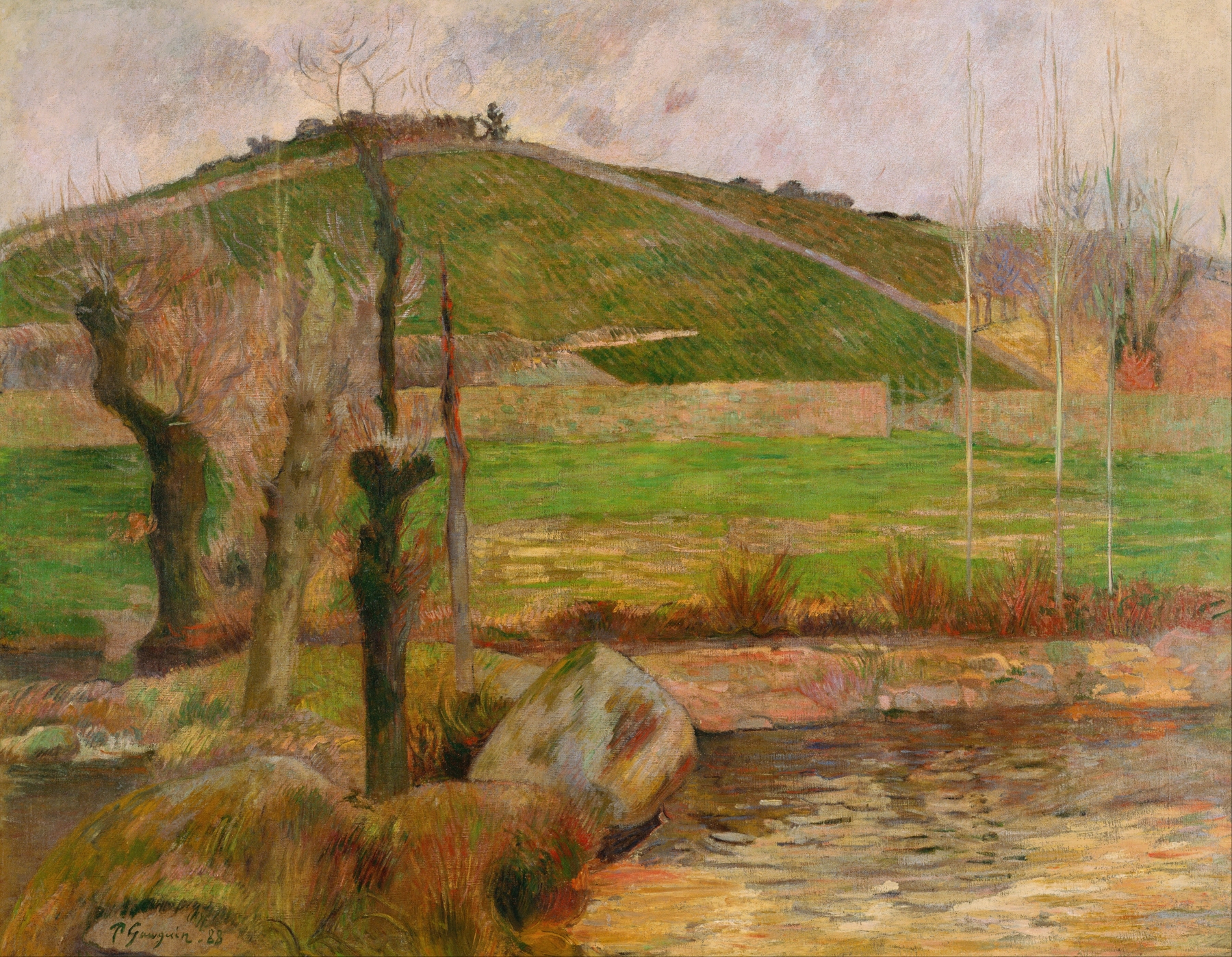
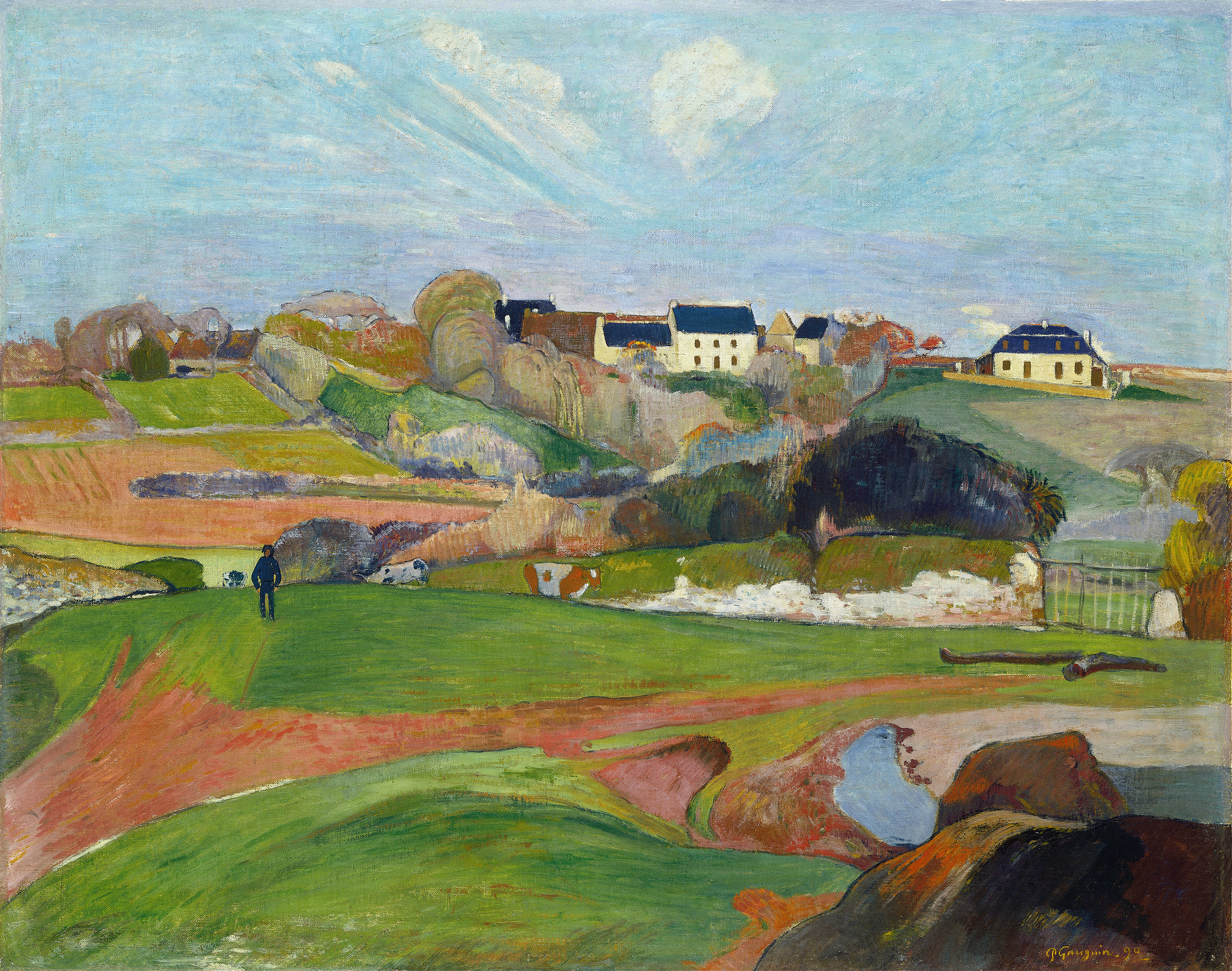
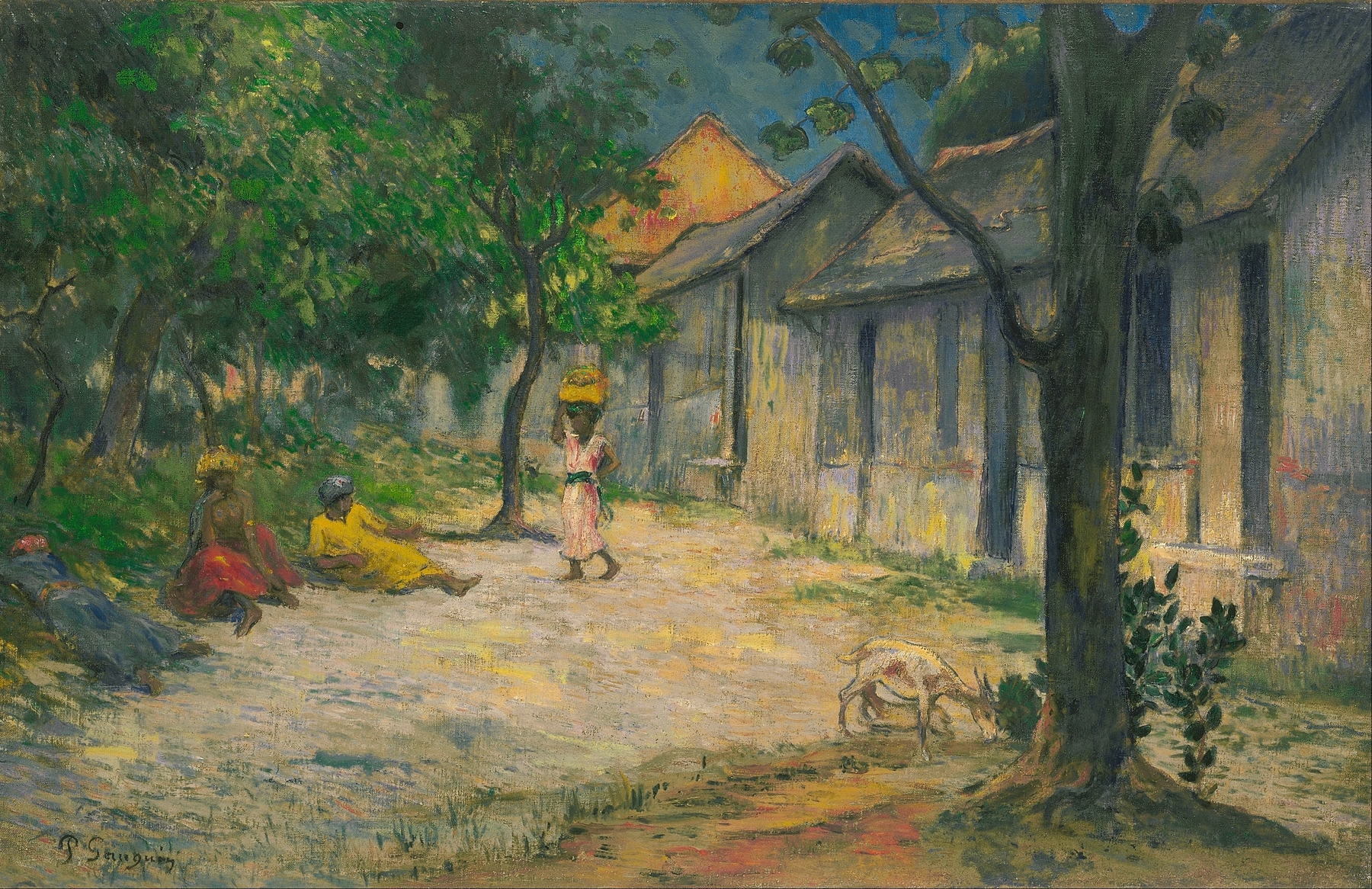
When did color learn to lie? Perhaps it was the moment the sea wove its palette of blues and greens into the heart of a landscape. In La Côte rocheuse, ou Rochers au bord de la mer, serenity reigns, inviting viewers to ponder the depths of tranquility wrapped in vibrant hues. Look to the foreground where rocky formations emerge from the gentle waves, their rugged textures juxtaposed against the smooth surface of the water. The brushstrokes are bold yet tender, each stroke of emerald and azure hinting at the artist’s yearning for a deeper connection with nature.
Notice how the sun-drenched rocks are caressed by soft shadows, creating a dynamic interplay of light and form that draws the eye across the canvas. Yet, beneath this serene surface lies a tension between the wildness of nature and the artist’s delicate touch. The sharp, jagged edges of the rocks contrast sharply with the fluidity of the water, suggesting a struggle between permanence and transience. This juxtaposition invites contemplation on the relationship between man and nature—how one might seek solace in the chaos of existence.
The color choices evoke not just beauty, but an emotional landscape that resonates with the viewer's longing for peace. In 1886, Gauguin painted this work while living in Pont-Aven, Brittany, a time when he was exploring Post-Impressionism and seeking new ways to express his artistic vision. The region's landscapes captivated him, shaping his experimentation with color and form. This period marked a significant shift in his career, as he moved away from conventional representation toward a more emotive, symbolic language, reflecting both his personal aspirations and the broader evolution within the art world.