La Maison au toit rouge — History & Analysis
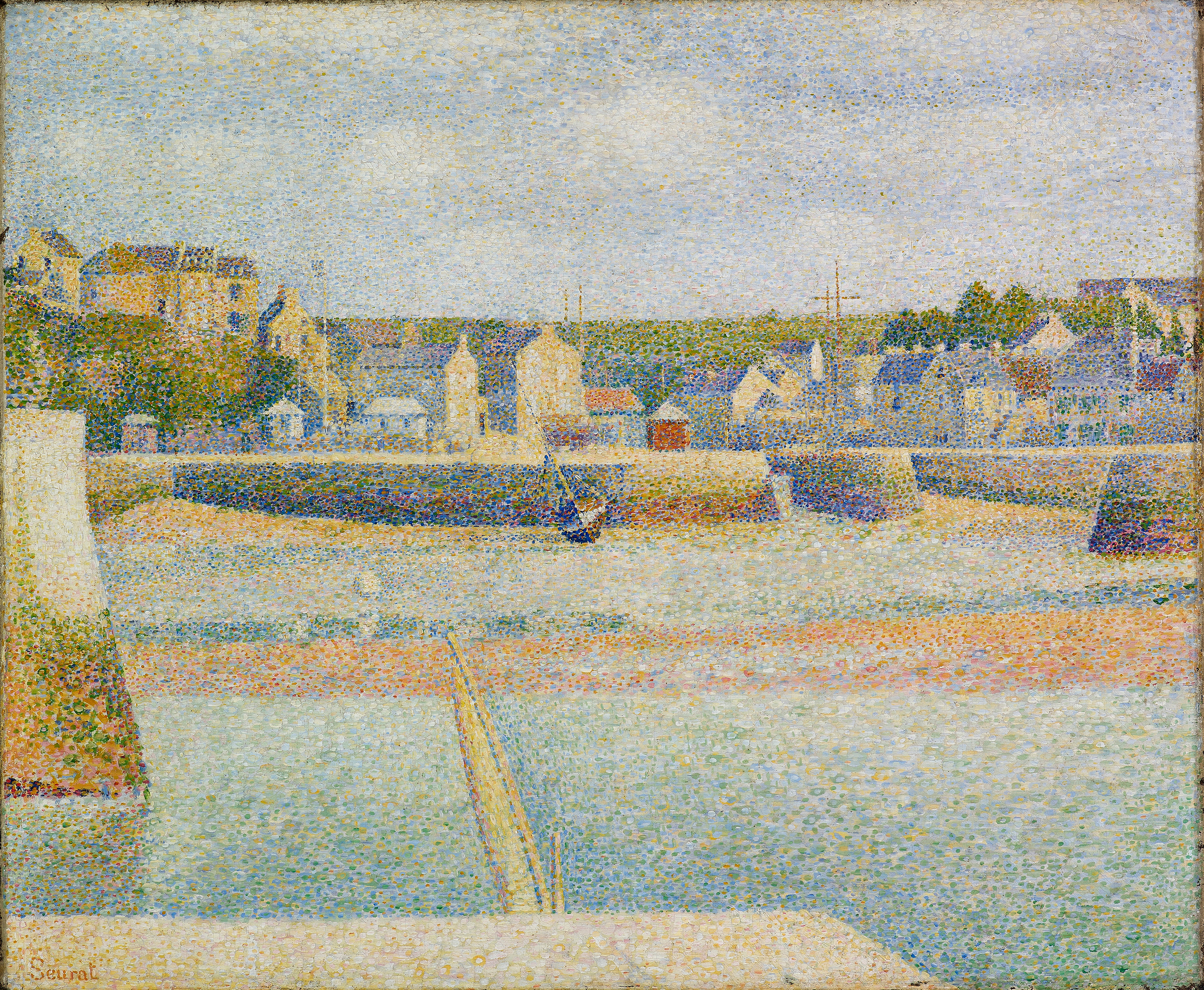
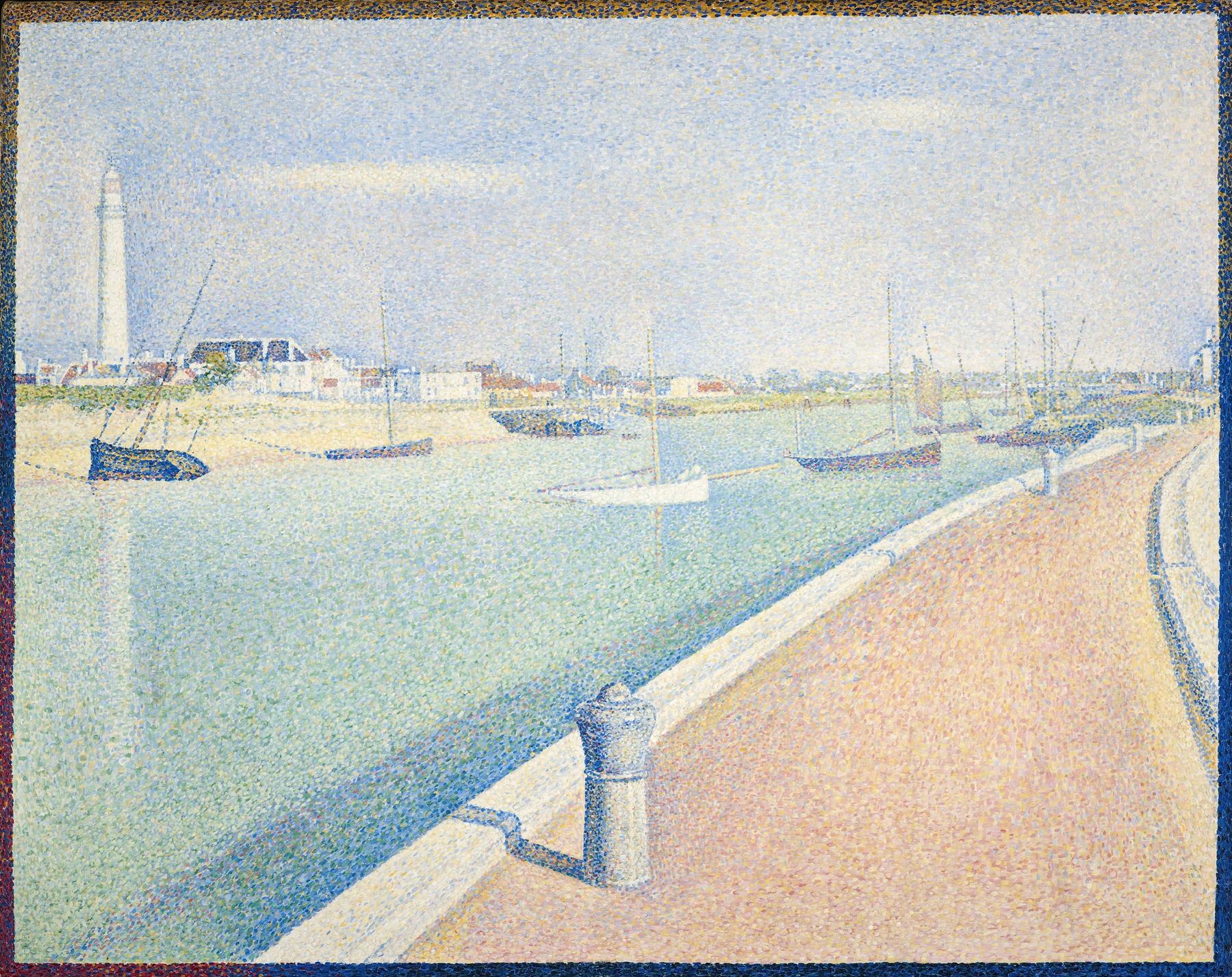
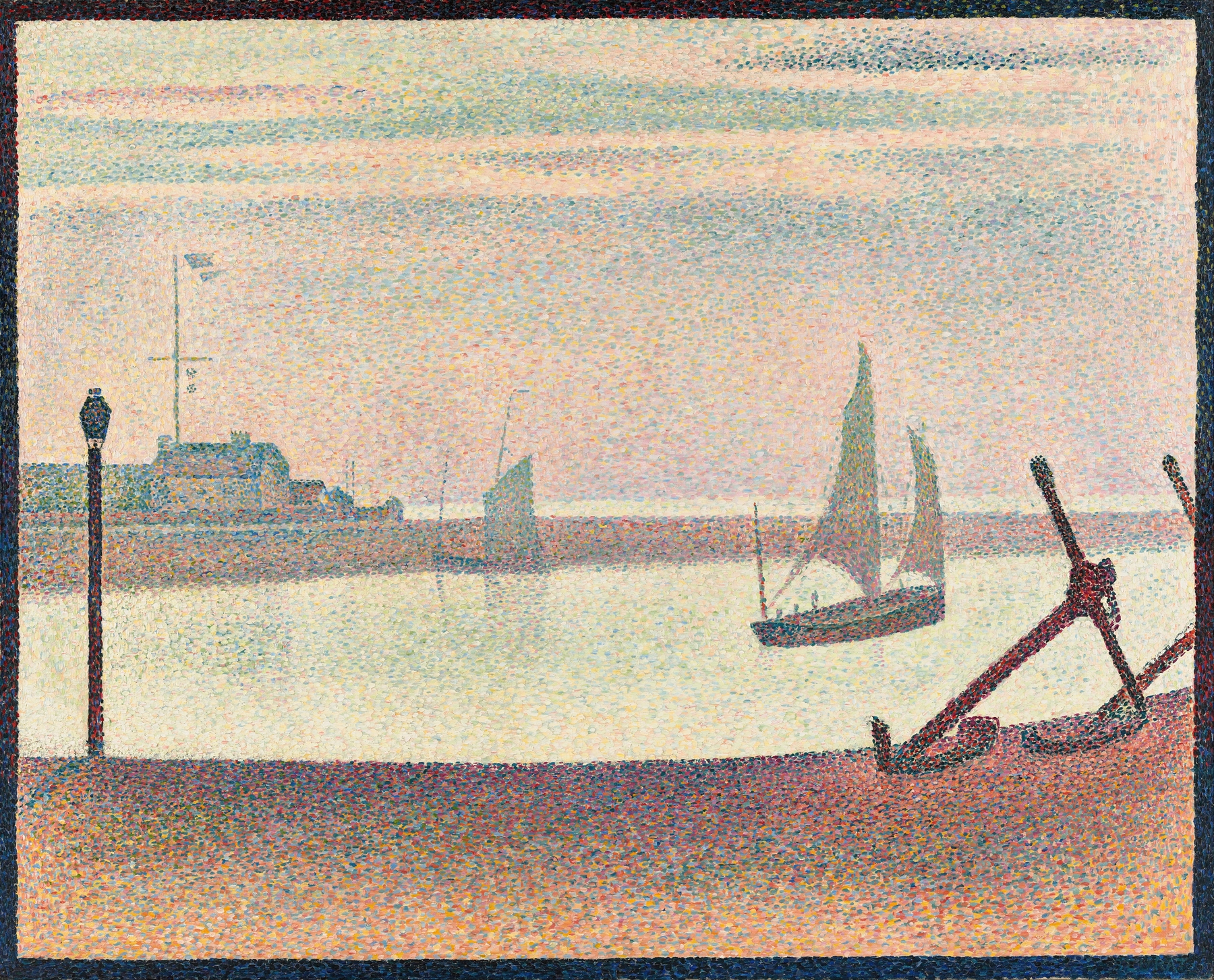
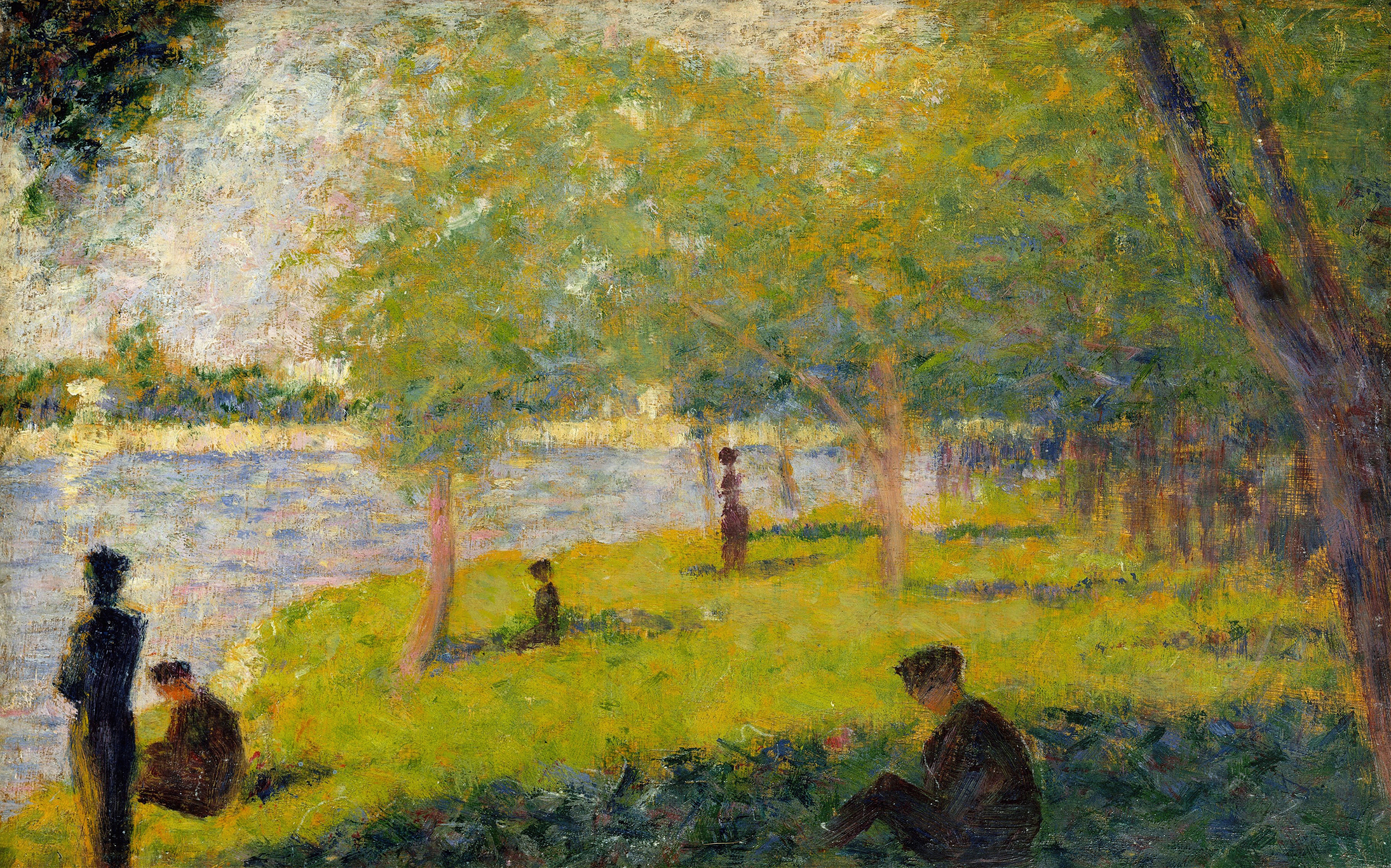
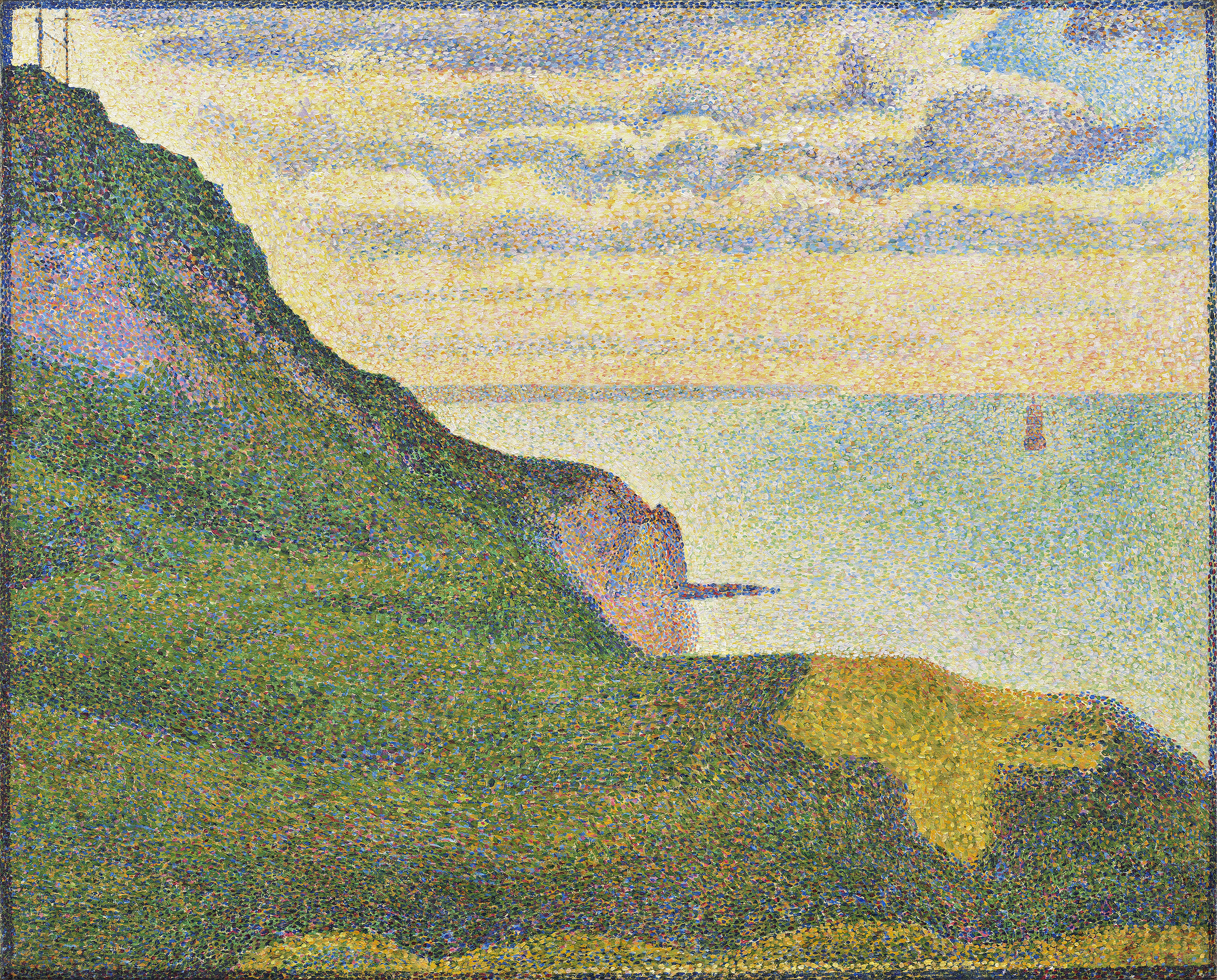
When did color learn to lie? Within the stillness of La Maison au toit rouge, beauty is not just witnessed but questioned, revealing the deceptive charm that lingers behind vibrant hues. Look to the left at the quaint, red-roofed house, its warmth contrasting with the cool blue sky overhead. The meticulous pointillist technique invites your gaze to dance across the canvas, as tiny dots of color merge to form a harmonious whole.
Notice how the light glimmers softly on the roof and reflects off the serene water, creating a serene balance within the composition that is both inviting and elusive. Yet, beneath the surface lies a deeper tension—a juxtaposition of nature and human presence, the foreground bustling with life while the background represents solitude. The repetitive patterns of brushstrokes suggest a cycle of existence, hinting at the unending passage of time while the vibrant colors evoke fleeting beauty. The house stands as a silent observer, perhaps a metaphor for our longing for permanence amid transience.
In 1883, during Seurat's early explorations of color theory and innovative techniques in Paris, he was immersed in the burgeoning movement of Post-Impressionism. The city was alive with artistic experimentation, and this piece captures his fascination with how color could convey emotion and structure. The artist was striving to create a new visual language, one that would later influence countless generations, making his work not just relevant then but eternally resonant now.