La Rue Quesnoy À Saint-Valéry-Sur-Somme — History & Analysis
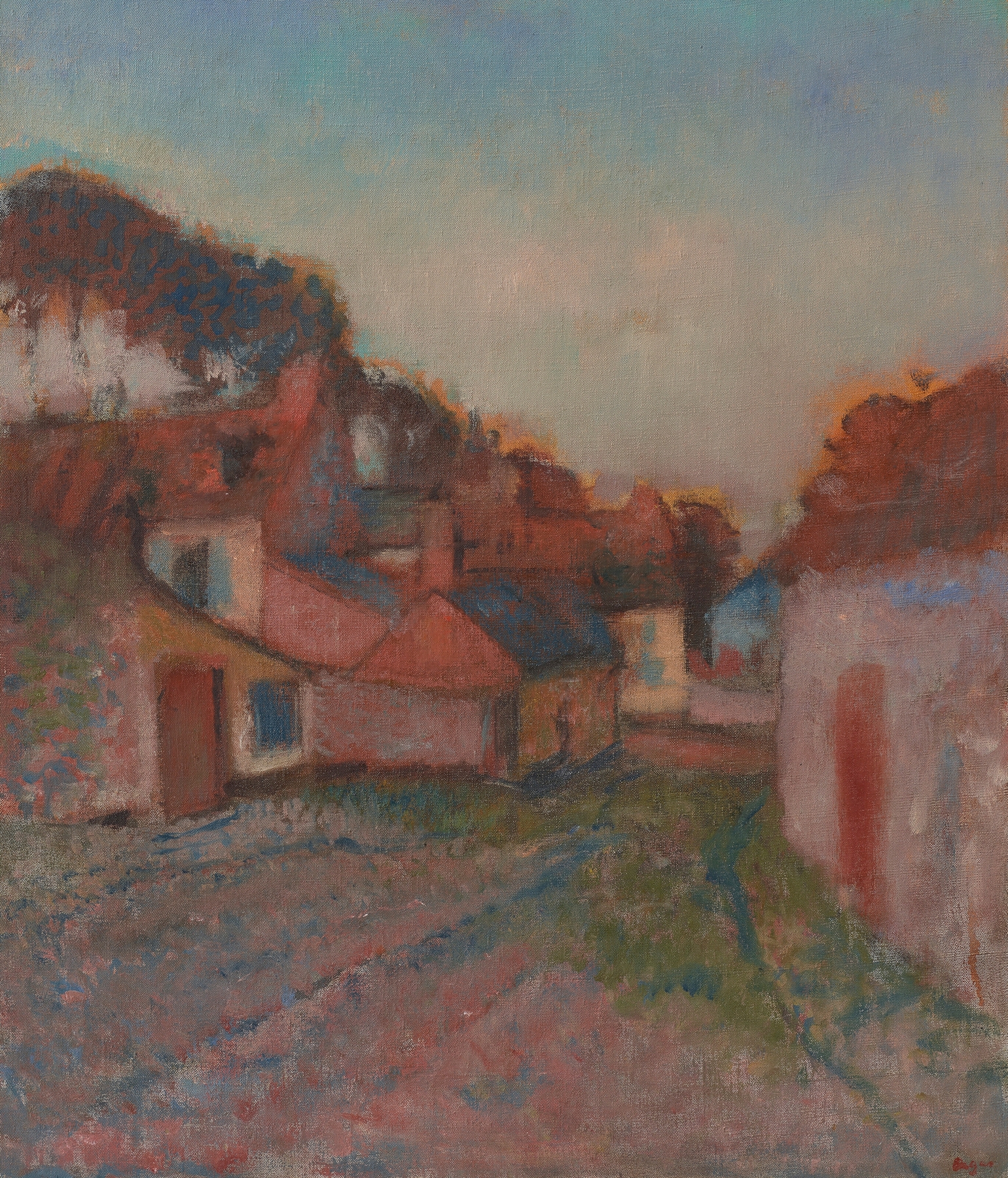
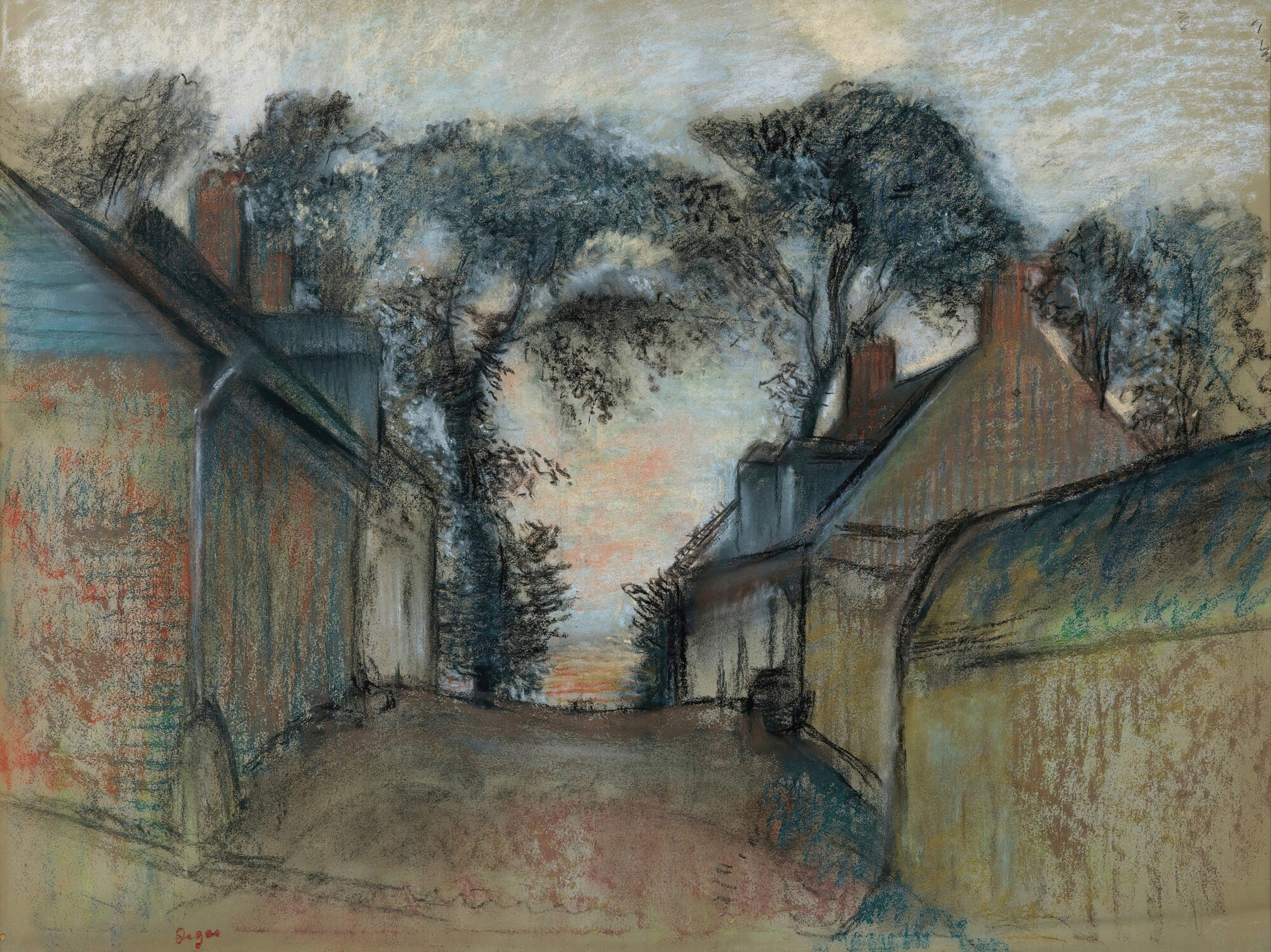
Can paint confess what words never could? In La Rue Quesnoy À Saint-Valéry-Sur-Somme, the brushstrokes whisper secrets of longing and loss, capturing a moment suspended in time. Look to the left at the solitary figure dressed in muted hues, walking down the cobblestone street. Notice how the soft, dappled light filters through leafy branches, casting delicate shadows that dance upon the ground.
The composition is framed by the architecture of the houses, which rise gently in the background, creating a sense of containment and intimacy. The warm palette draws the viewer in, while the loose brushwork invites a fleeting, almost melancholic beauty. Beneath its surface, the painting pulses with an undercurrent of solitude. The lone figure seems both part of the scene and acutely separate from it, suggesting a narrative of isolation amid a familiar landscape, perhaps reflecting the artist's own emotional battles.
The interplay of light and shadow symbolizes the moments of joy overshadowed by sorrow—a reminder that even in serene settings, loss lingers in the air, palpable and poignant. Degas created this evocative piece between 1895 and 1898 in the coastal town of Saint-Valéry-sur-Somme. At this time, he was grappling with personal transitions and the evolving art world, marked by Impressionism’s decline and the rise of new movements. Each brushstroke reflects his introspection, revealing an artist caught between the past and an uncertain future, mirroring the sentiments of loss that permeate the canvas.