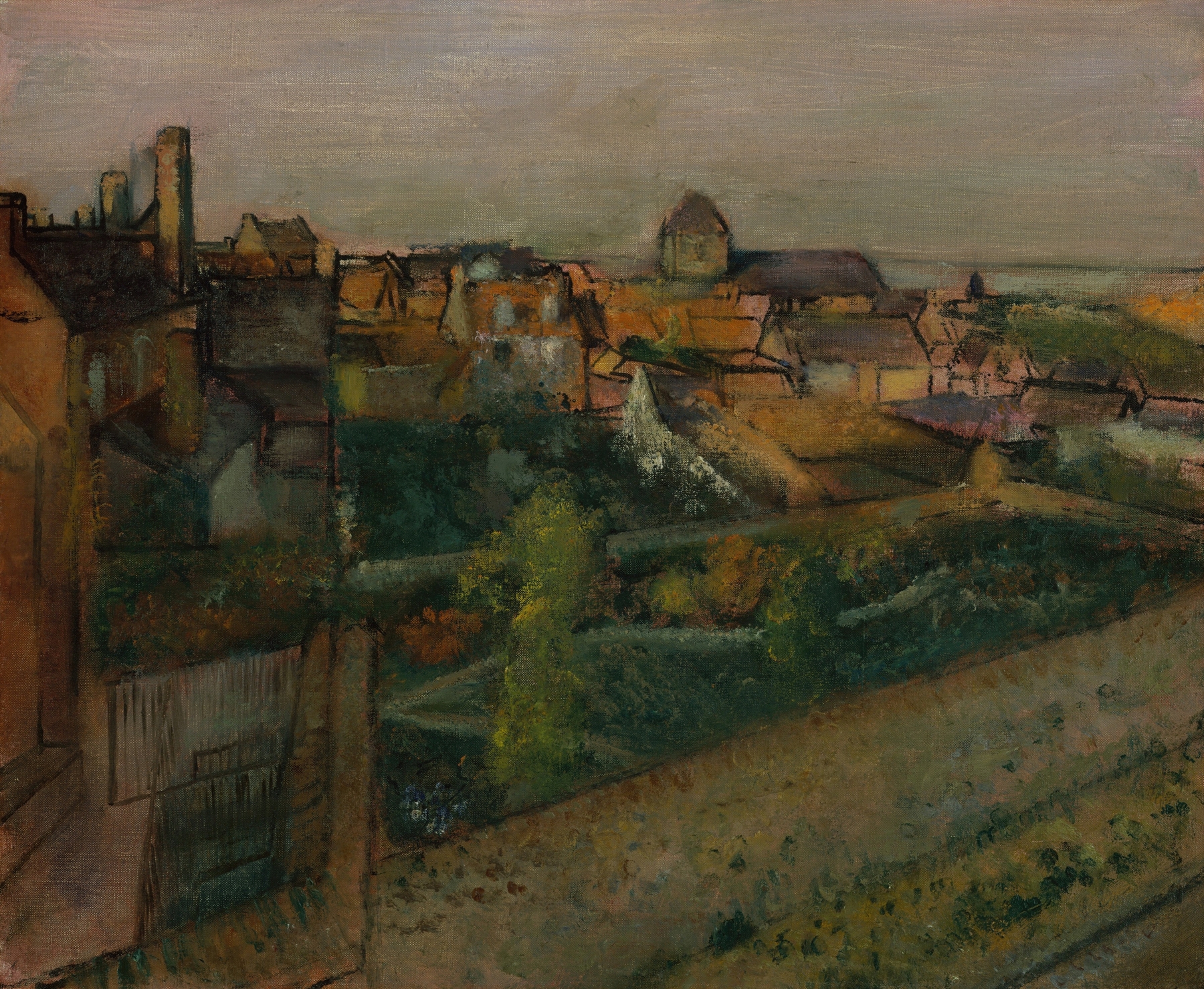
View of Saint-Valéry-sur-Somme — History & Analysis
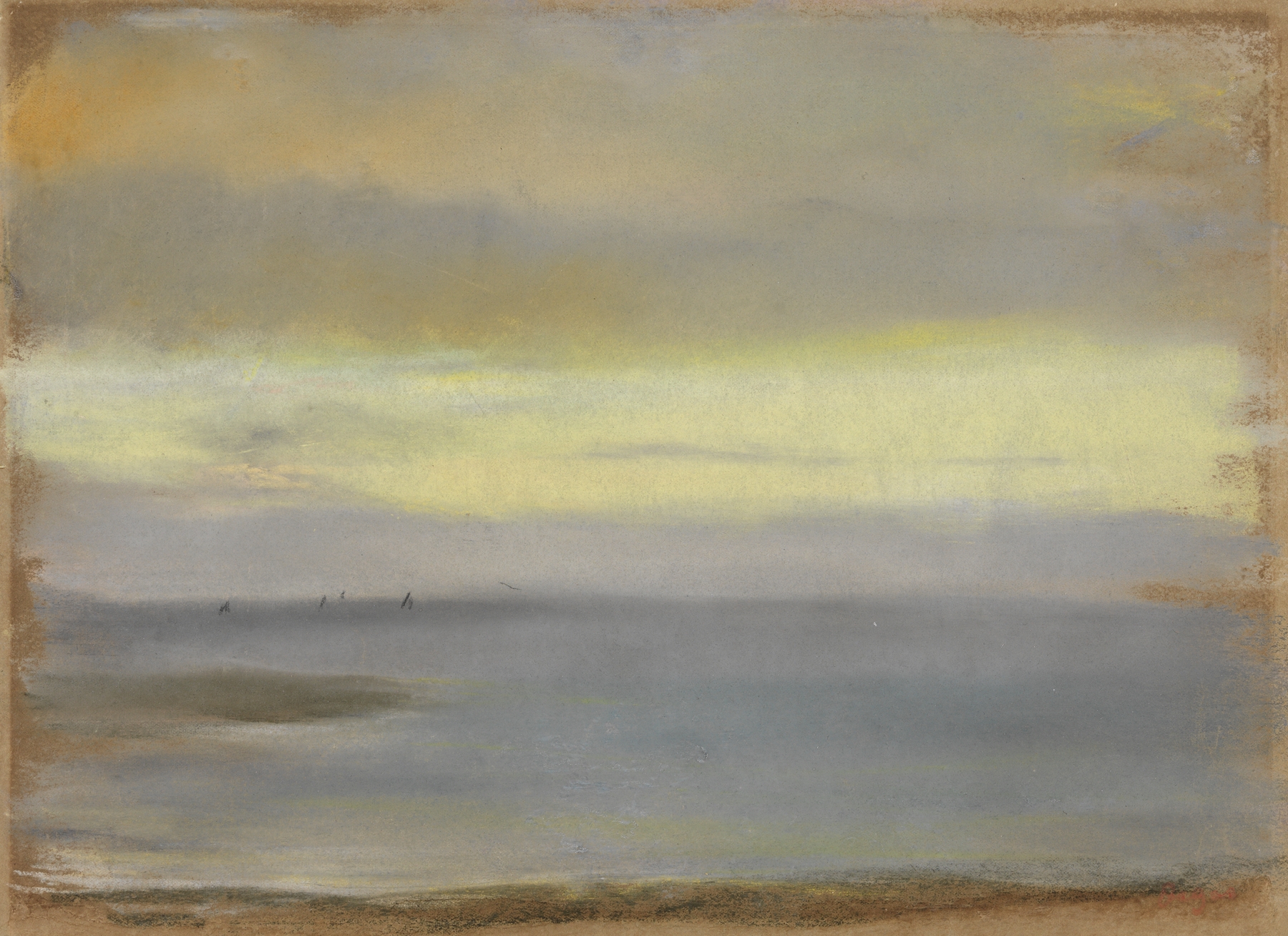
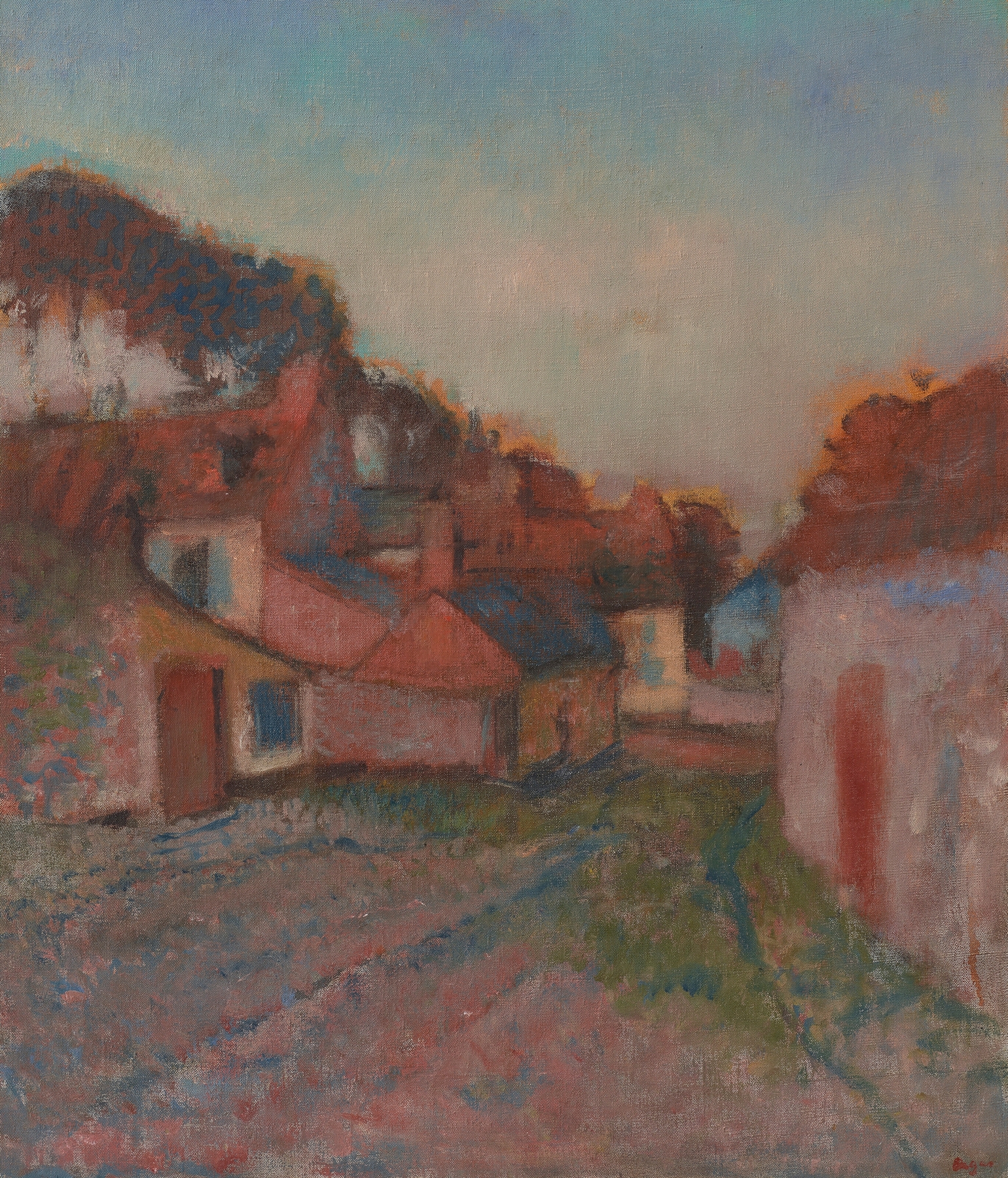
Where does light end, and longing begin? In the world of art, few moments capture this delicate interplay as profoundly as in View of Saint-Valéry-sur-Somme. Look at the hazy horizon first, where soft, muted colors bleed into one another, creating a dreamlike quality. The sky, awash in pale blues and gentle grays, melds seamlessly with the shimmering water below, hinting at an ethereal connection between land and sea.
Notice how the figures in the foreground seem almost suspended, absorbed in their own contemplations, while the faint outlines of distant boats suggest a life beyond the canvas, a world that echoes with the whispers of adventurers. The painting breathes with a sense of quiet melancholy, revealing a tension between presence and absence. The shimmering light on the water symbolizes hope and desire, while the muted tones evoke an underlying sadness. Each brushstroke speaks of longing, perhaps for a place or a moment that eludes grasp.
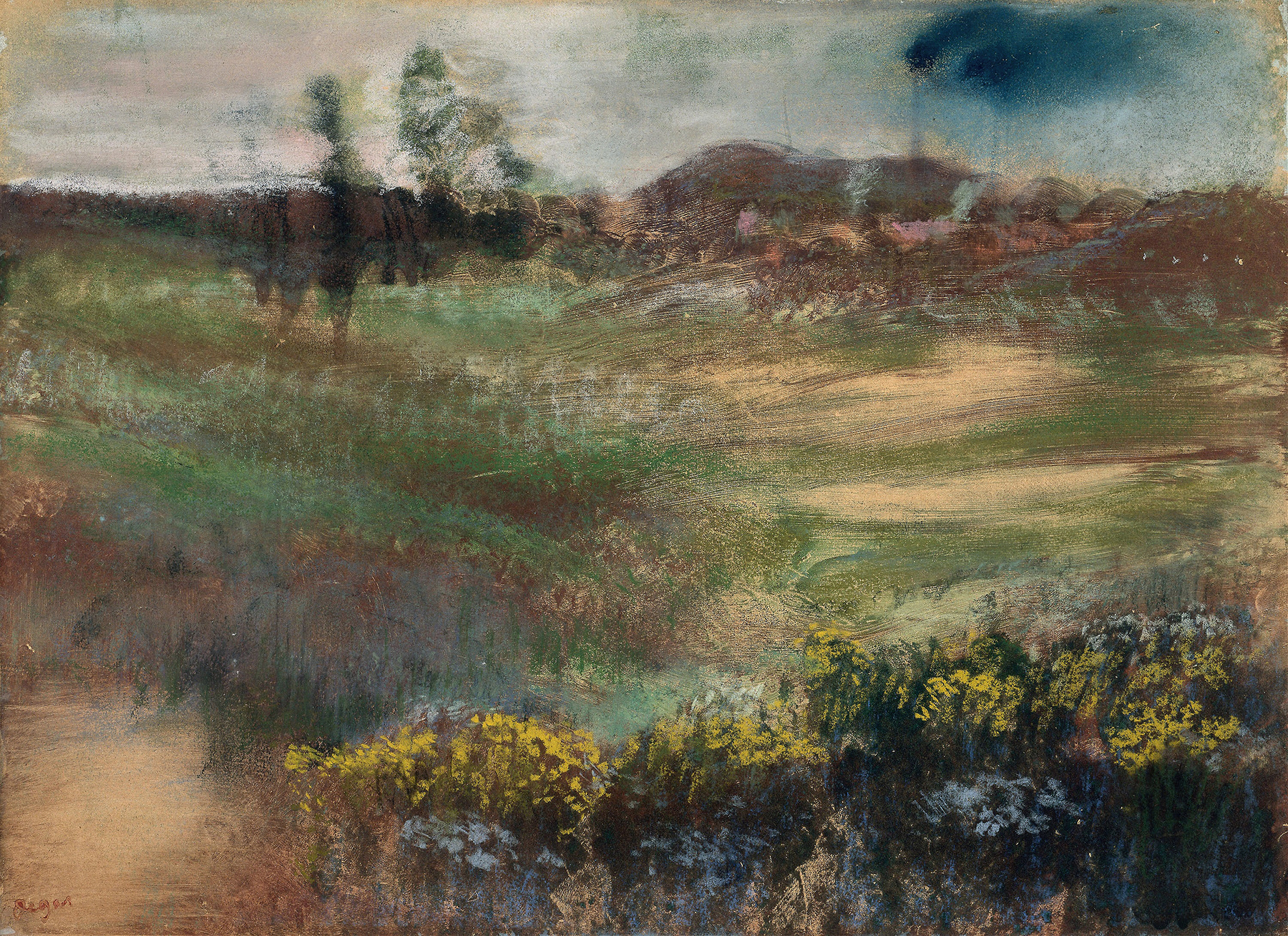
This interplay between light and shadow invites the viewer to ponder the uncharted depths of their own emotions, reflecting the universal human experience of yearning. During the late 19th century, the artist was in a period of exploration, seeking to transcend the boundaries of Impressionism while grappling with the changes in his own life. Completed between 1896 and 1898, this piece emerged from a time when Degas was increasingly drawn to landscapes, as he distanced himself from his earlier focus on ballet and the human figure. The world of art was rapidly evolving, and in this work, he captured both the external beauty of Saint-Valéry-sur-Somme and the internal landscapes of the heart.