The Races — History & Analysis
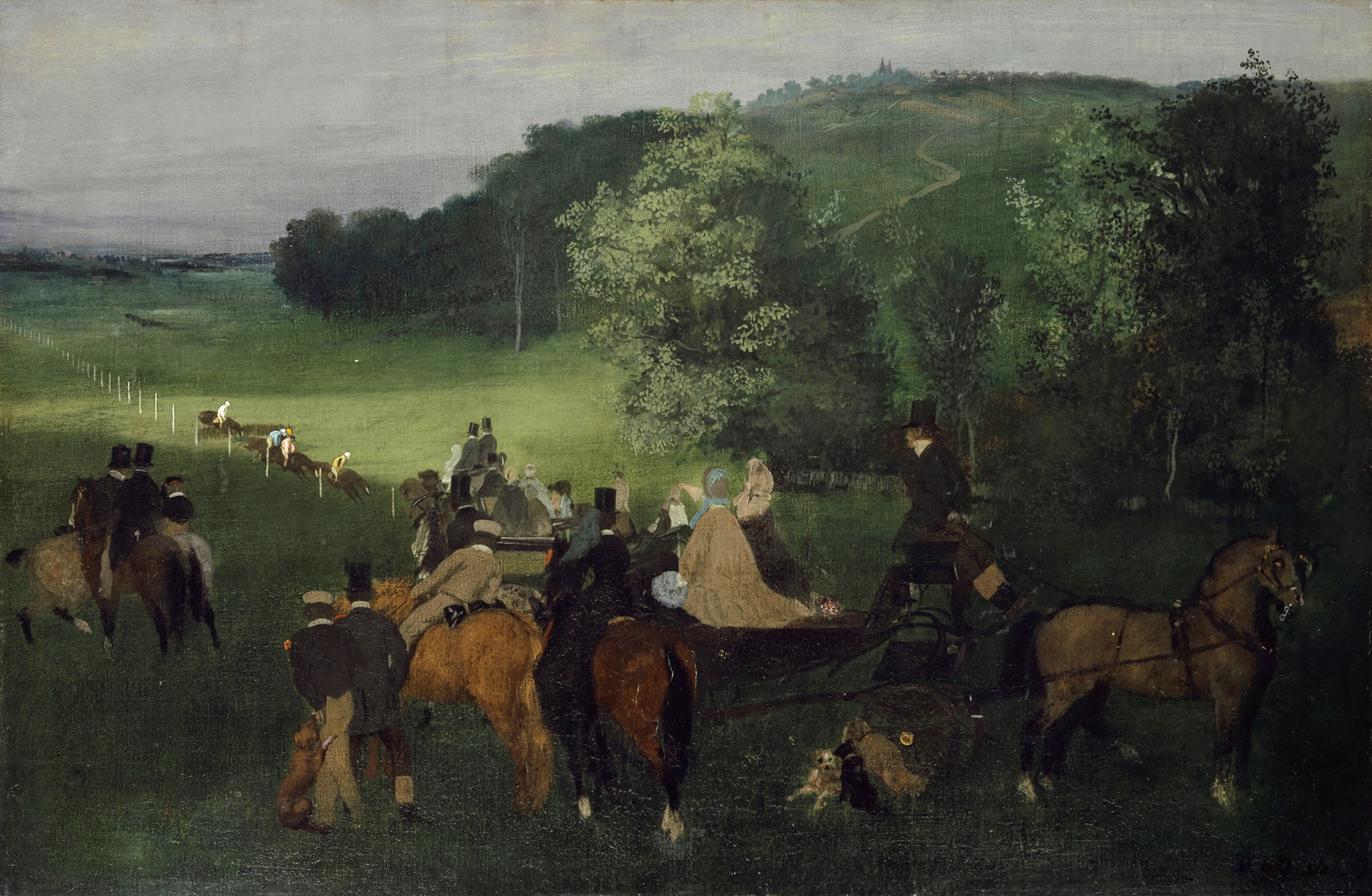
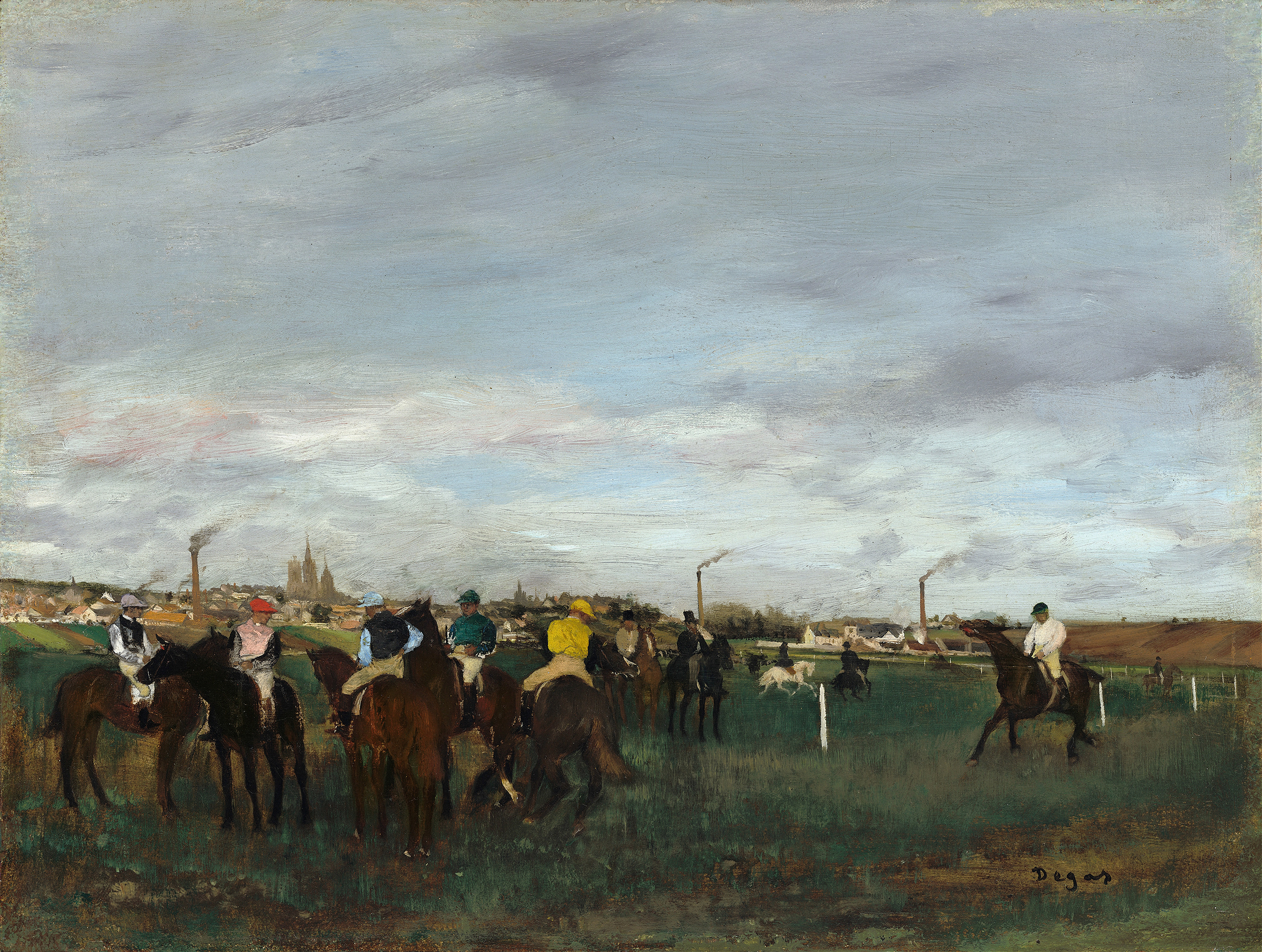
“The canvas doesn’t lie — it simply waits.” In that shimmering stillness, beauty finds its voice, quietly commanding the viewer's gaze and reflection. Look to the vibrant left side of the canvas where horses charge forward, muscles taut under their glossy coats, each stride echoing an unspoken urgency. The delicate strokes capture the tumult of motion, while the muted palette softens the fierce energy, creating a mesmerizing contrast. The background, with its blurred spectators, adds depth, drawing our eyes to the action while subtly reminding us of the collective breath held in anticipation.
Beneath the surface, tension arises from the interplay of elegance and chaos. The vivid sharpness of the racers against the hazy figures signifies the ephemeral nature of both beauty and triumph. In the subtle expressions of the onlookers, we sense a mixture of hope and anxiety, reflecting the weight of competition and the universality of desire. Each horse and rider embodies a fleeting moment, a testament to the relentless passage of time, as we are reminded that beauty often exists in motion, defying permanence.
In the early 1870s, Degas was navigating the vibrant art scene in Paris, absorbing the influences of Impressionism while pursuing his unique vision. The Races, created between 1871 and 1872, marks a period of intense exploration for him as he sought to capture the essence of movement and modern life. This work showcases his innovative use of perspective, blending the raceway's dynamic energy with the quiet beauty inherent in both horses and humanity.