Landscape with Smokestacks — History & Analysis
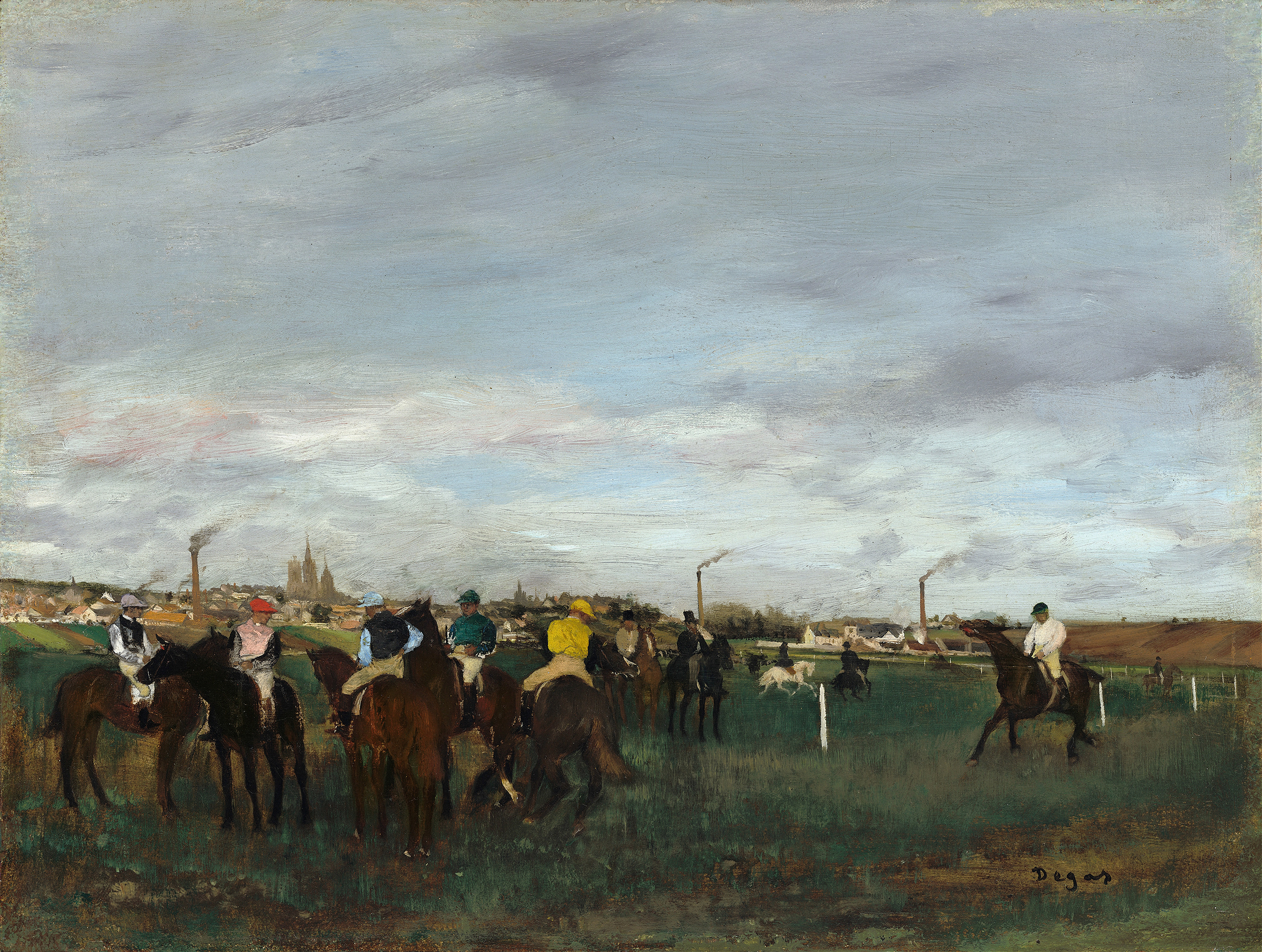
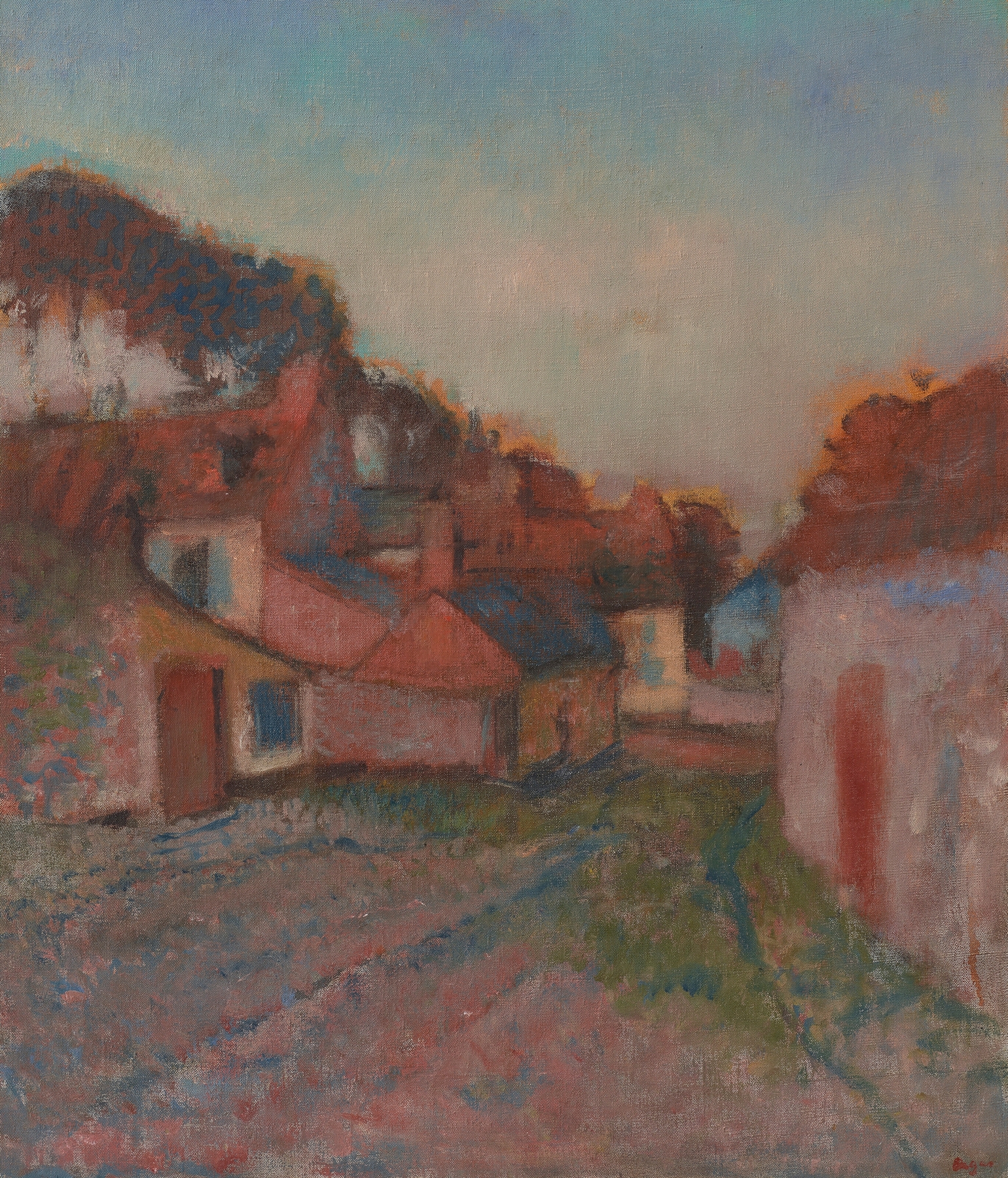
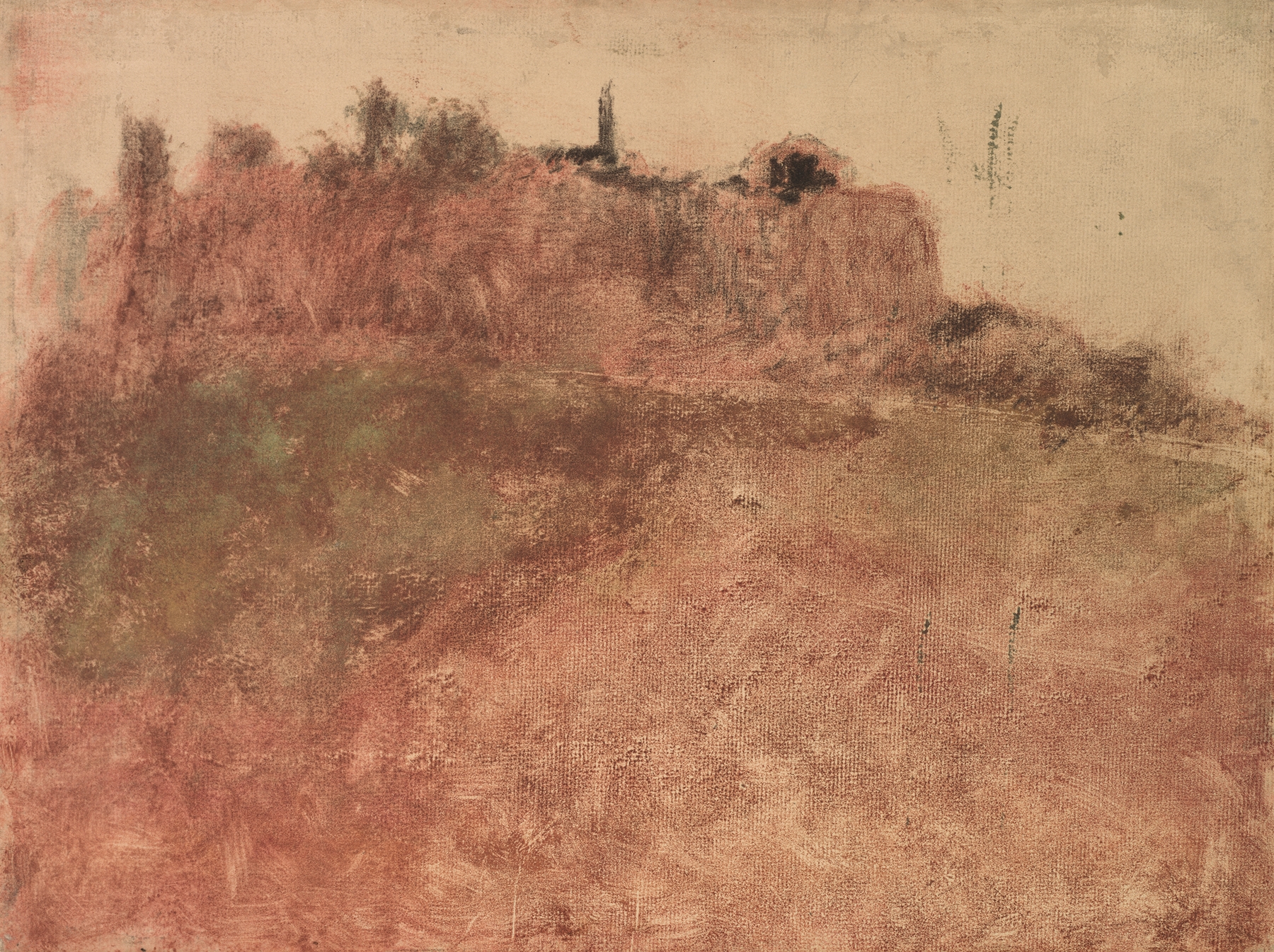
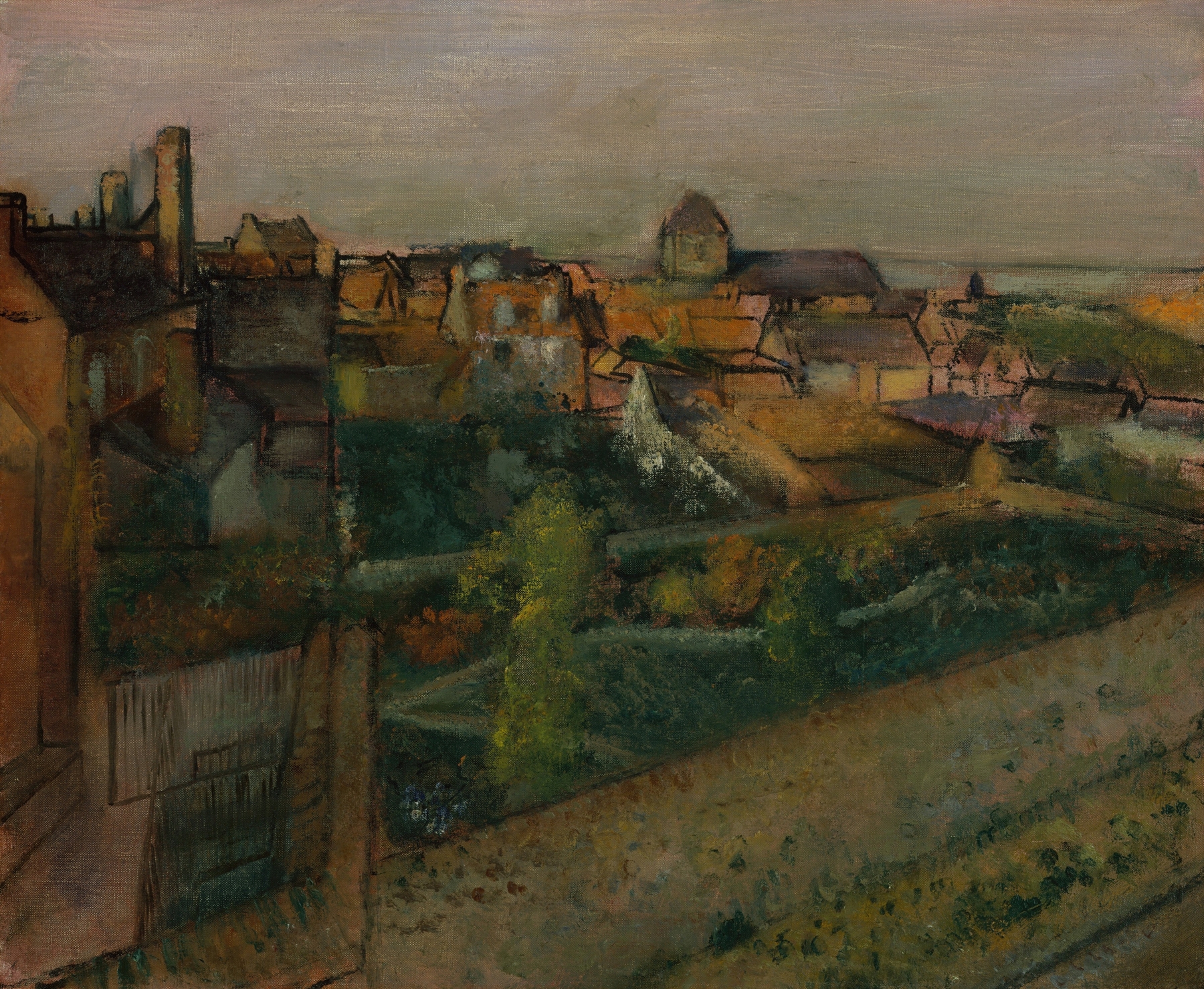
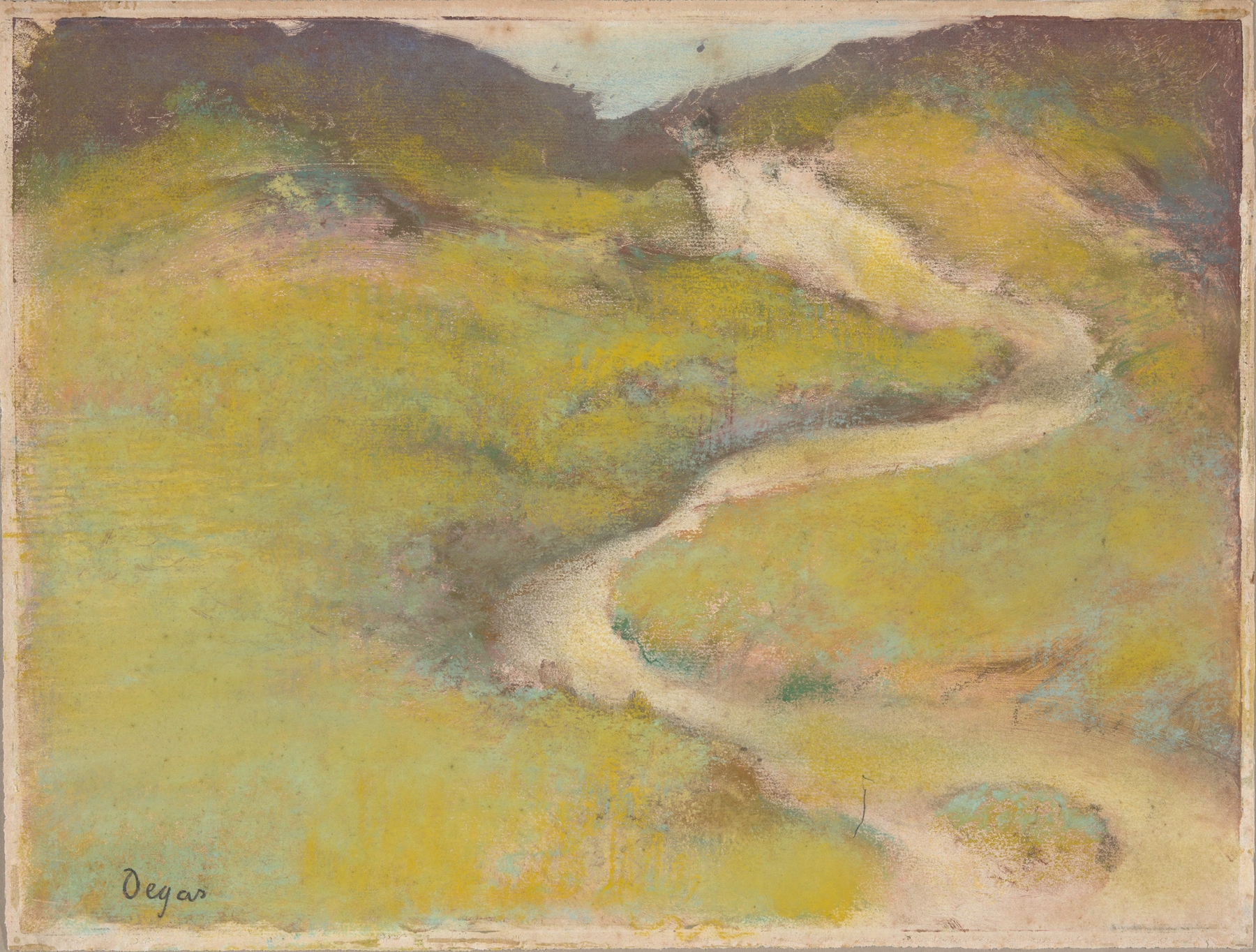
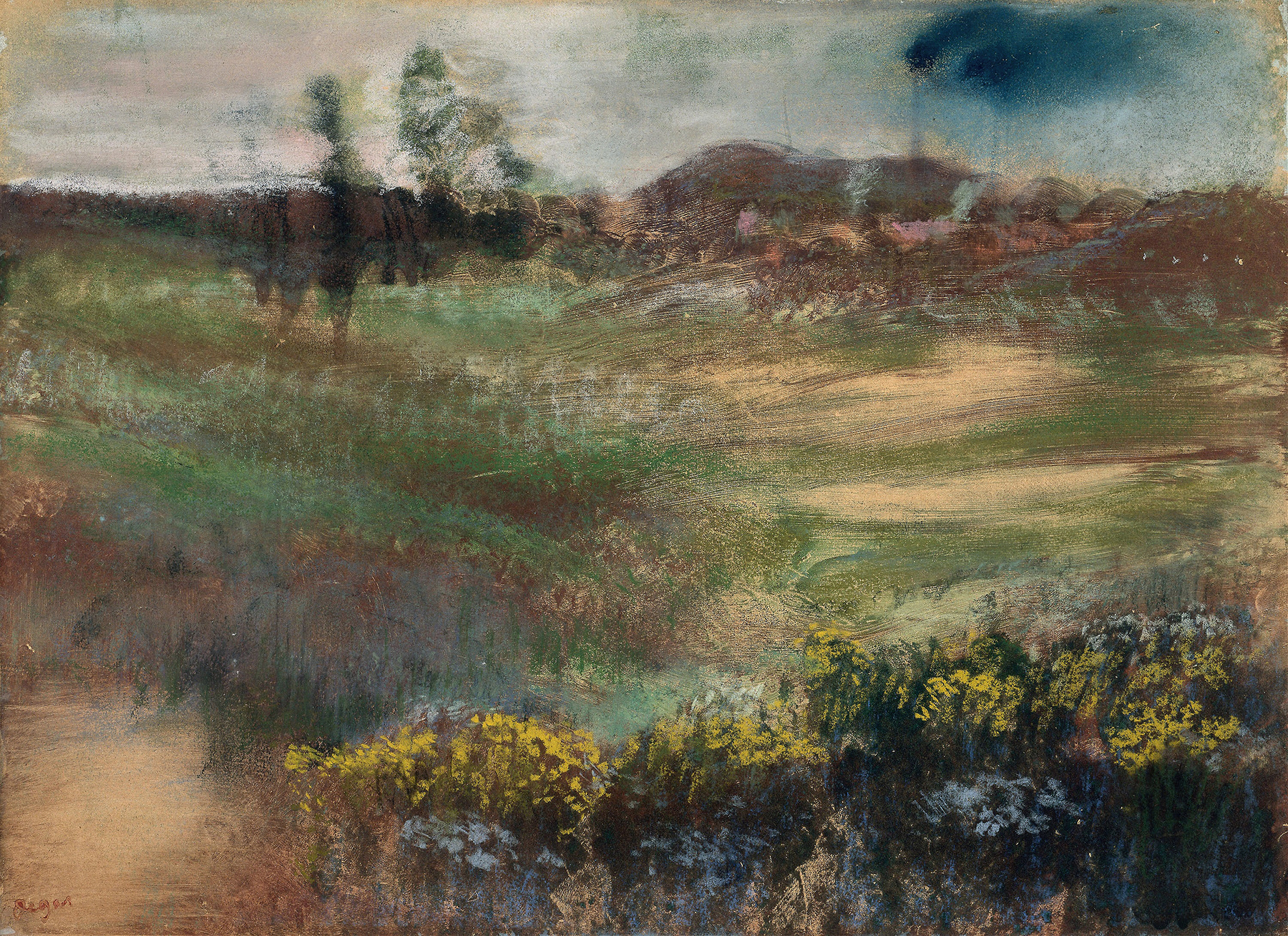
Can paint confess what words never could? In Landscape with Smokestacks, a whisper of industry weaves through the air, softly promising renewal amid the haze. Look to the horizon where the soft, muted colors of dawn blend into the cool blues and grays of the sky. Notice how the smokestacks rise majestically, their silhouettes sharp against the gentle light.
The brushwork is fluid yet precise, conveying movement that breathes life into the landscape—an interplay of earth and sky brought together by the artist’s deft hand. The warm earth tones below contrast starkly with the ashen plumes above, establishing a dialogue between nature and industry. Beneath the surface lies a rich tension: the promise of rebirth in the encroaching smoke, alongside the shadows of technological advancement. Here, the natural world is met with the relentless march of human innovation, a juxtaposition that reflects the complexities of progress.
Each plume of smoke seems to carry stories of transformation, inviting contemplation on what is lost and what is born anew in the face of change. During the years 1890–1893, the artist created this poignant work while living in Paris, where the bustling industrial landscape profoundly influenced his perspective. This period marked a shift in his focus, as he departed from the confines of ballet and intimate scenes to explore broader societal themes. The world around him was evolving rapidly, with the birth of modernity reshaping cities and lives, a transformation that resonates deeply in this artwork.