La salute; Dawn — History & Analysis
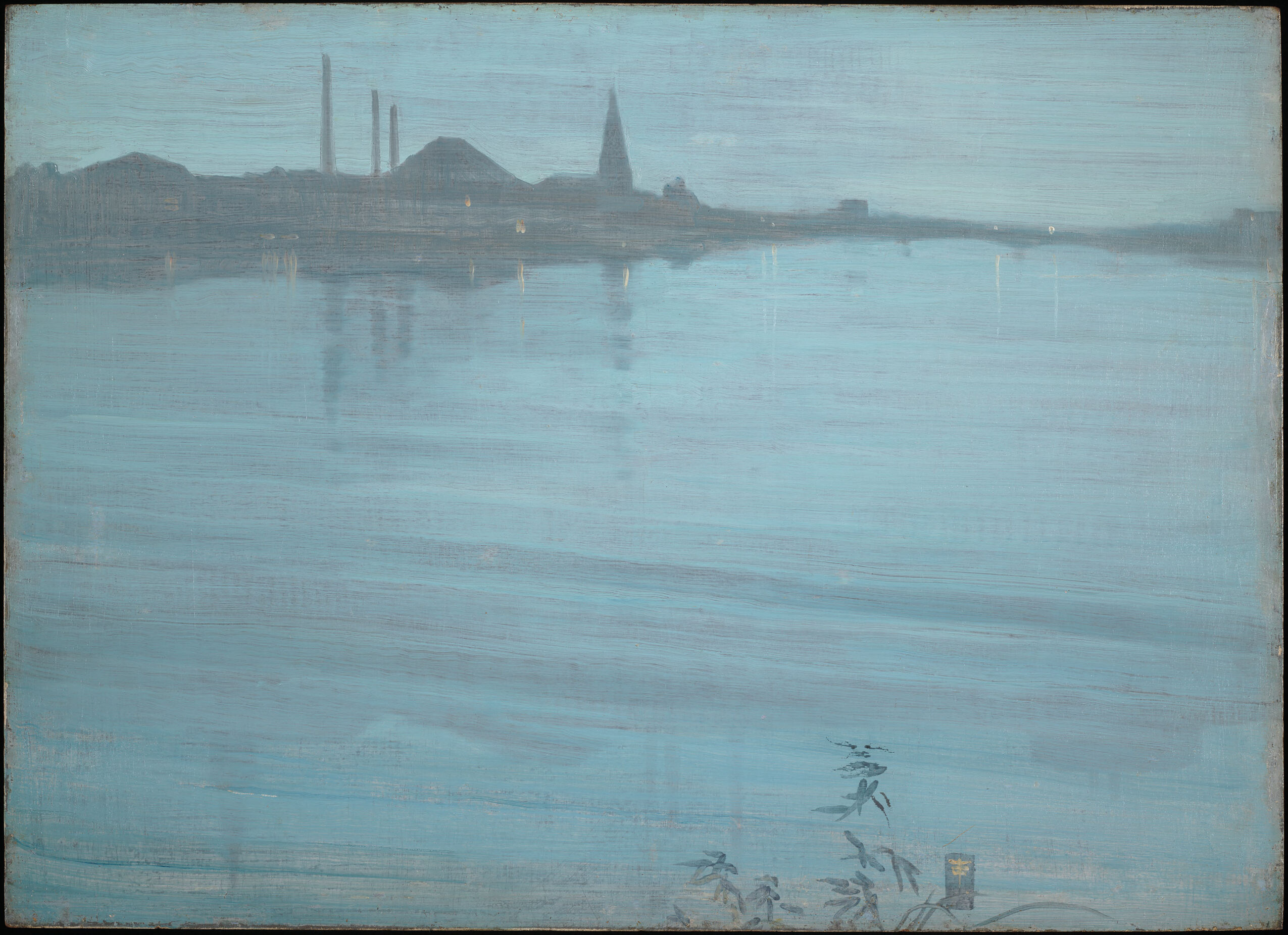
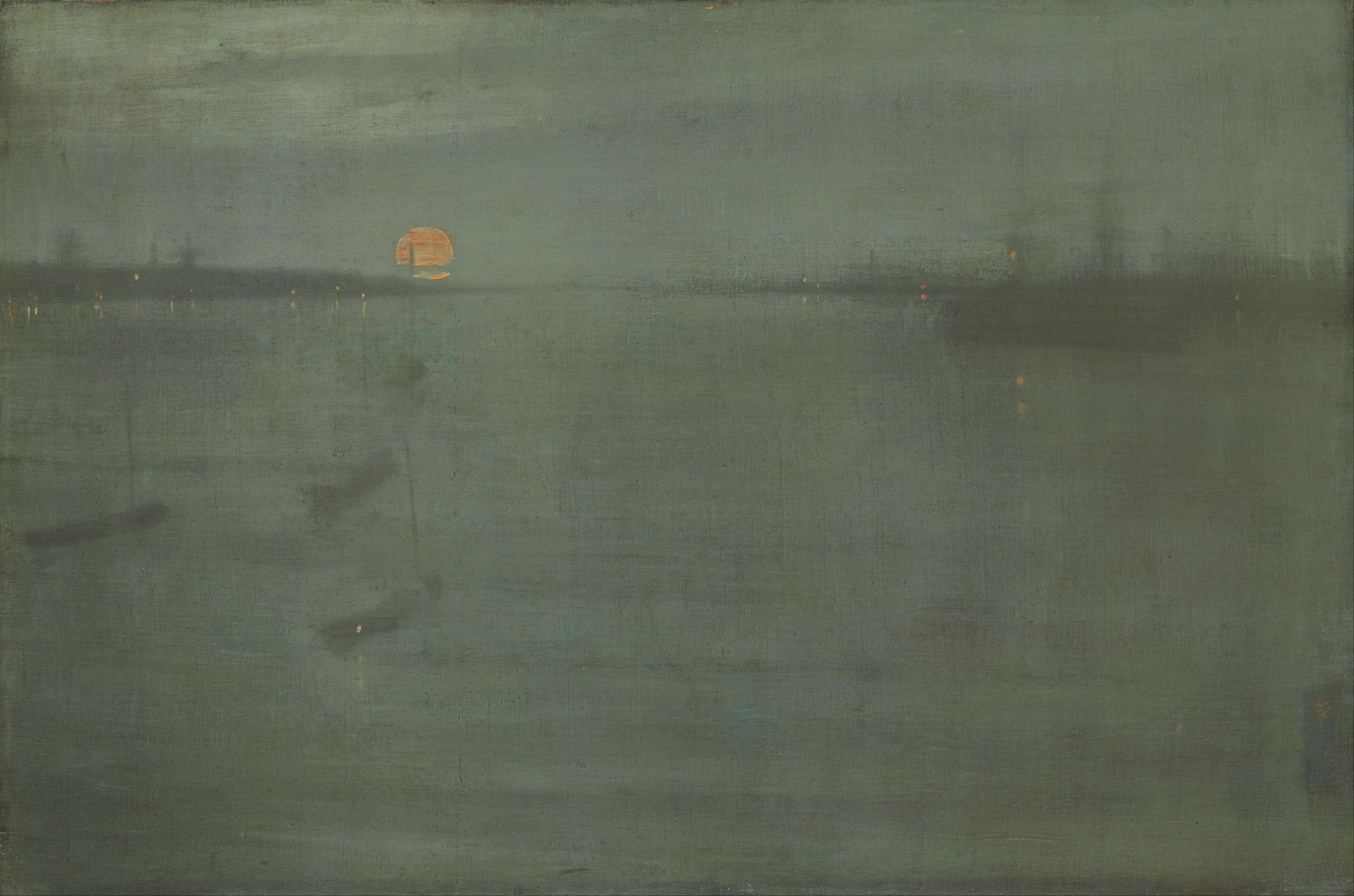
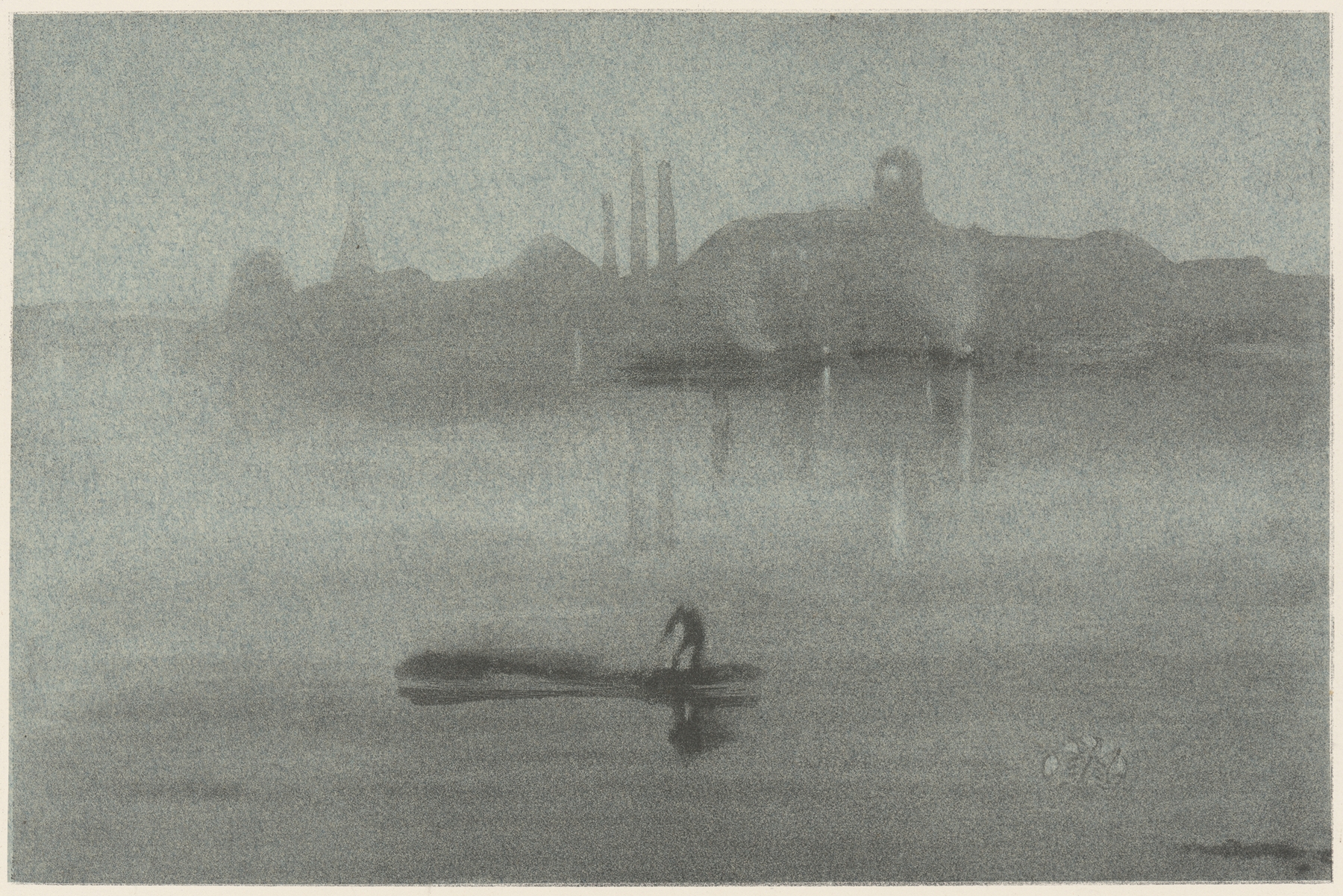
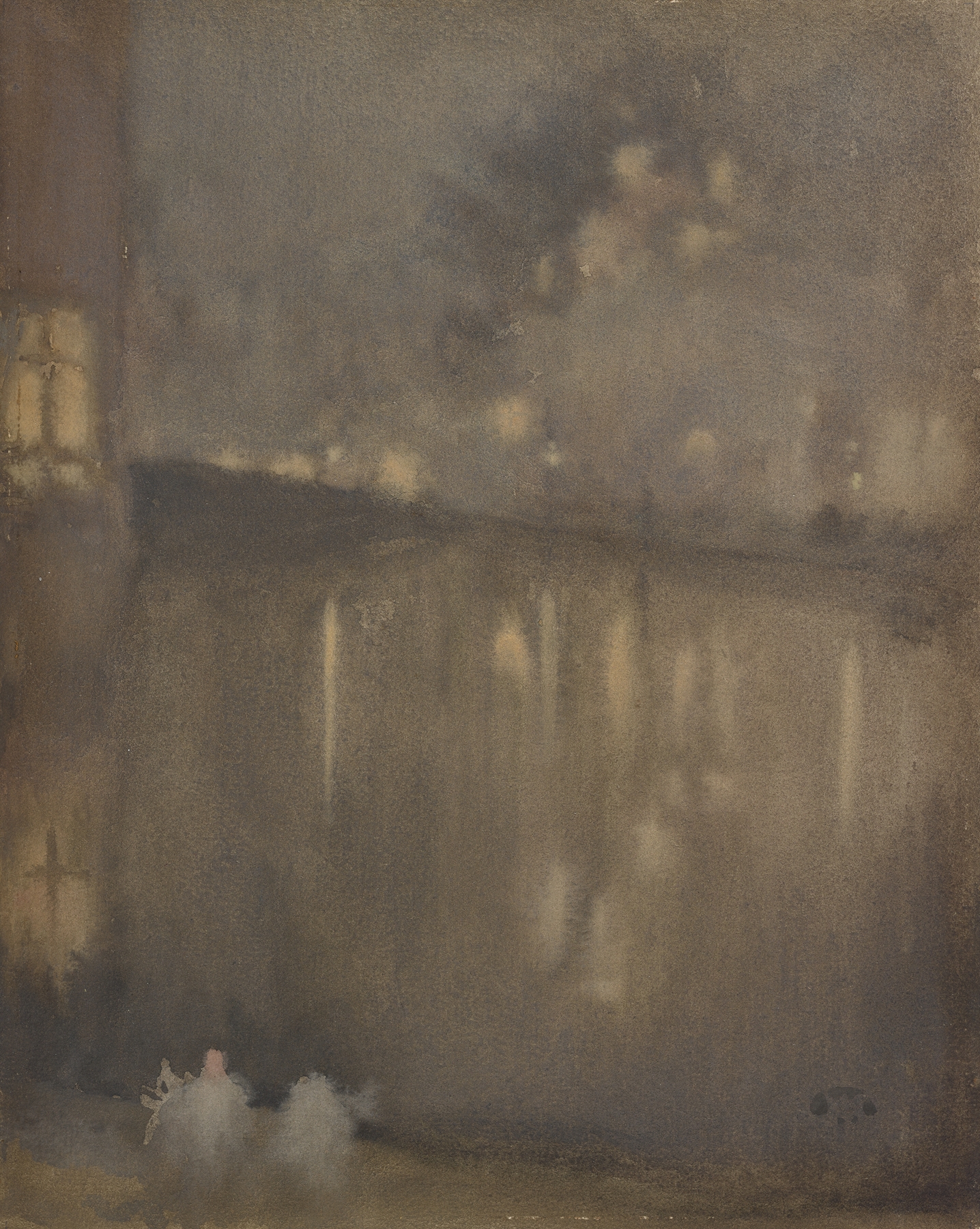
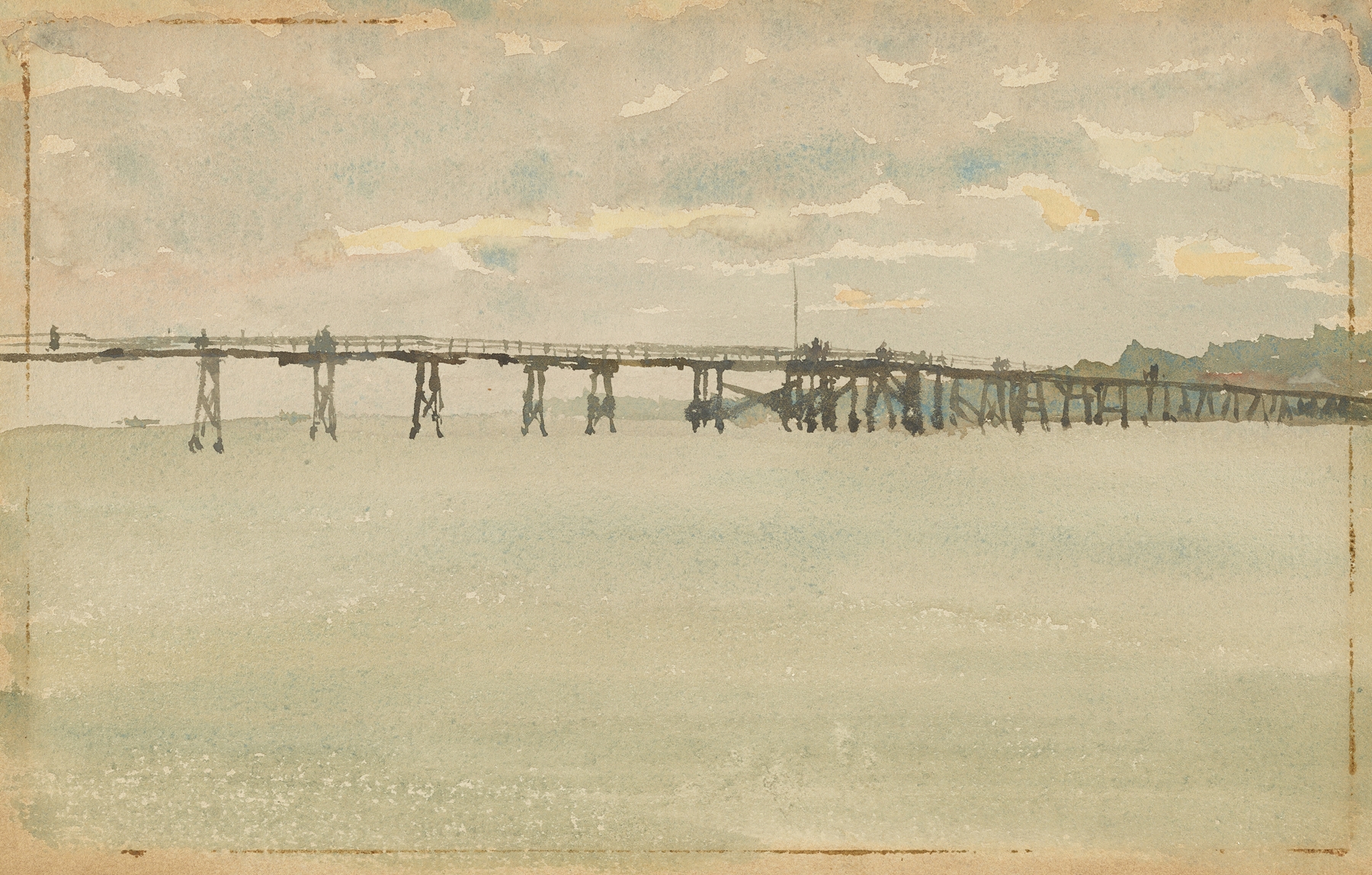
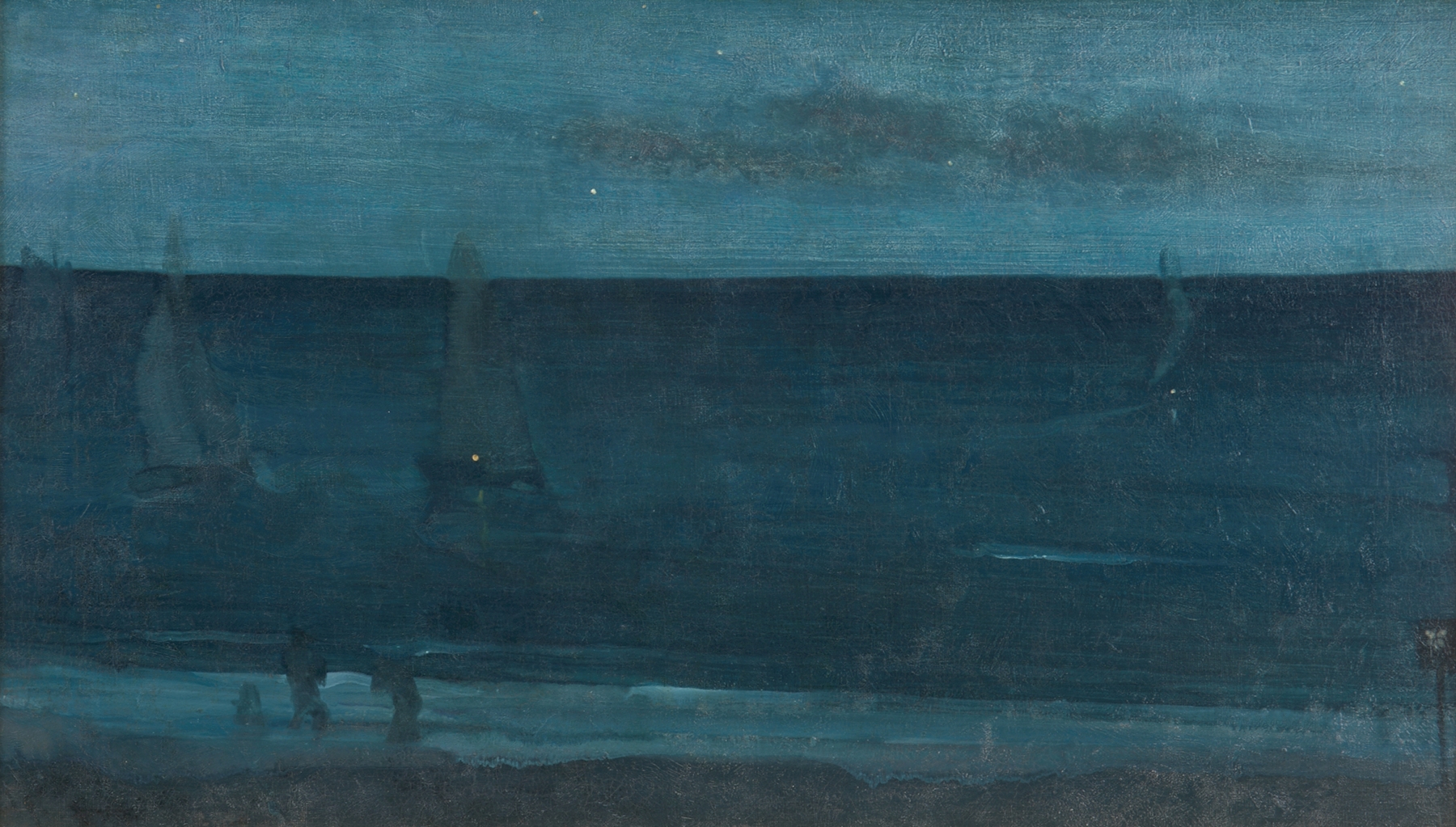
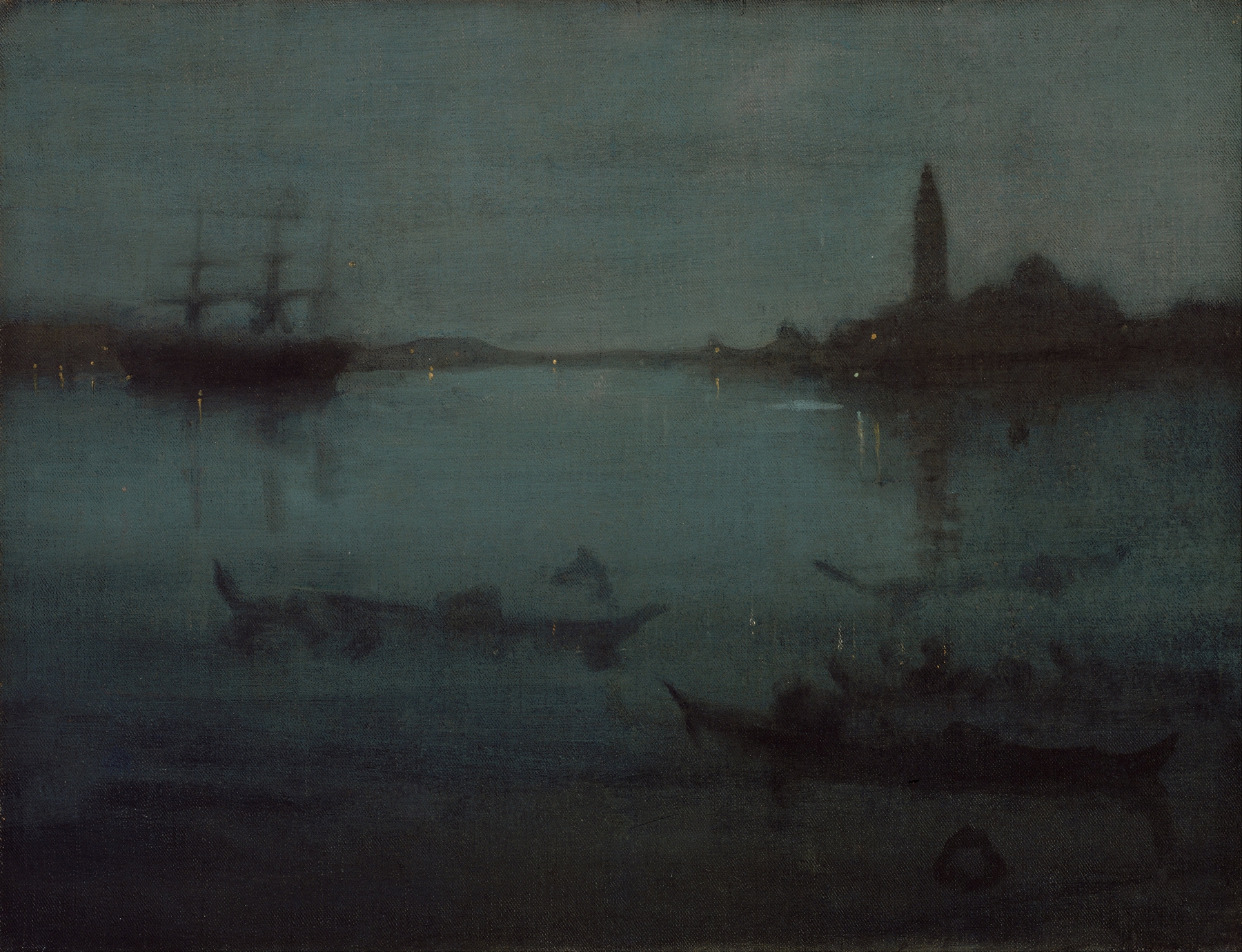
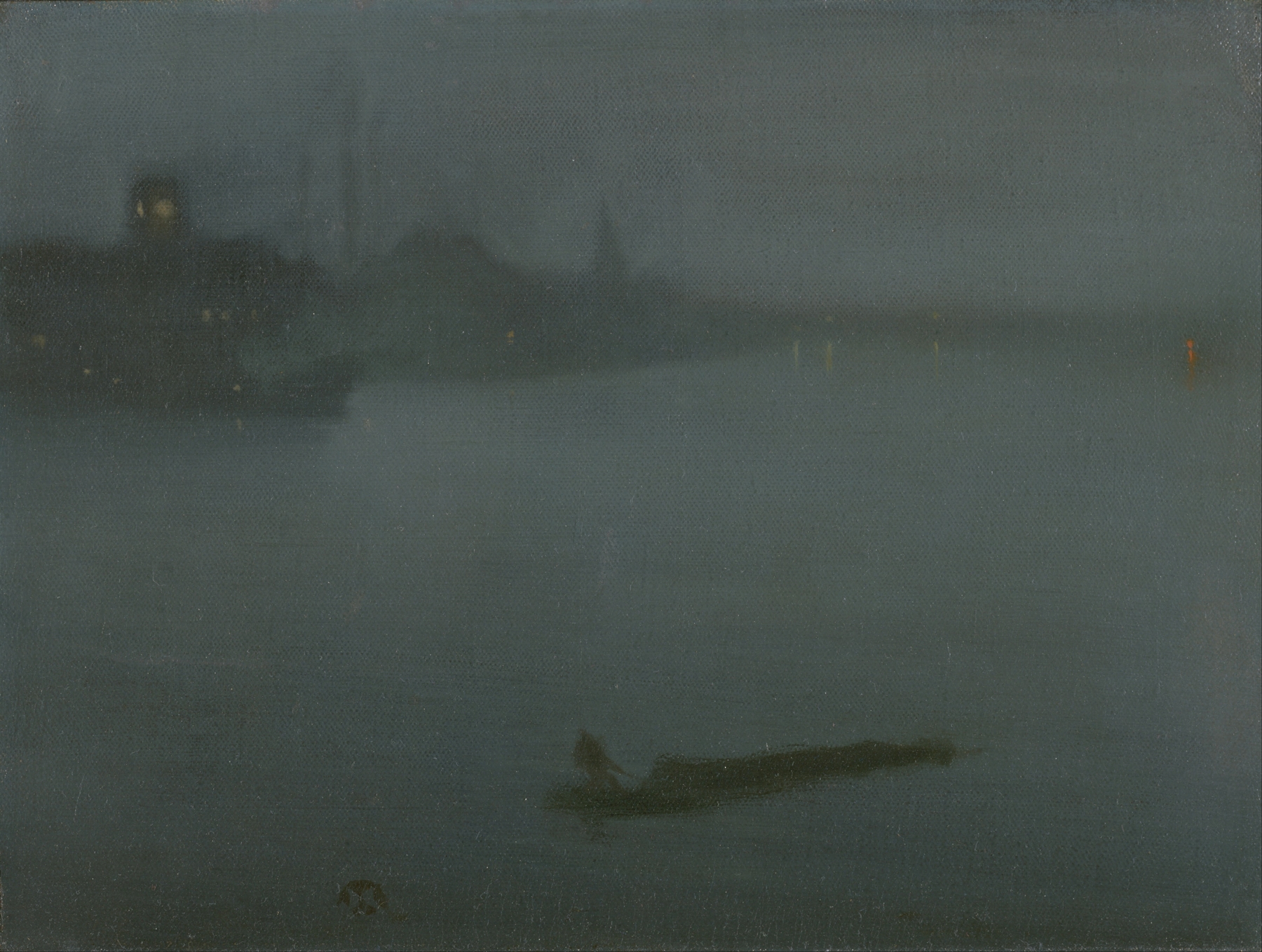
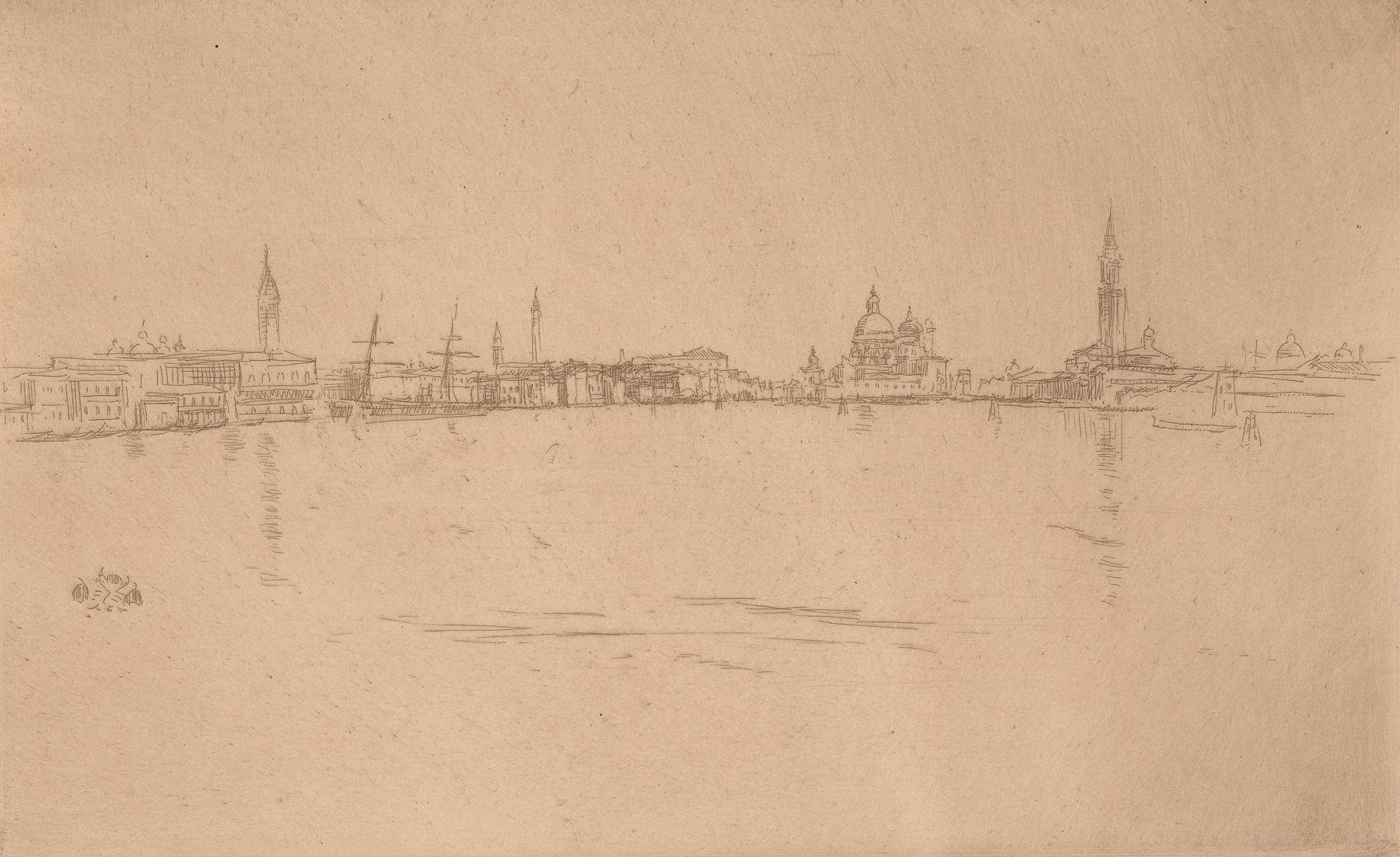
Where does light end, and longing begin? In La Salute; Dawn, every brushstroke whispers of transformation, capturing a moment poised between daybreak and the awakening of dreams. Begin by looking to the left, where soft hues of lavender and rose blend seamlessly in the sky, signaling the dawn that hints at new beginnings. The serene silhouette of the Salute basilica rises from the shimmering waters, its domes bathed in the gentle glow of the early light.
Notice how the cool blues and vibrant pinks interlace, creating a harmonious dance that draws the eye across the canvas, leading the viewer on a journey of contemplation and reflection. Delve deeper into the contrasts within this piece: the tranquil waters mirror the ethereal sky, suggesting a delicate equilibrium between the outer world and inner emotions. The stillness of the scene belies the fervor of change simmering beneath the surface; this work embodies the revolution of color and form that was redefining art in Whistler's time. Each subtle detail—like the lightly brushed ripples that break the water's surface—evokes a sense of yearning for a future yet to unfold.
In 1879, Whistler painted this work while residing in Venice, a city that inspired much of his art. The late 19th century was a period of artistic upheaval, with the rise of Impressionism challenging traditional techniques. Whistler, as a key figure in this movement, was exploring the interplay of light and color, striving to capture not just a scene but the very essence of a moment, signaling a transformative era in art history.