La Seine à l’Île Marante par temps brumeux — History & Analysis
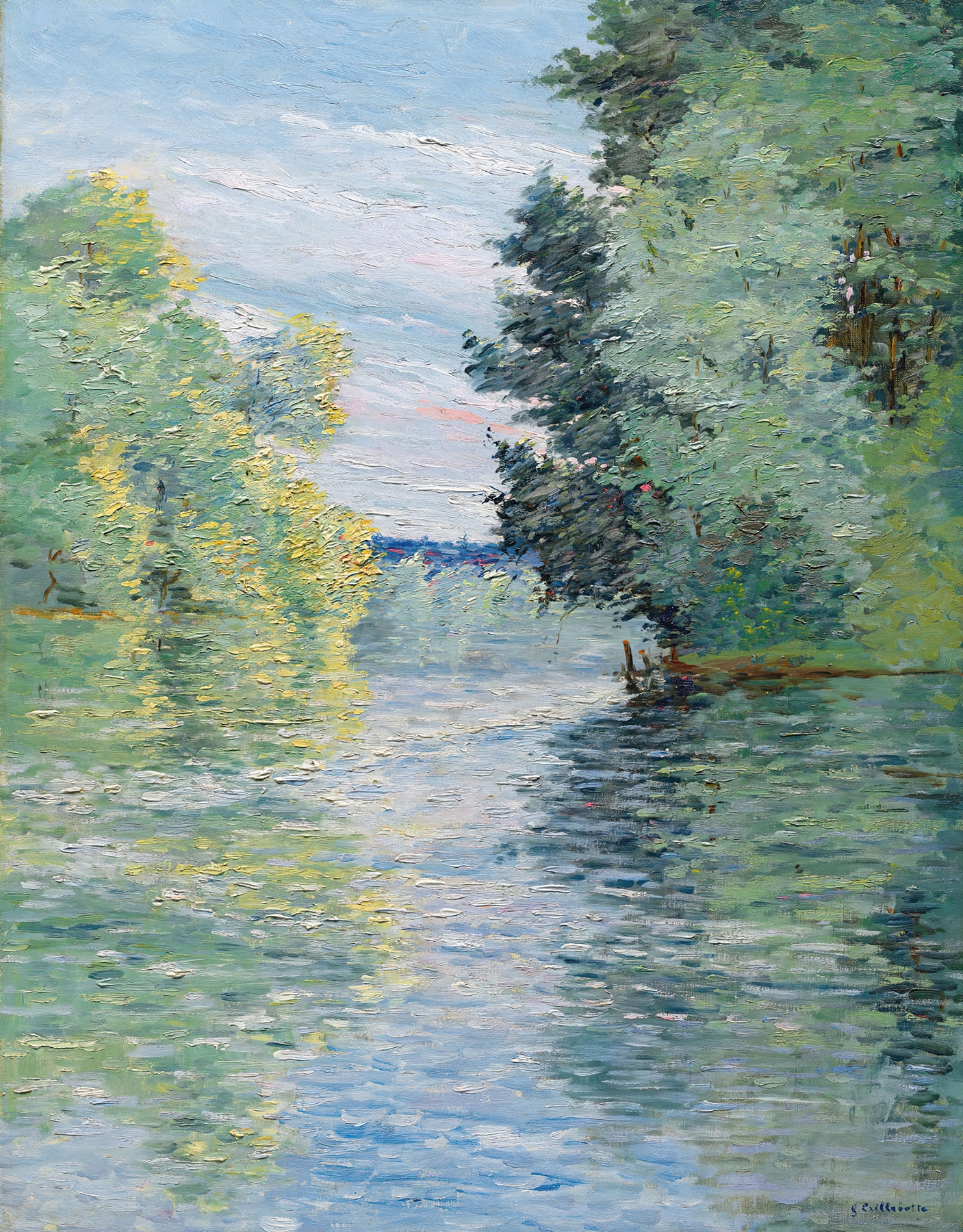
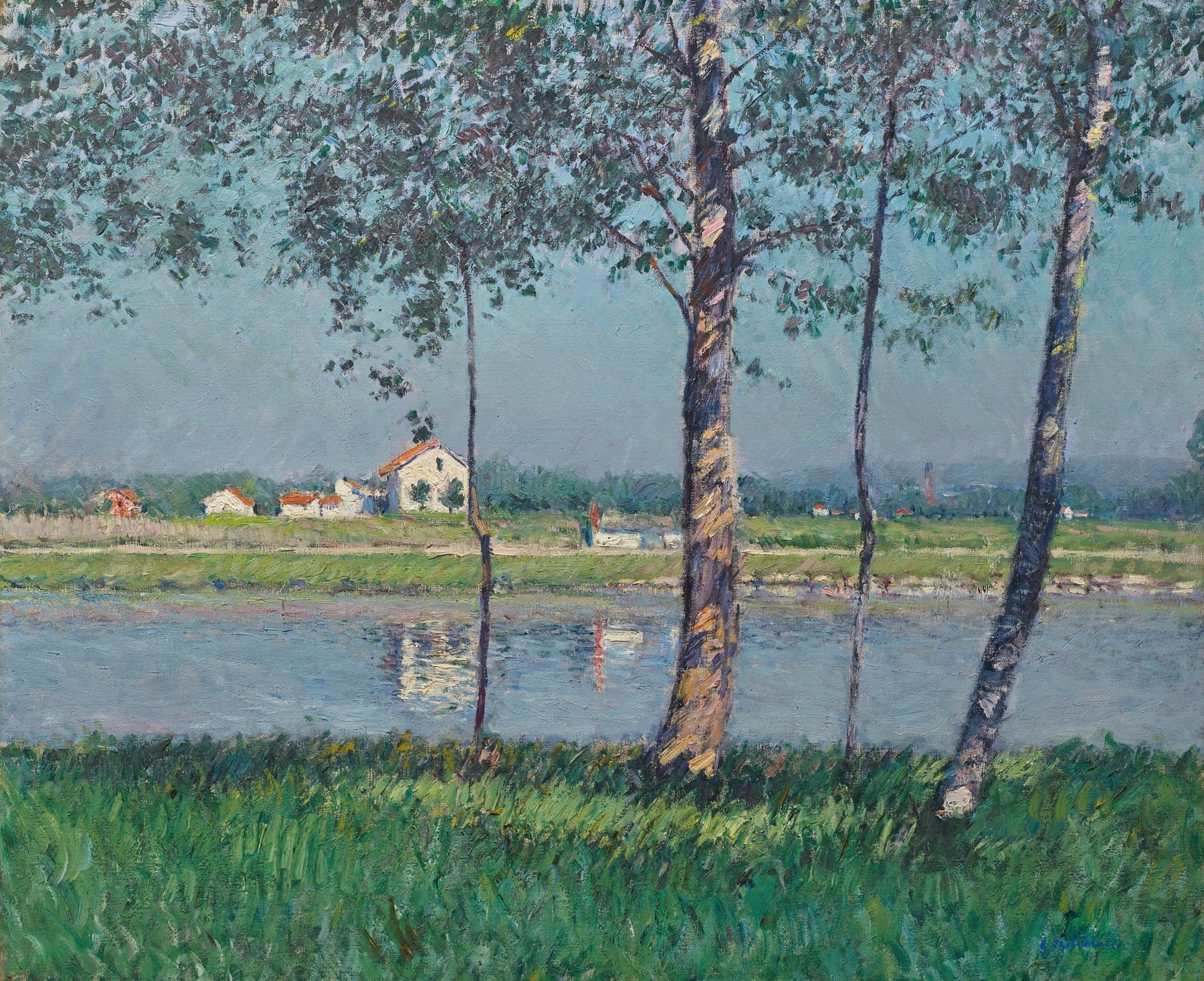
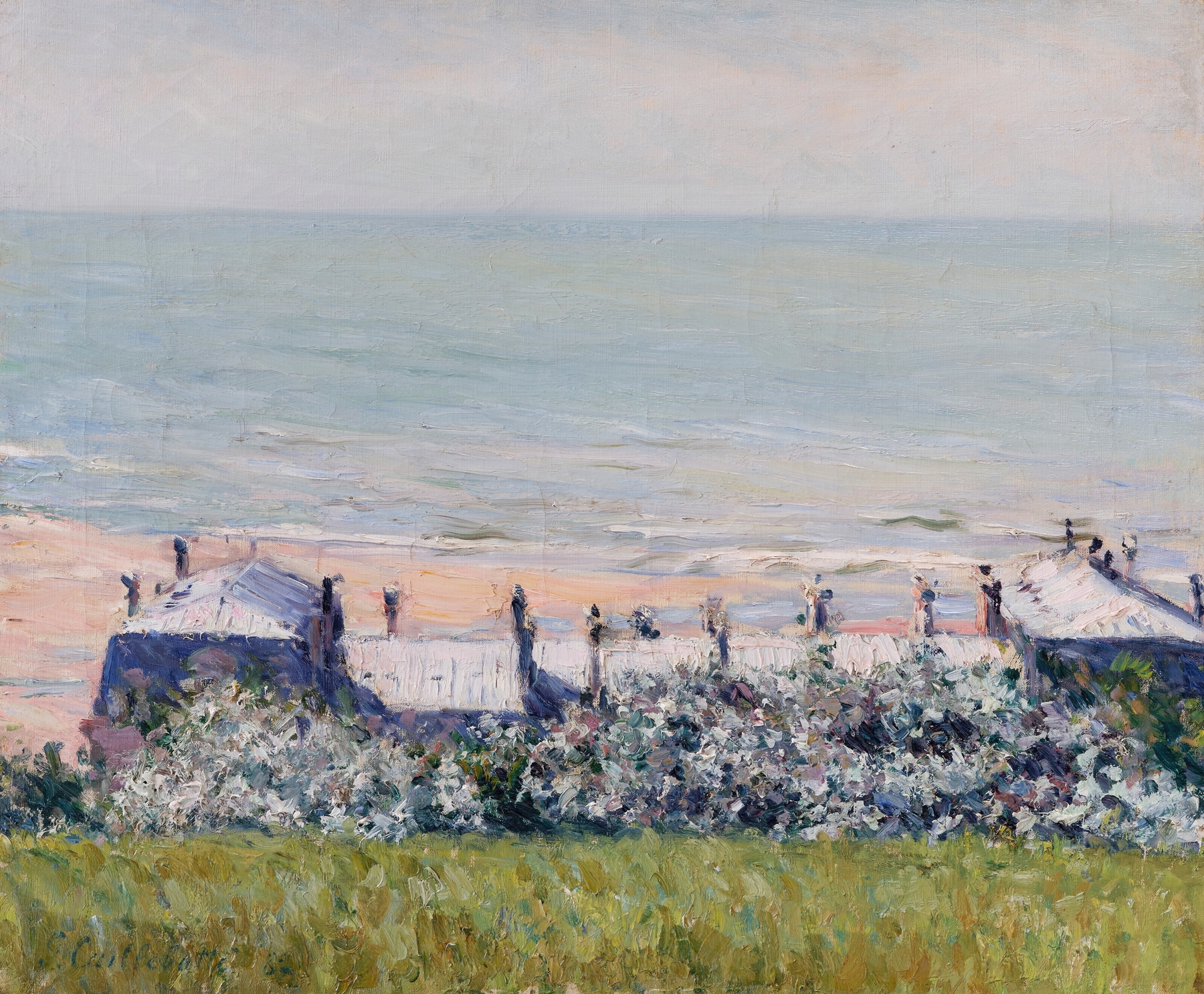
“The canvas doesn’t lie — it simply waits.” In the stillness of a misty morning, the river breathes, cradling the promise of rebirth. Each brushstroke whispers the potential for renewal, as the fog envelops the banks of the Seine, blurring the boundaries between water and land, between reality and dream. Look to the expansive view where the river stretches across the canvas, its surface an undulating mirror of soft grays and blues. The light is diffuse, casting an ethereal glow that invites the eye to wander through the fog-draped landscape.
Notice how the trees stand sentinel along the riverbank, their dark forms contrasting with the luminous haze, while a solitary figure in a small boat punctuates the tranquility, hinting at life’s continuous flow amidst nature's quiet embrace. Here, contrasts abound; the delicate interplay between light and shadow evokes a sense of mystery and introspection. The muted palette conjures an emotional depth, suggesting both isolation and connection within the serene scene. The fleeting appearance of the figure in the boat speaks to the impermanence of life, a reminder that amidst the stillness of nature, human presence is both momentary and significant, embodying the cycle of existence.
Gustave Caillebotte painted La Seine à l’Île Marante par temps brumeux in 1891, during a period marked by the Impressionist movement’s evolution. Living in Paris, he found himself at a crossroads of artistic exploration, where the traditional rigidity of form was giving way to more fluid expressions of light and atmosphere. His work reflects a growing fascination with everyday life and the beauty found within it, as well as a personal desire to capture fleeting moments in time.