Lake Nemi, sunset — History & Analysis
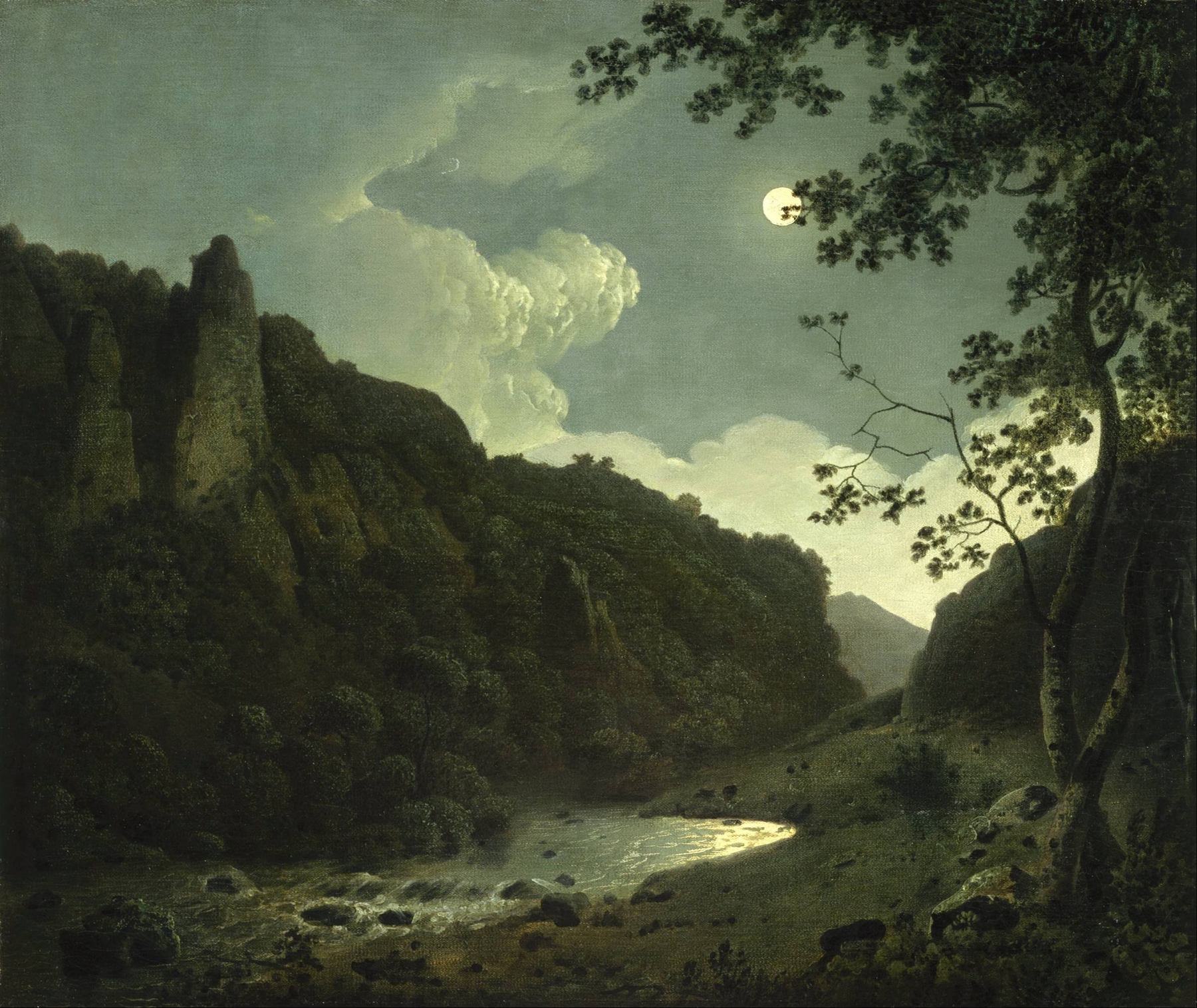
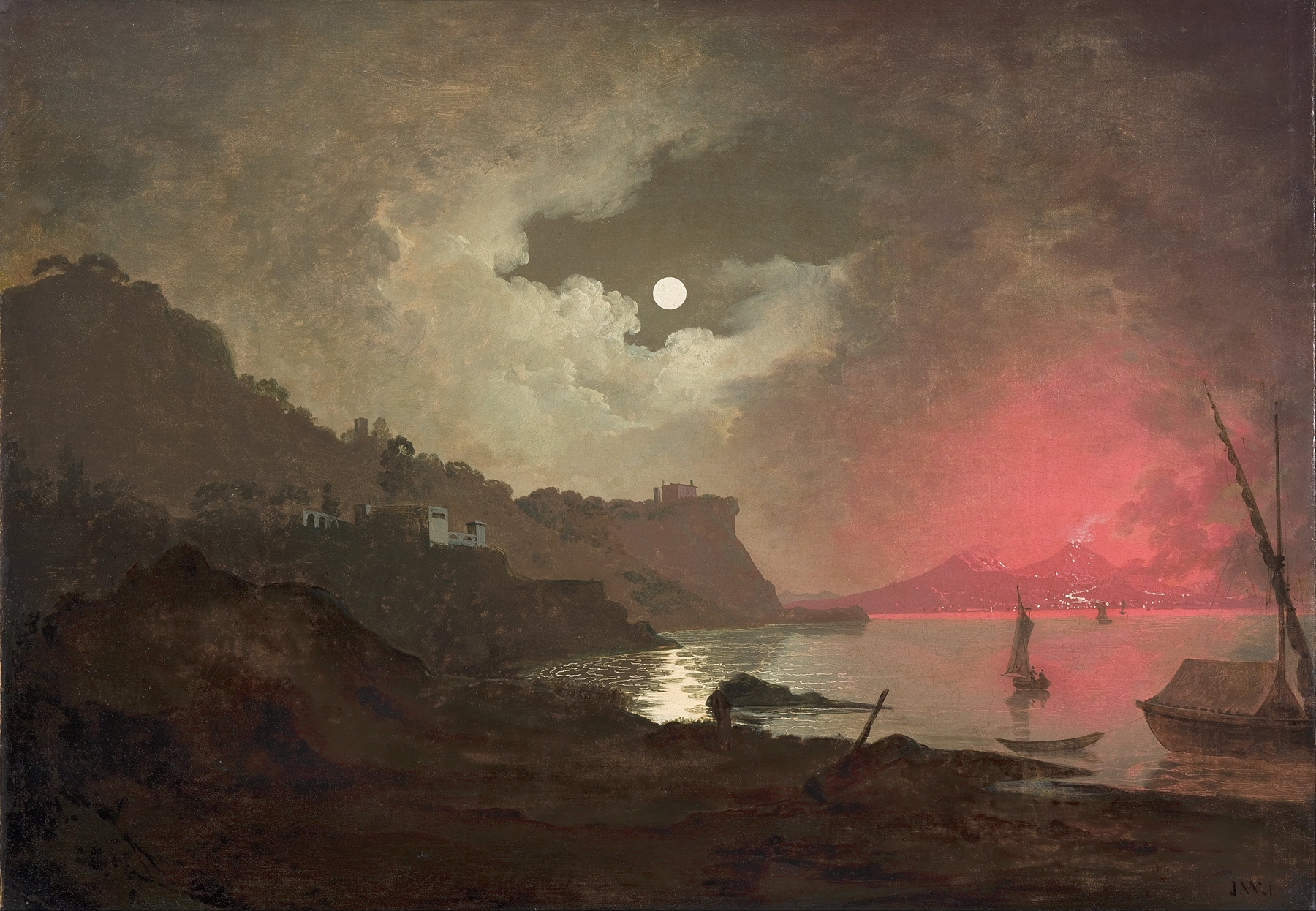
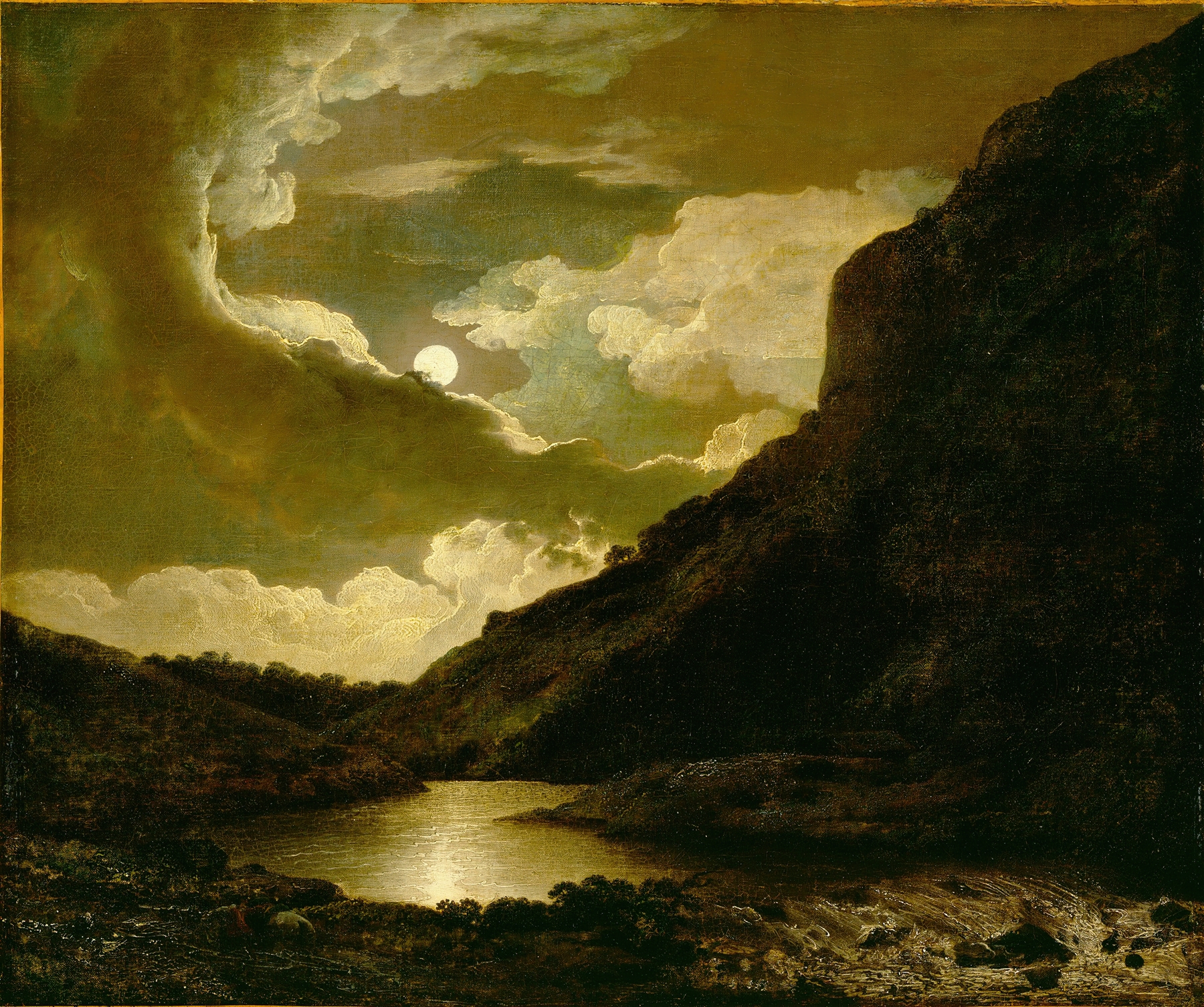
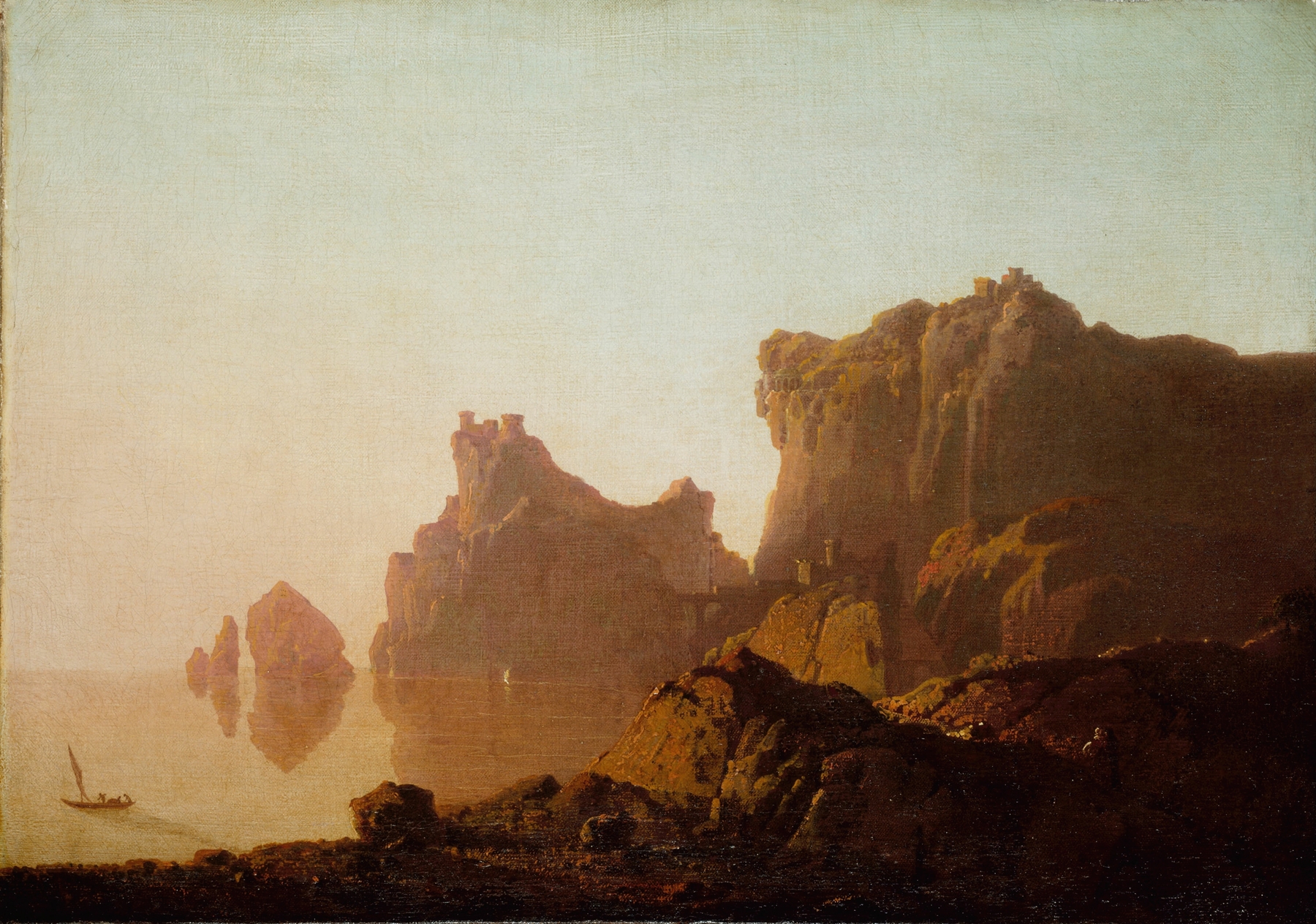
The canvas doesn’t lie — it simply waits. In the quiet embrace of dusk, dreams linger like whispers over the water’s surface, inviting the viewer to pause and reflect. Look to the left at the deep azure of the lake, where the water mirrors the dying embers of sunset. Notice how the warm hues of orange and gold bleed into the cool twilight, creating a harmonious dialogue between light and shadow. The silhouettes of distant hills serve as a backdrop, framing the serene scene and drawing the eye toward the glowing horizon.
The delicate brushstrokes evoke a sense of calm, while the gentle ripples on the lake’s surface suggest life just below. Beneath this tranquil exterior lies a tension between reality and illusion. The fading light captures the fleeting nature of day, while the mirrored reflection hints at the deeper complexities of existence and dreams. The juxtaposition of the still water and the dynamic sky plays on the viewer's emotions, encouraging contemplation of what lies beyond the visible.
It beckons us to consider the interplay of beauty and transience, the ephemeral nature of dreams held in the twilight. Joseph Wright of Derby created this masterpiece during a period marked by his exploration of the sublime in nature. Working in England in the late 18th century, he was influenced by the Enlightenment and Romanticism, movements that emphasized the power and beauty of the natural world. His focus on light and shadow in Lake Nemi, sunset reflects not only his mastery of technique but also a growing fascination with the emotional depth that landscape painting could convey.