Pont-au-change, Paris — History & Analysis
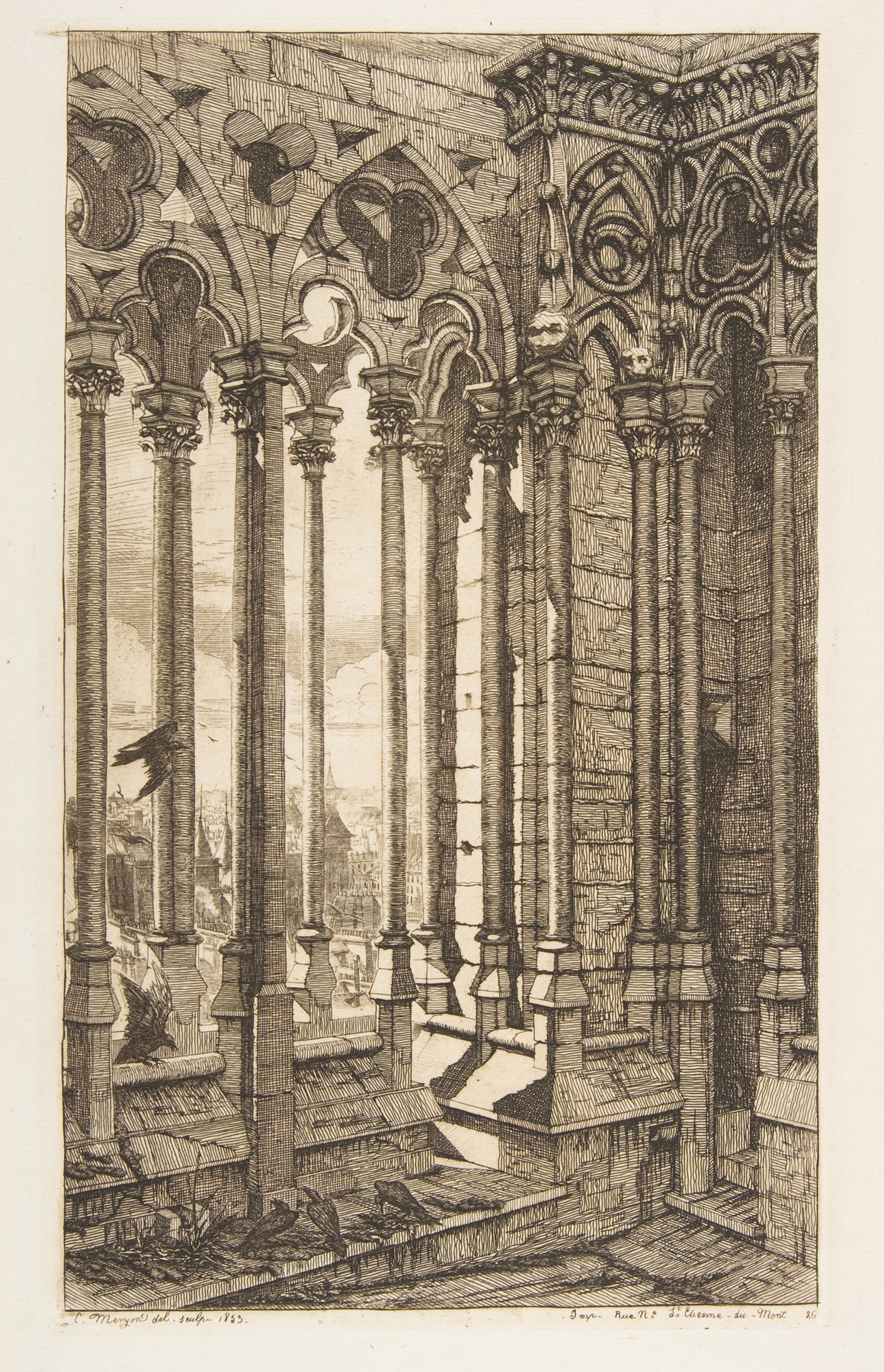
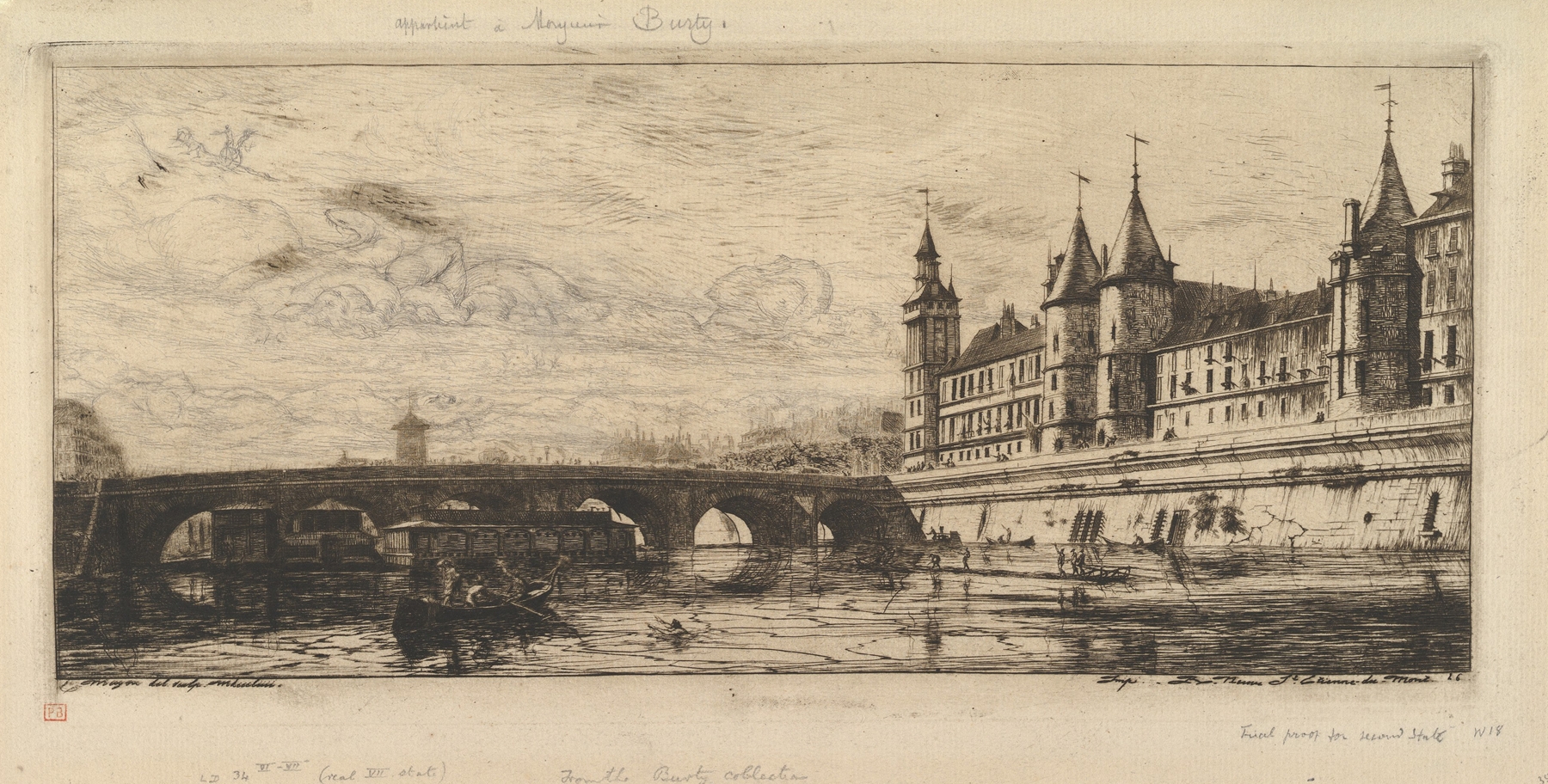
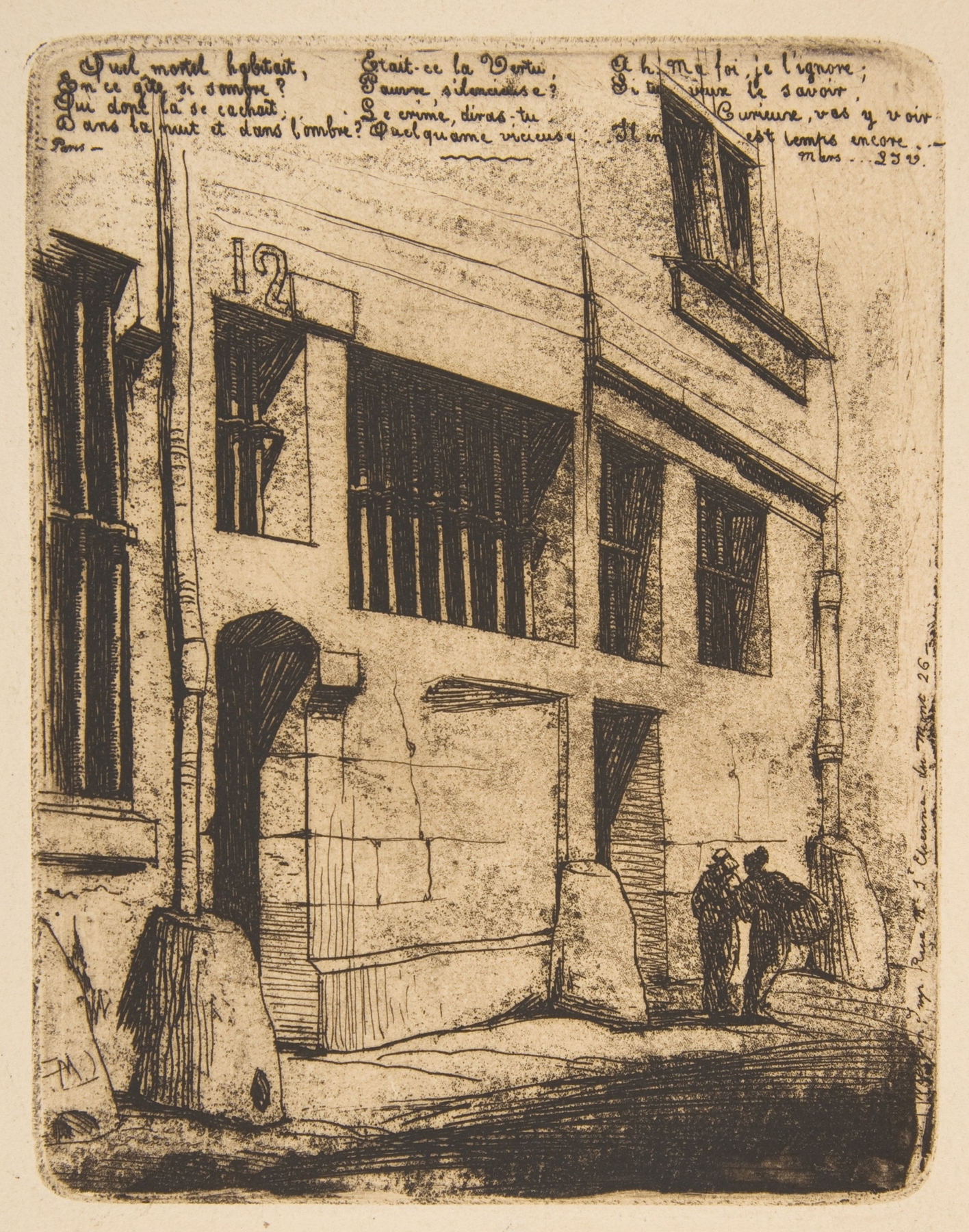
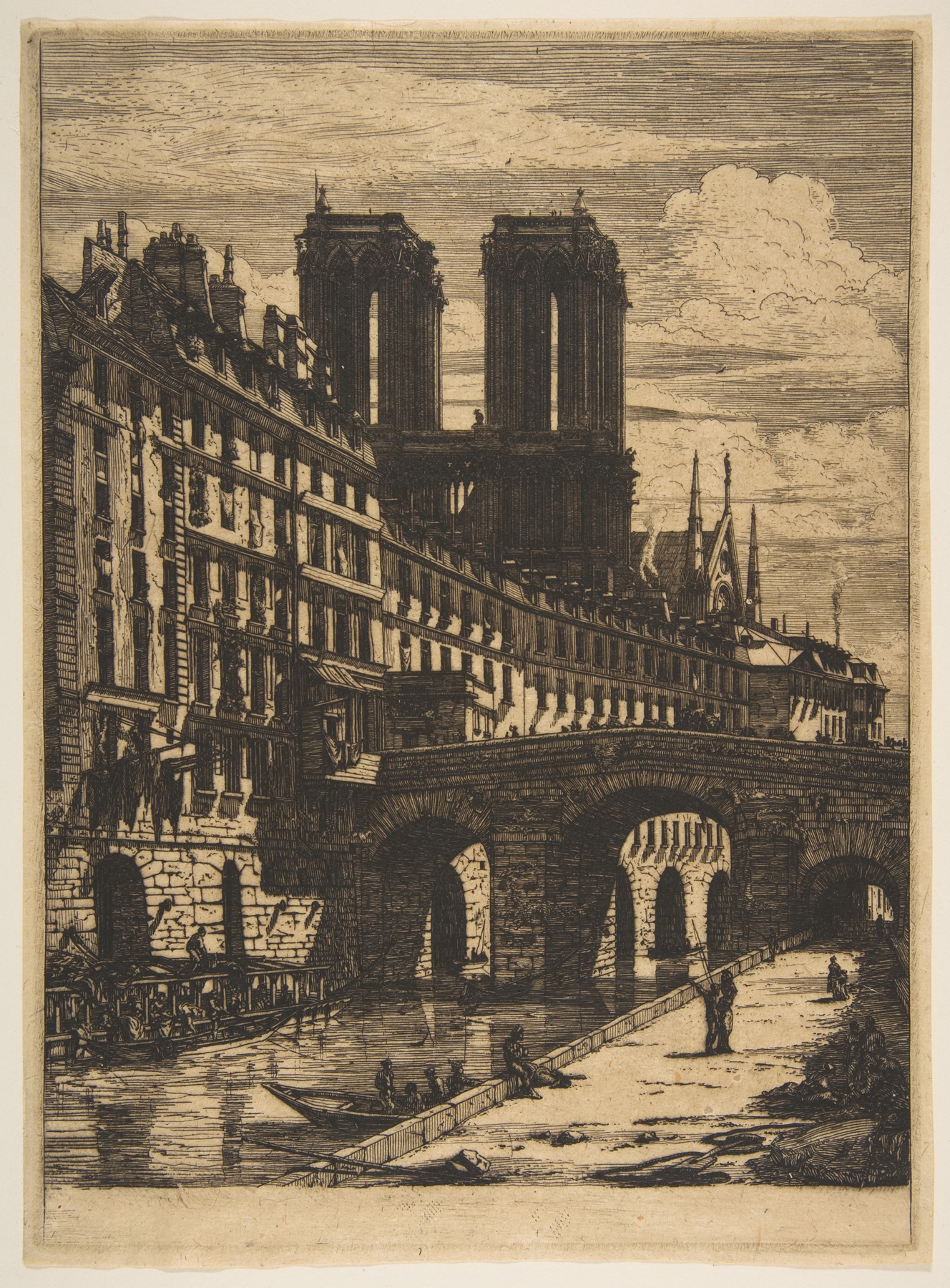
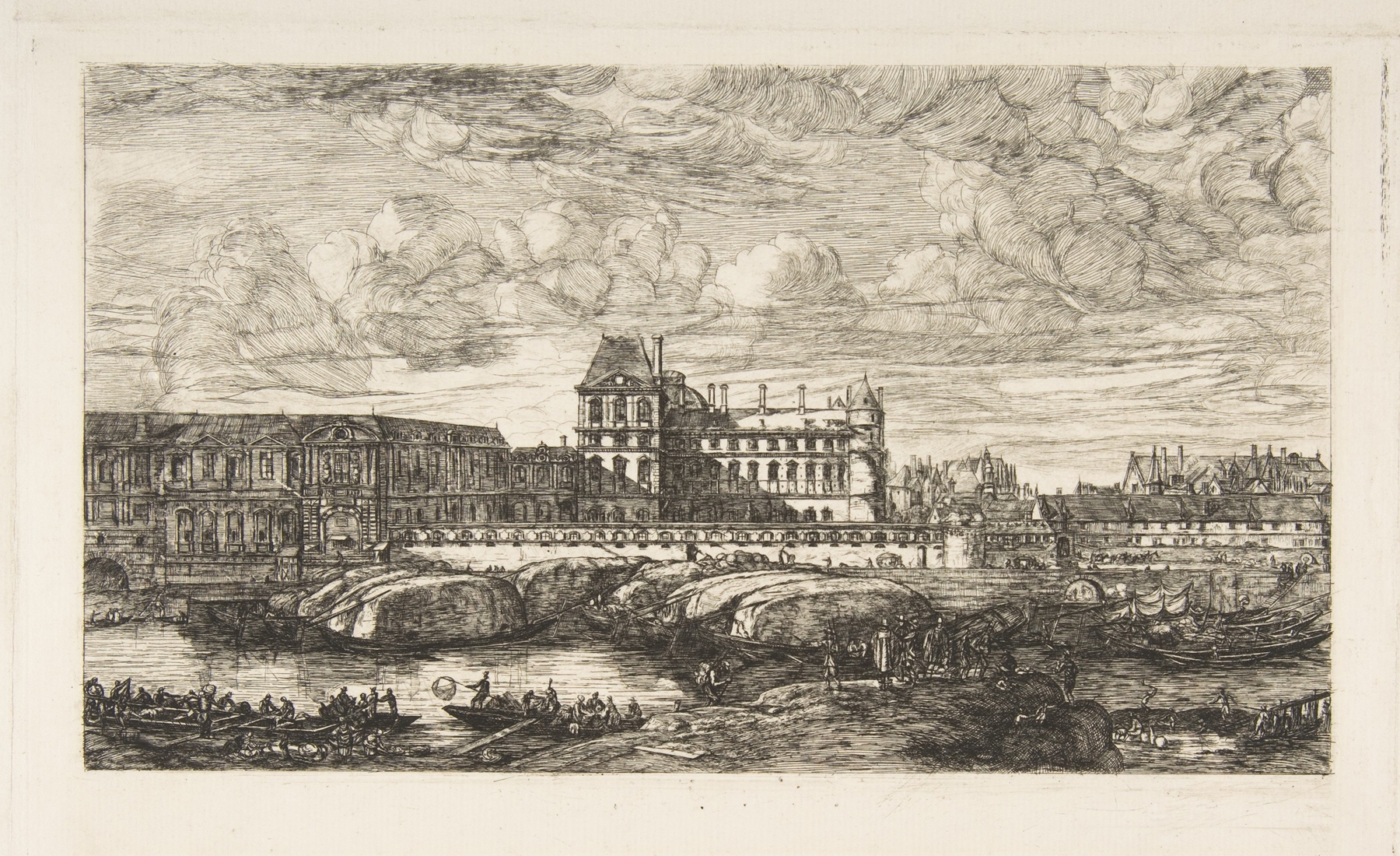
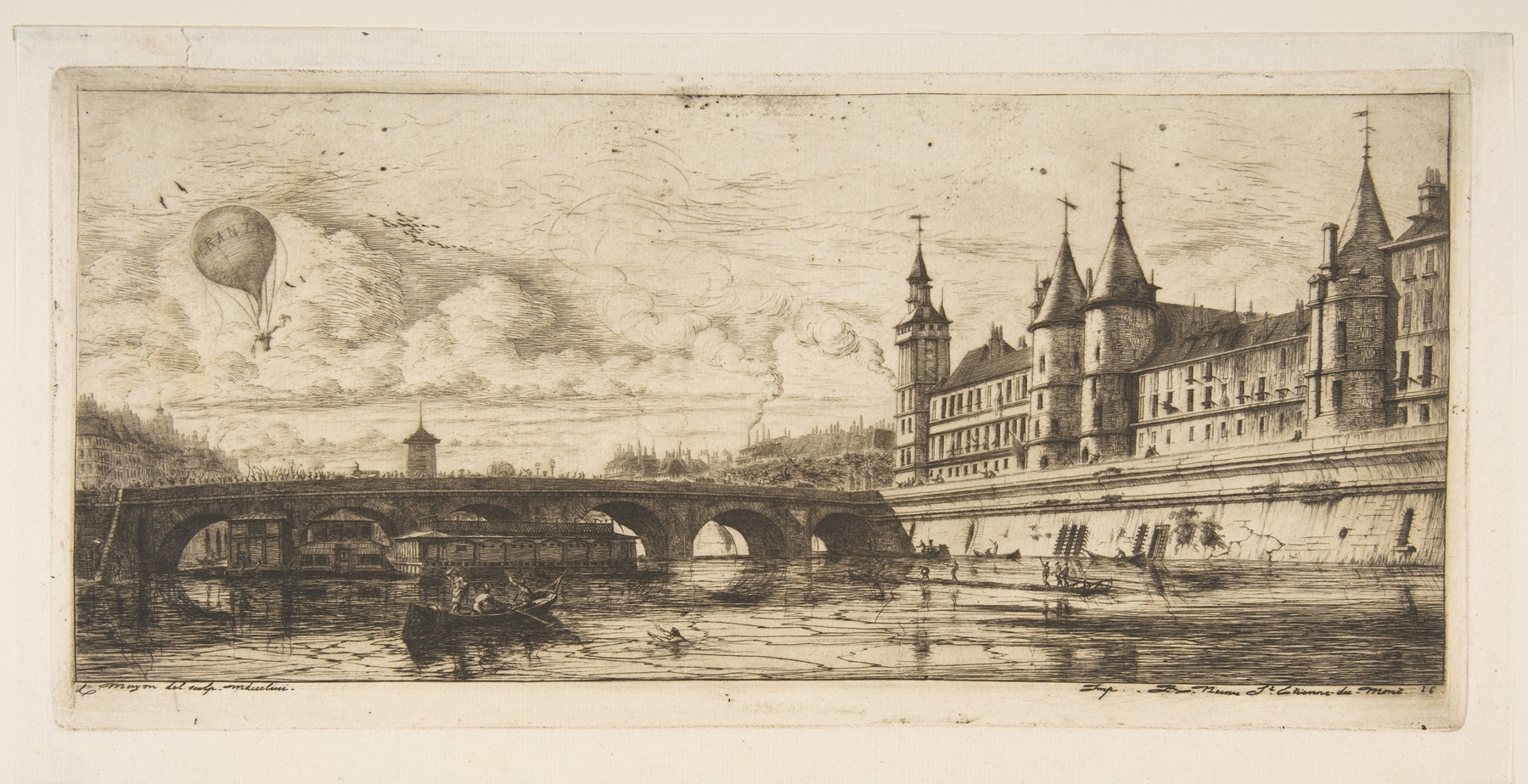
What if beauty was never meant to be finished? In the intricate etching of Paris, we are invited to question the permanence of both art and existence, staring into a moment suspended in time. Look closely at the foreground, where the delicate lines of the Pont-au-change connect the chaos of urban life with the flow of the Seine. The arching bridge, sketched with both precision and fluidity, draws your gaze to the figures bustling across its expanse, while the distant skyline recedes into an ethereal haze.
The play of light and shadow creates a subtle tension, highlighting the emptiness of the space around the figures, enhancing a sense of longing and transience. Hidden within the bustling scene lies a deeper commentary on the ephemeral nature of beauty and the fleetingness of life itself. The empty sky, so stark against the intricate details below, underscores a profound contrast between the vibrancy of the everyday and the quiet solitude that looms overhead. Each figure, though caught in motion, seems to exist in their own cocoon of isolation, inviting reflection on the simultaneous presence and absence that defines urban existence.
In 1854, Charles Meryon captured this etching amid a rapidly changing Paris, a city on the brink of modernization. At this time, Meryon was struggling with his identity as an artist while also grappling with personal and psychological challenges. His work reflected a longing for the past amid the encroaching industrialization that reshaped his beloved city, weaving a narrative of nostalgic beauty into the very fabric of his art.