Landscape Near Arles — History & Analysis
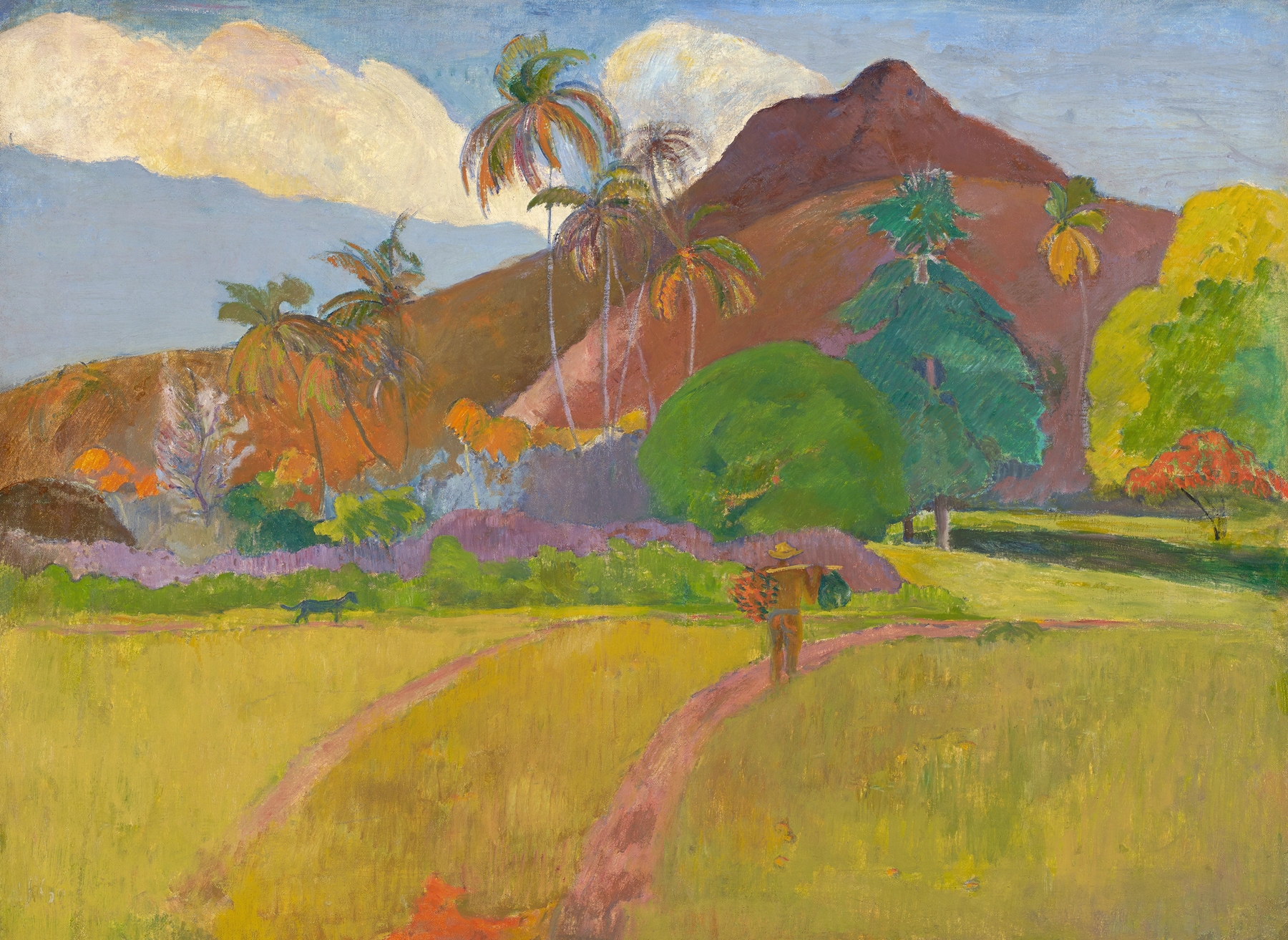
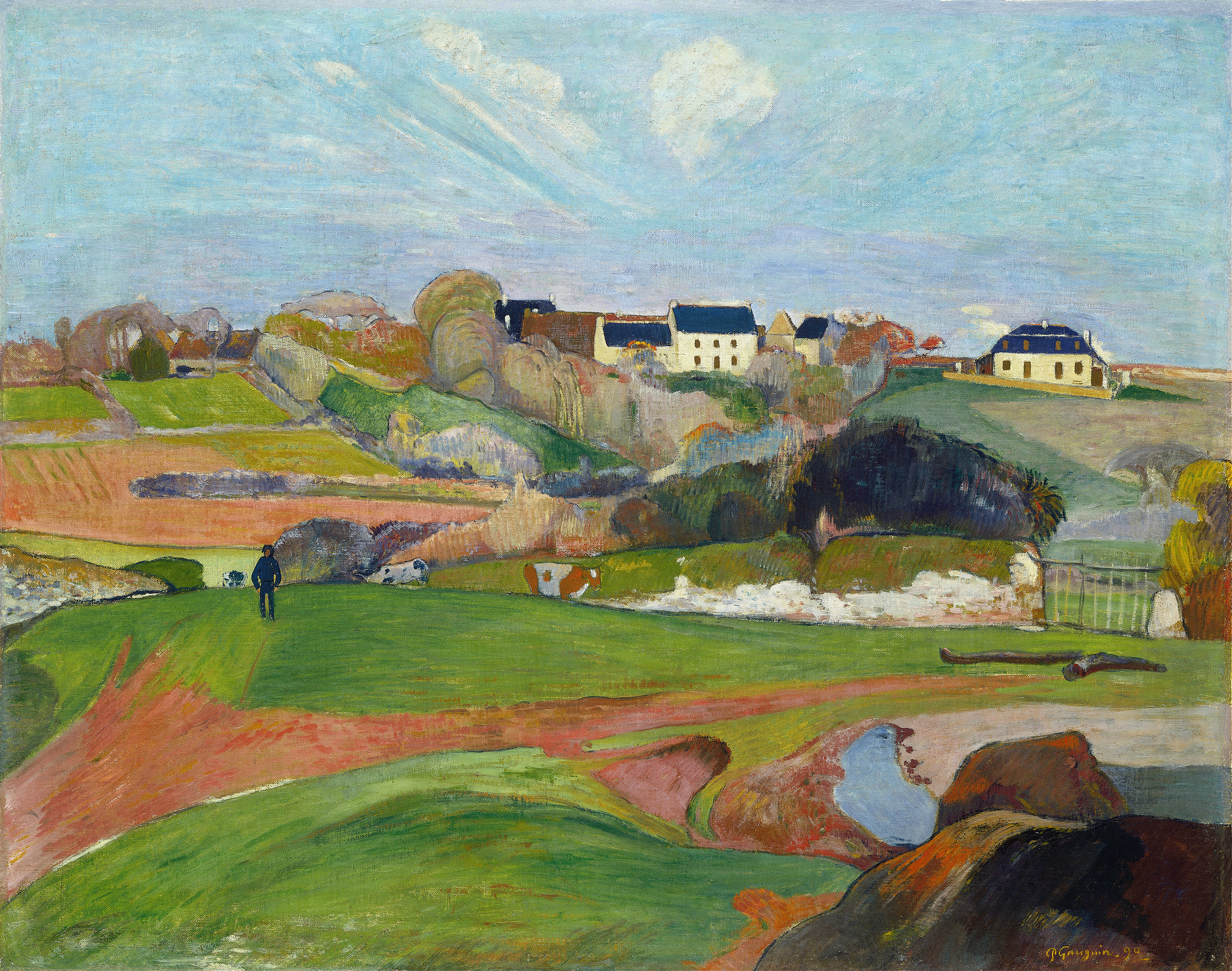
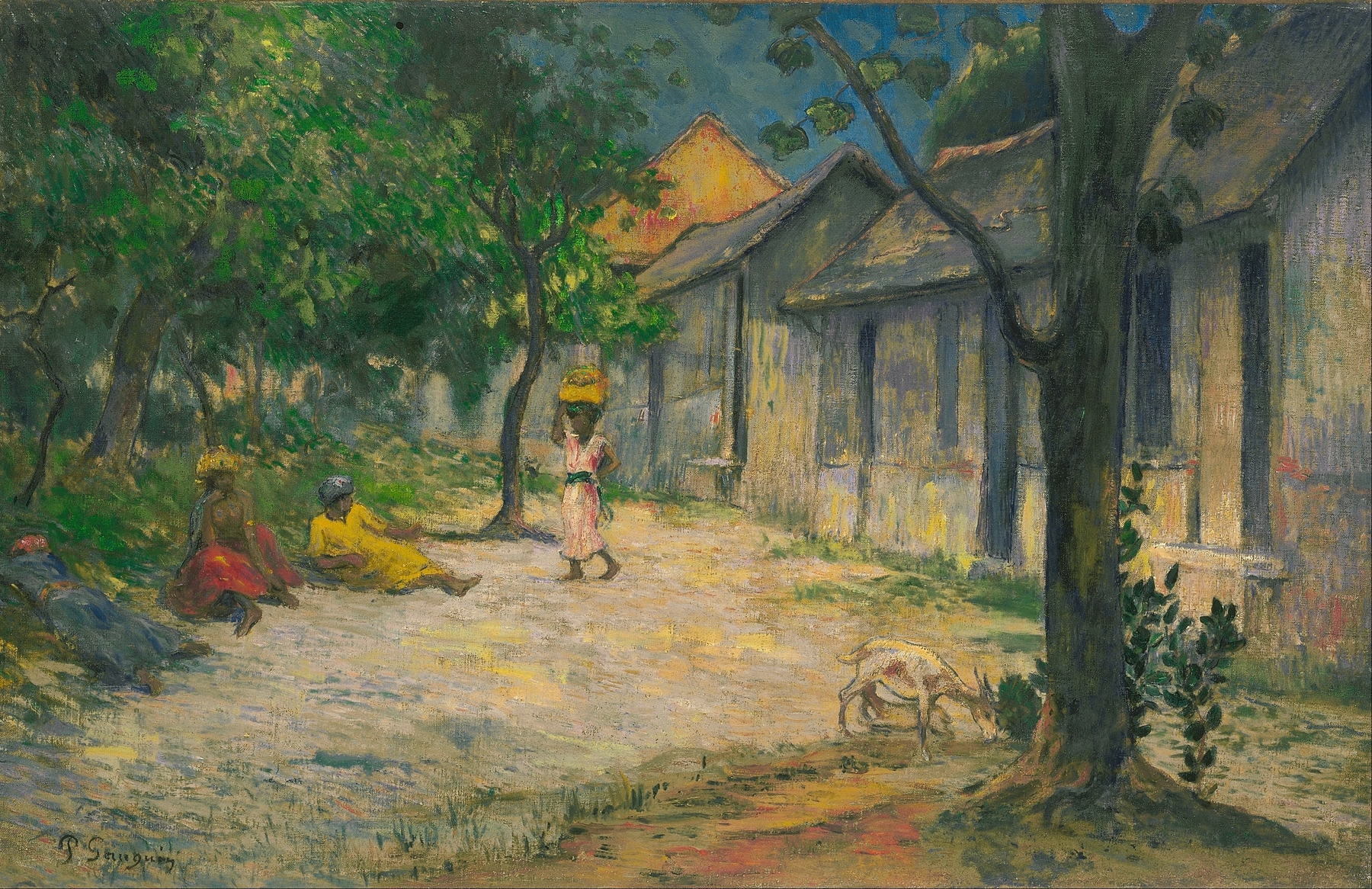
“Between color and silence, truth hides.” In the stillness of a landscape, a revelation awaits, whispering through the vibrant brushstrokes and the interplay of hues. Focus first on the rich, bold yellows and greens that dominate this canvas. The sunlit fields stretch across the foreground, inviting your gaze into the heart of rural life. Notice how the thick application of paint creates texture, each stroke a testament to the artist’s emotional engagement with the landscape.
The sky, a swirl of blues and whites, captures a fleeting moment, suggesting a day both serene and charged with potential. Beneath the surface, the composition speaks of contrasts—between the vibrancy of life and the quietude of solitude. The juxtaposition of the lively colors against the stillness of the scene reveals a deeper introspection, a longing for a connection with nature. The overall harmony belies an undercurrent of tension, as if the landscape holds secrets just out of reach, waiting for the viewer to immerse themselves fully.
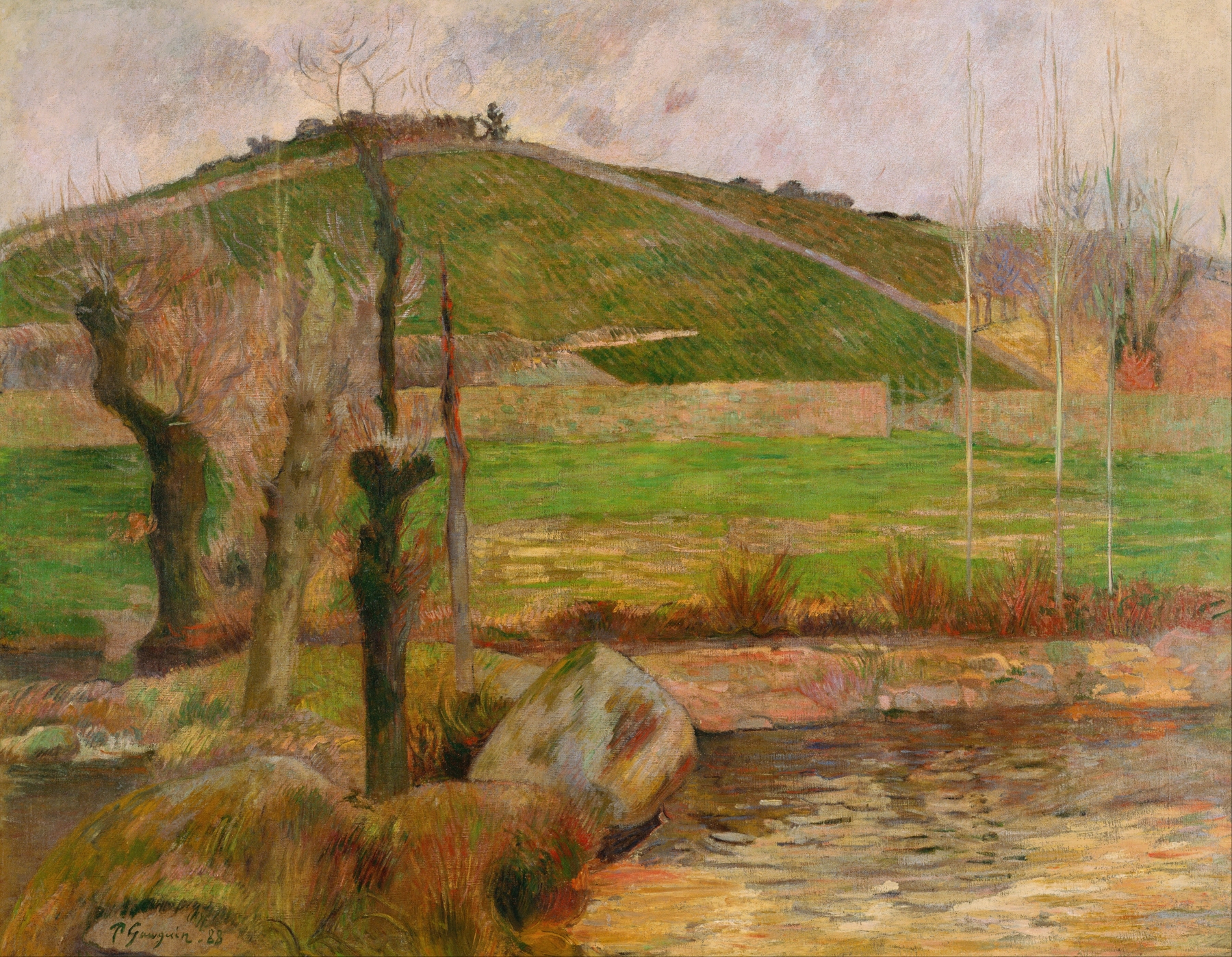
In 1888, while residing in Arles, Gauguin sought to experiment with color and form, stepping away from traditional representations. This period was pivotal, as he grappled with personal and artistic transformation, influenced by both the vibrant surroundings and his friendship with Vincent van Gogh. The painting reflects not just a place, but a moment of self-discovery amid the evolving landscape of Impressionist art, capturing the essence of his quest for revelation.