Landscape with the Cascades of Tivoli — History & Analysis
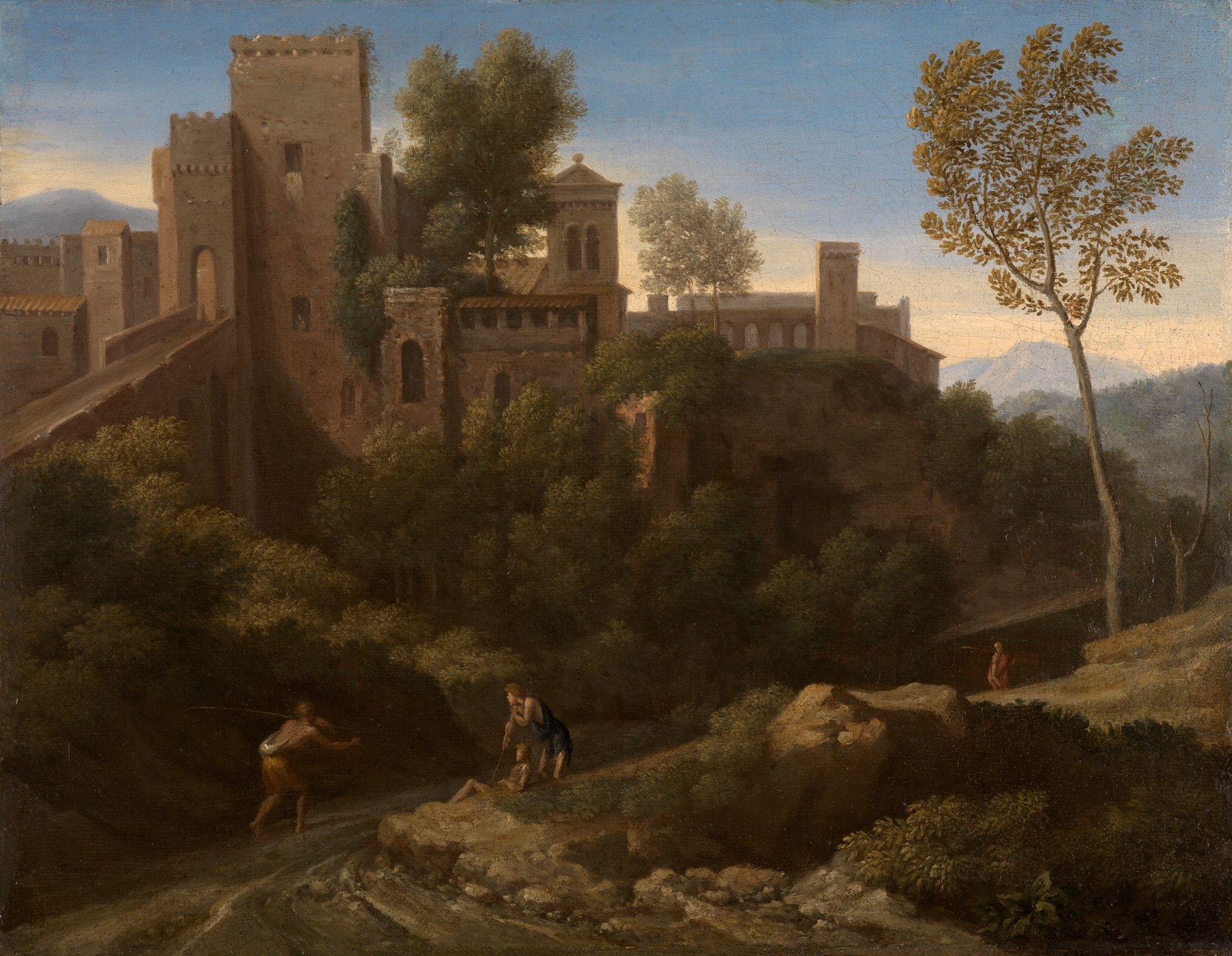
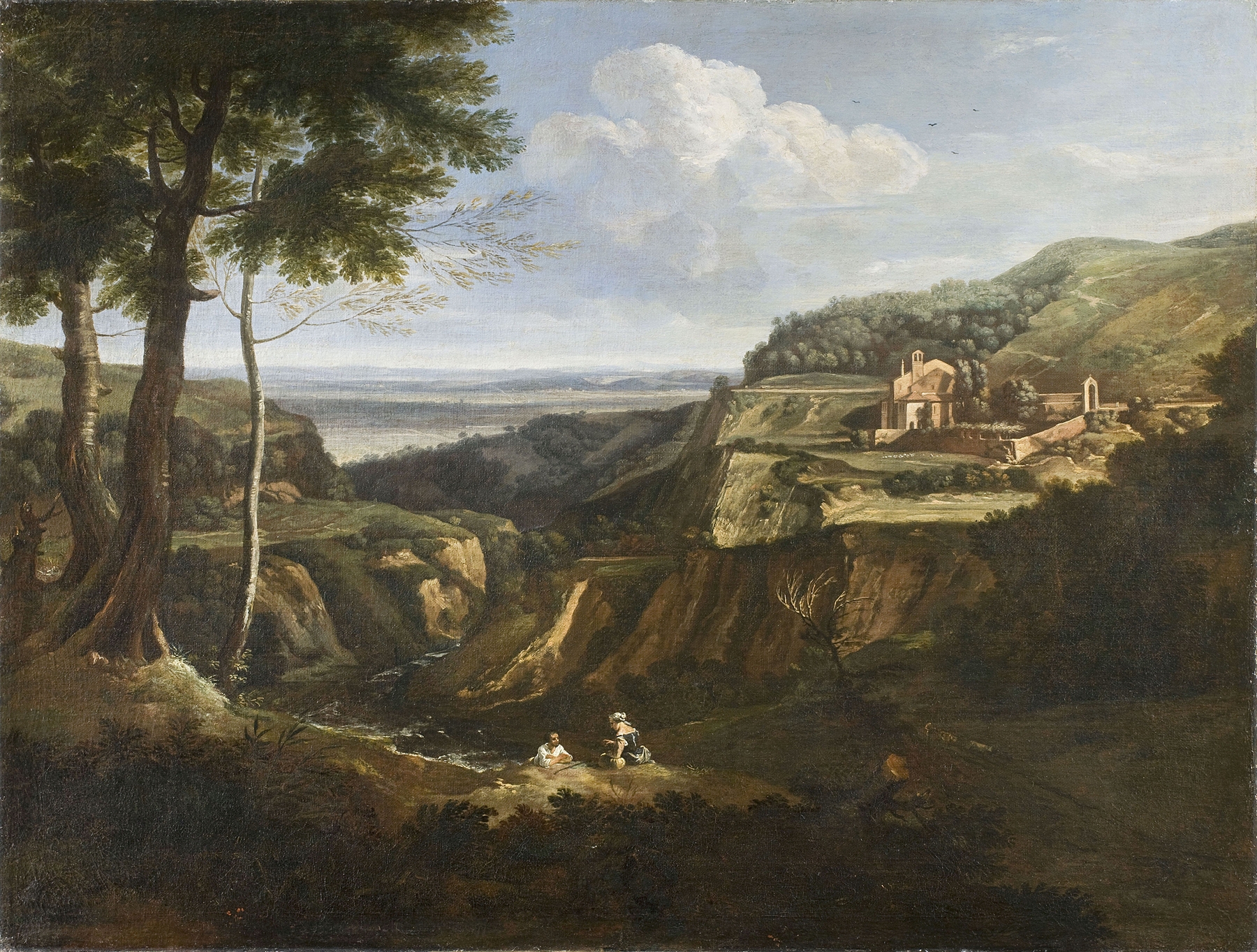
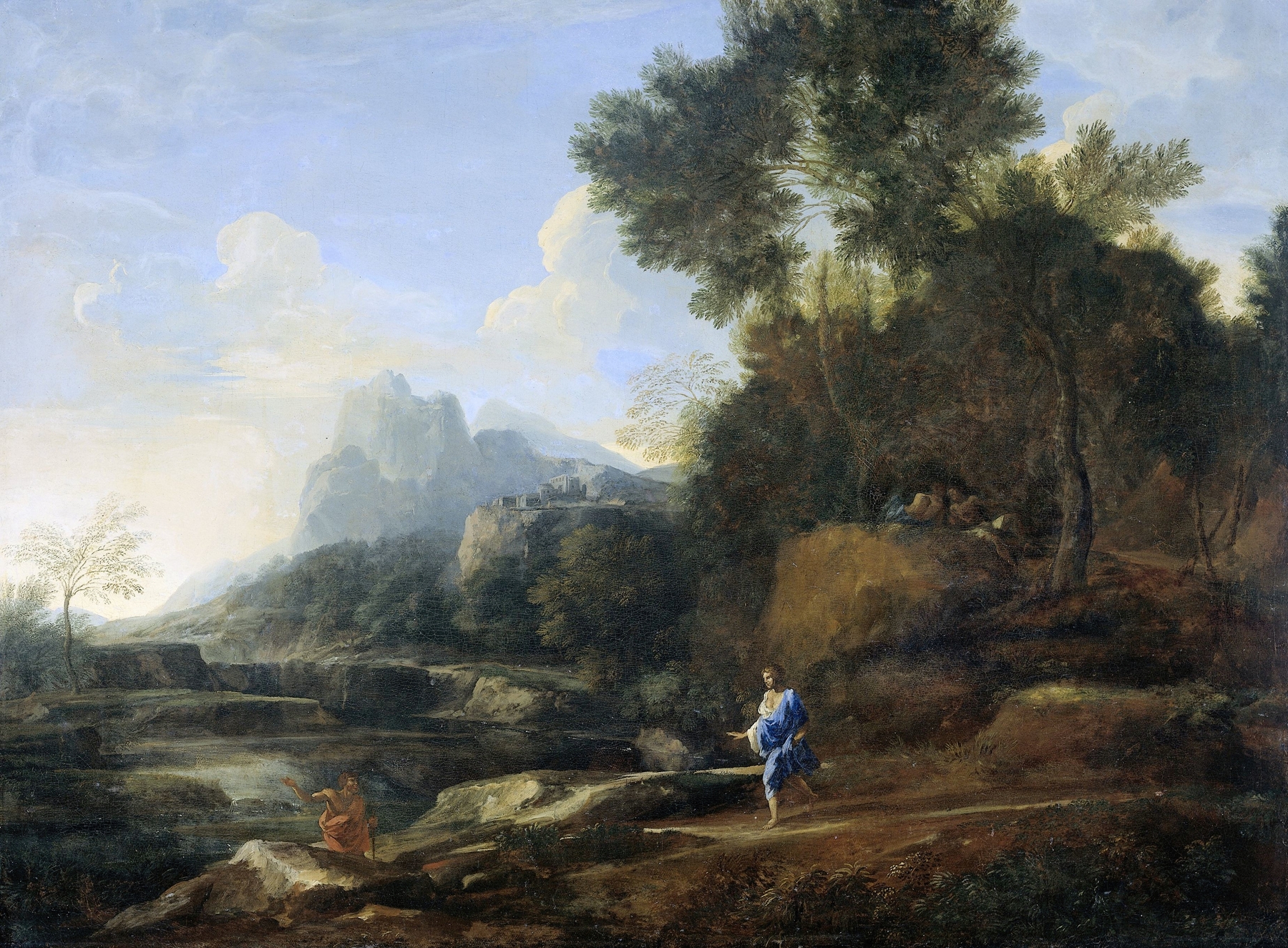
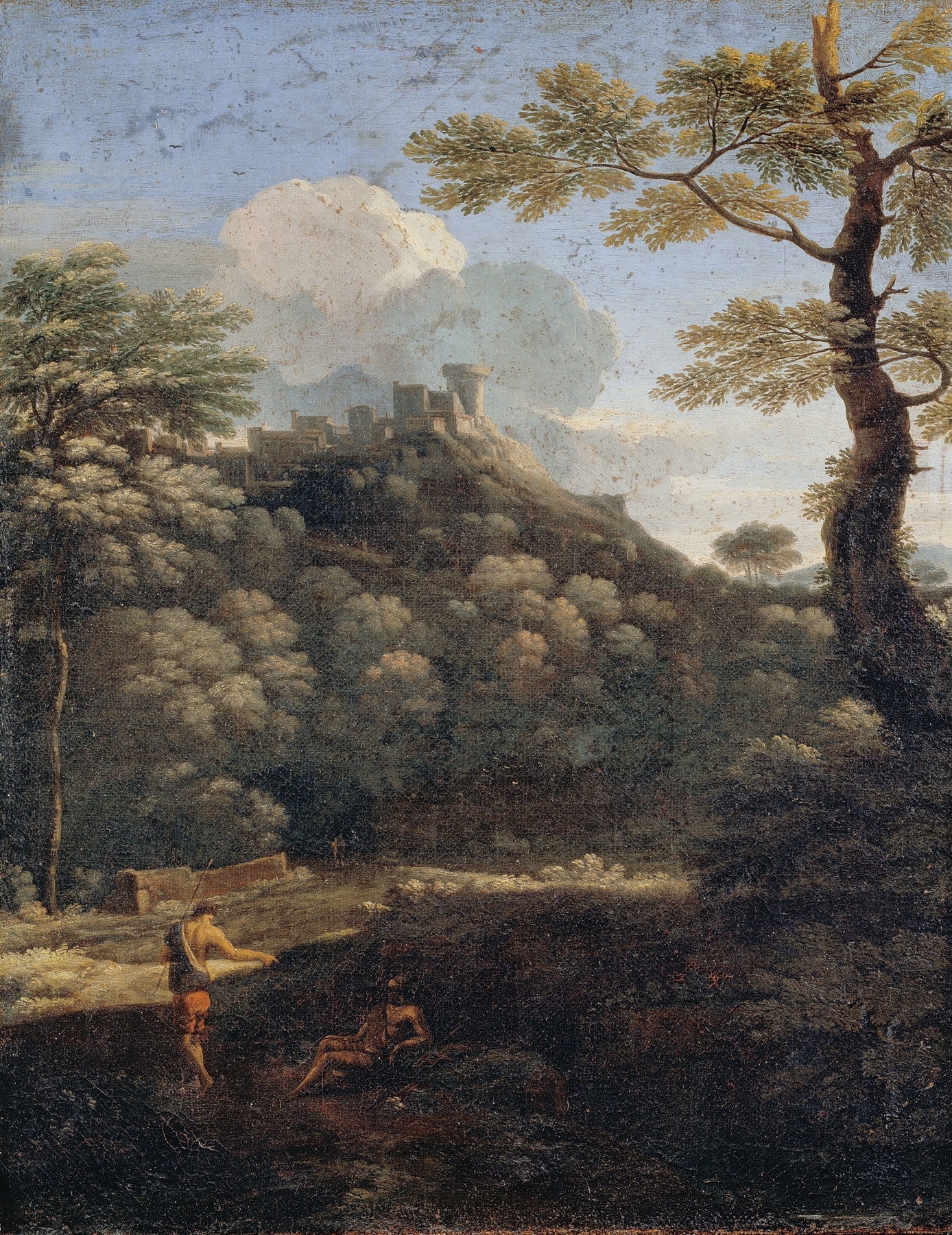
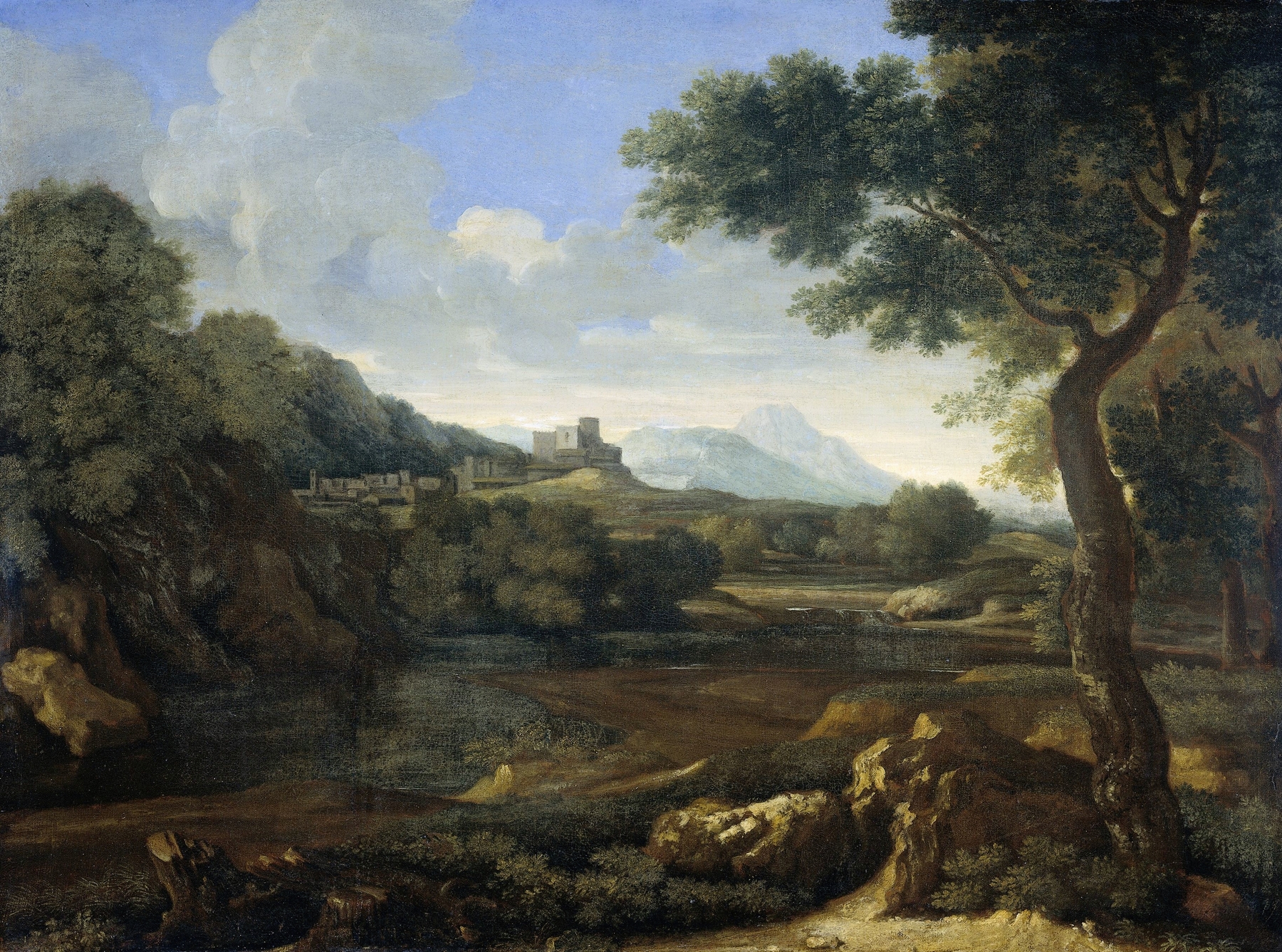
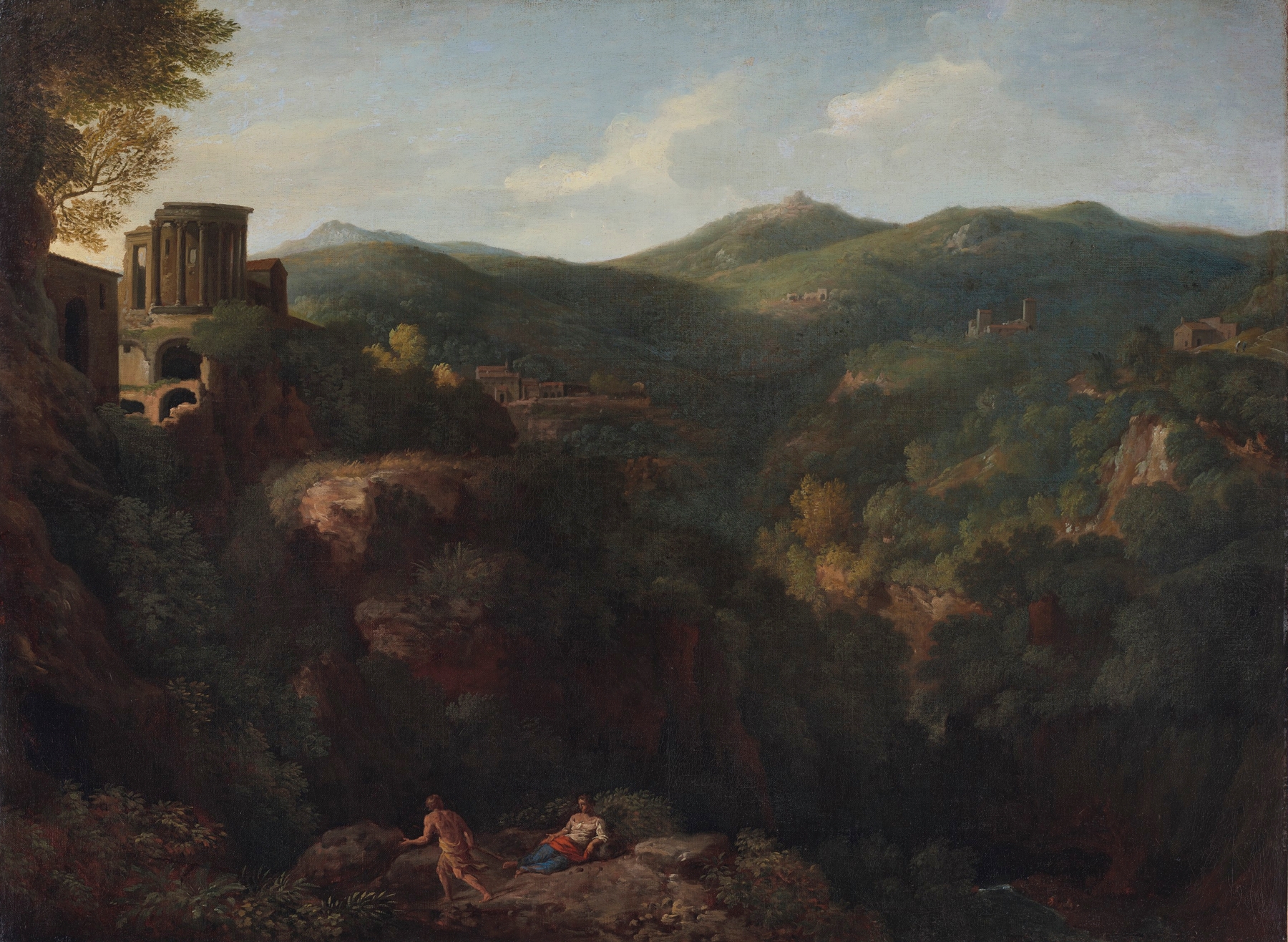
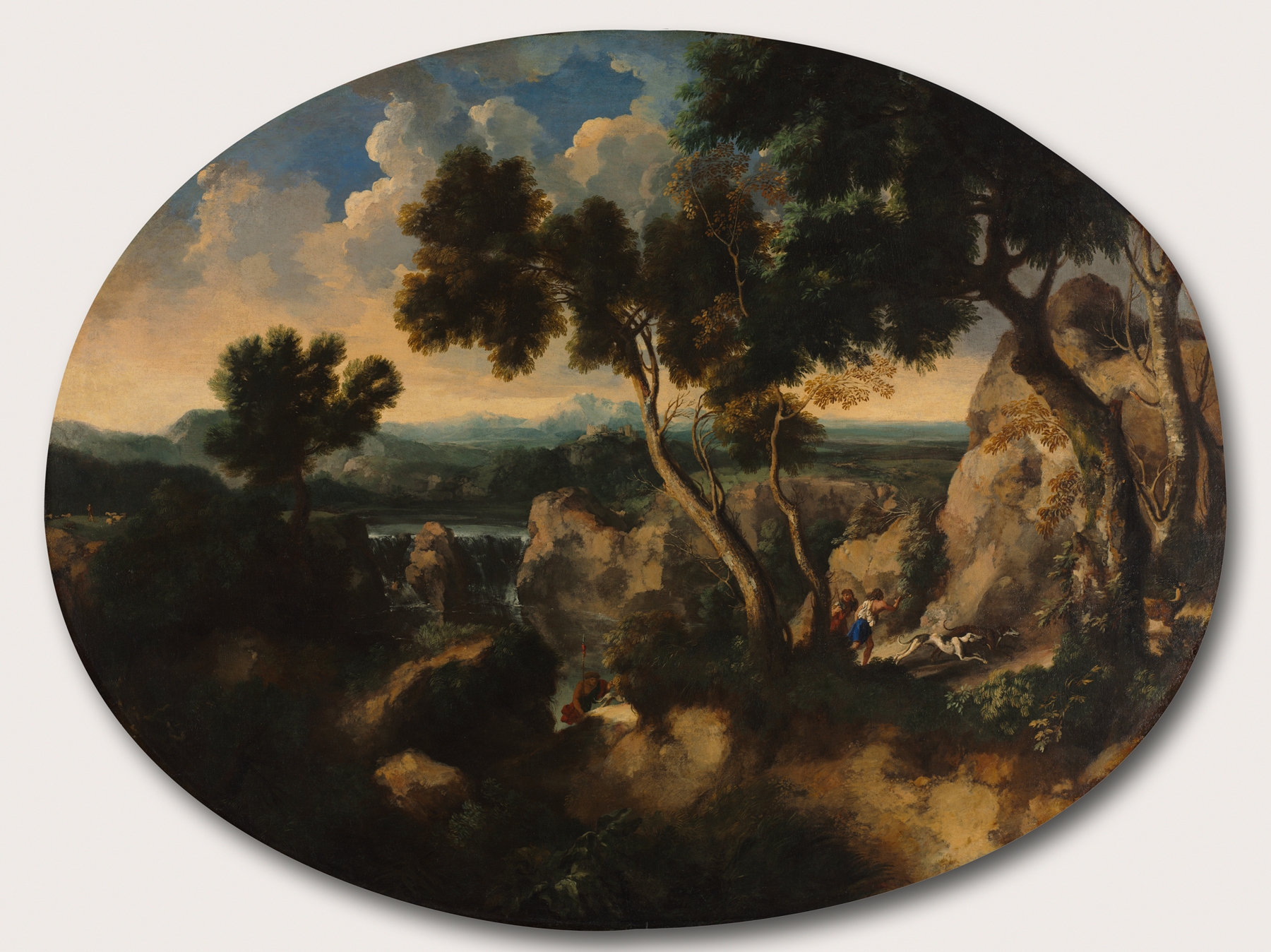
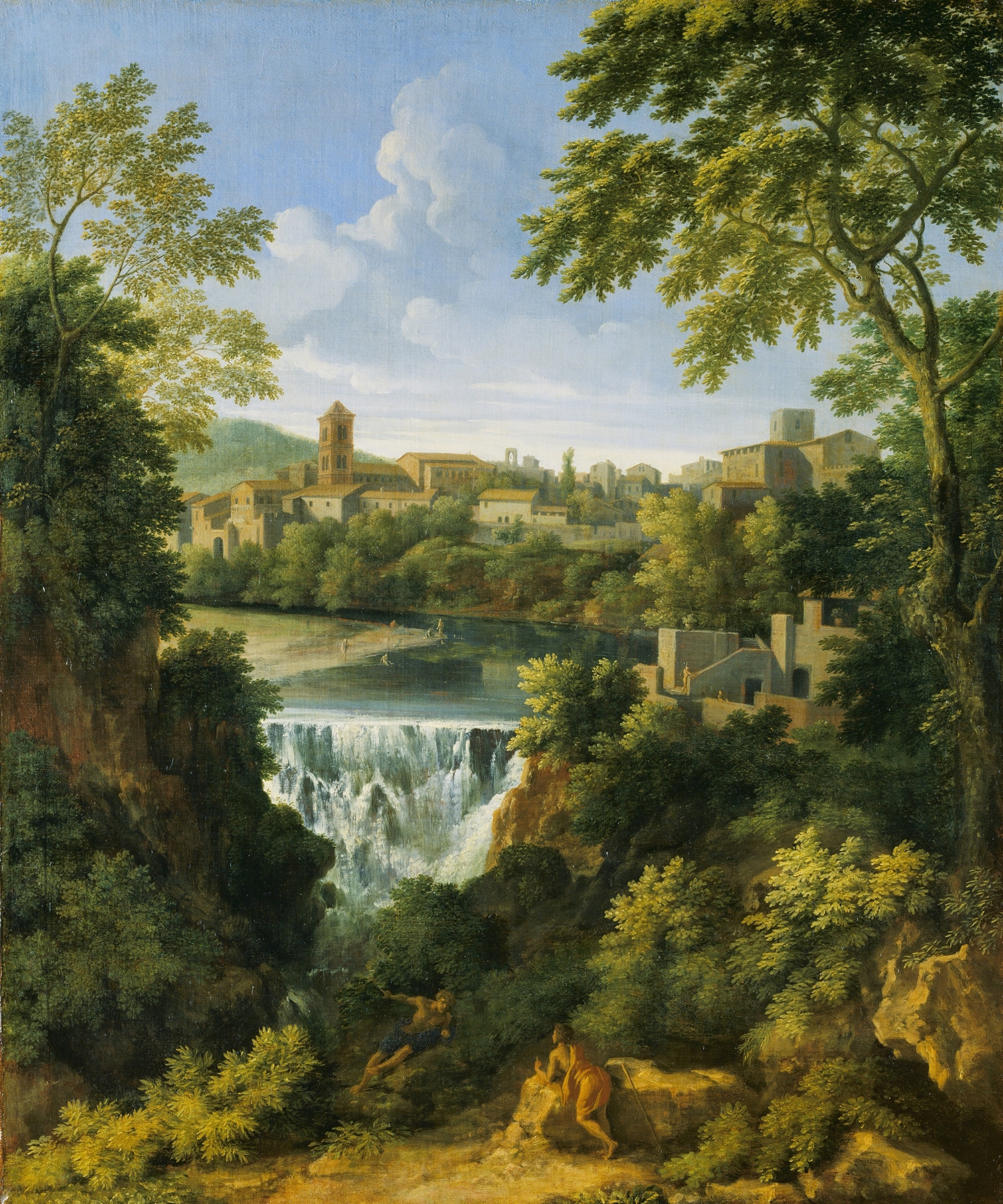
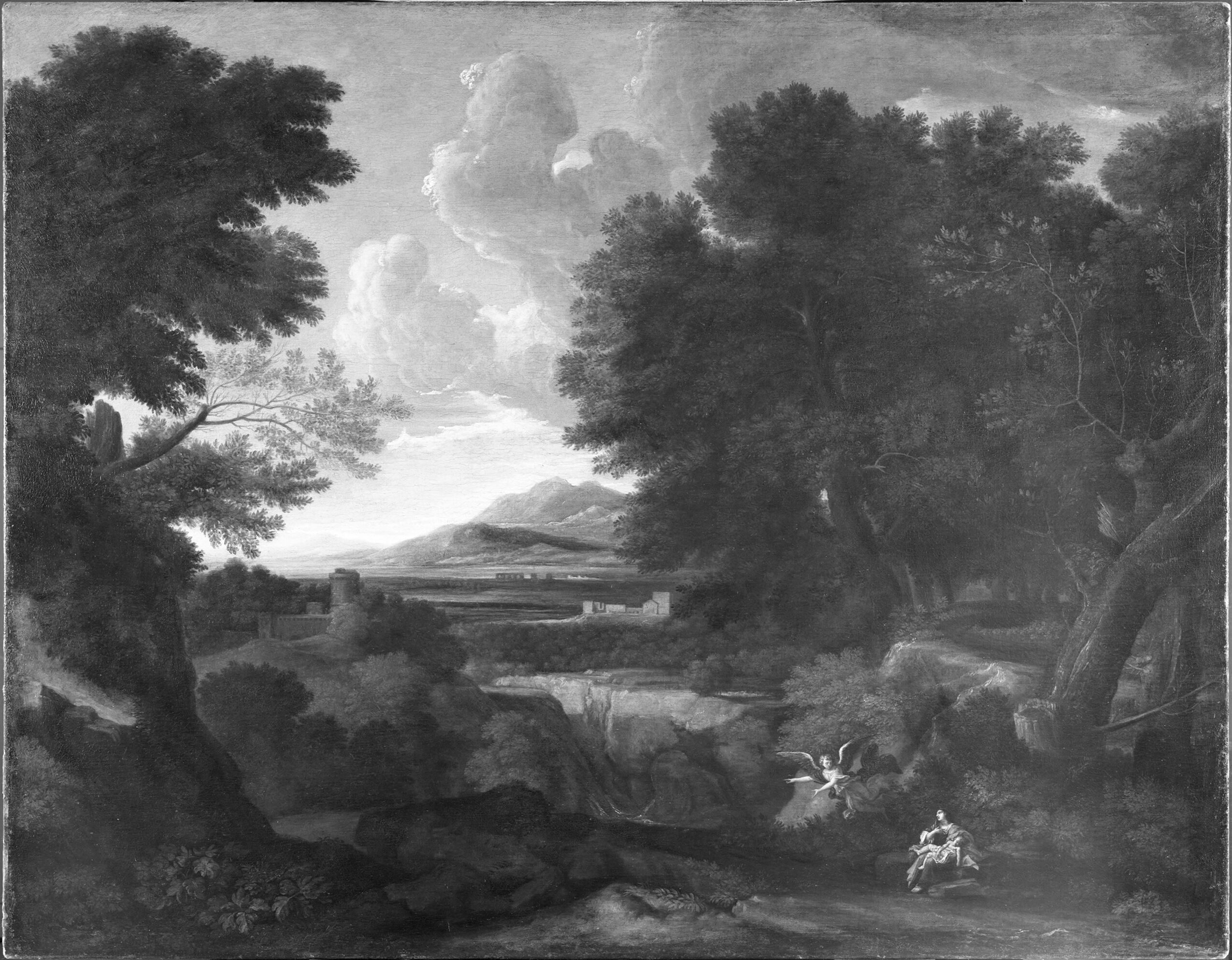
“Art reveals the soul when the world turns away.” In Landscape with the Cascades of Tivoli, nature teeters on the brink of madness, both wild and serene, inviting us into its embrace while hinting at a tumultuous undercurrent. Look to the left where cascading waterfalls spill over rocky outcrops, their frothy white water contrasting sharply with the deep greens of the surrounding foliage. The artist’s deft brushwork creates a dynamic rhythm, leading the eye through the composition to the sun-drenched rocks that cradle the serene pools below. Notice how the warm golden hues of sunlight play against the cool shadows, revealing the tension between tranquility and chaos that defines this scene.
Peering closer, one finds hints of humanity's presence amidst the wildness—small figures traversing the landscape, dwarfed by the monumental natural forms that surround them. This contrast amplifies a sense of isolation, suggesting that even in nature’s beauty, there exists an underlying madness, reflective of the human struggle to find peace amidst turmoil. The intricate detailing of foliage and water serves to draw the viewer into a contemplative state, where the stillness of the scene belies the emotional turbulence it evokes.
In 1650, Gaspard Dughet painted this work during a time when the Baroque movement was flourishing, characterized by dramatic contrasts and emotional depth. Working in Rome, he was influenced by the grandeur of the Italian landscape, positioning himself as a prominent figure in the artistic dialogue of his time. Amidst personal and political upheavals, his landscapes became a refuge, channeling both the sublime beauty of nature and the complexities of the human condition.