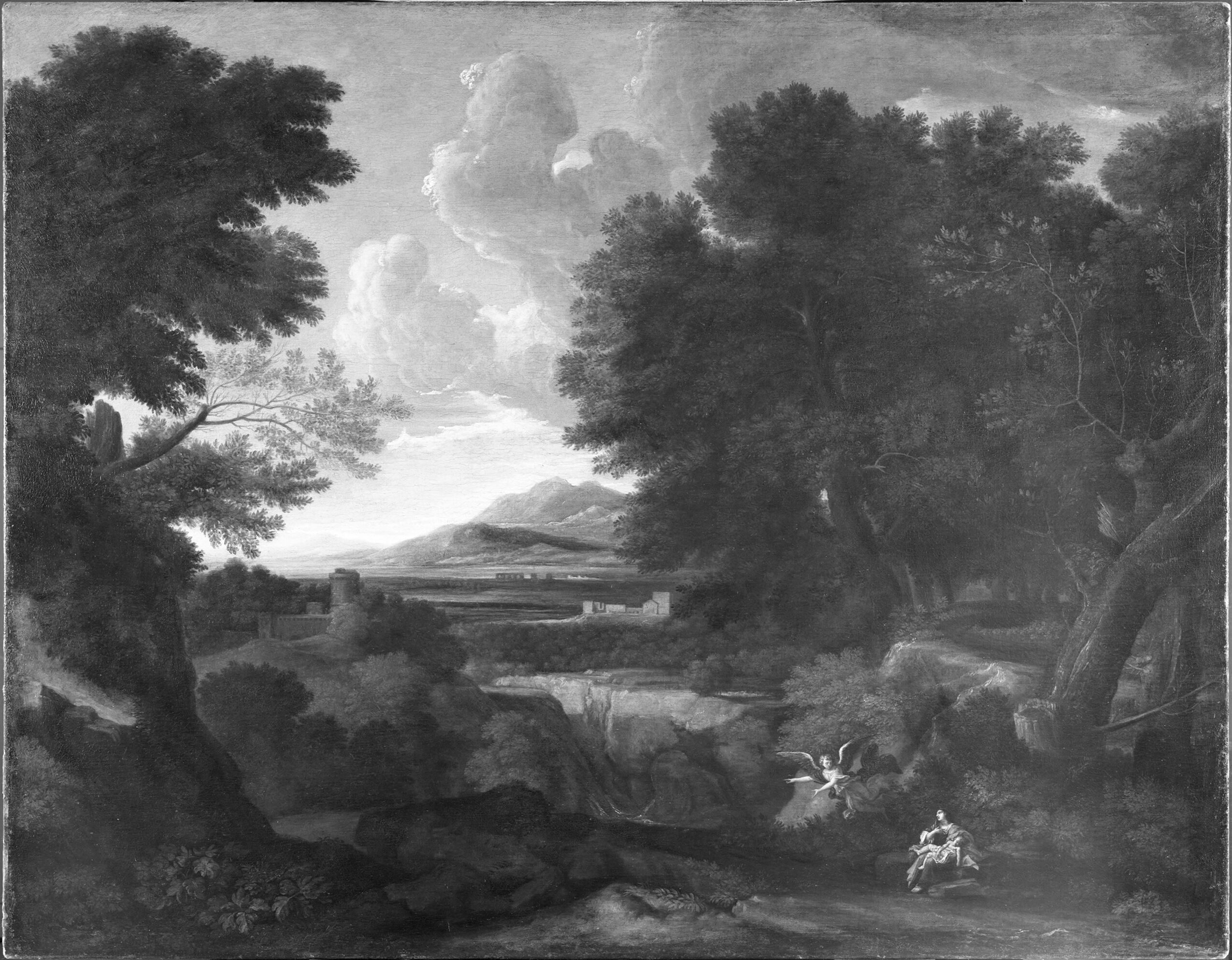
View of the Hermitage of Camaldoli near Frascati — History & Analysis
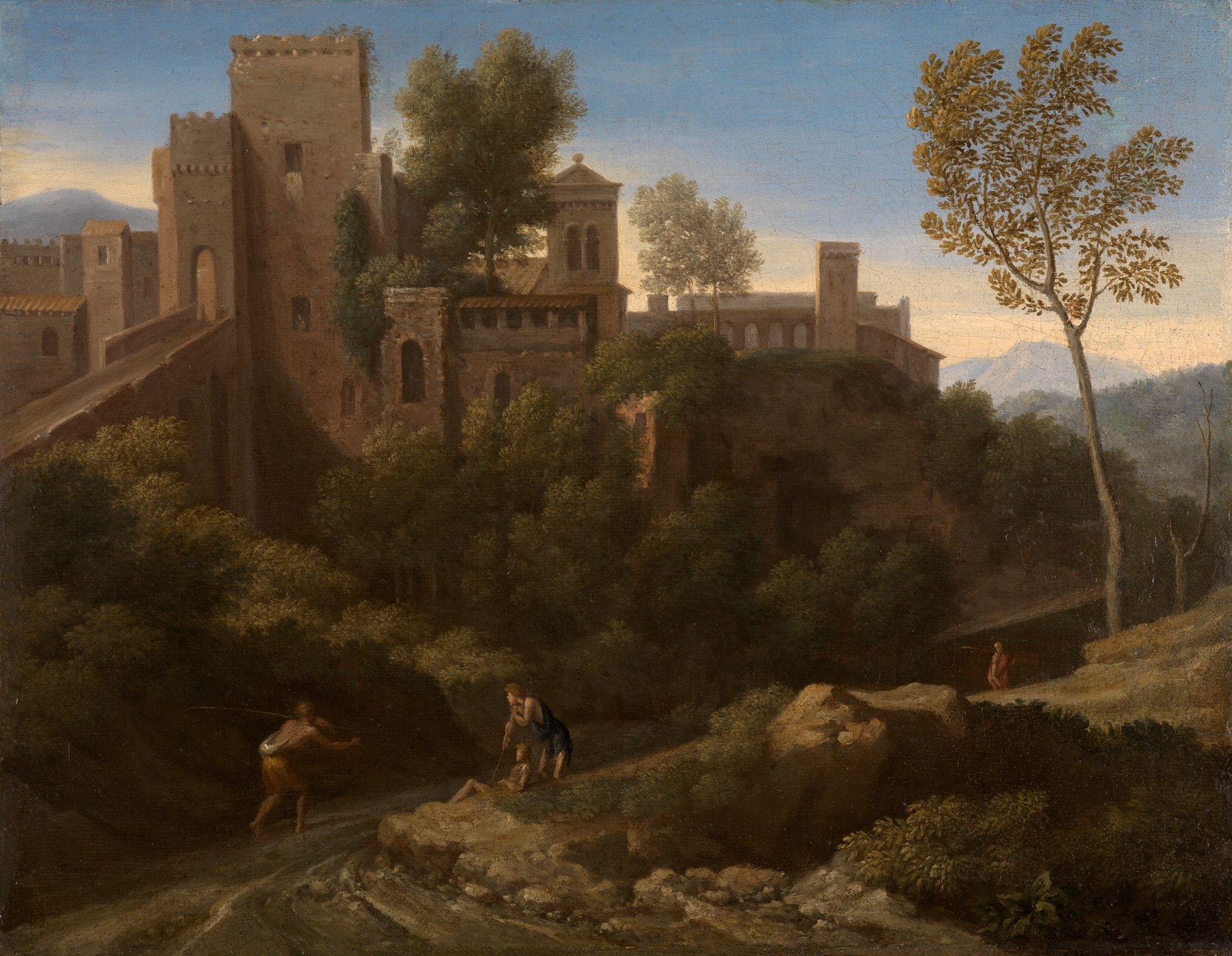
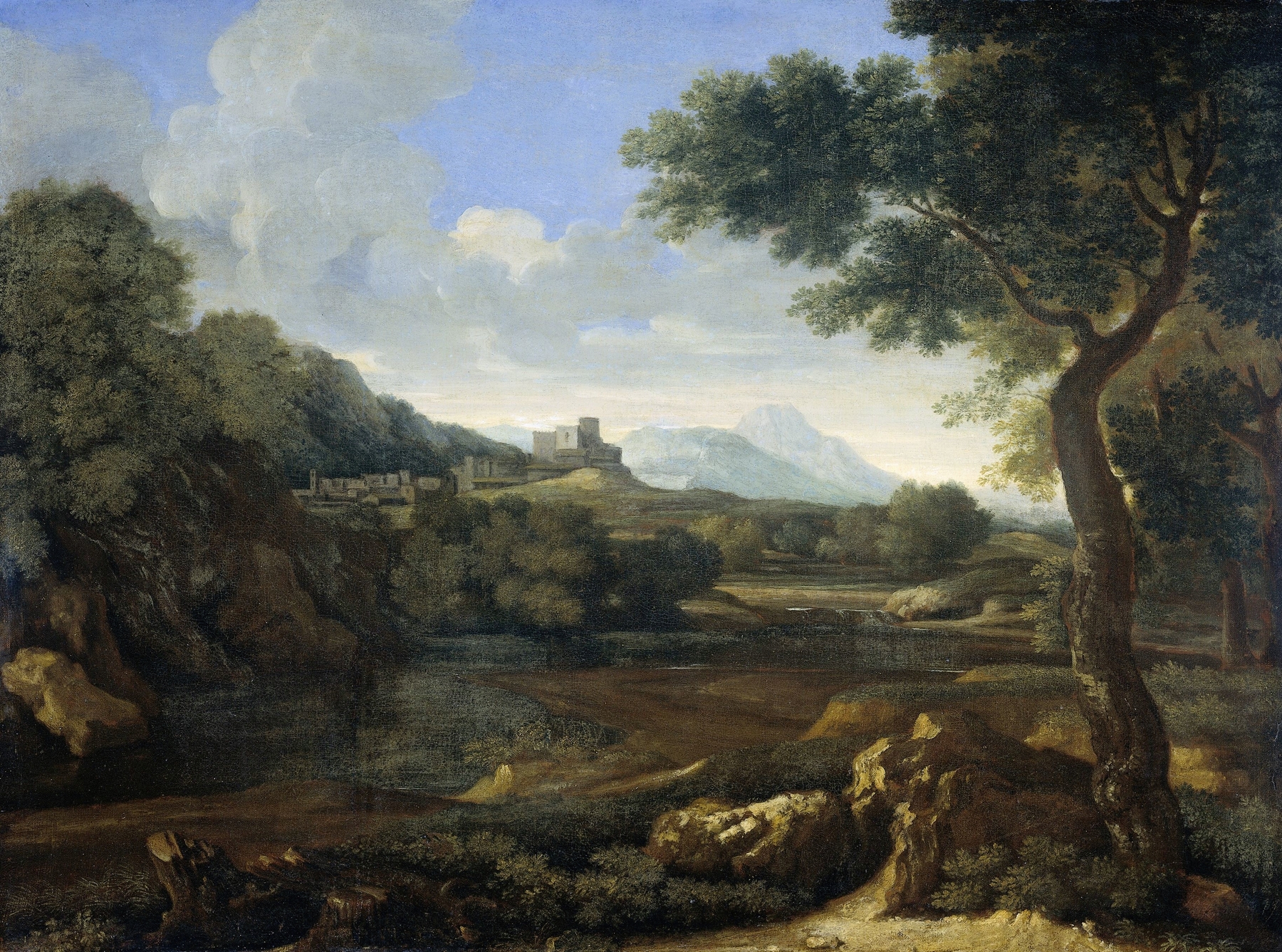
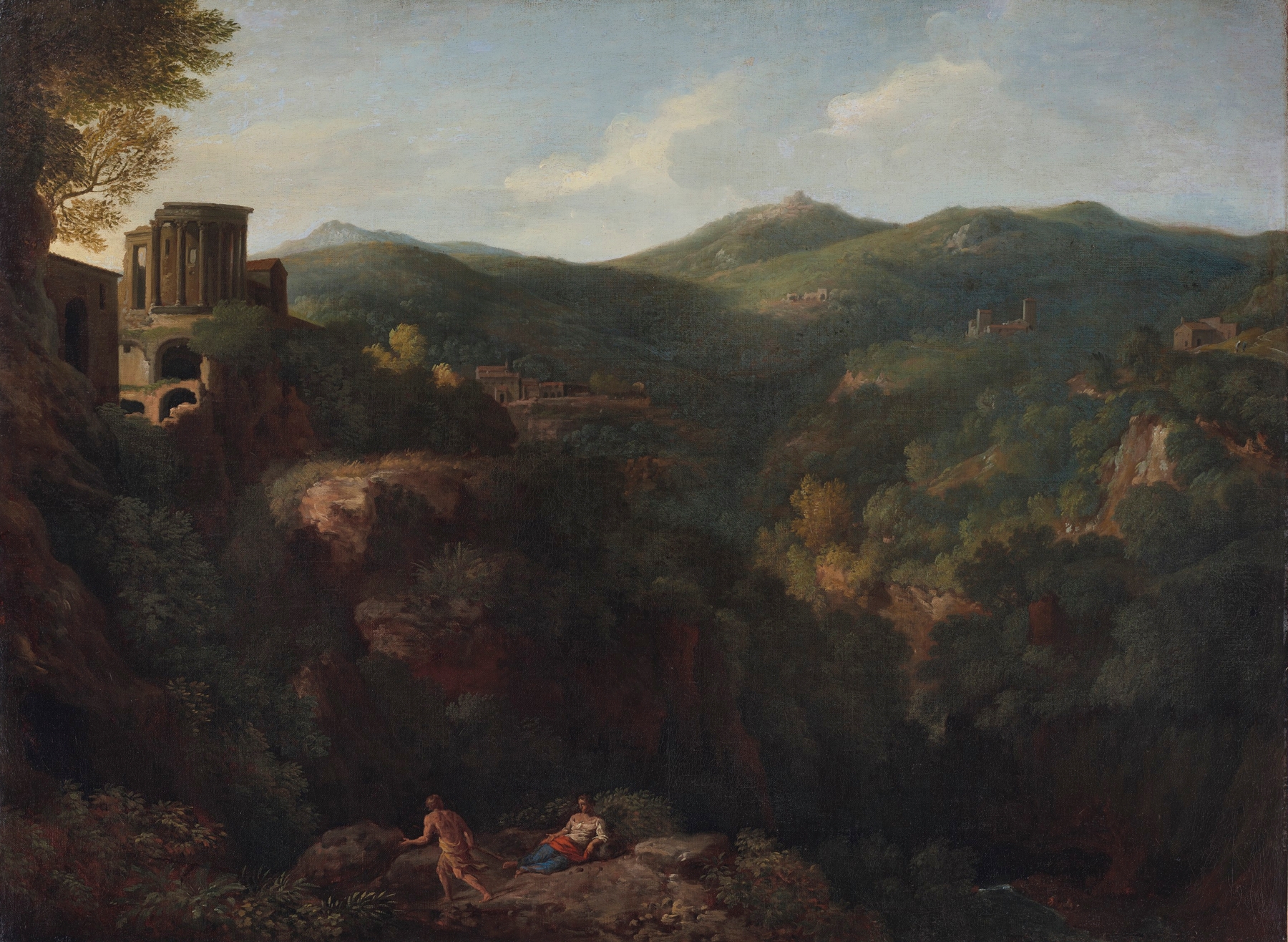
When did color learn to lie? Beneath the serene facade of nature’s beauty, fragility weaves through the brushstrokes, whispering secrets of both majesty and decay. Look to the left at the delicate interplay of greens and golds in the foliage that flanks the Hermitage. Notice how the sunlight dapples the landscape, illuminating the soft contours of the hills and inviting the eye to wander along the winding paths.
The composition skillfully balances linear perspective with gentle curves, leading us beyond the rustic stone structure nestled among the trees, while soft, muted tones evoke a timeless quality, enveloping the viewer in a sense of peace. Yet, this tranquility is punctuated by subtle tensions. The looming clouds in the distance hint at an impending storm, an eternal reminder of nature’s unpredictability. The crumbling stone of the Hermitage reflects the passage of time, echoing the transient beauty of life itself.
Here, elements of permanence and impermanence coexist, manifesting the fragility inherent in both landscape and human endeavor. During the years 1670 to 1675, the artist resided in Italy, a period marked by the integration of the baroque style into the classical landscape tradition. Dughet, who was influenced by the likes of Claude Lorrain, sought to capture the natural world with a serene yet introspective approach. The era was rich with artistic evolution, as painters explored emotional depth and atmospheric effects, which profoundly shaped Dughet's interpretation of his surroundings.