Italian Landscape — History & Analysis
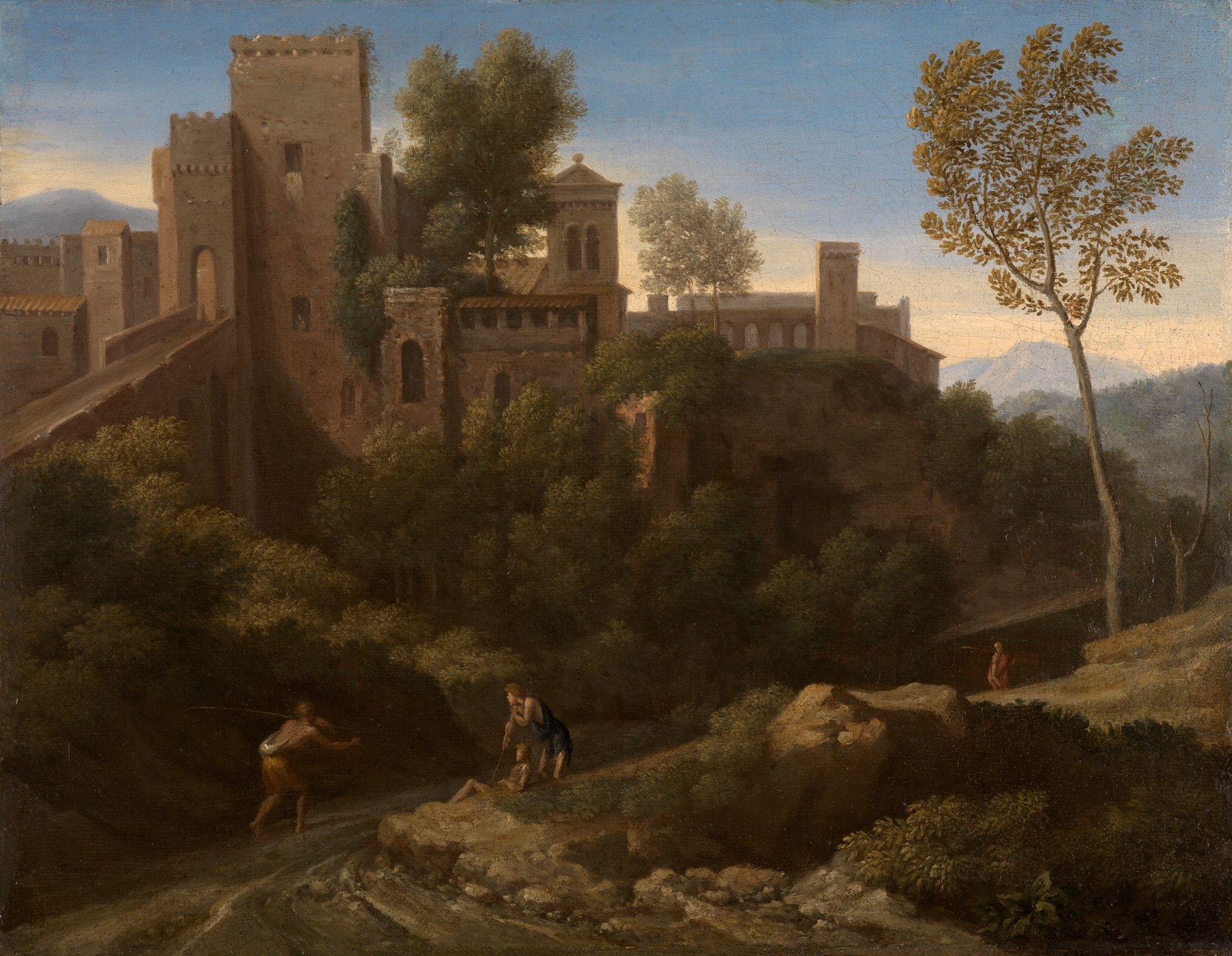
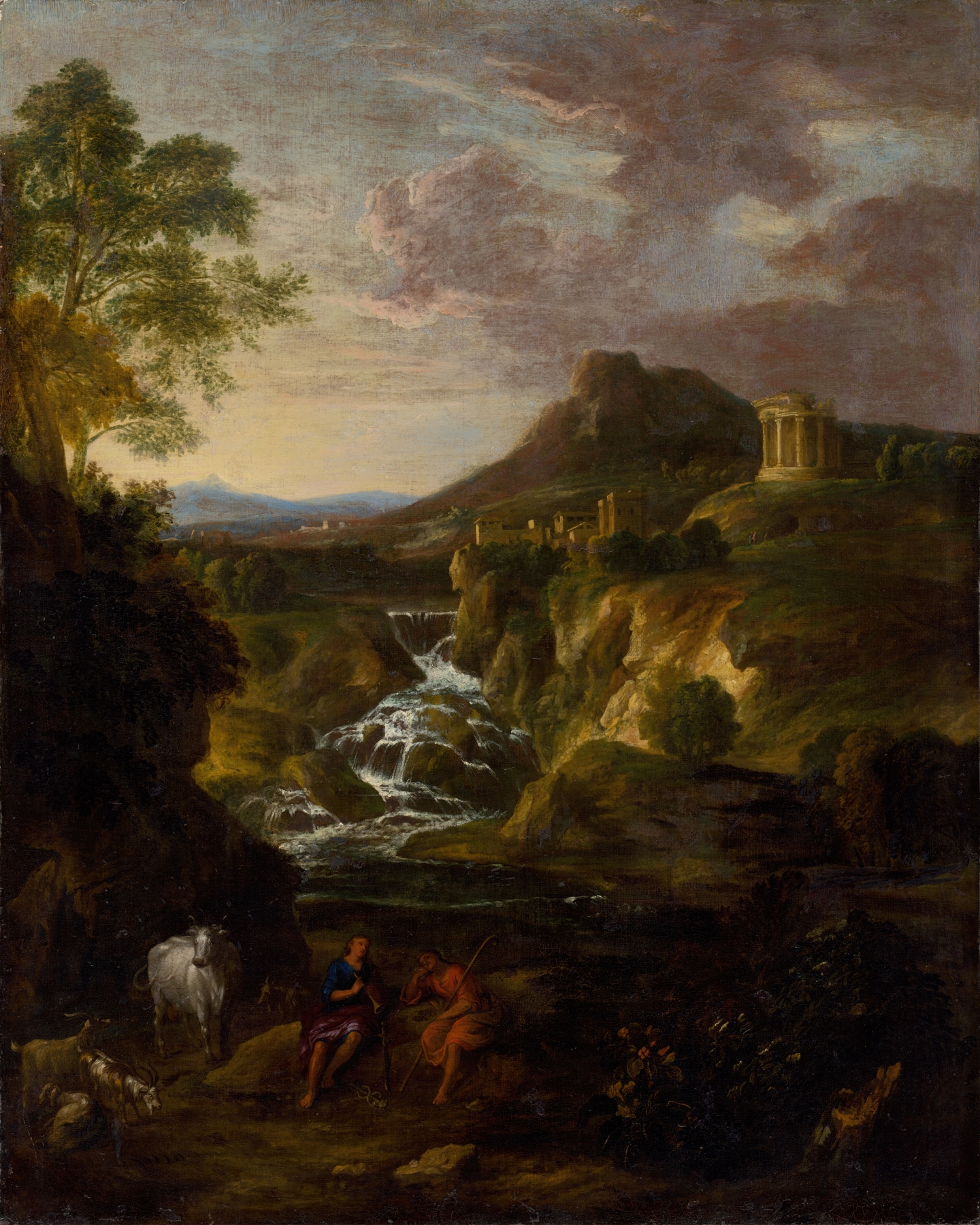
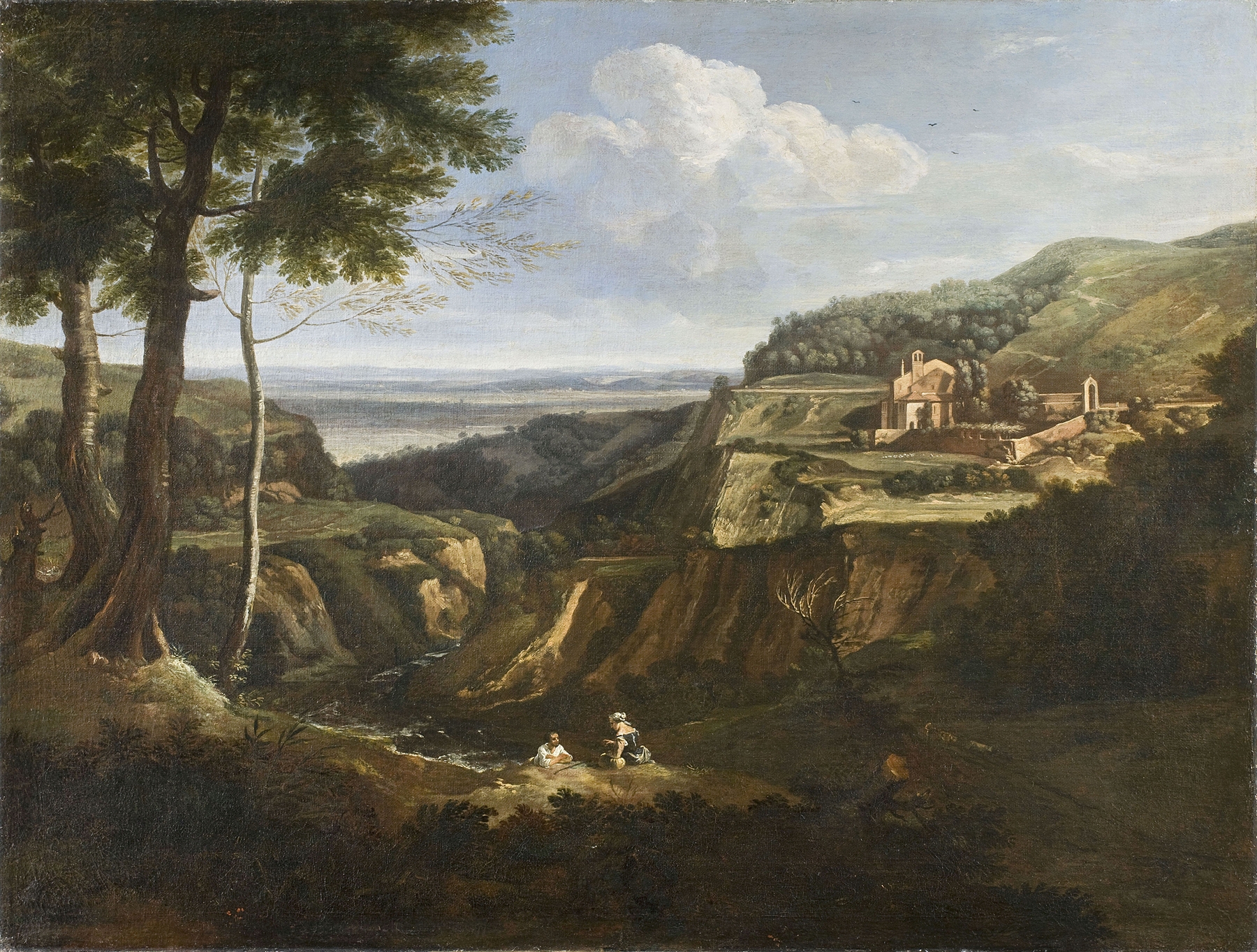
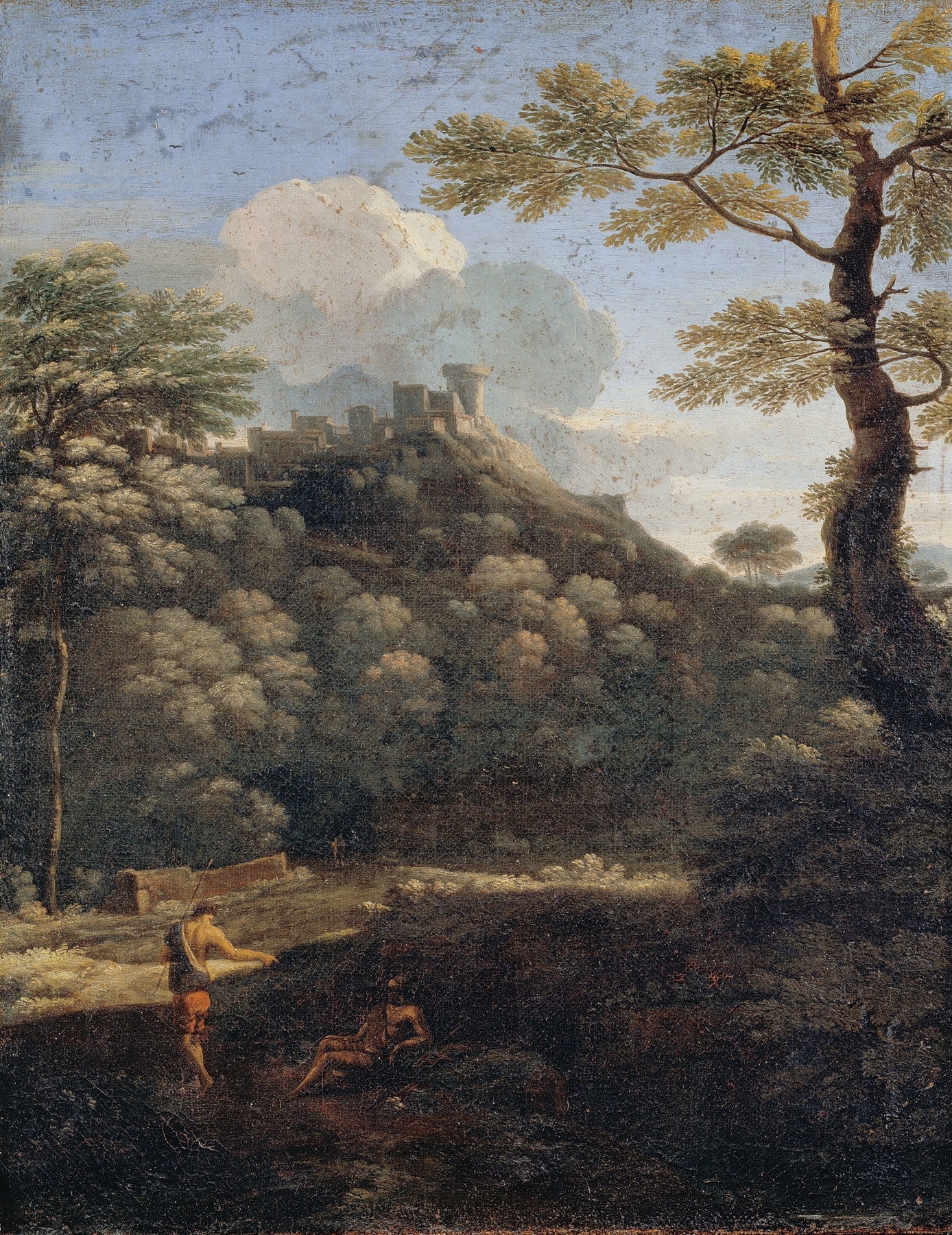
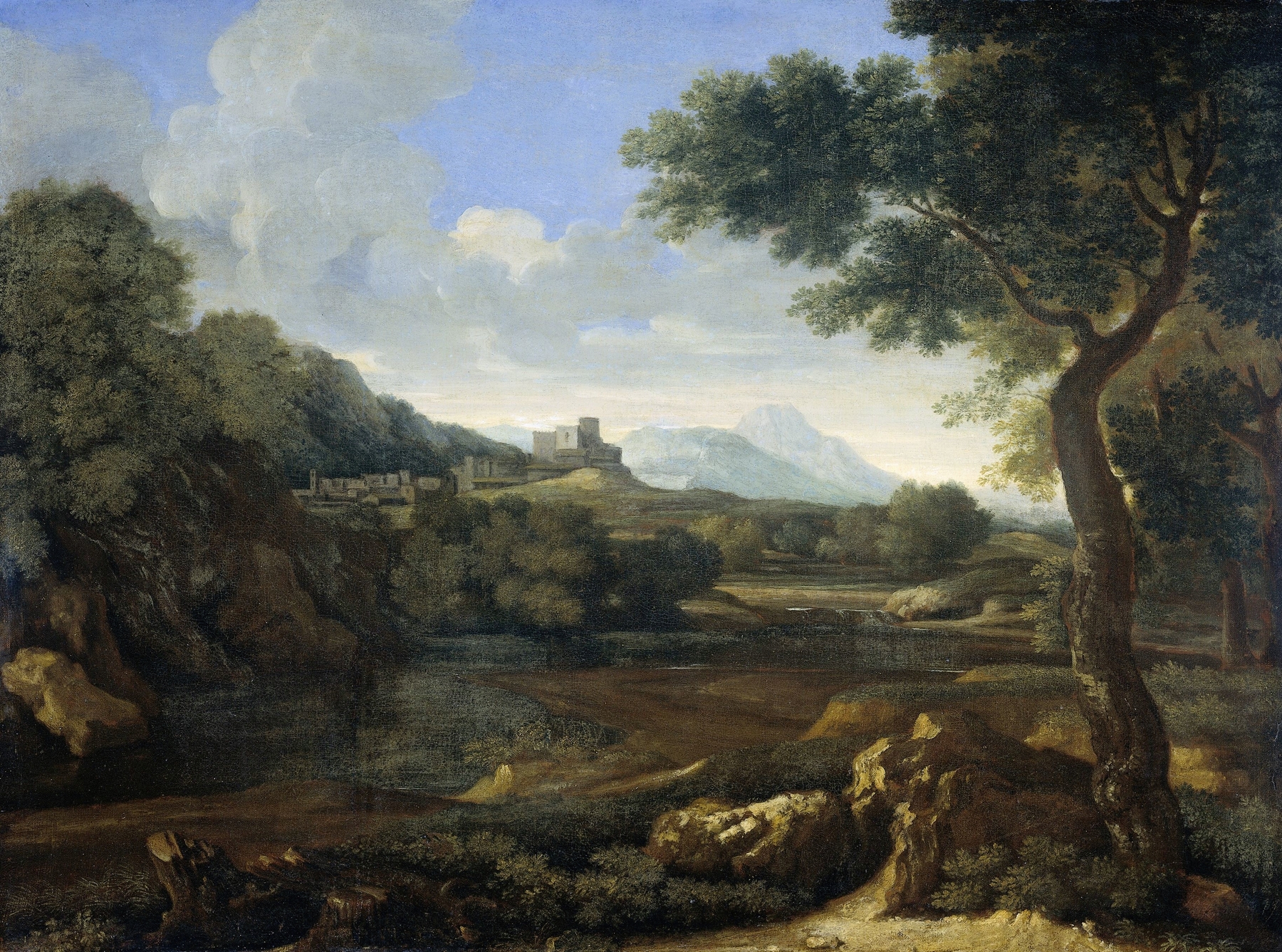
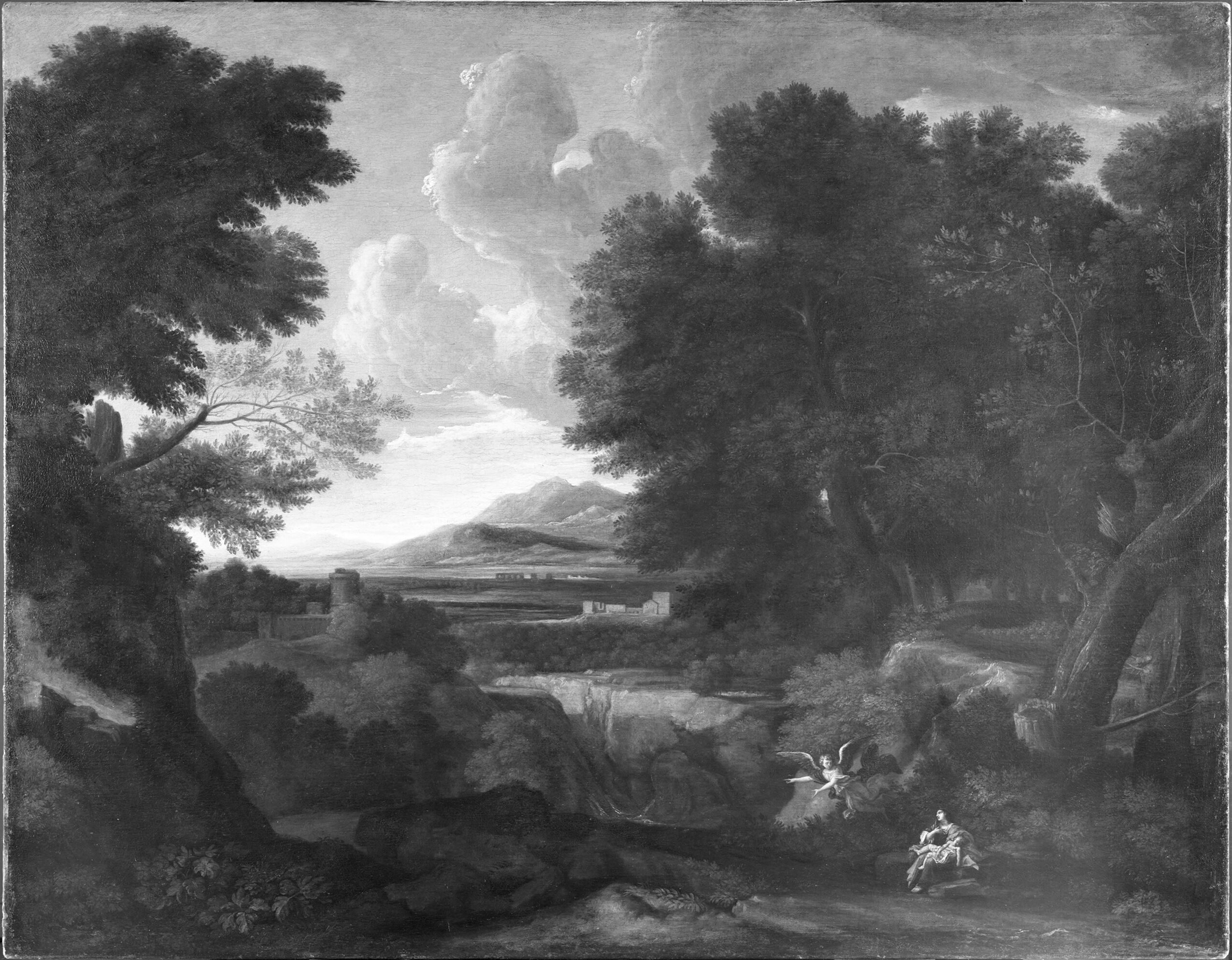
“To paint is to remember what time wants us to forget.” In the stillness of an Italian landscape, the artist captures a delicate equilibrium between nature and memory, inviting viewers to reflect on the transient beauty of life itself. Look to the left at the majestic mountains, their peaks softly kissed by the clouds, cloaked in a palette of muted greens and browns. The foreground reveals an inviting pathway winding through lush foliage, guiding the eye deeper into the scene. Notice how the dappled sunlight filters through the trees, casting intricate shadows that dance along the ground, a masterful technique that highlights Dughet’s ability to render depth and texture.
The harmonious blend of light and earth tones creates a serene atmosphere that is both grounding and ethereal. Delve into the details, and you’ll find subtle contrasts that evoke deeper emotions—the juxtaposition of the sturdy mountains against the fragile beauty of the wildflowers scattered at their base symbolizes resilience in the face of time’s passage. The winding path serves as a metaphor for life’s journey, meandering yet purposeful, hinting at stories untold.
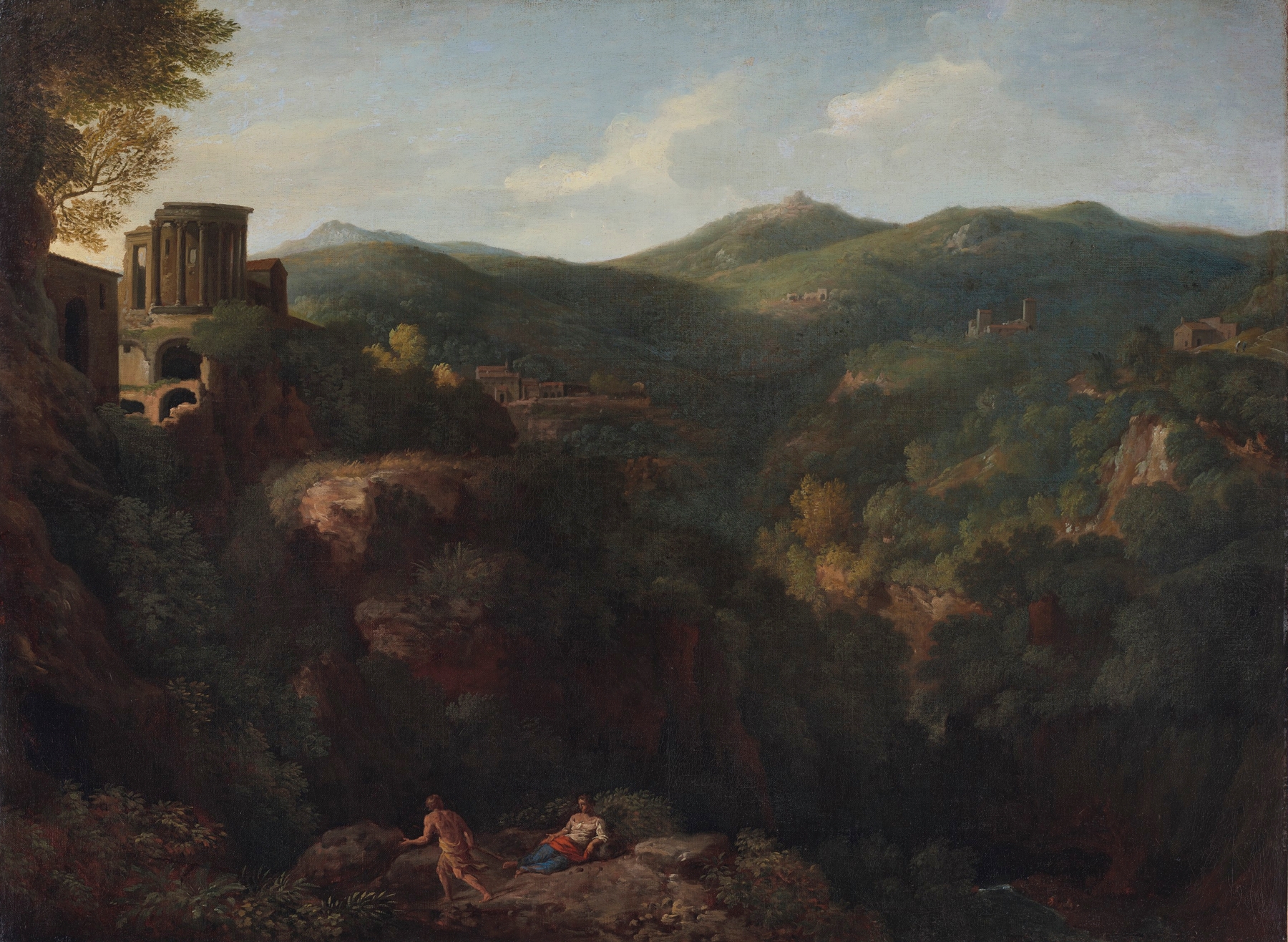
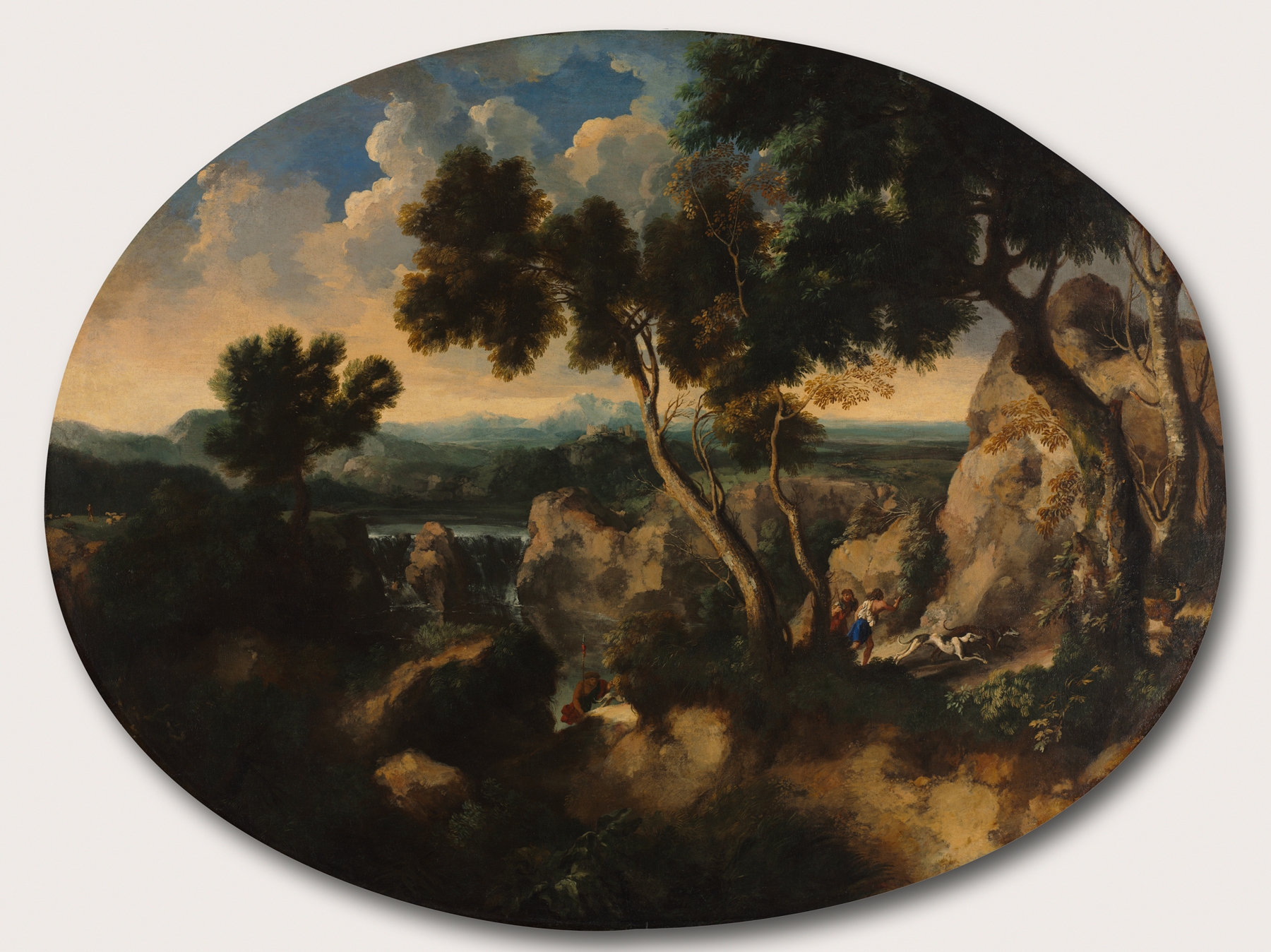
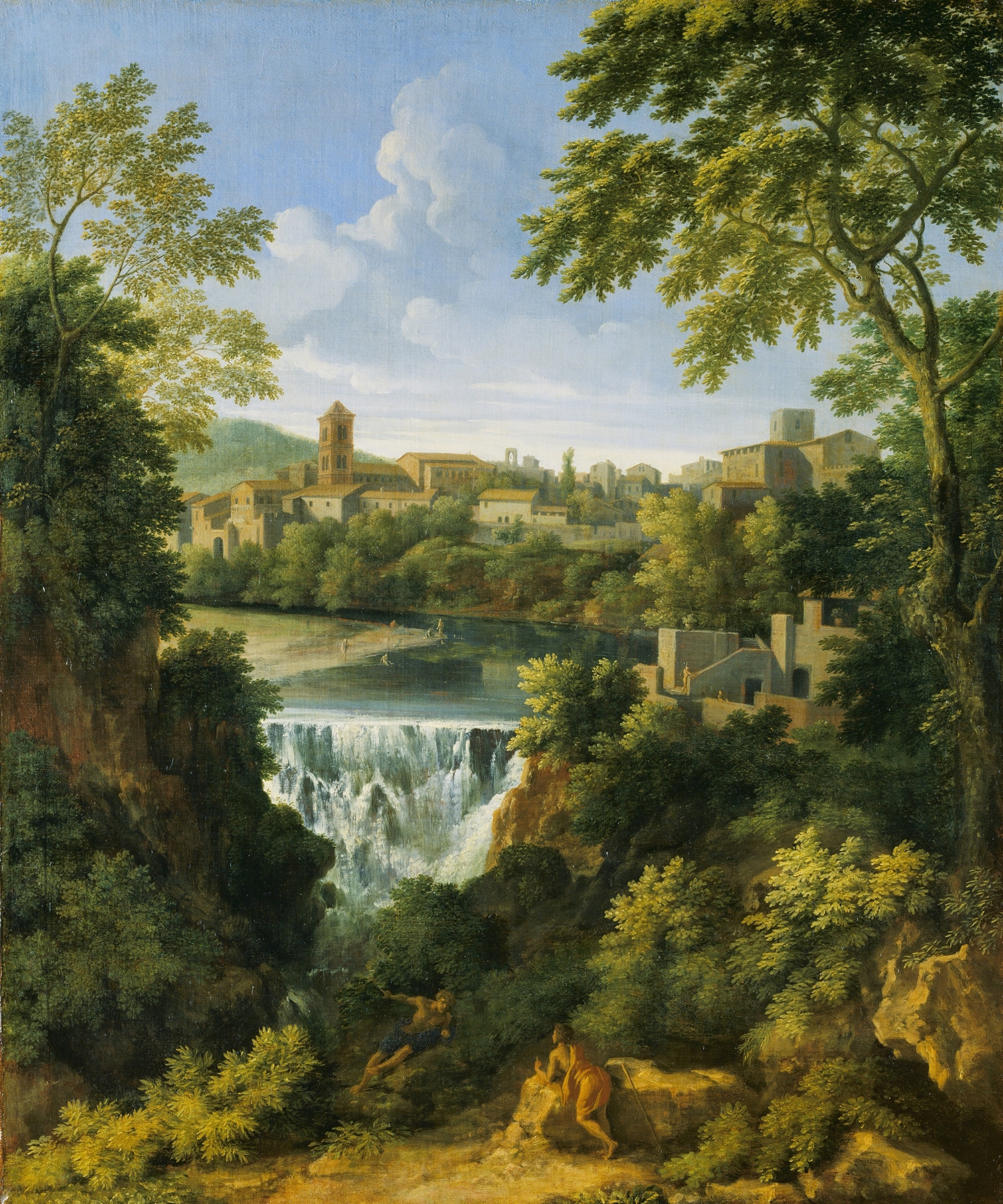
There’s an underlying tension between permanence and impermanence, inviting reflection on the fleeting nature of moments we often take for granted. Gaspard Dughet painted this landscape between 1638 and 1640, during a period marked by his growing prominence in the art world, especially within the Roman landscape tradition. While influenced by predecessors like Claude Lorrain, Dughet's unique vision was emerging, as he sought to capture the Italian countryside not merely as a backdrop but as a character in its own right, rich with narrative and emotional weight.