Landscape — History & Analysis
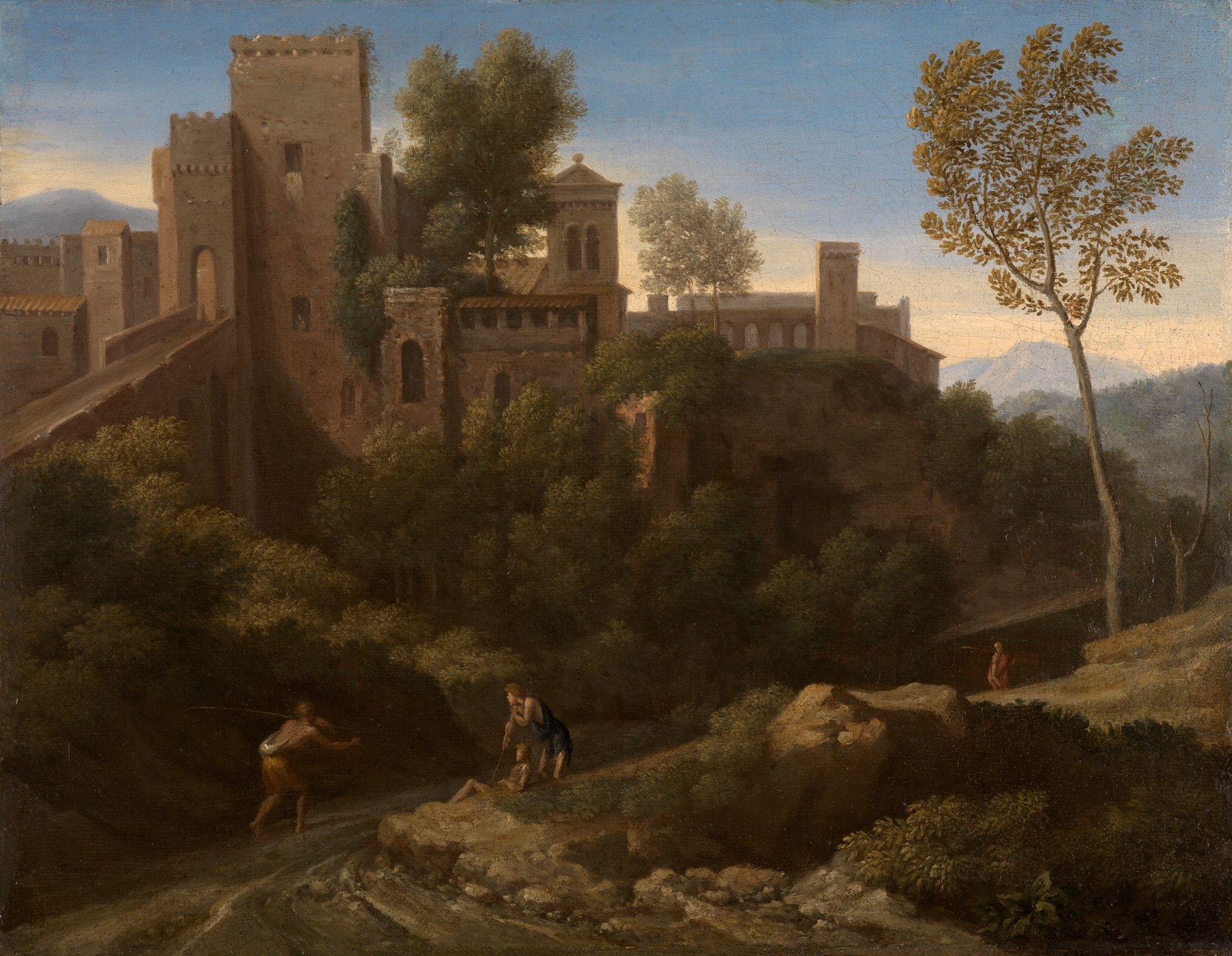
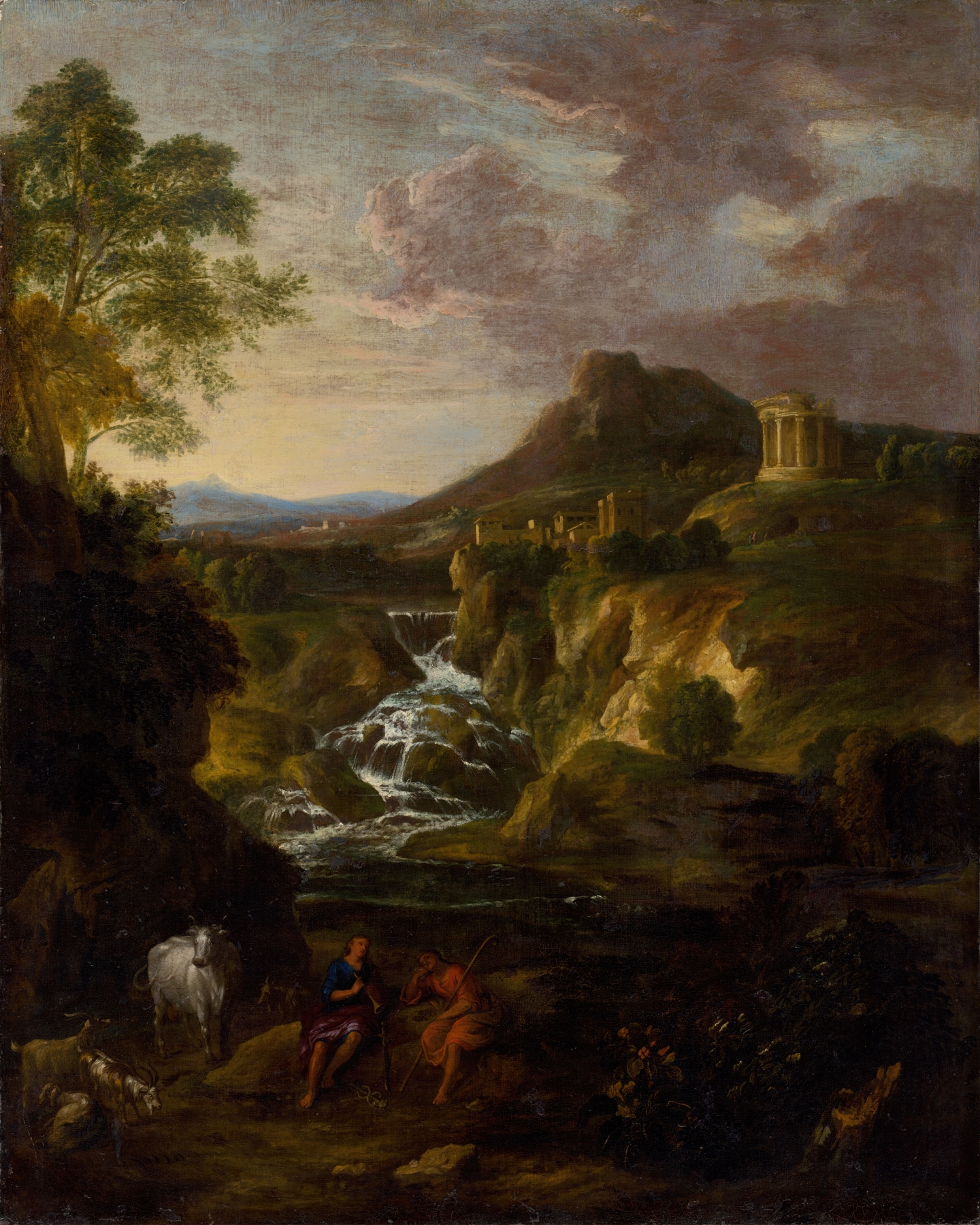
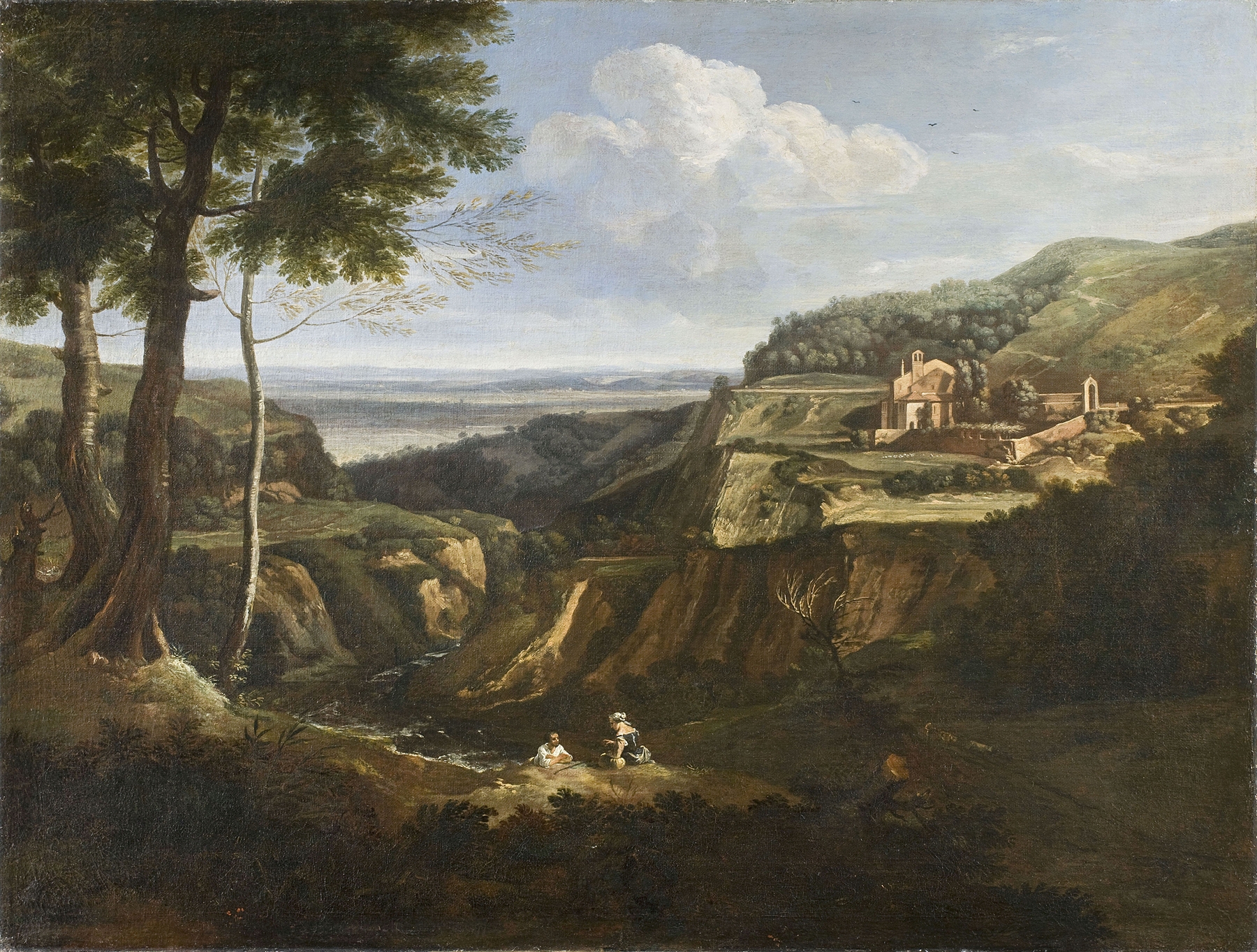
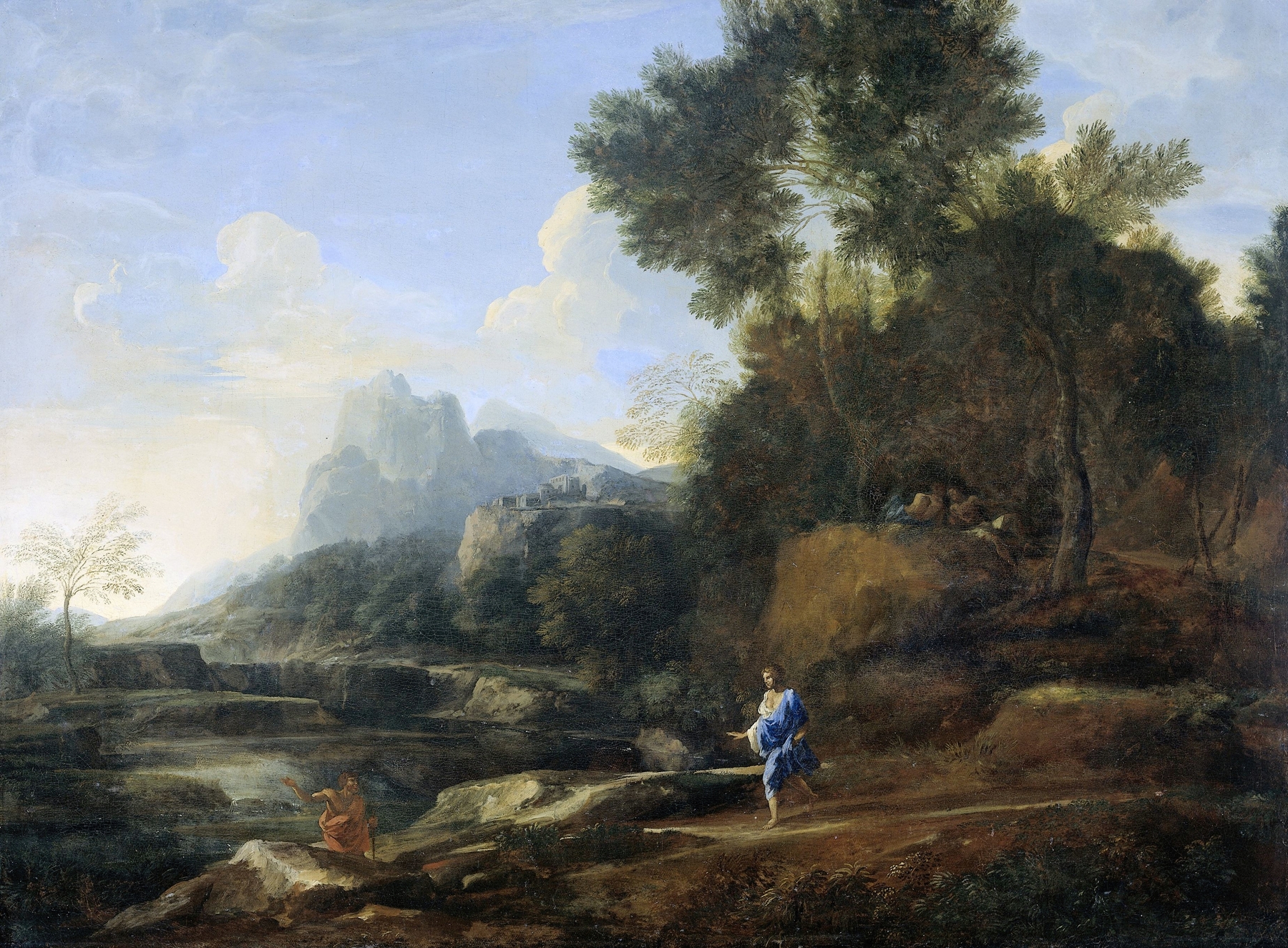
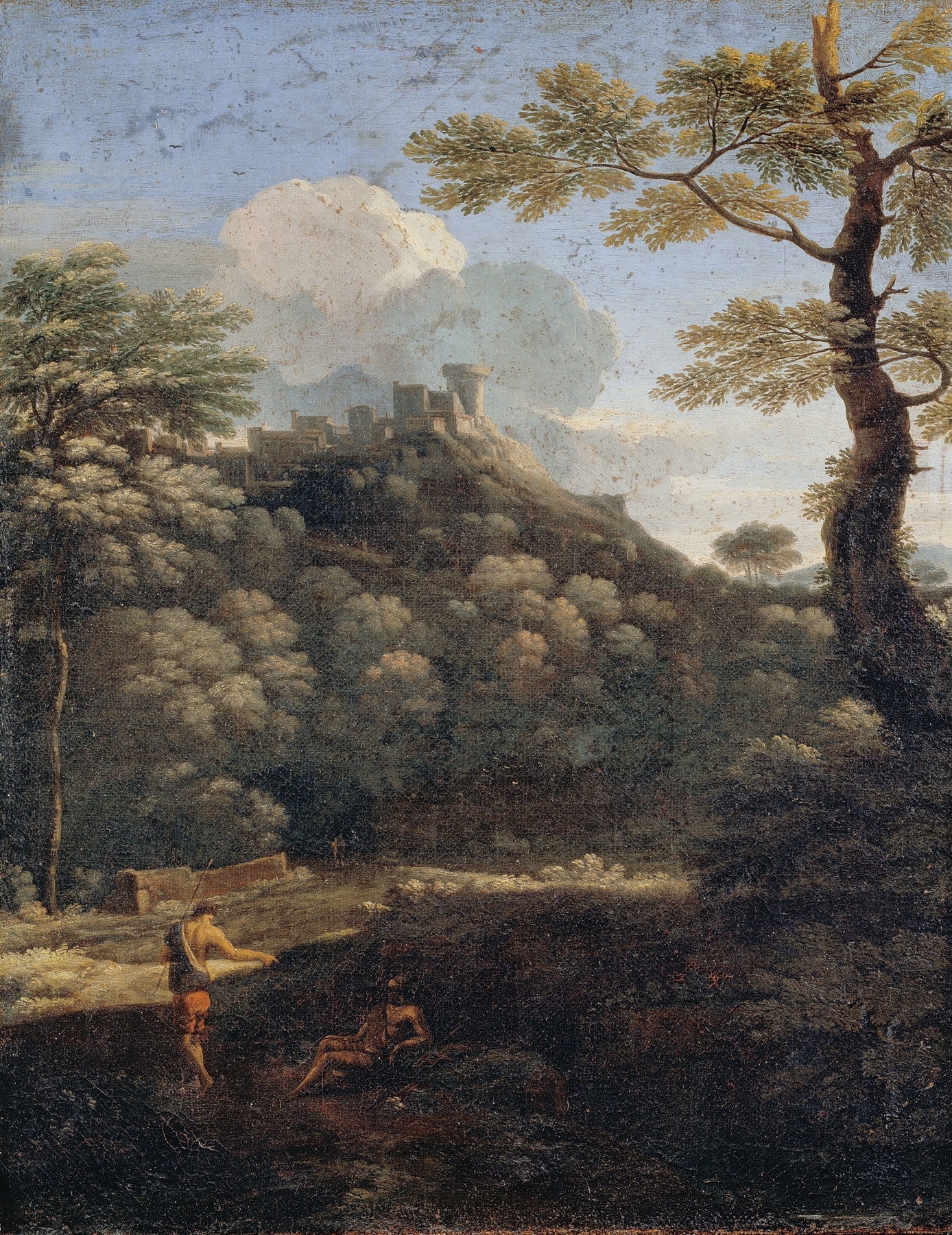
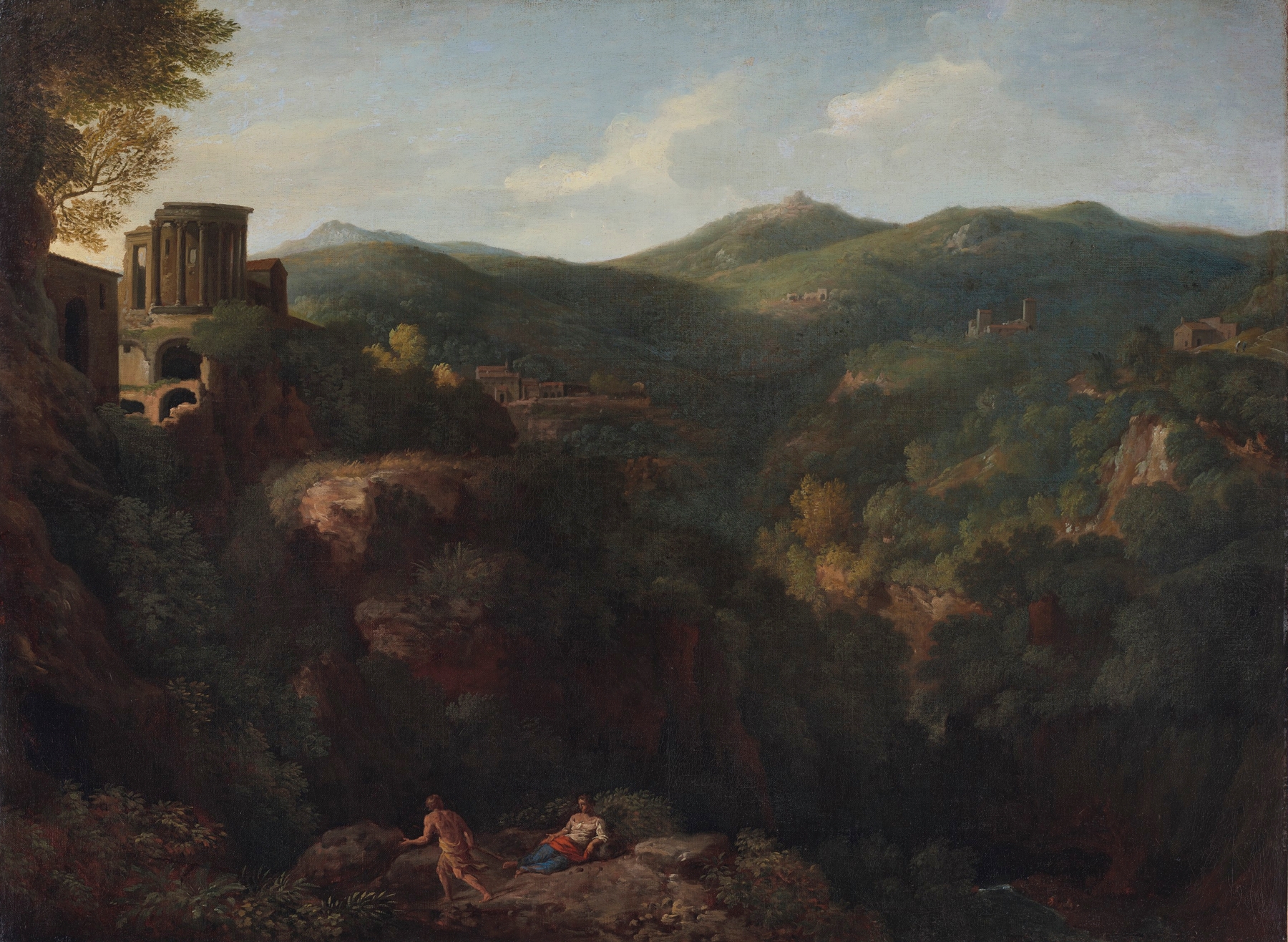
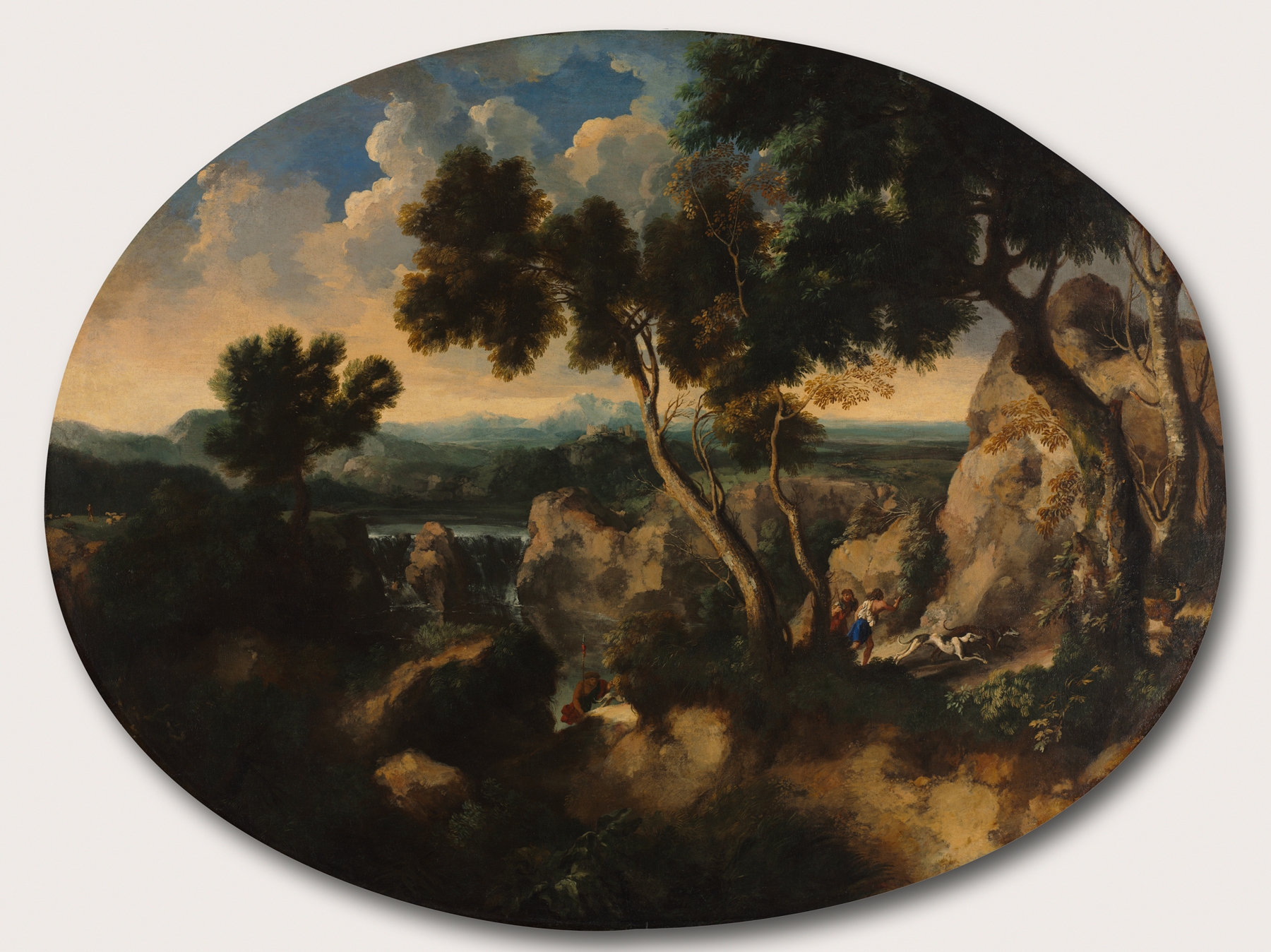
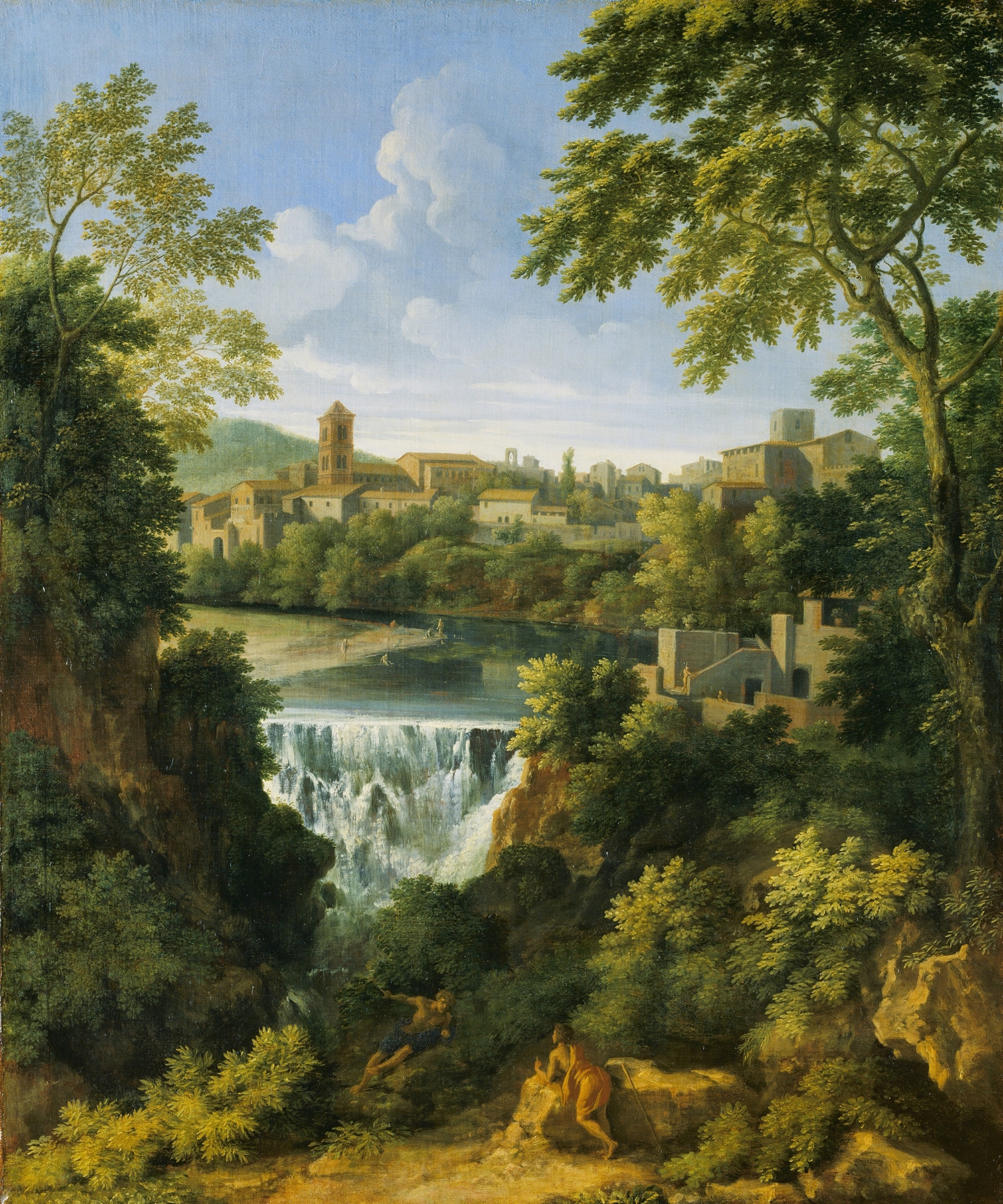
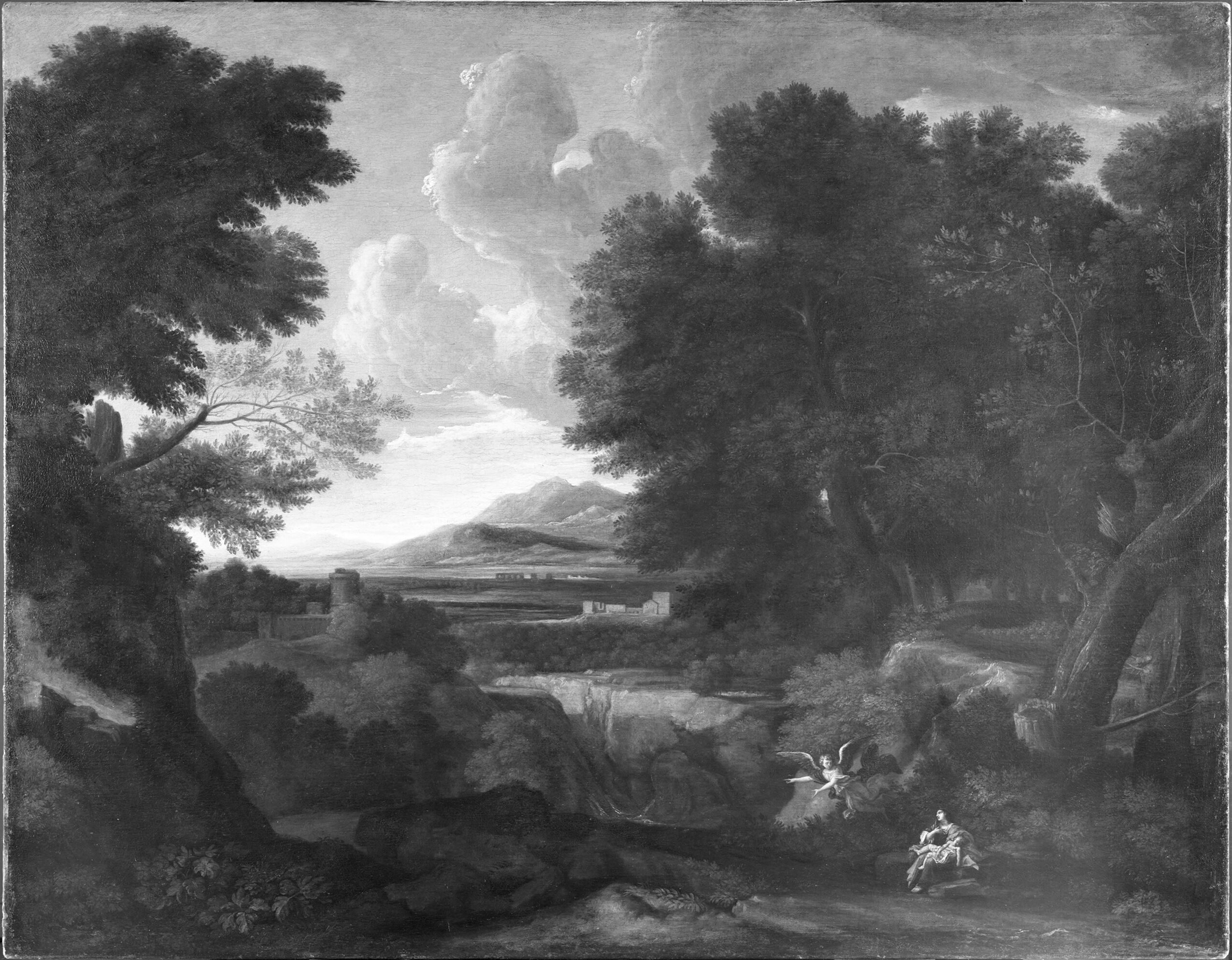
“Every silence here is a confession.” In the vast expanse of nature, the quiet whispers of creation stir a profound sense of awe. How does one capture the essence of the world when every element seems to hold a secret? Look closely at the details in Landscape, where the horizon stretches infinitely, inviting the viewer’s gaze to wander among the lush greenery and soft hills. The delicate brushwork suggests movement in the trees, while the warm sunlight bathes the scene in a golden hue, illuminating both the foreground and distant mountains.
The composition balances the weight of the earth with the lightness of the sky, drawing our attention to the interplay of shadows and light. Within this tranquil vista lies a deeper narrative. The gentle slopes and vibrant foliage hint at the passage of time, evoking a sense of serenity yet underlying anxiety. The contrast between the stability of the land and the ephemeral nature of the light invites contemplation about creation itself, offering a moment of reflection on humanity’s connection to nature.
Each detail, from the delicate clouds to the intricate textures of the earth, speaks of an ongoing dialogue between the elements. During the years 1640 to 1645, Gaspard Dughet created Landscape in Italy, a time when the Baroque style was flourishing. He was influenced by his mentor, Nicolas Poussin, which is evident in his structured clarity and the dramatic use of space. This period in Dughet's life marked a solidification of his identity as a landscape painter, as he sought to express the emotional depth and beauty found in nature, reflecting a broader cultural admiration for the natural world.