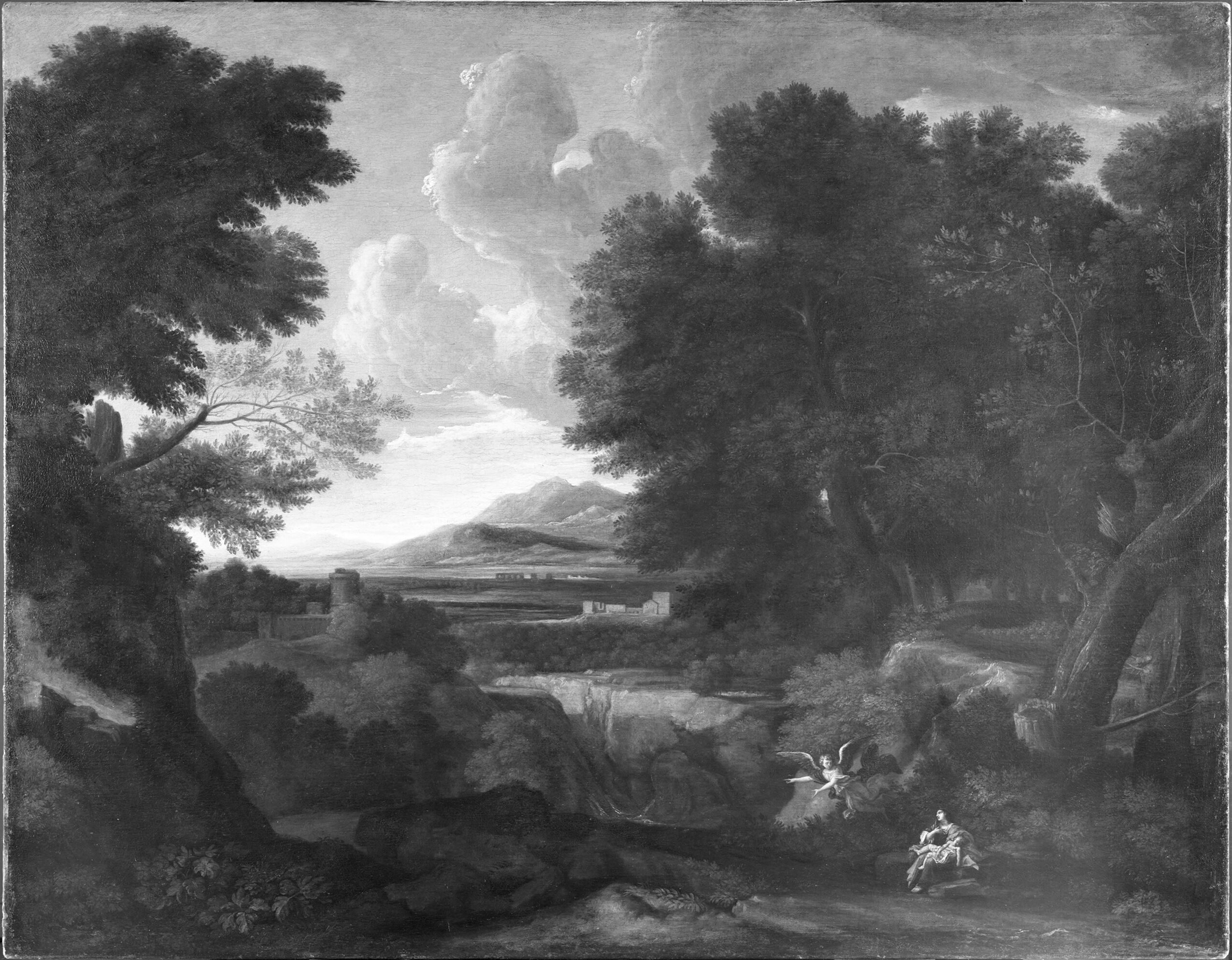
Rocky Landscape with Hunters — History & Analysis
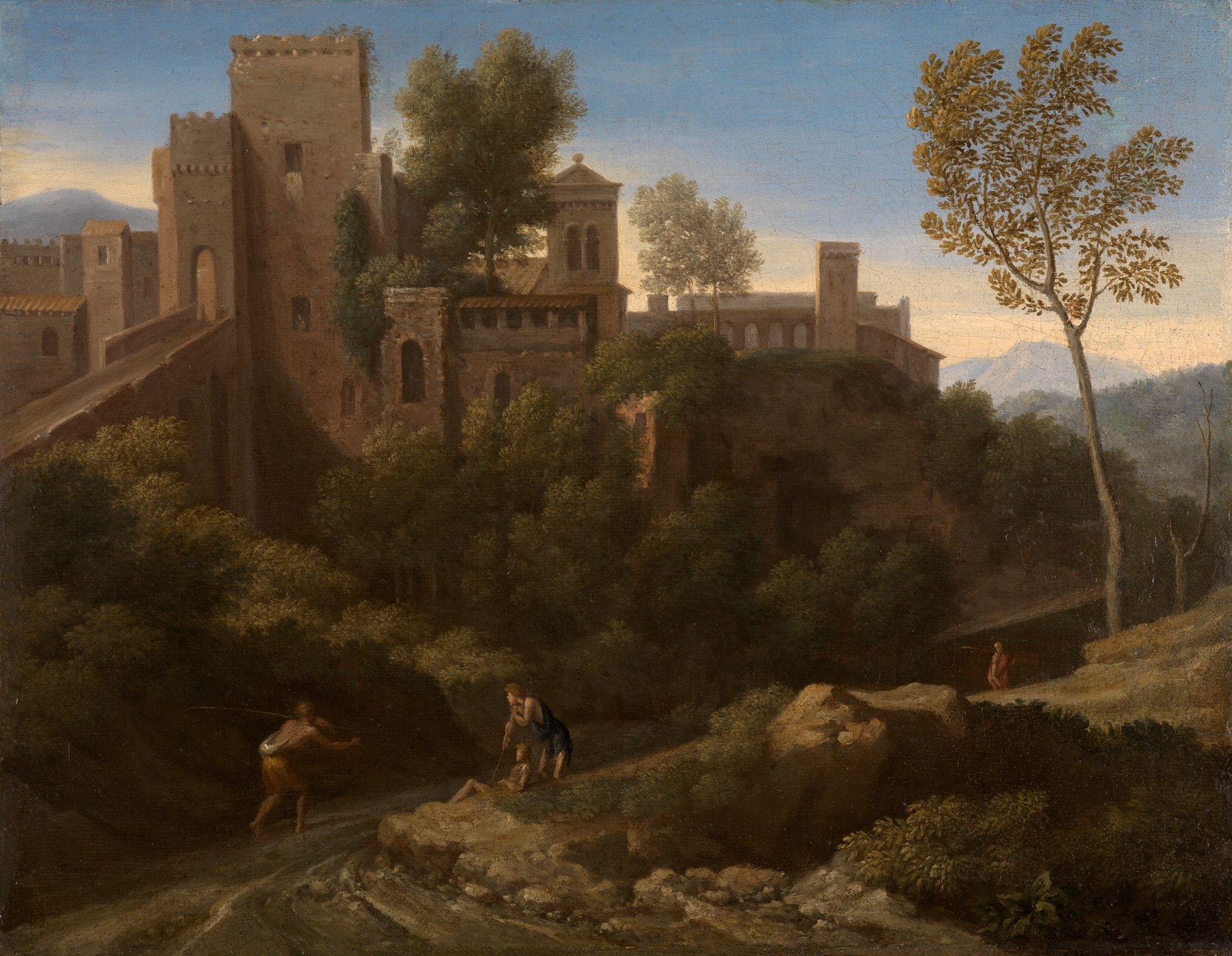
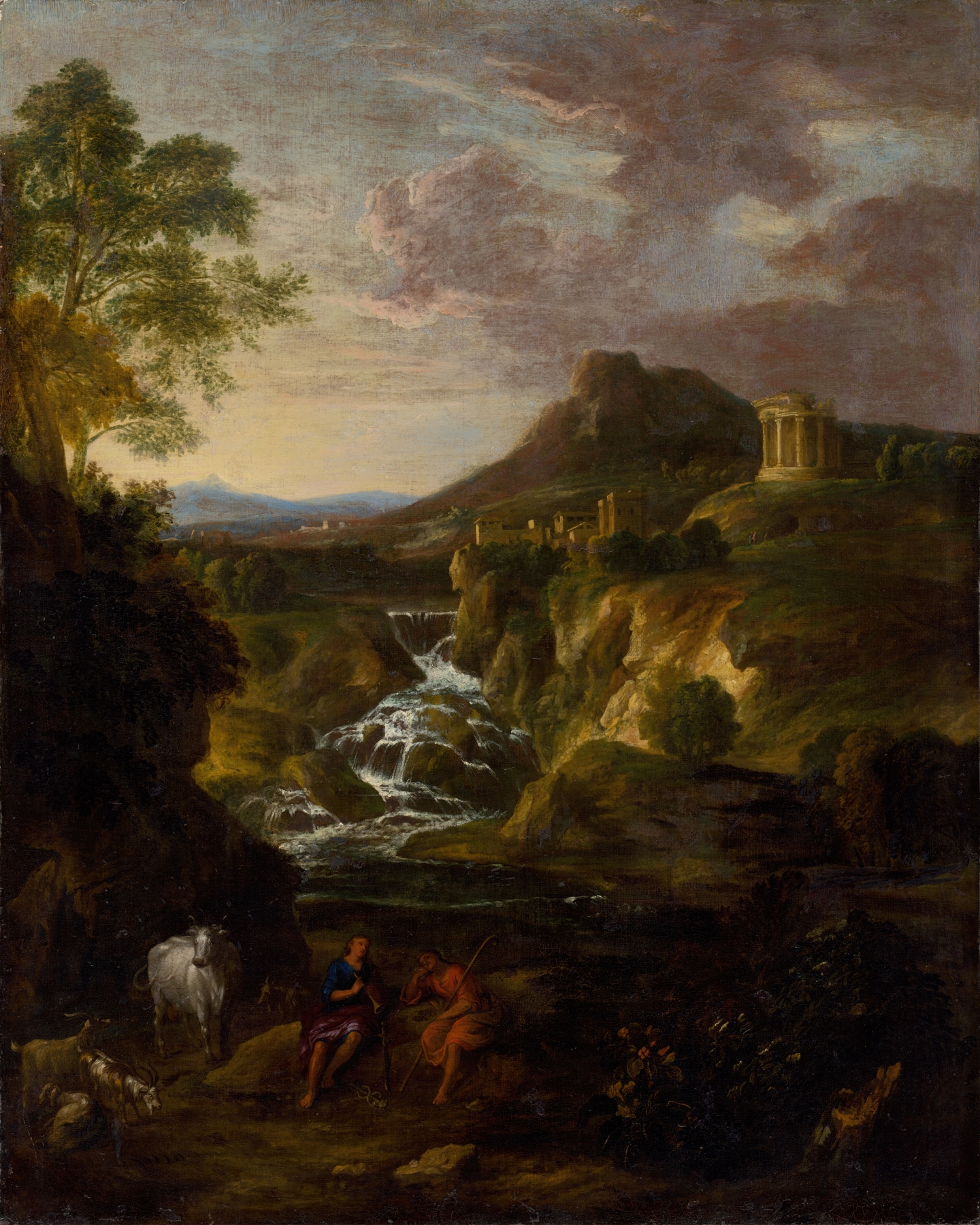
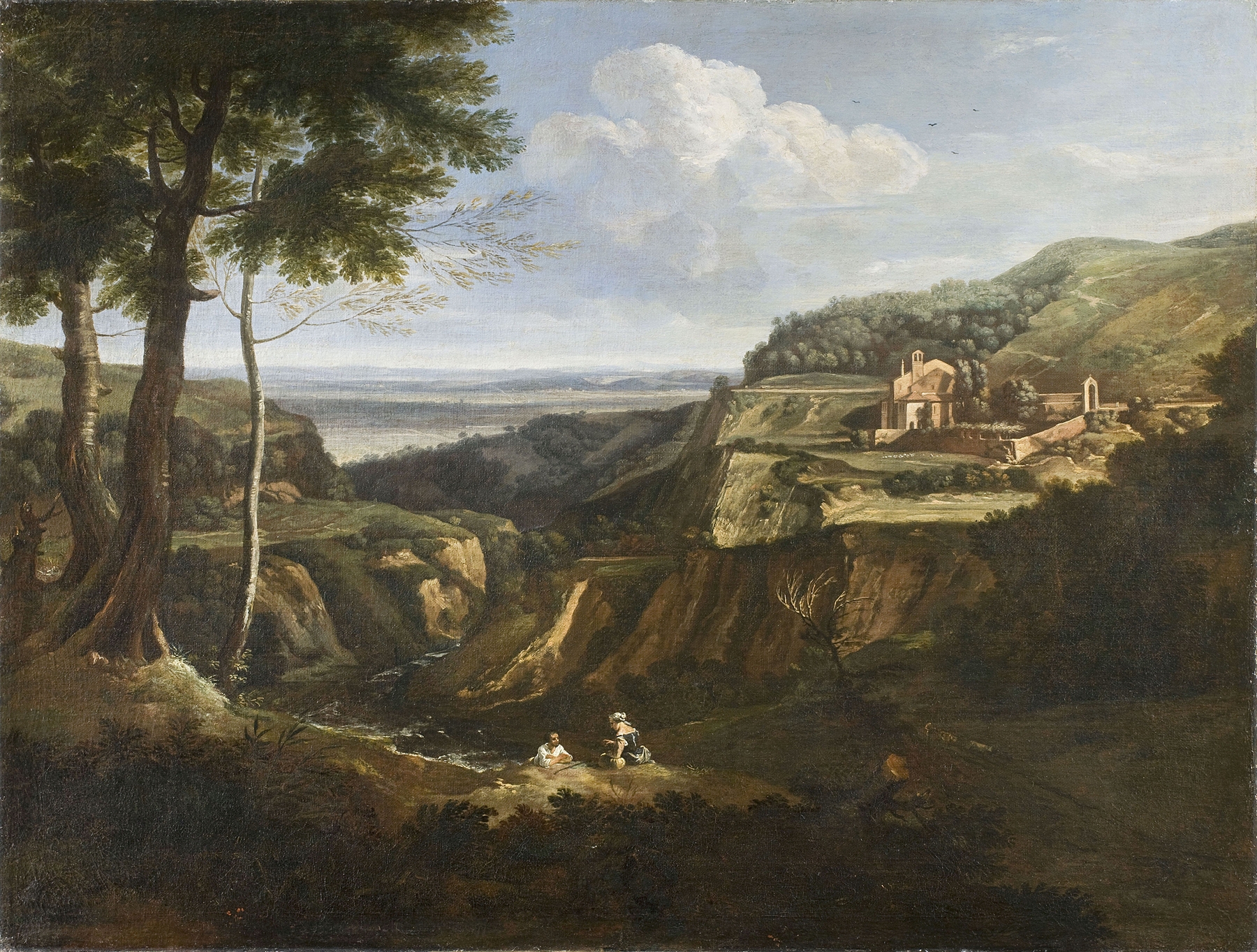
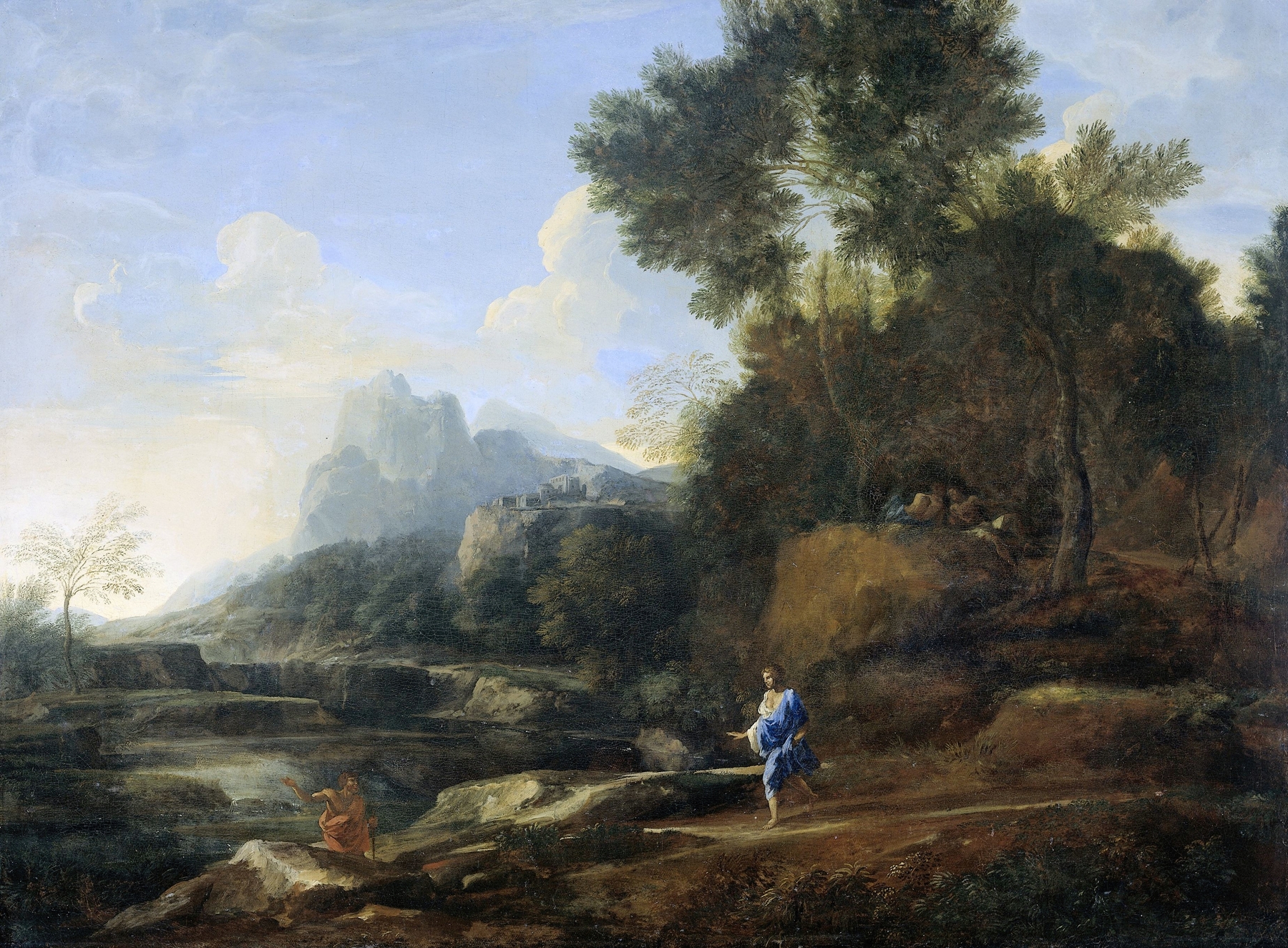
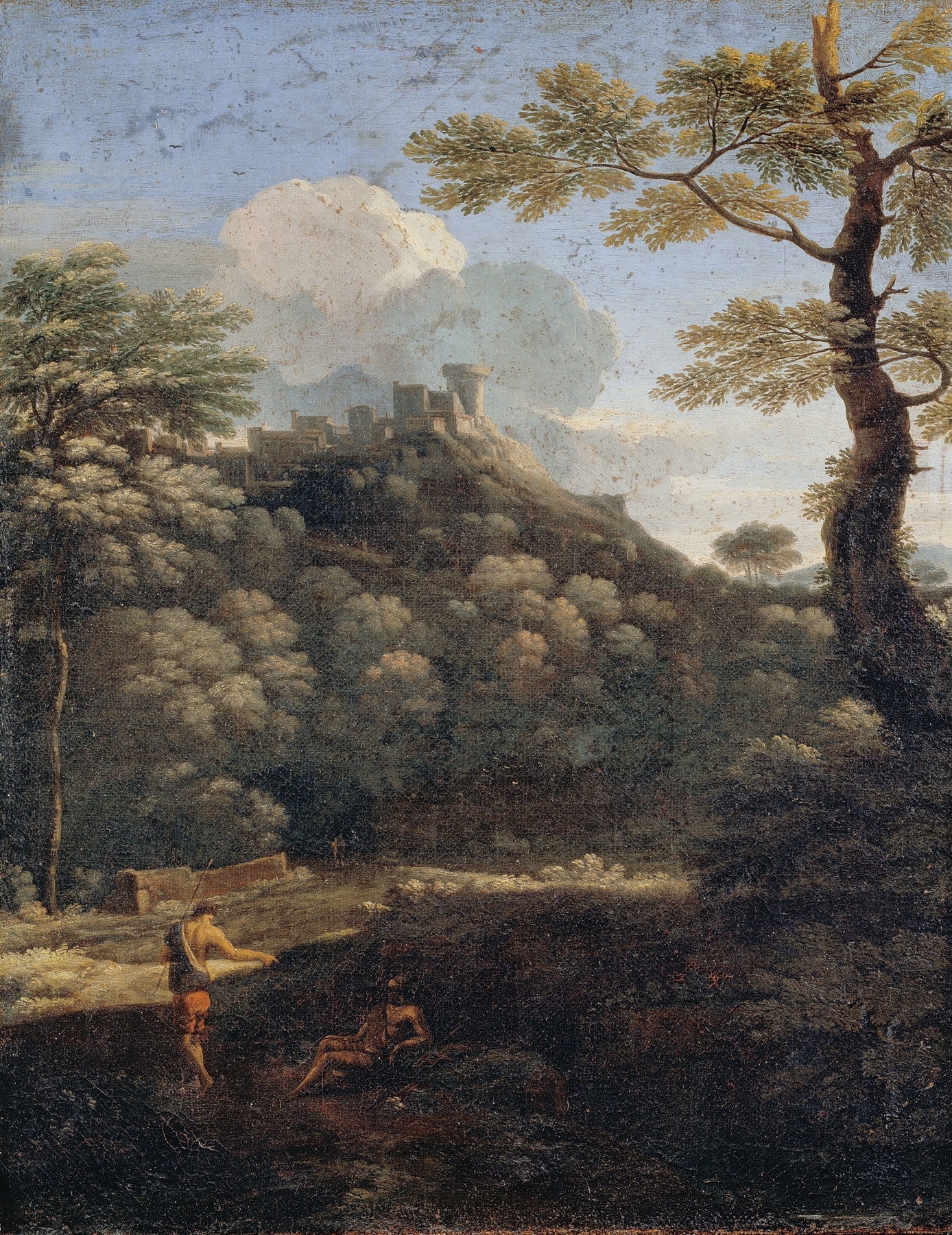
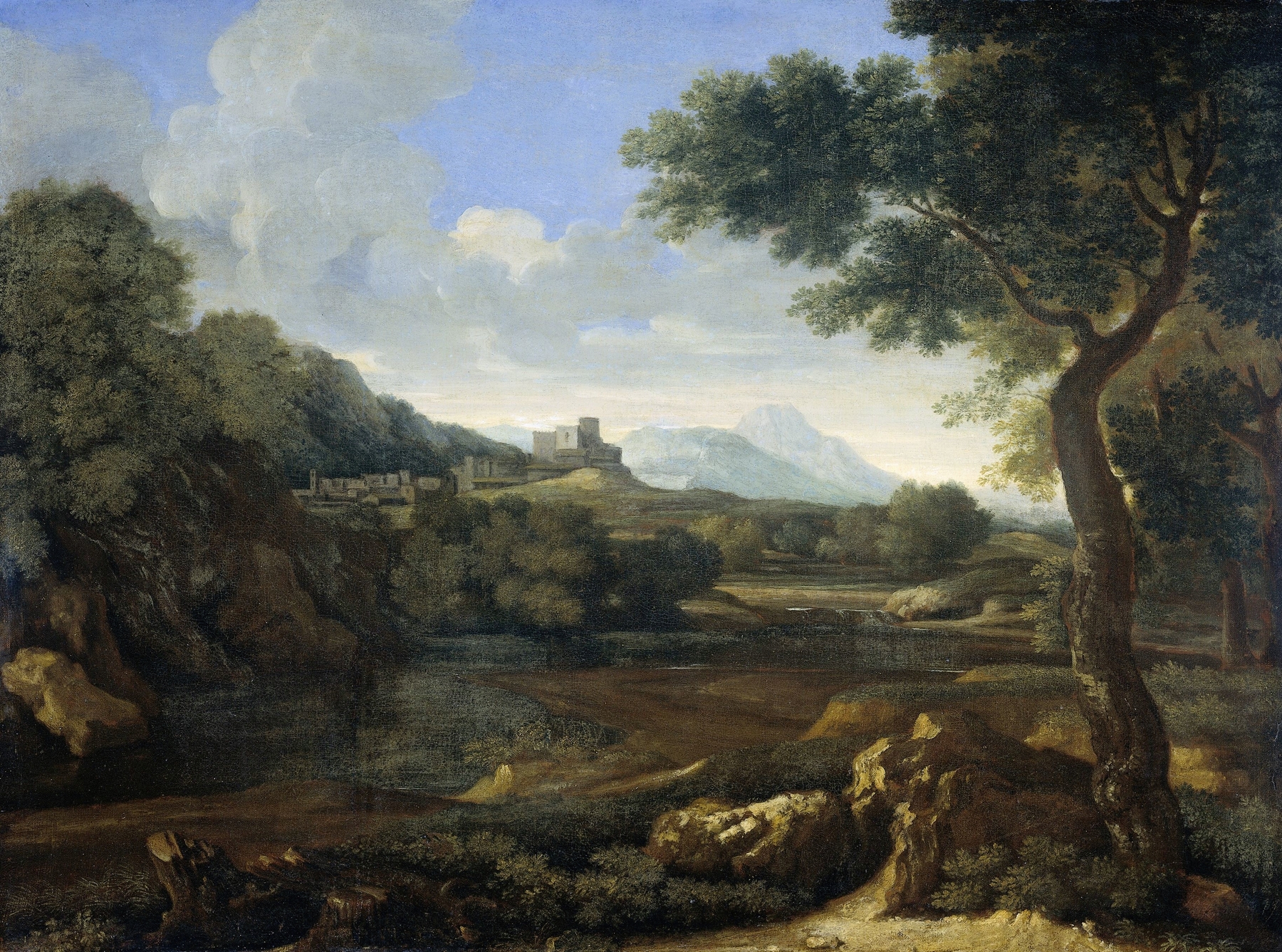
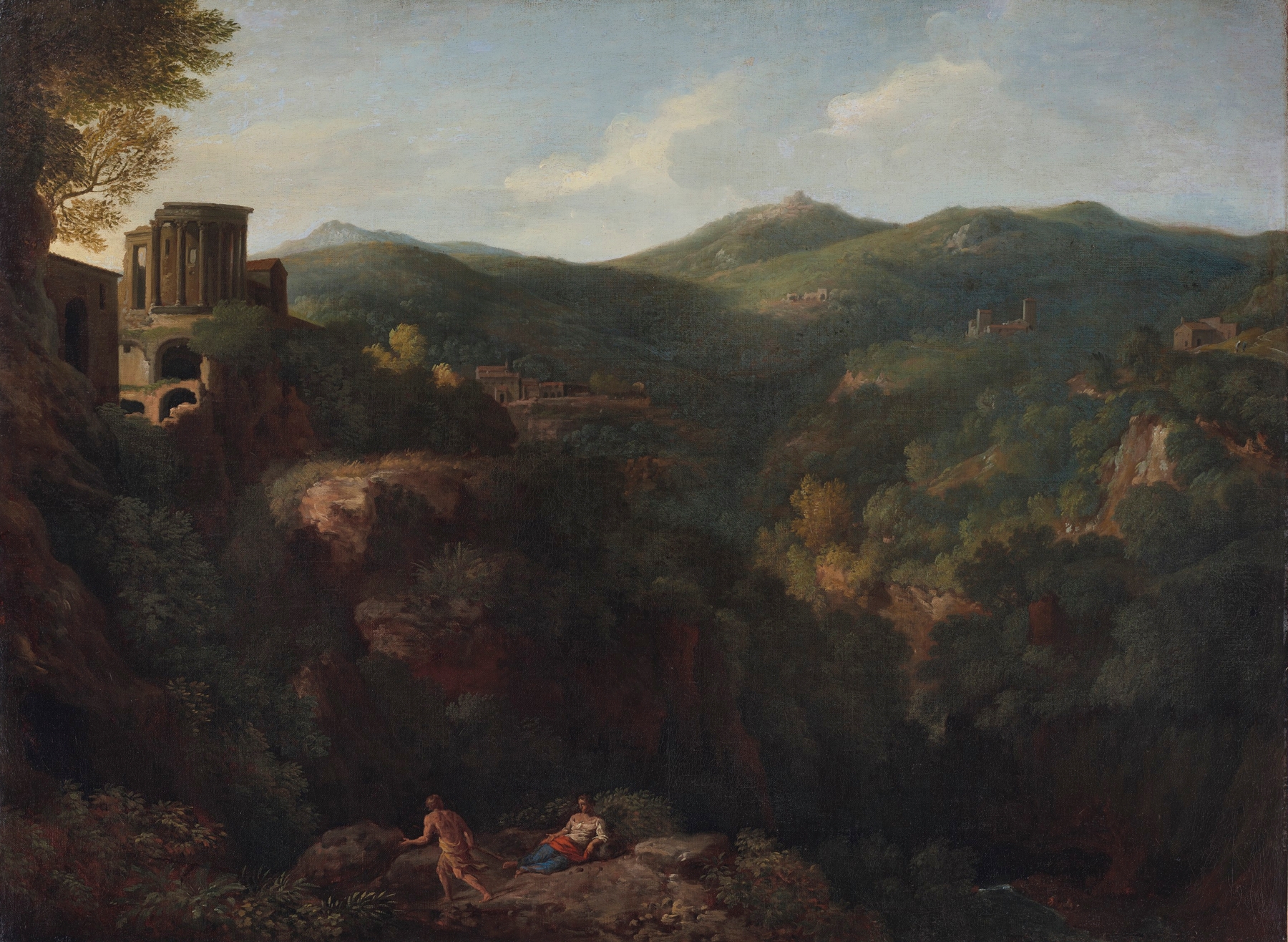
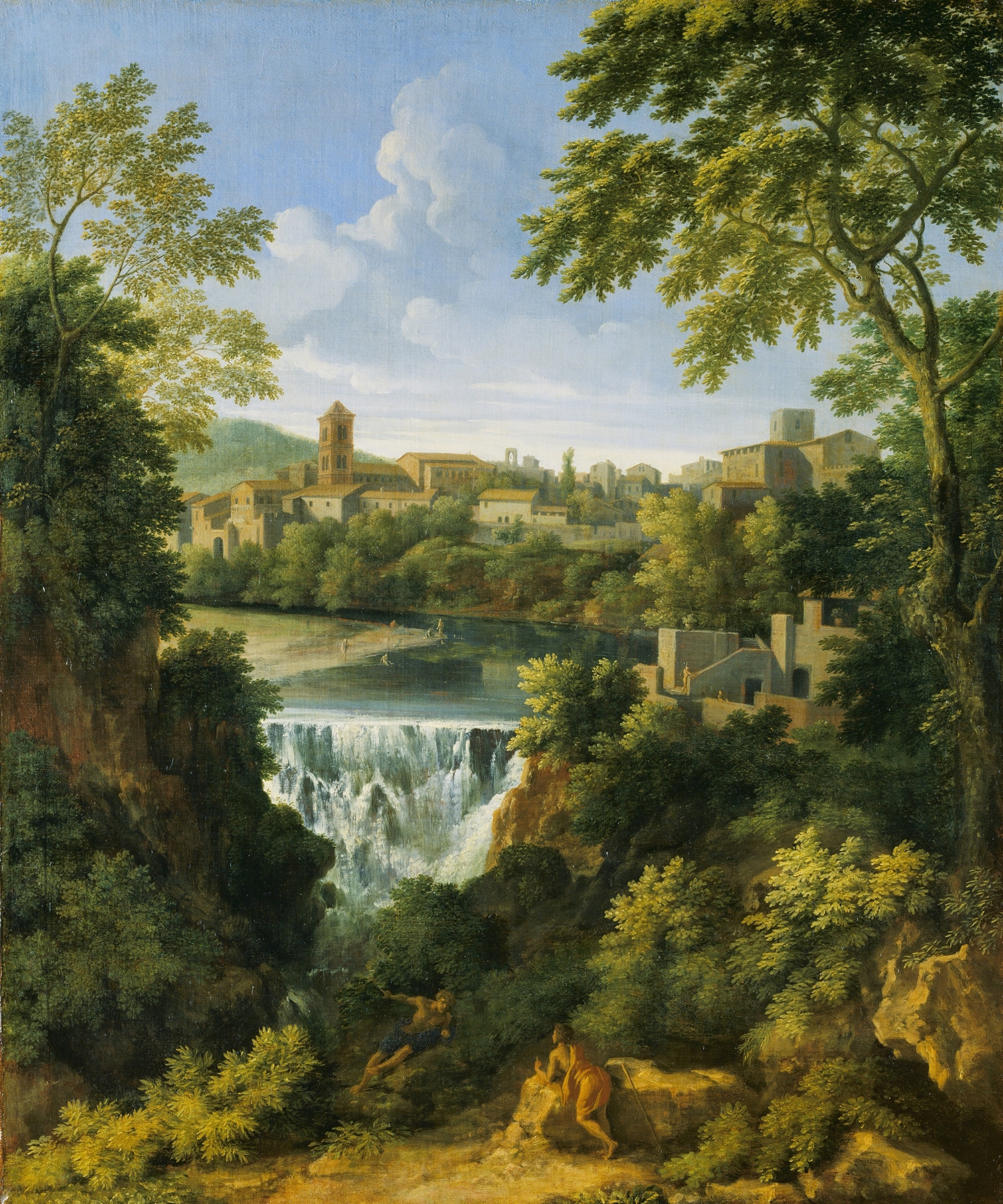
Where does light end, and longing begin? In the vastness of Rocky Landscape with Hunters, the boundaries between ecstasy and melancholy blur, inviting us to explore its rugged serenity. Look to the left at the hunters, poised with their bows, their forms silhouetted against the rugged cliffs. The soft, golden light cascades down the mountains, illuminating patches of foliage and rocky outcrops. Notice how the palette shifts from deep earthy tones to vibrant greens, each area reflecting the duality of hunt and tranquility.
The careful strokes create a sense of movement, as if the figures might leap into action at any moment, yet their surroundings suggest a stillness that belies their purpose. Yet beneath the surface, this painting captures more than just a pursuit. The juxtaposition of hunters and the wild, untamed landscape speaks to a deeper struggle between civilization and nature. The rugged terrain embodies both challenge and beauty, while the ethereal light evokes a sense of yearning, hinting at the fleeting nature of both time and conquest.
Each element, from the distant sky to the foregrounded figures, conveys a tension that evokes an emotional resonance, as if the land itself mourns the inevitable departure of innocence. Gaspard Dughet painted this work around 1635, during a time when the art of landscape was gaining prominence, and his own journey as a prominent landscape artist was beginning to unfold. Working in Italy, influenced by the Roman landscape tradition, he found a niche that connected the natural world with human experience, reflecting the changing tastes of the art market in the early Baroque period. This painting encapsulates his ability to merge the grandeur of nature with the essence of human aspiration.