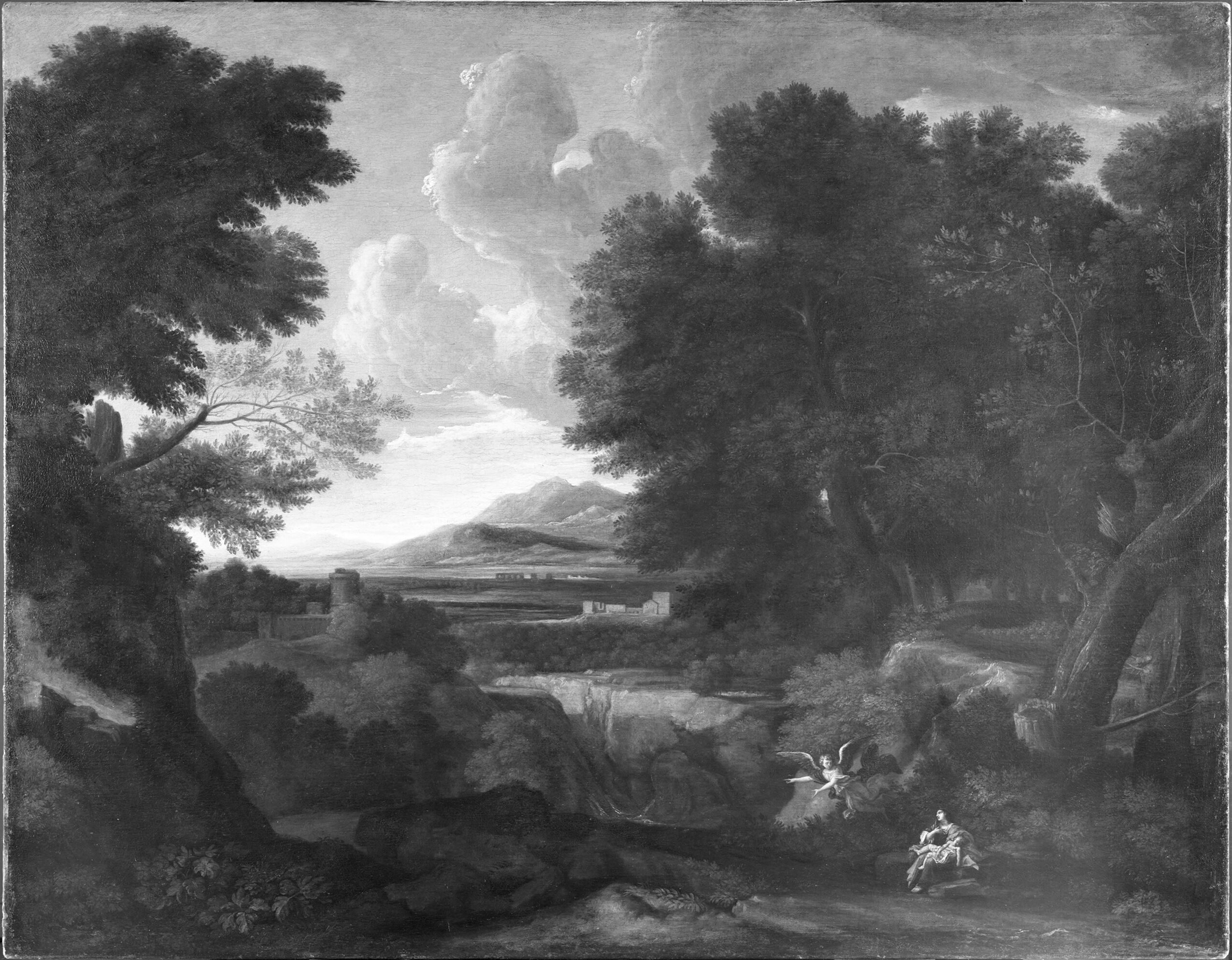
The Falls at Tivoli — History & Analysis
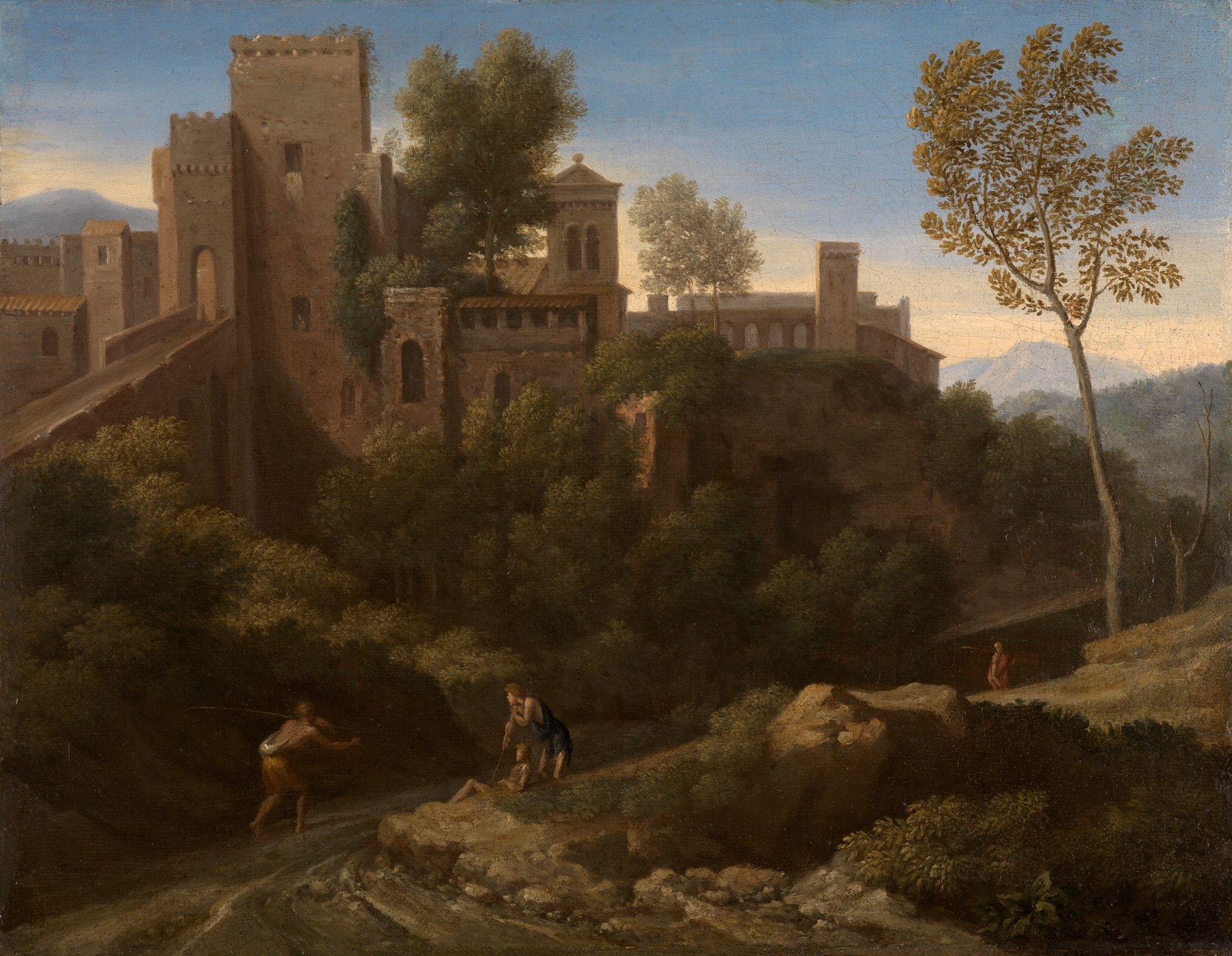
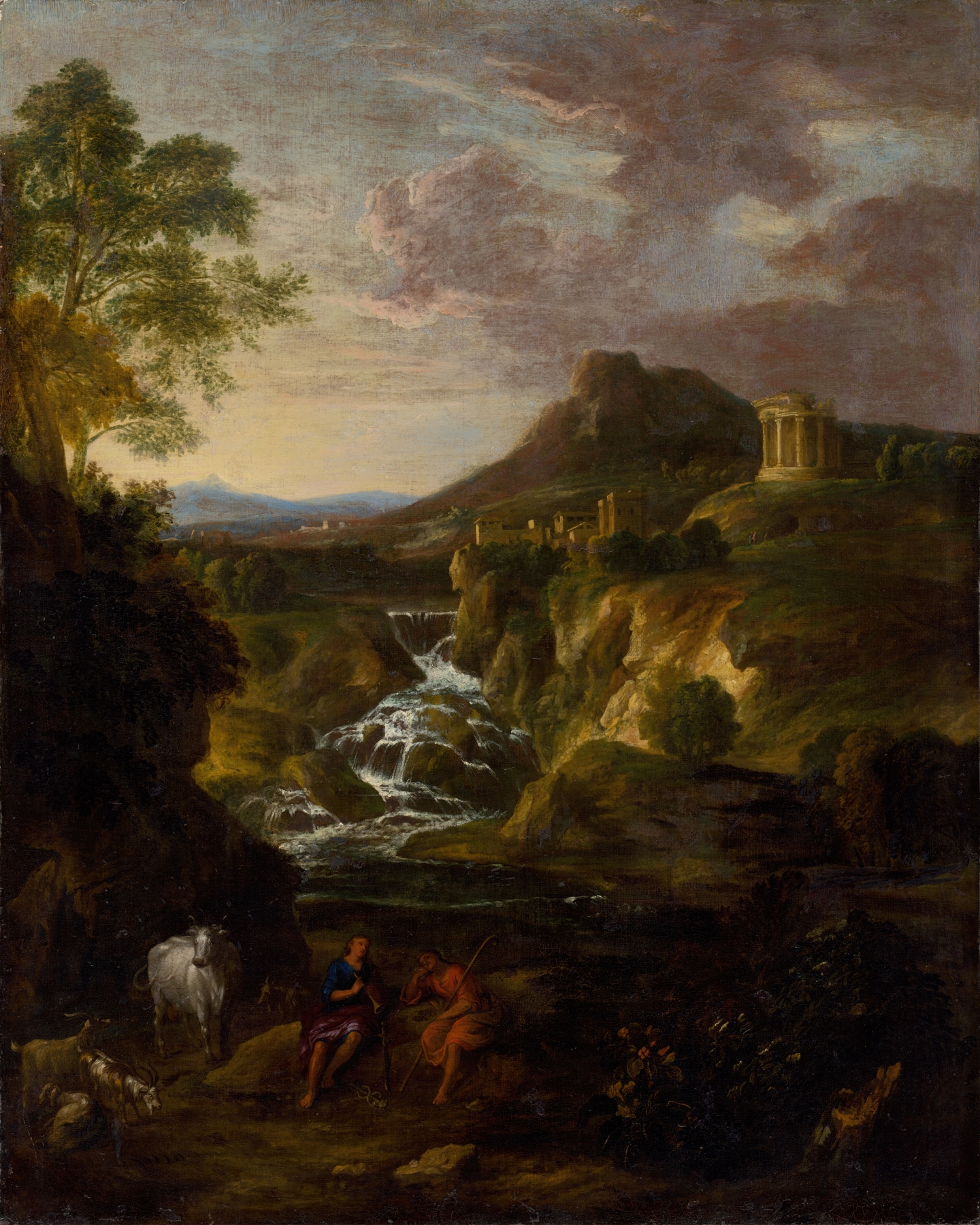
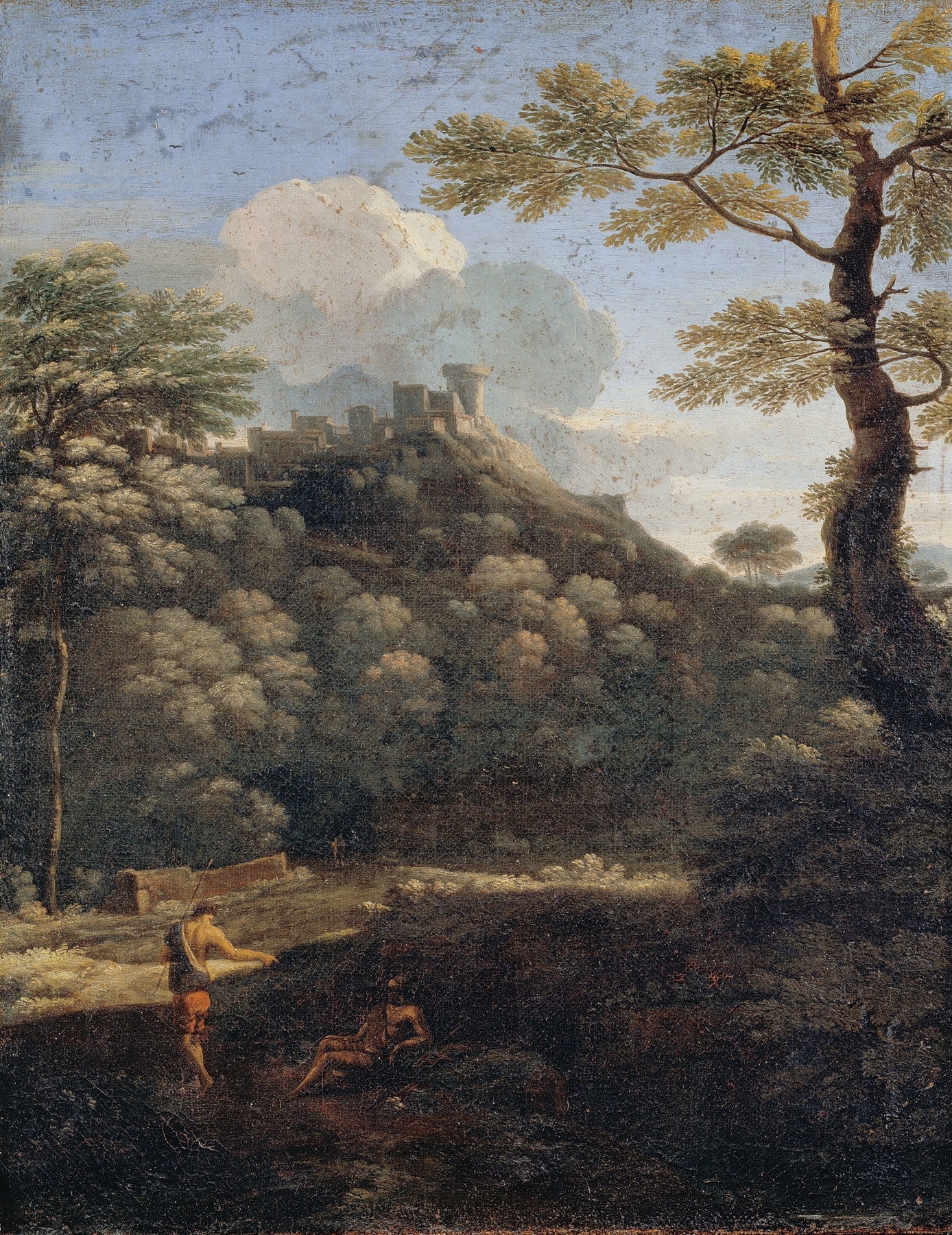
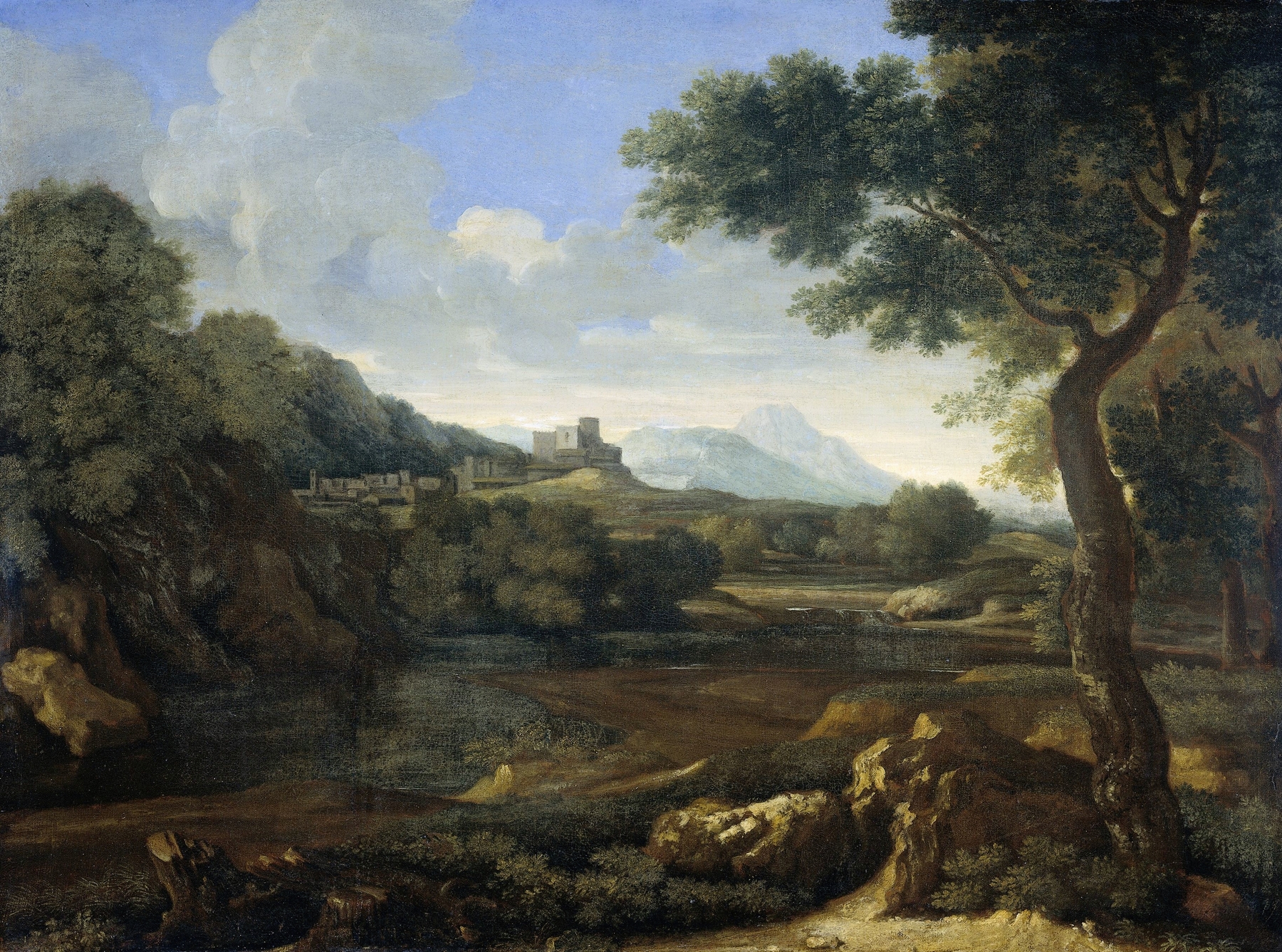
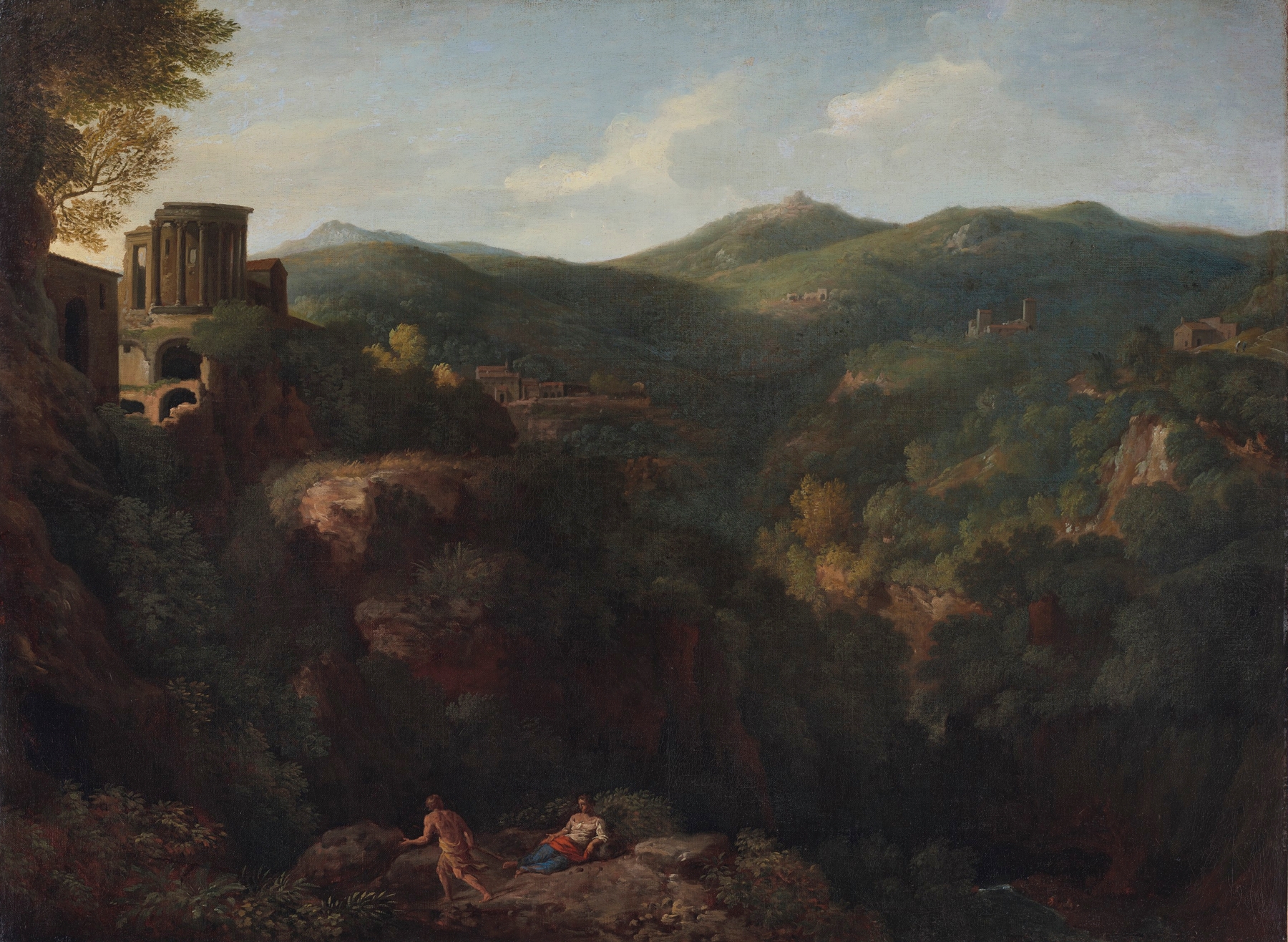
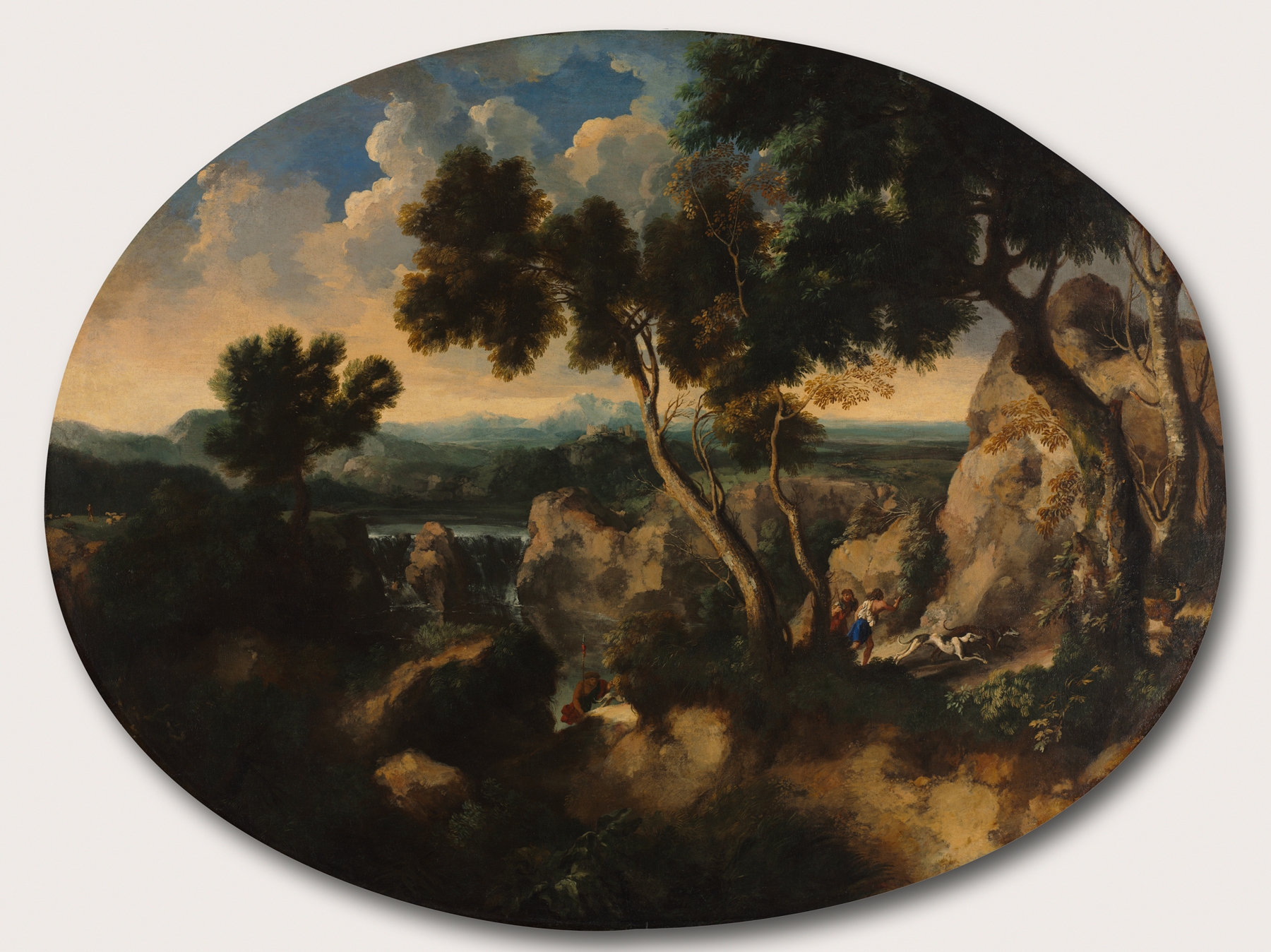
“Sometimes beauty is just pain, disguised in gold.” In the heart of nature, where cascading waters tumble into a chasm below, beauty entwines with longing, echoing a hidden yearning within the landscape. Look to the left, where sunlight filters through the trees, illuminating the delicate droplets that dance in the air. The vibrant greens of the foliage contrast sharply with the deep blues of the rushing water, inviting the eye to traverse the scene. Each brushstroke captures the movement of the water, while the intricate details of the surrounding rocks anchor the viewer’s attention, creating a balance that complements the chaos of nature's fury.
Beneath the tranquil facade lies an emotional tension—the powerful waterfall symbolizes both freedom and confinement, a reminder of life’s precious yet fleeting moments. The soft shadows cast by the trees hint at the passing of time, while the distant mountains loom like unfulfilled dreams, reinforcing an atmosphere of longing and ambition. Here, the interplay of light and shadow suggests a deeper narrative, one of beauty that conceals the pain of desire.
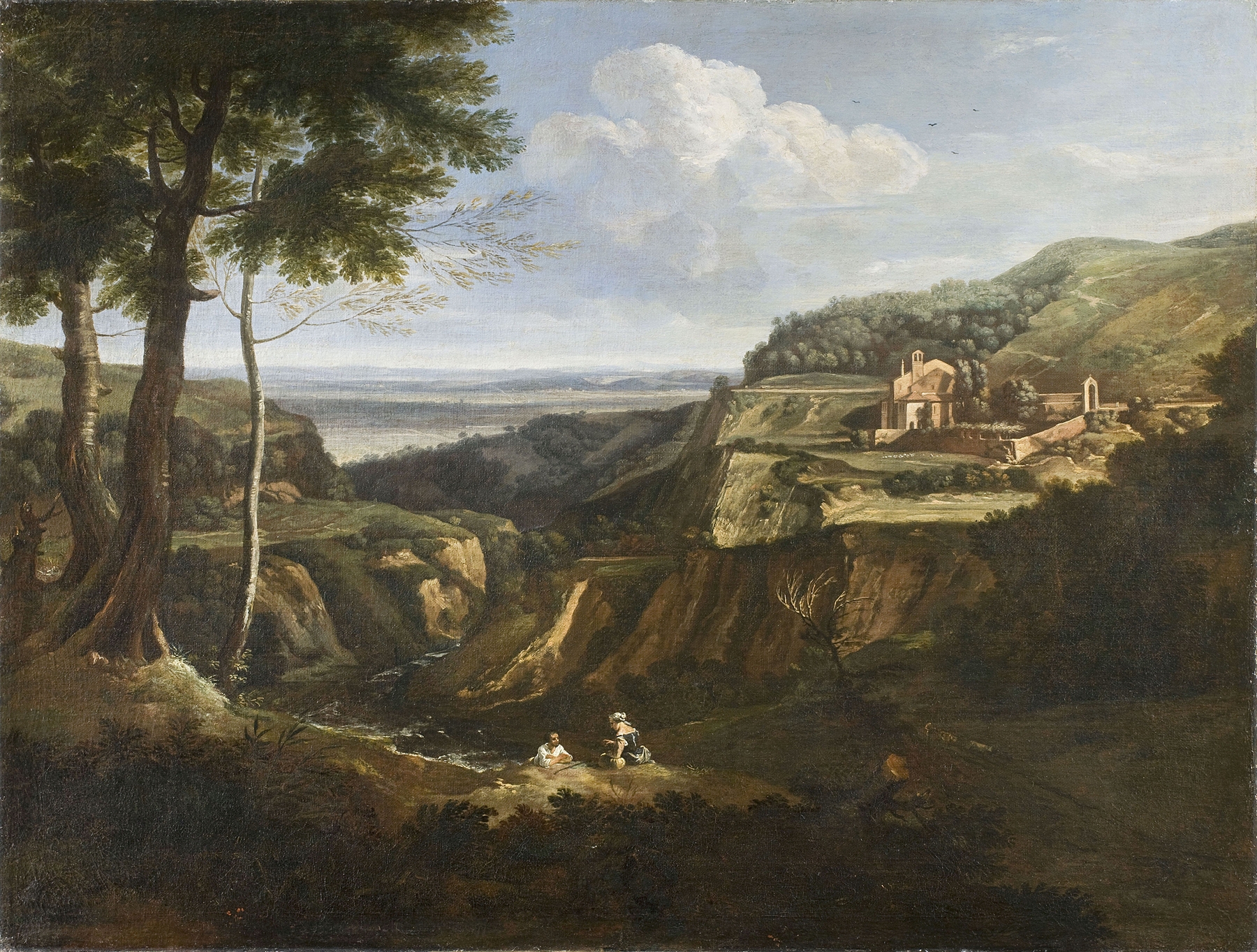
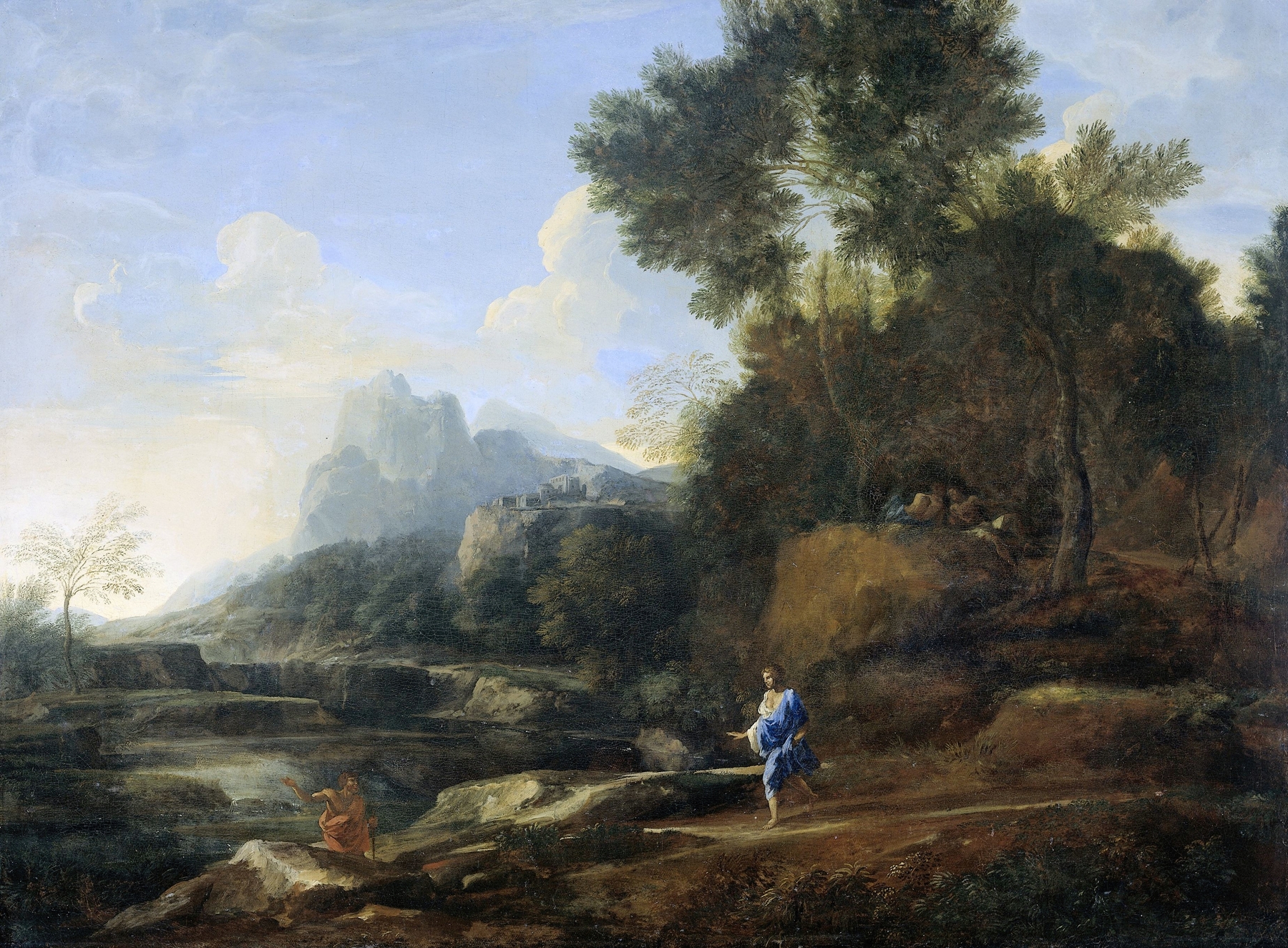
In the early 1660s, as the artist embraced his surroundings in Tivoli, he was part of the burgeoning landscape tradition that sought to capture the sublime in nature. During this period, the world of art was transitioning, with an increasing emphasis on realism and emotion. Dughet’s work reflects not only his mastery of light and composition but also a yearning for a connection to the natural world amid the complexities of life and art in the Baroque era.