A Castle in a Wood — History & Analysis
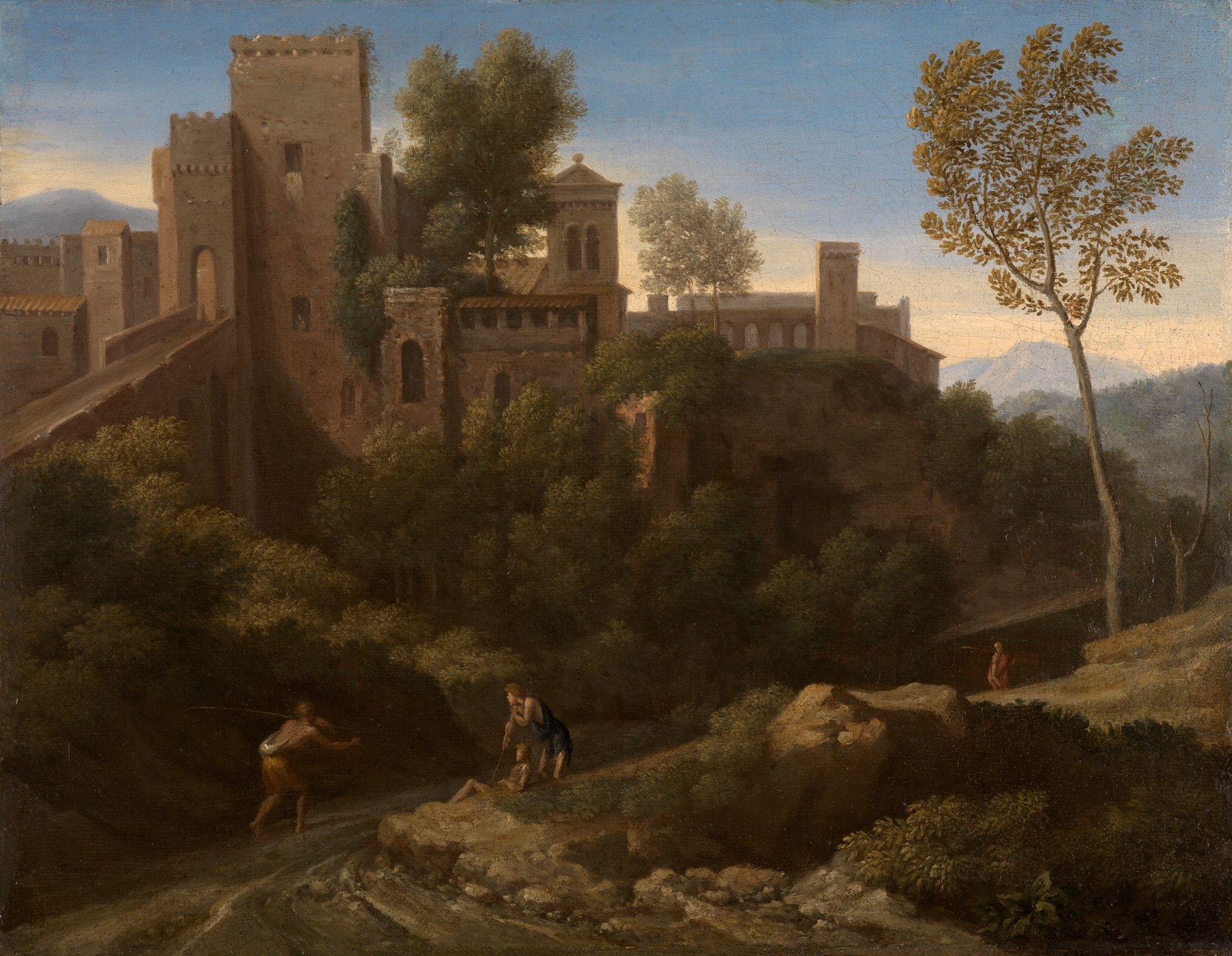
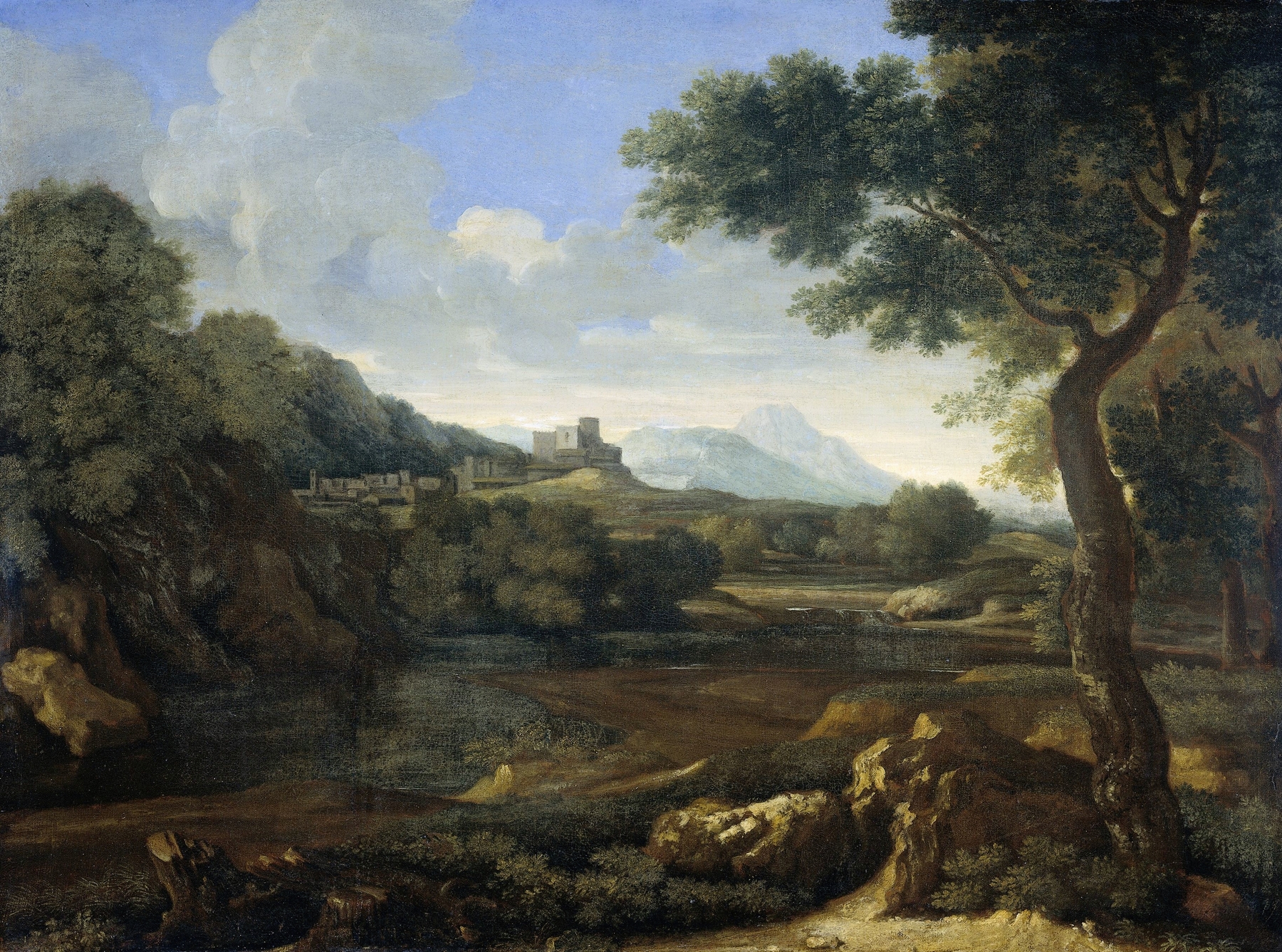
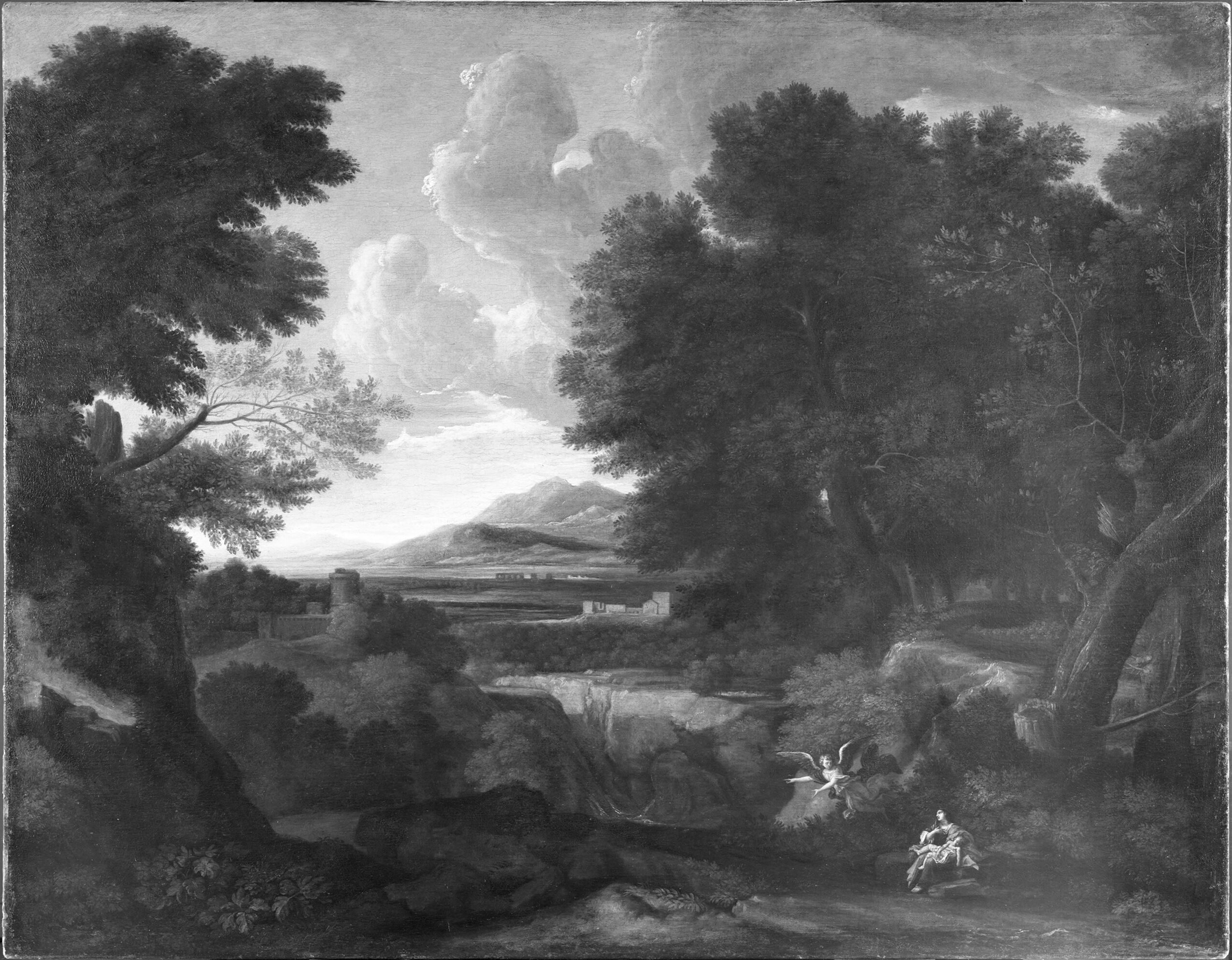
Can paint confess what words never could? In a realm where innocence meets nature's majesty, the canvas unveils a serene truth, whispering the secrets of the forest. Look to the left of the painting, where a soft glow emanates from the castle nestled among the trees. The delicate interplay of light and shadow invites you to linger on the architecture—its stone walls lovingly intertwined with verdant foliage. The artist employs a harmonious palette of greens and soft earth tones, evoking a sense of tranquility, as the dappled sunlight filters through the canopy above.
You can almost feel the cool breeze rustling the leaves, calling forth a timeless invitation to explore the world beyond the frame. Within this tranquil landscape lies a deeper contrast: the juxtaposition of the castle's sturdy presence against the ethereal quality of the surrounding forest. Innocence permeates the scene, suggesting a sanctuary hidden from the trials of the outside world. The winding path leading toward the castle hints at a journey, a passage from the complexities of life into a realm of purity and simplicity.
Here, the nature and the manmade coexist peacefully, igniting contemplation about the harmony that can exist when human ambition meets the untouched wilderness. Created during a period of innovation in the 17th century, the artist captured this moment in his native Italy. In a time when baroque styles were flourishing, he sought to blend realism with idealism, enriching the landscape tradition. Gaspard Dughet, influenced by his contemporaries and the picturesque qualities of the Roman countryside, produced works that reflected both his admiration for nature and his desire for a deeper emotional connection with it.