Landschap en stadsgezicht bij Tivoli — History & Analysis
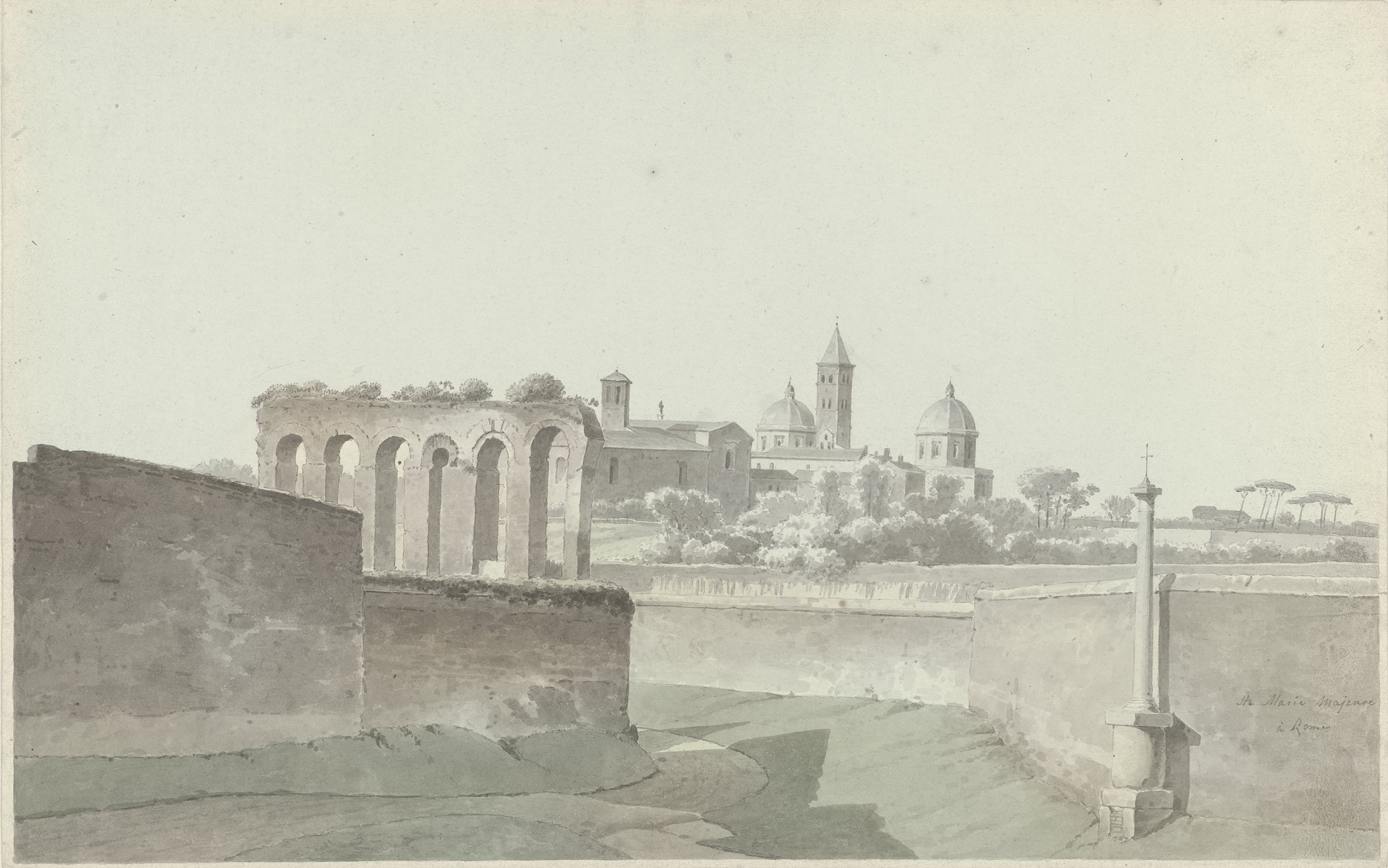
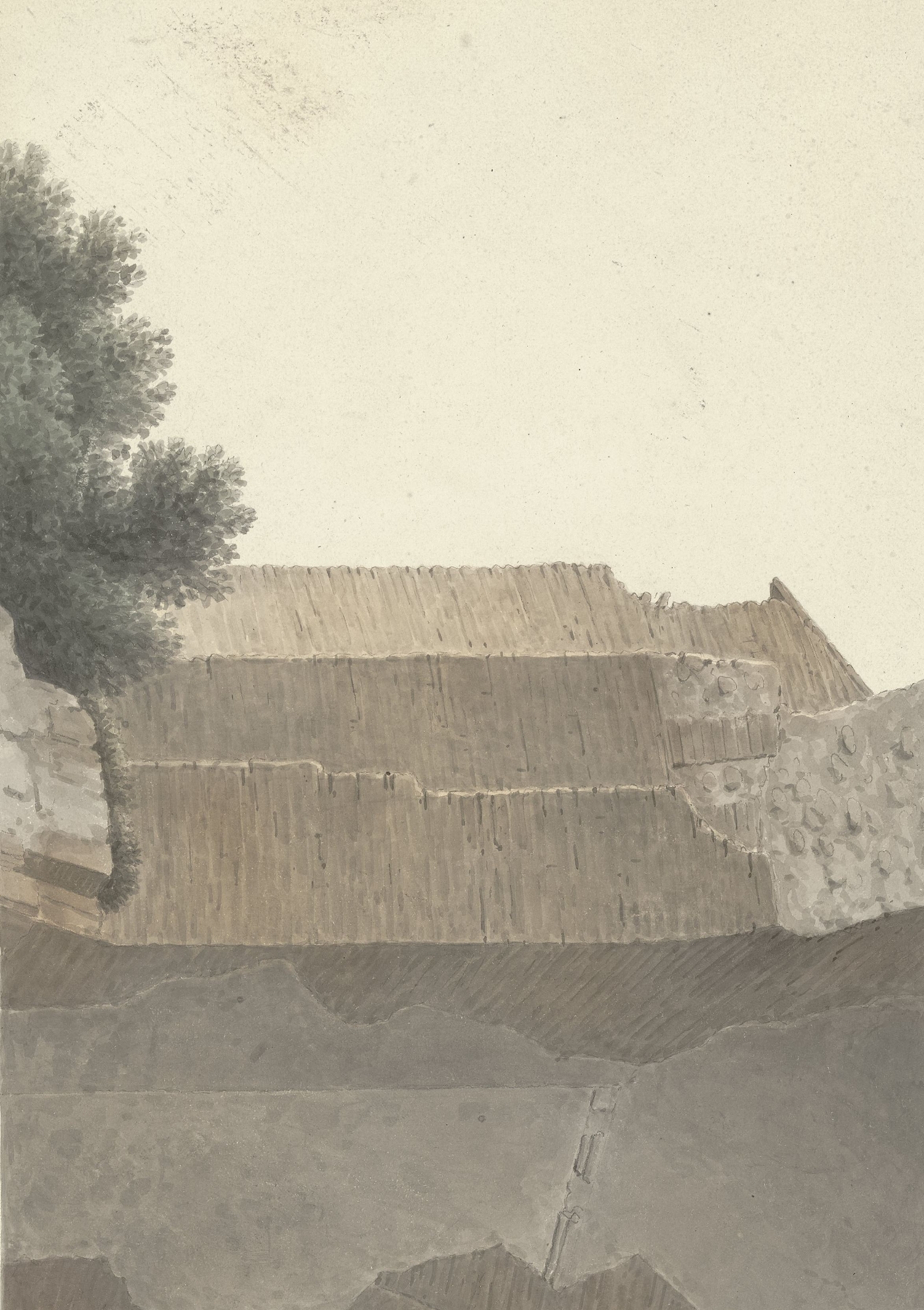
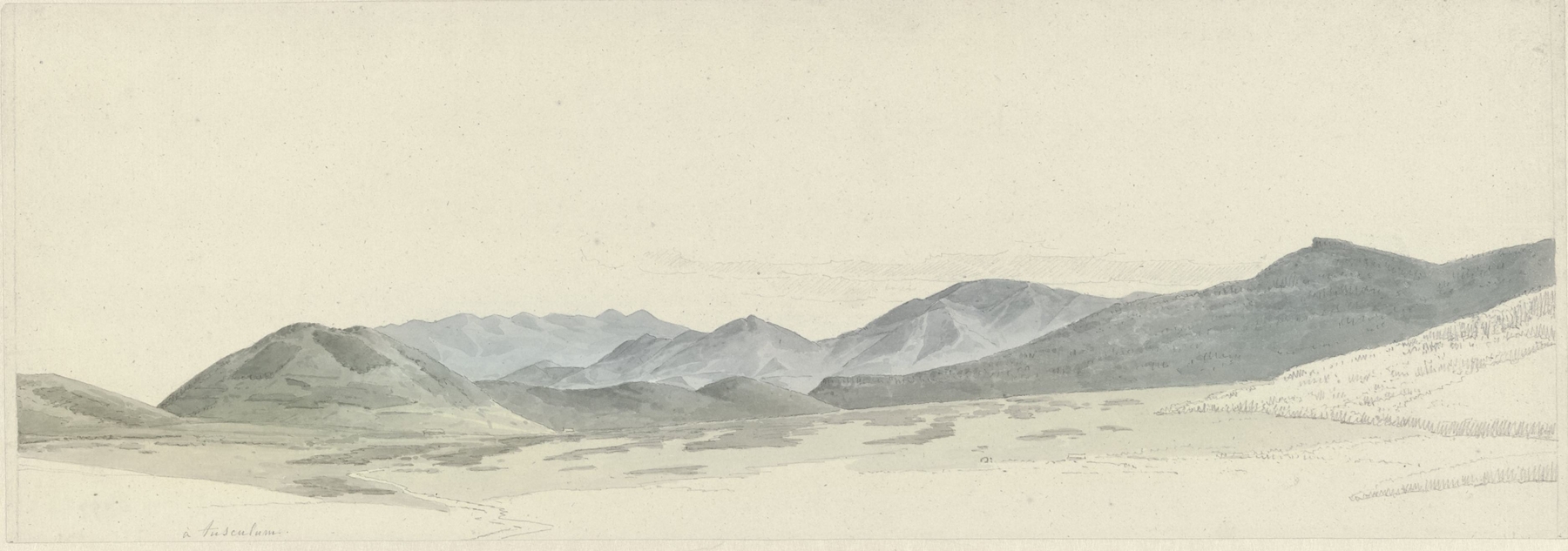
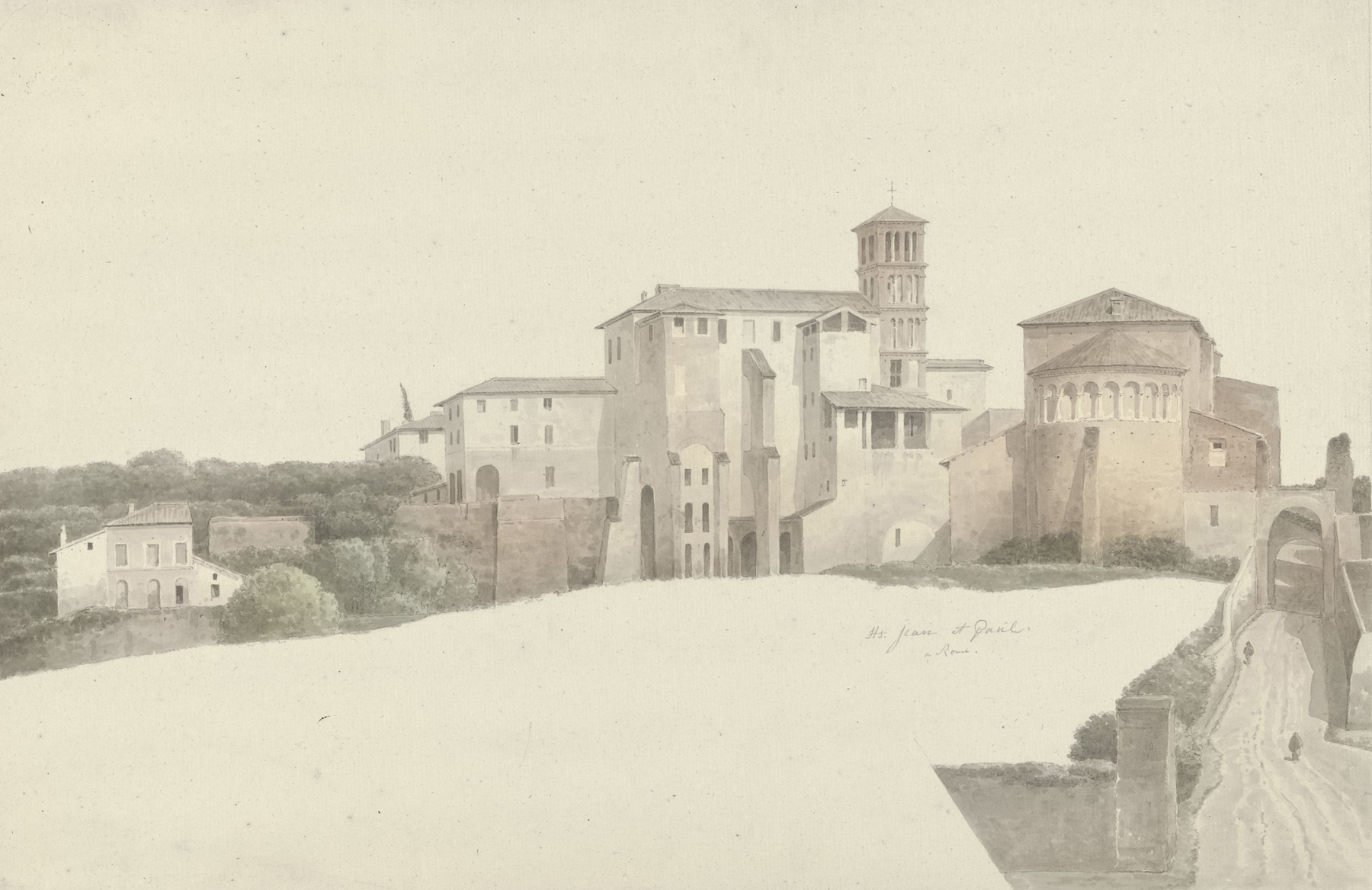
When did color learn to lie? The vibrant hues of Landschap en stadsgezicht bij Tivoli speak of a world drenched in the vitality of life, yet they shimmer with an unsettling void beneath their surface. Here lies the essence of nature and civilization intertwined, inviting viewers to question the truth behind the beautiful facade. Look to the left at the cascading hills, where lush greenery spills into the canvas, each brushstroke a testament to the artist's meticulous attention to detail.
Focus on the interplay of light and shadow that dances across the foliage, casting pockets of warmth against the cool blues of the sky. The composition is masterfully balanced; the idyllic landscape on one side harmonizes with the town’s elegant architecture on the other, creating a serene yet dynamic dialogue between nature and human achievement. Beneath this picturesque scene, a tension simmers between the serenity of the landscape and the encroachment of civilization, hinting at the potential discord that often accompanies progress. The delicate clouds, tinged with gold, whisper of fleeting moments, while the sturdy buildings remind us of the permanence sought in an impermanent world.
This contrast evokes a sense of nostalgia, as if Knip captures not just a view but a fleeting memory of harmony that is perpetually at risk of unraveling. Created between 1787 and 1847, this work reflects Josephus Augustus Knip's engagement with the Romantic movement, where nature was revered as both a sanctuary and an adversary to industrialization. Living in the Netherlands during a period of transformation, he sought to navigate the complexities of beauty and truth, merging landscapes with urban scenes, all while addressing the changing relationship between humanity and nature.