Landschap met bomen — History & Analysis
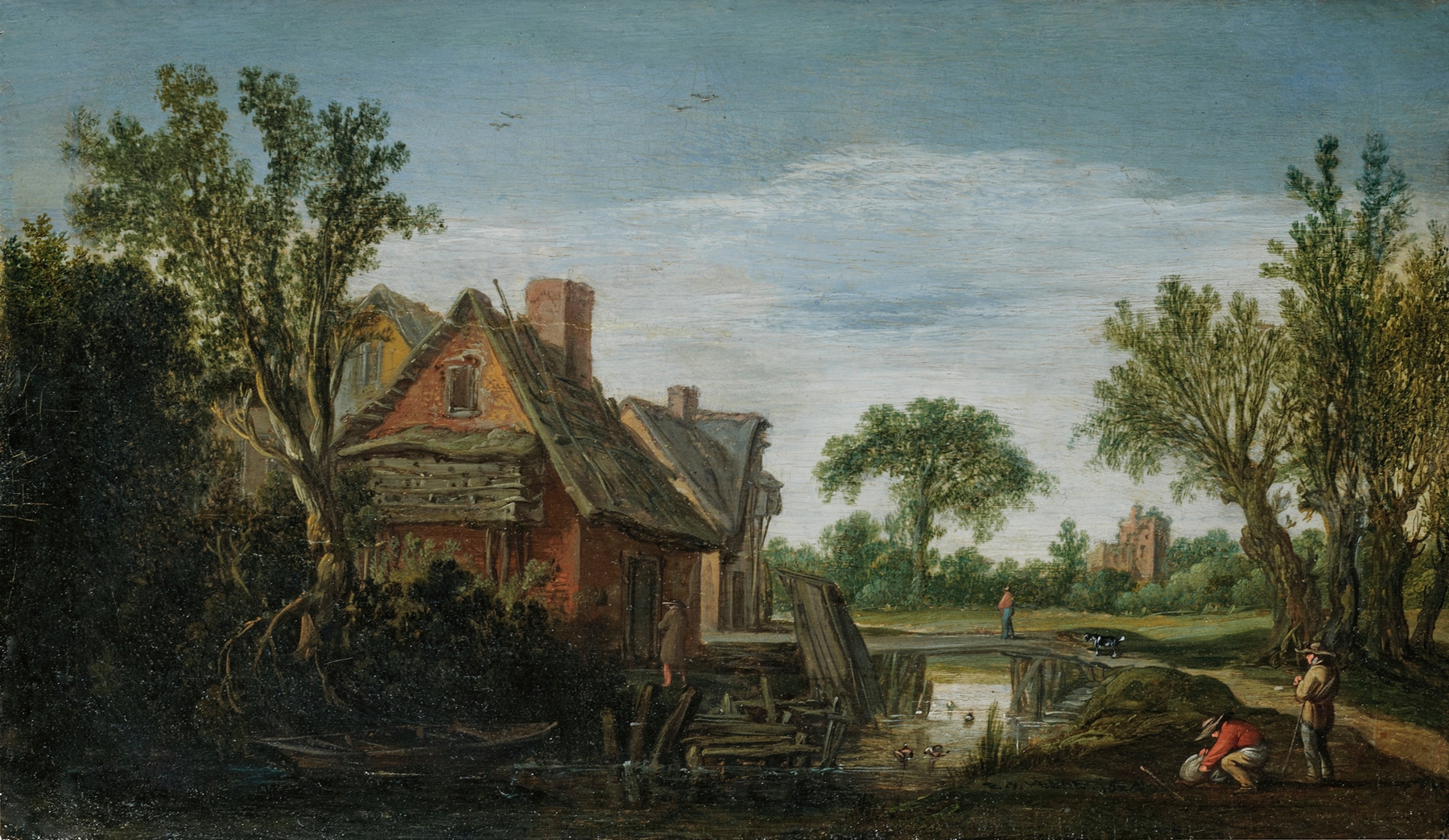
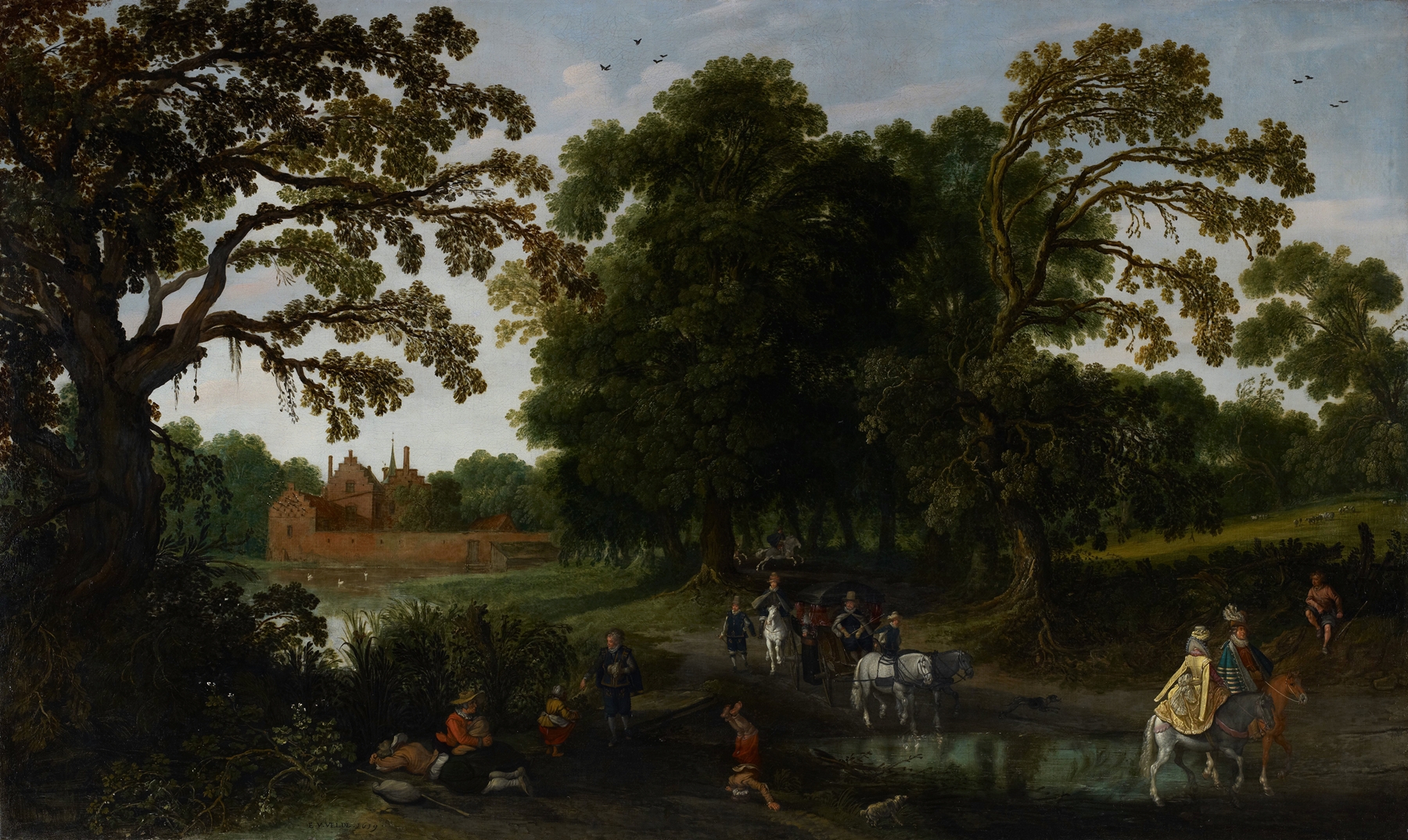
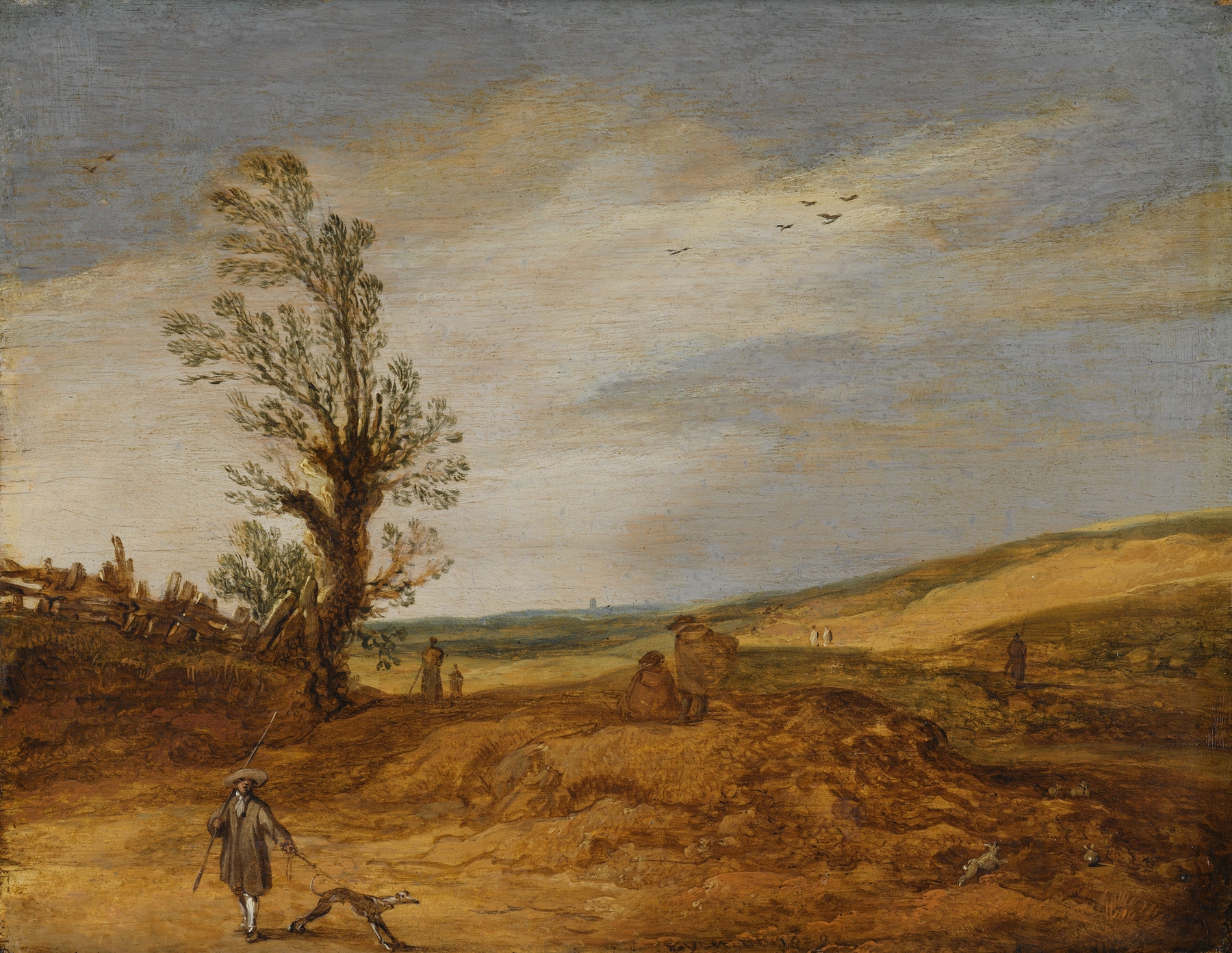
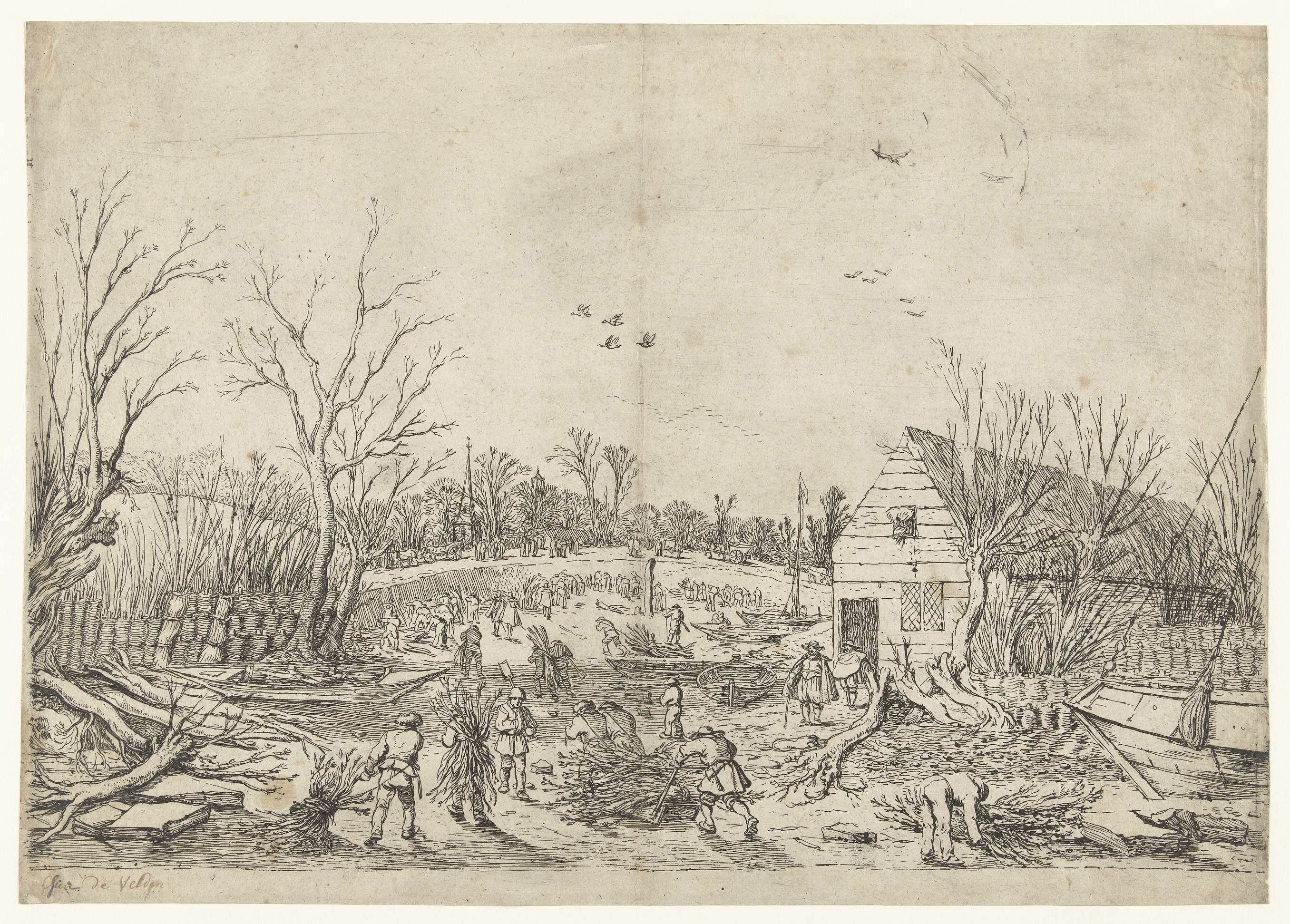
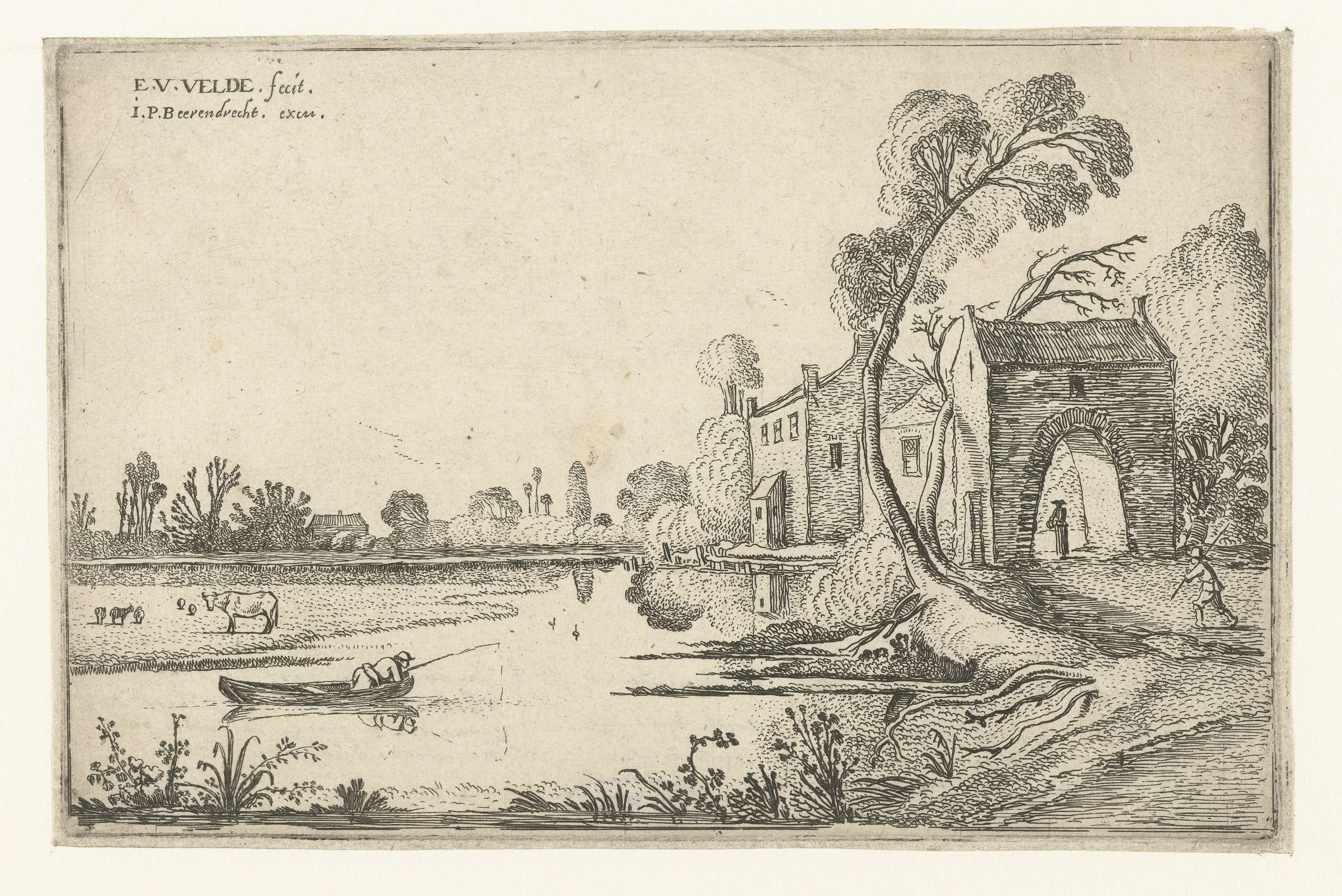
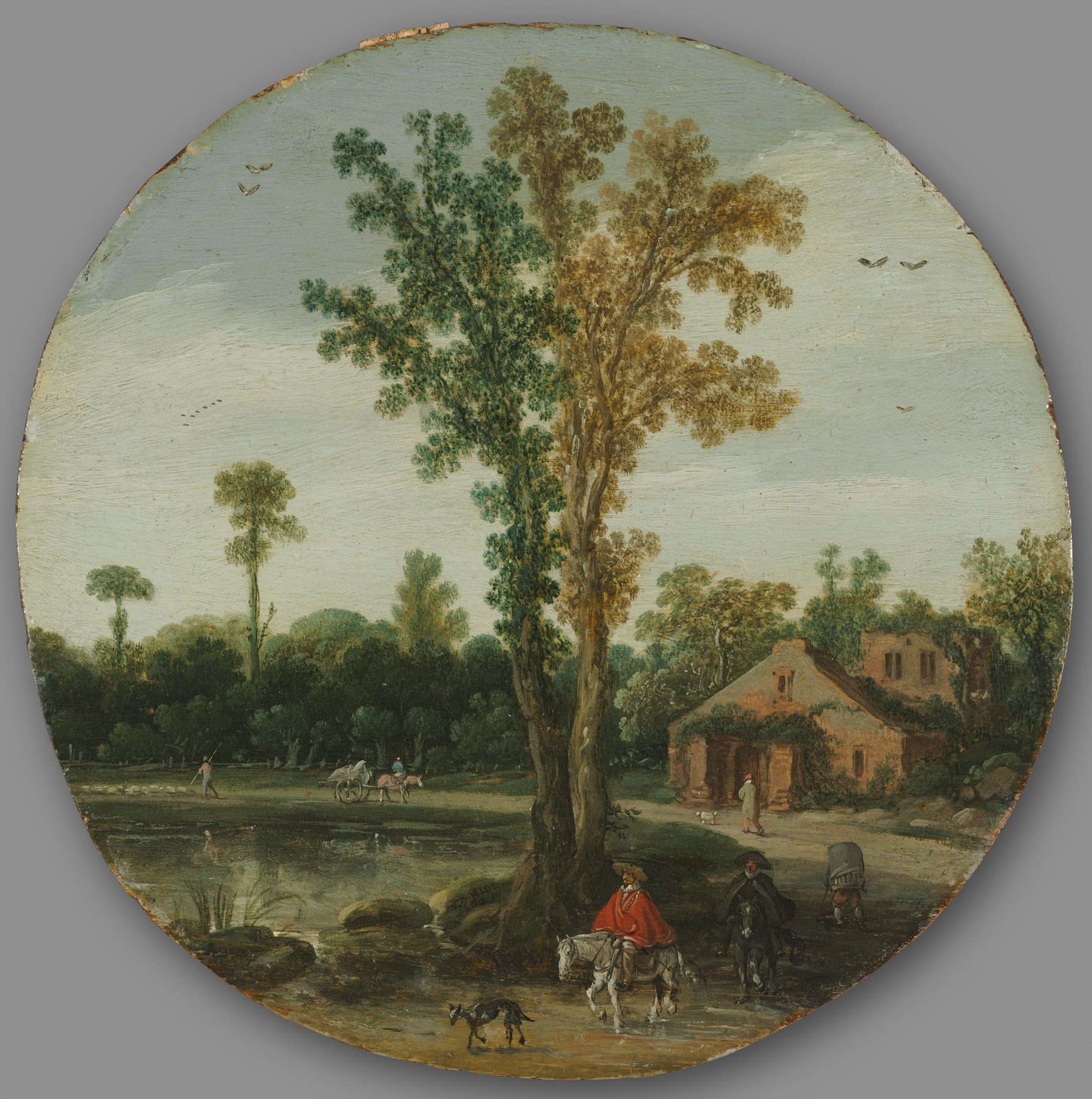
“To paint is to remember what time wants us to forget.” In a world awash with the passage of seasons and the inevitable march of time, the brush becomes a vessel for melancholic remembrance. Look to the left where the trees rise, their branches stretching like hands reaching for the sky. Each trunk is rendered in earthy hues, solid yet tinged with a fleeting whisper of autumn’s decay. The interplay of shadows and light creates a gentle chiaroscuro, inviting the viewer into a moment suspended between dusk and dawn, where life and decay coalesce in quiet harmony.
The landscape holds layers of meaning, suggesting both stability and the ephemeral nature of existence. Notice the delicate play of color; while greens and browns dominate, hints of fading gold resonate with an underlying sorrow, evoking the quiet acceptance of time’s passing. This tension between the tranquility of nature and the hint of loss encapsulates a deeper emotional landscape, reminding us of what has been and what will inevitably fade away.
Esaias van de Velde painted this work in 1616, during a pivotal time of artistic exploration in the Netherlands. Emerging from the shadows of the Mannerist movement, he sought to capture the beauty of the natural world through a more intimate lens. At this moment, the artist grappled with the influences of his predecessors while establishing his unique voice within the evolving Dutch landscape tradition.