Landschap met een rivier en poortgebouw — History & Analysis
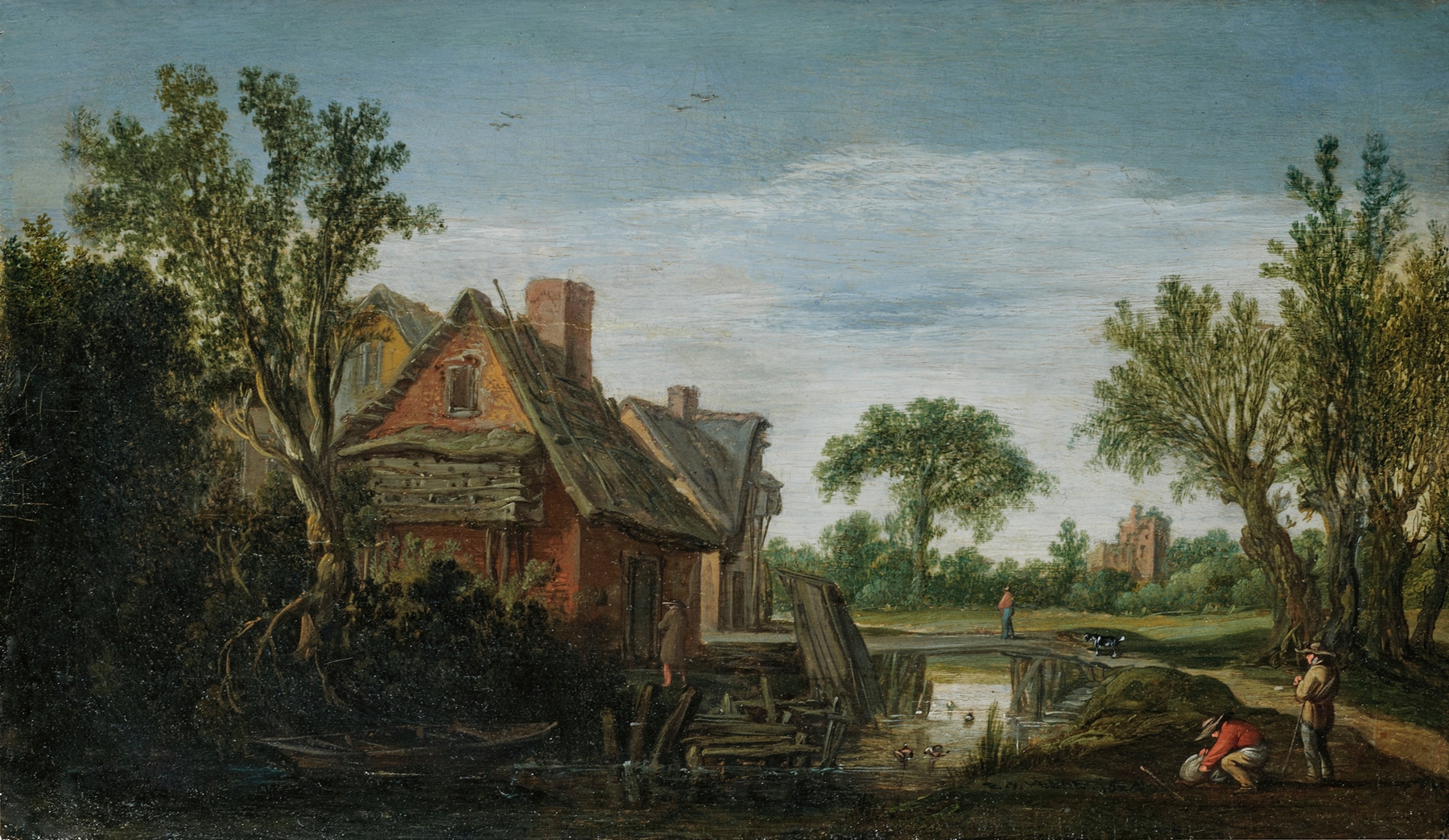
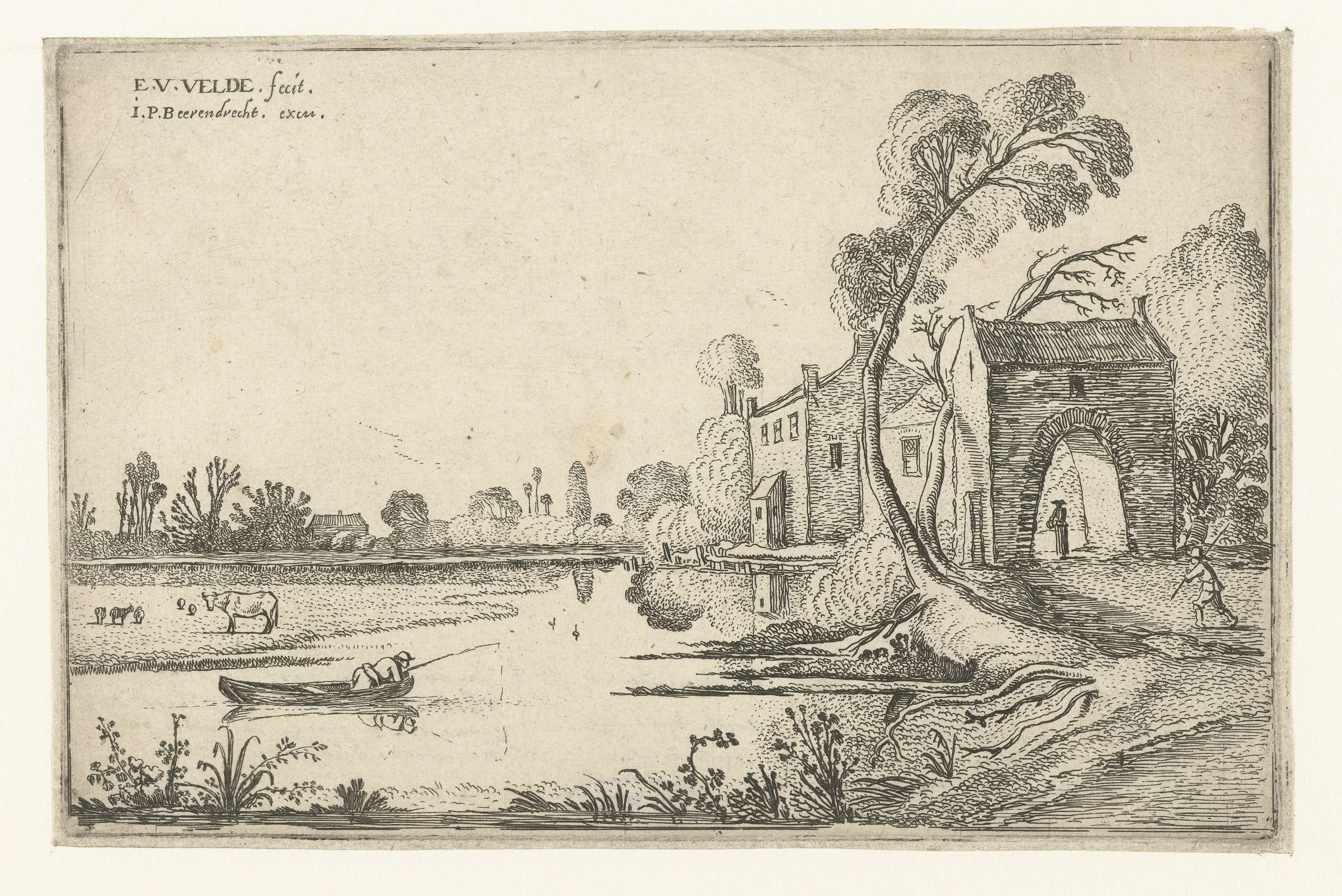
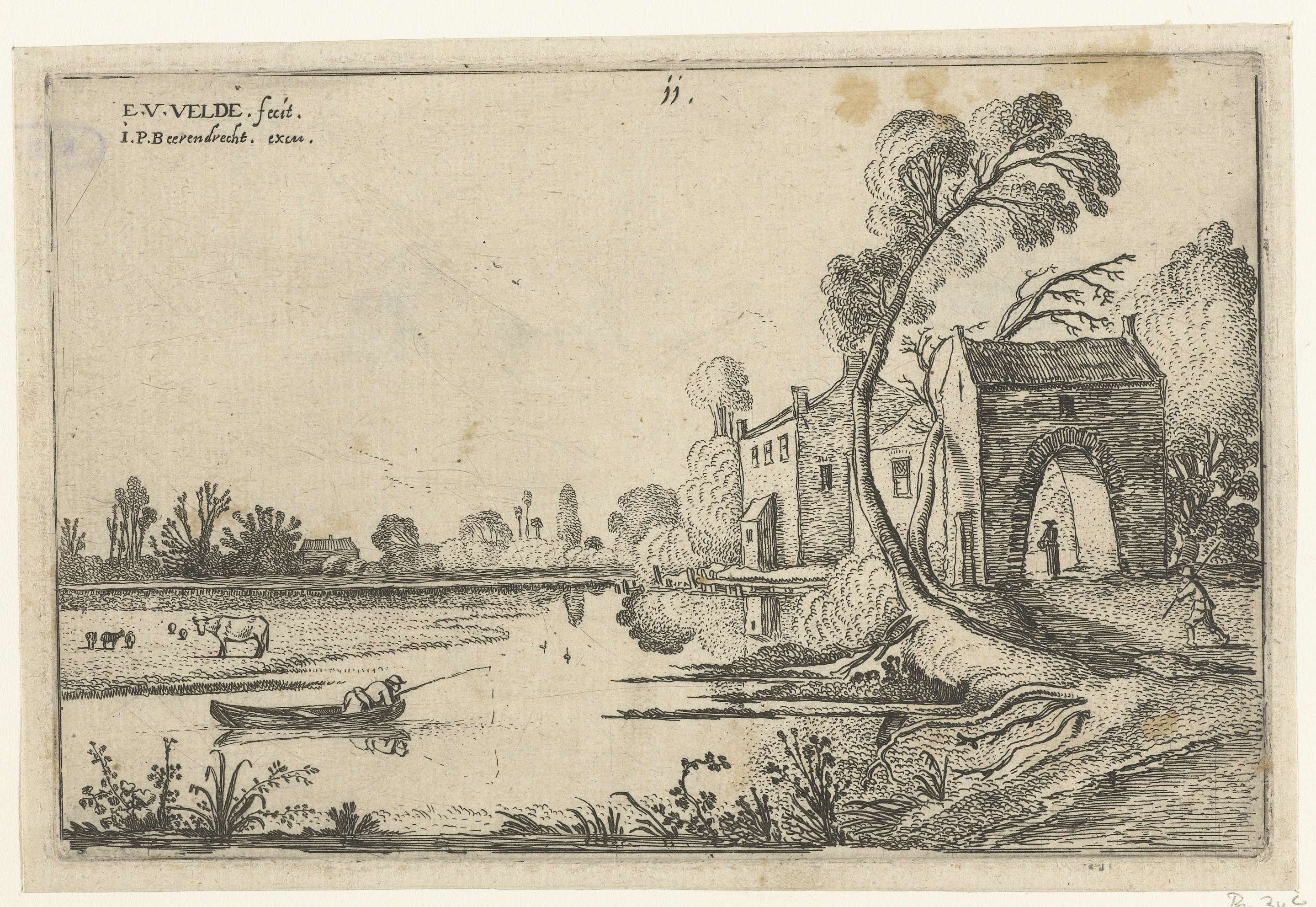
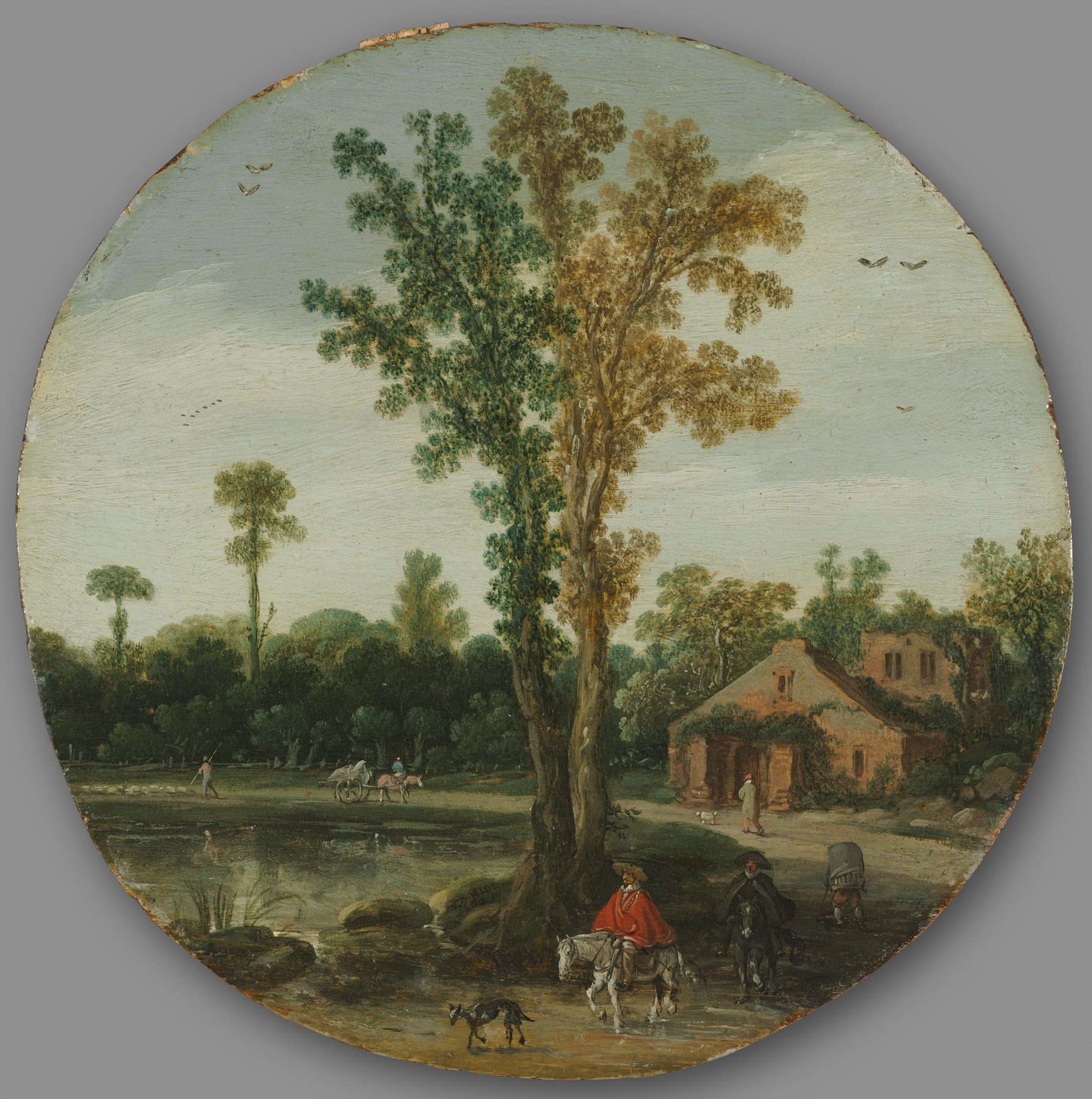
When did color learn to lie? In Landschap met een rivier en poortgebouw, the hues whisper secrets of solitude beneath an expansive sky. They invite the viewer to explore the paradox of beauty and isolation inherent in the landscape. Look to the left, where the winding river reflects the cloudy sky, creating a harmony that feels simultaneously serene and unsettling. Notice how the warm ochres of the land contrast with the cool blues of the water, highlighting the sense of disconnection between the elements.
The elegant arch of the gateway stands tall, yet it appears almost abandoned, as if longing for a presence that has long departed. The careful brushstrokes delineate the trees and grass with precision, yet their stillness evokes a profound stillness, echoing the loneliness that permeates the scene. Amidst the tranquil beauty, there lies a tension between the vibrant palette and the haunting emptiness it conveys. The distant mountains seem impenetrable, symbolizing barriers to connection, while the gentle curves of the river reflect journeys untraveled.
Each element—nature, architecture, light—holds a story of solitude, inviting contemplation of the quiet moments that define existence. Esaias van de Velde painted this work between 1613 and 1617, during a time when the Dutch Golden Age was blossoming into full view. Living in Haarlem and surrounded by the emerging art community, he sought to explore the landscape genre, capturing both the majesty of nature and the human experience within it. This period marked a significant shift in the representation of landscapes, moving towards intimacy and reflection, themes that resonate deeply in this composition.