Landschap met een rivier en poortgebouw — History & Analysis
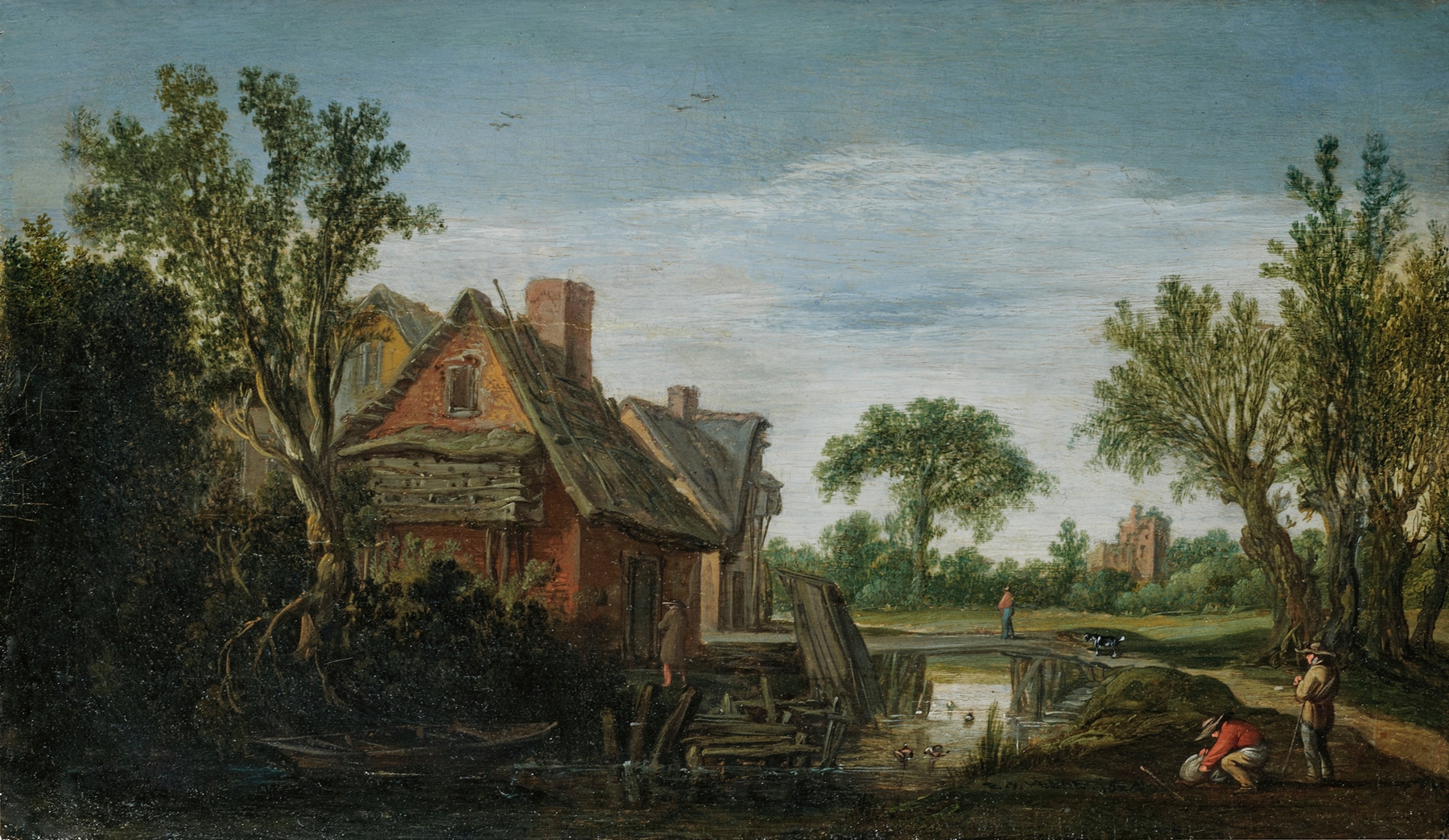
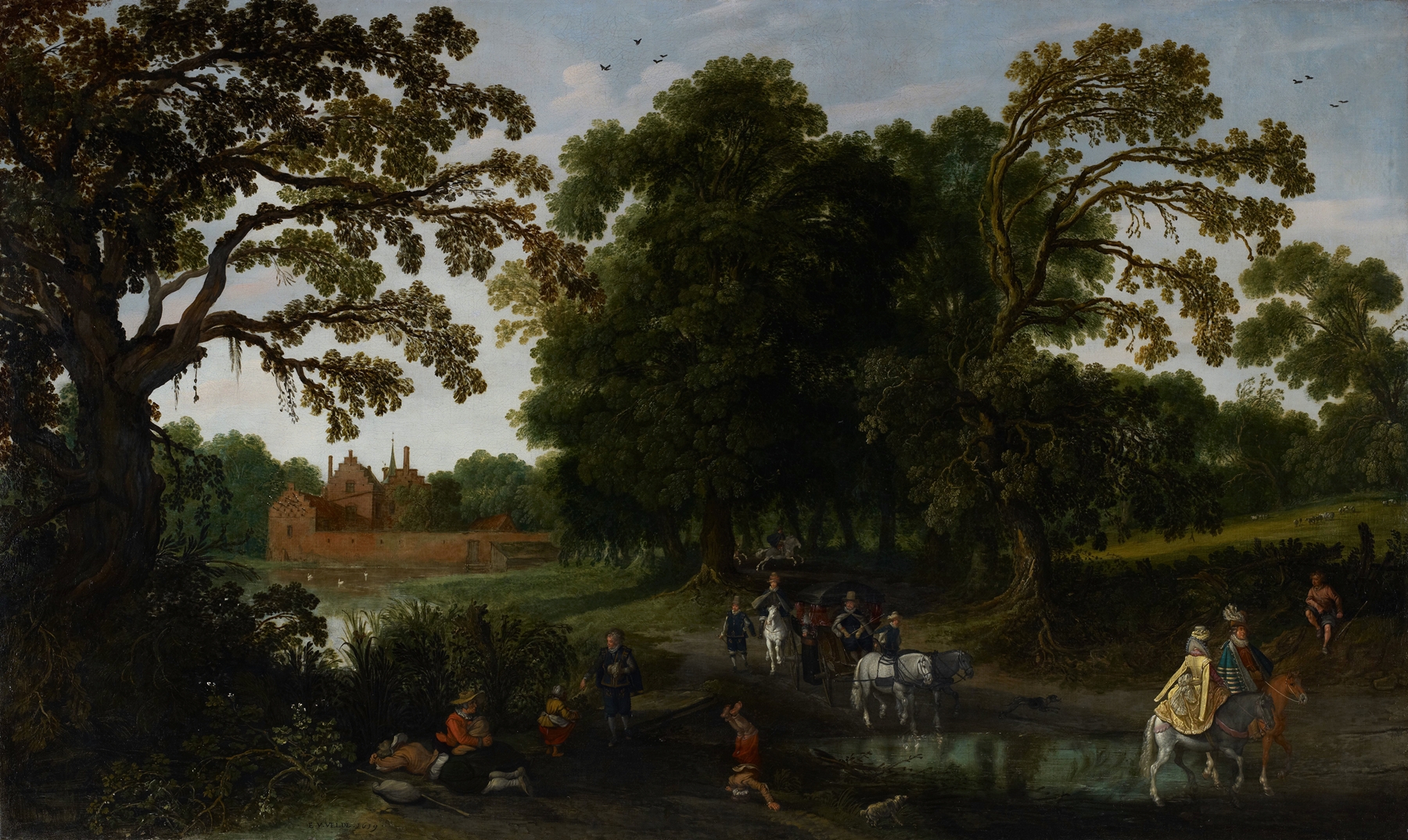
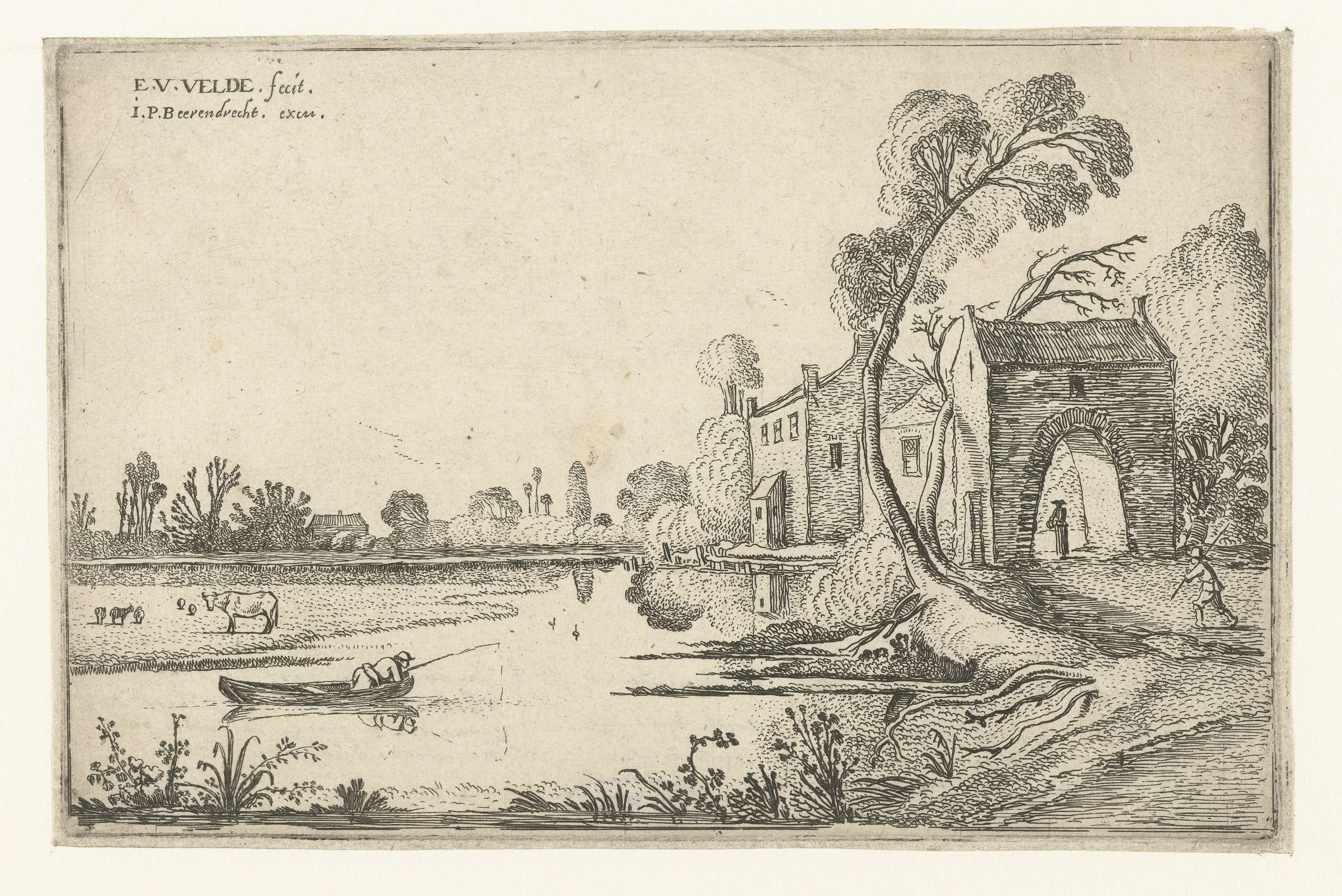
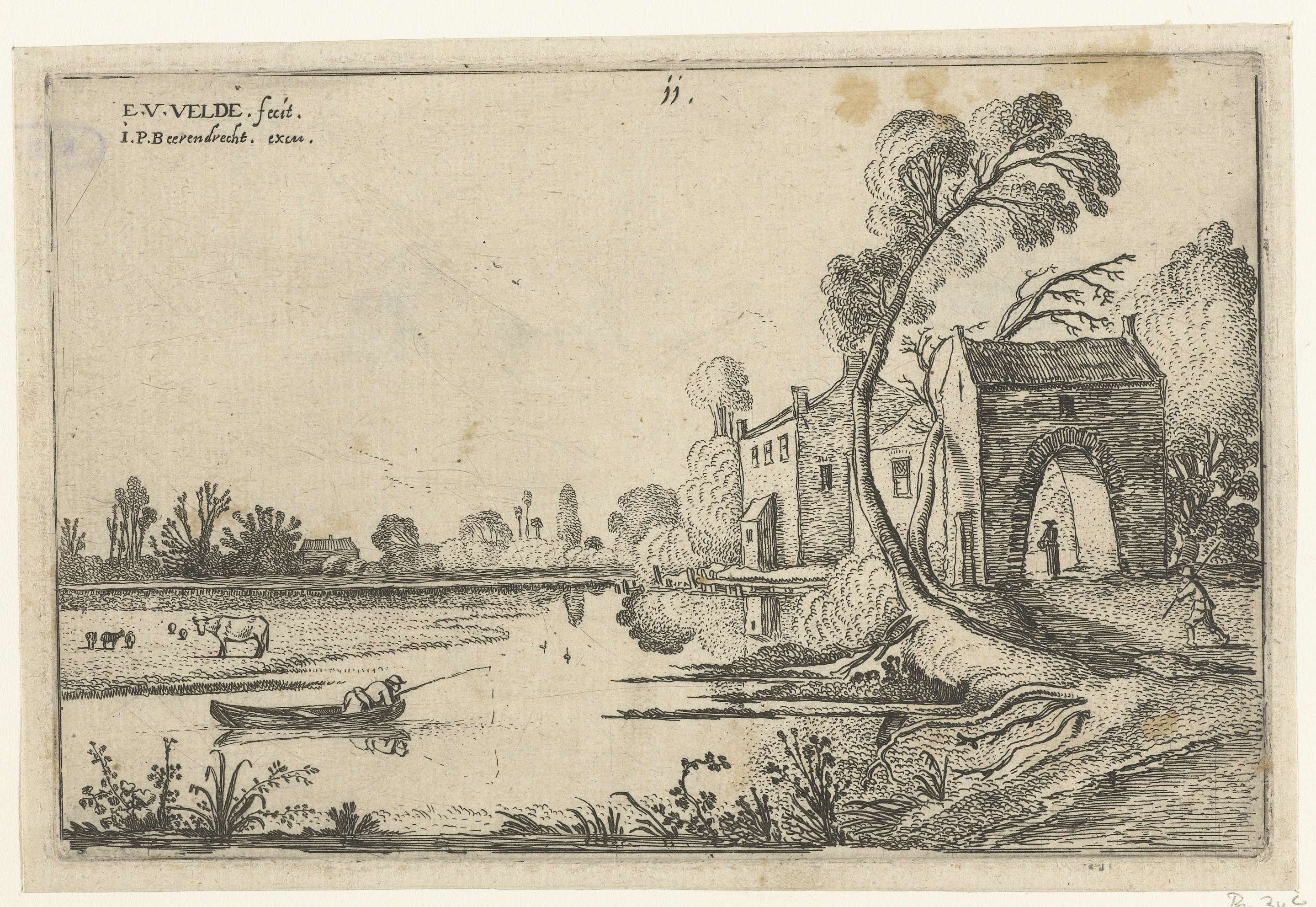
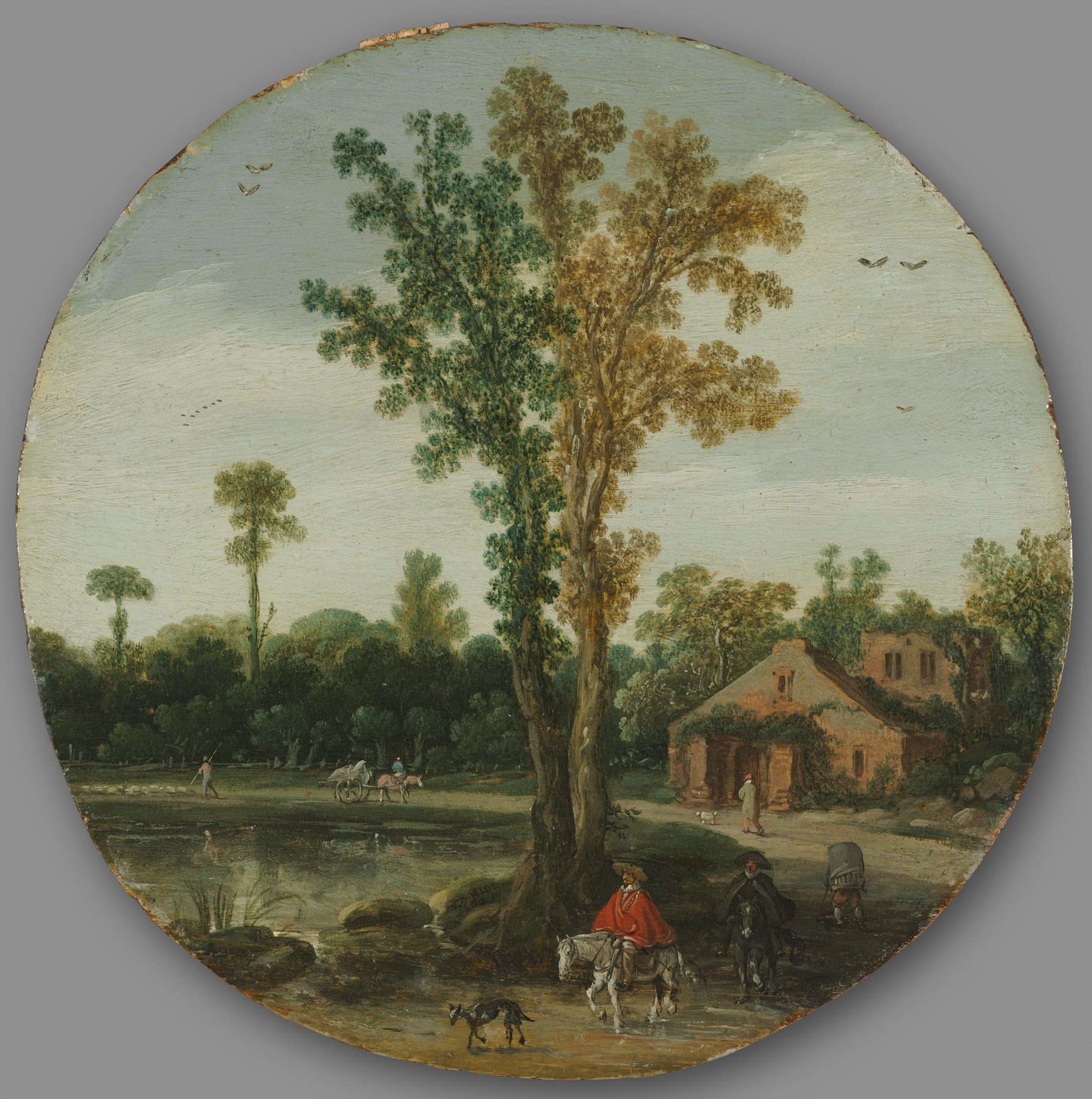
Could a single brushstroke hold eternity? In Landschap met een rivier en poortgebouw, Esaias van de Velde invites us to ponder the weight of legacy embedded in the landscape. Look to the left, where the serene river winds its way through the canvas, glistening under a tender sky. Notice how the light dances on the water’s surface, a delicate interplay that draws your gaze forward into the scene. The architecture of the gate stands proud against the backdrop of rolling hills, expertly rendered with soft earth tones that evoke a sense of nostalgia.
The meticulous detail in the trees framing the composition speaks to both nature’s beauty and the transience of time. Beneath this tranquil exterior lies a rich tapestry of contrasts. The stillness of the water is juxtaposed with the distant figures moving along the riverbank, subtly suggesting the passage of life. The looming structure of the gate hints at human endeavor, a bridge between the natural world and civilization, evoking the idea of progress intertwined with nature.
Each element serves as a reminder of the legacies we create and leave behind, timelessly captured in paint. In 1616, van de Velde painted this piece during a pivotal moment in Dutch art. As the country emerged from a period of conflict, artists began to explore the beauty of everyday landscapes, celebrating the natural world. This work reflects both his personal artistic evolution and the broader shift towards a more serene representation of reality within the Dutch Golden Age.