Landschap met een rivier en poortgebouw — History & Analysis
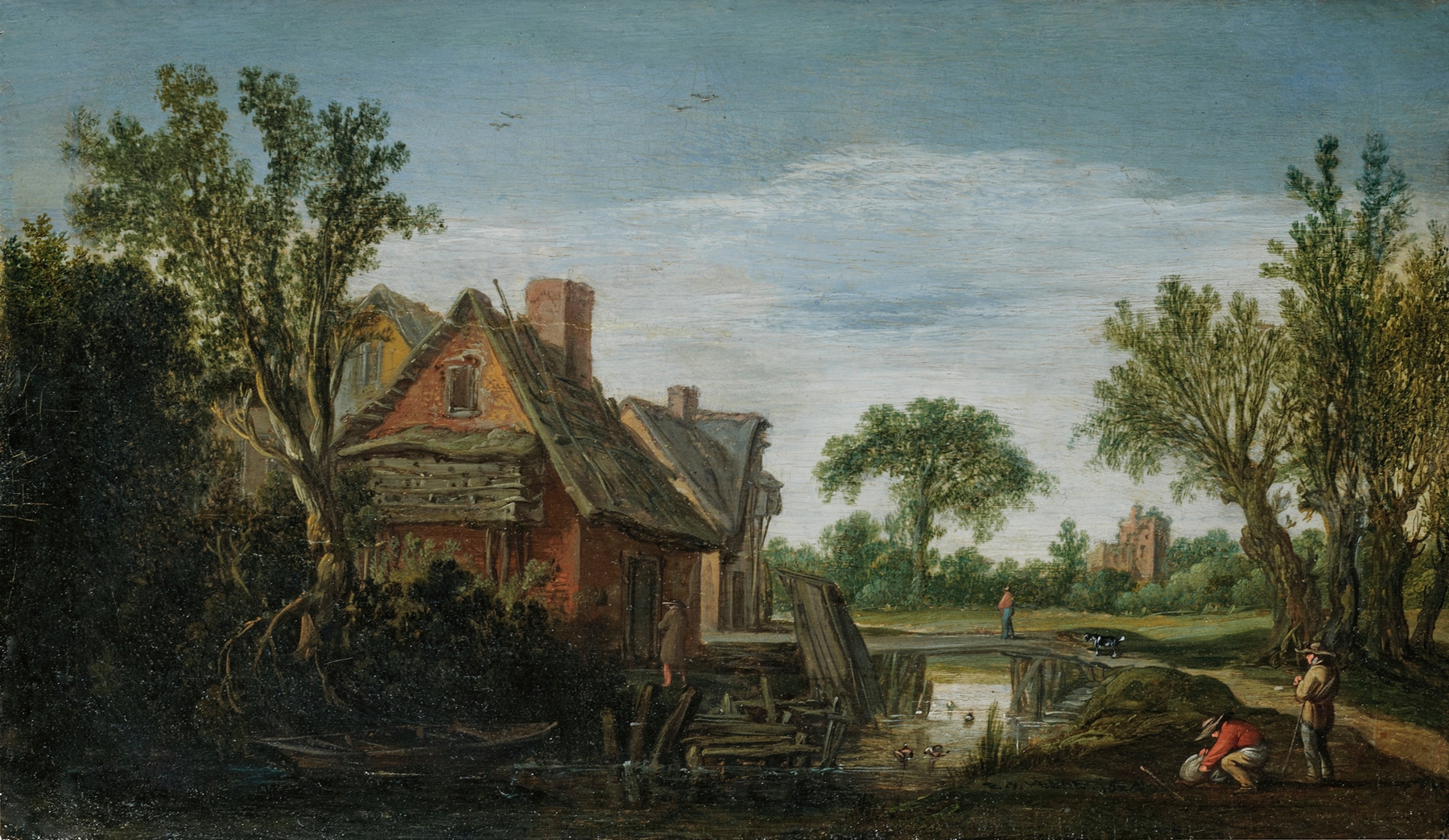
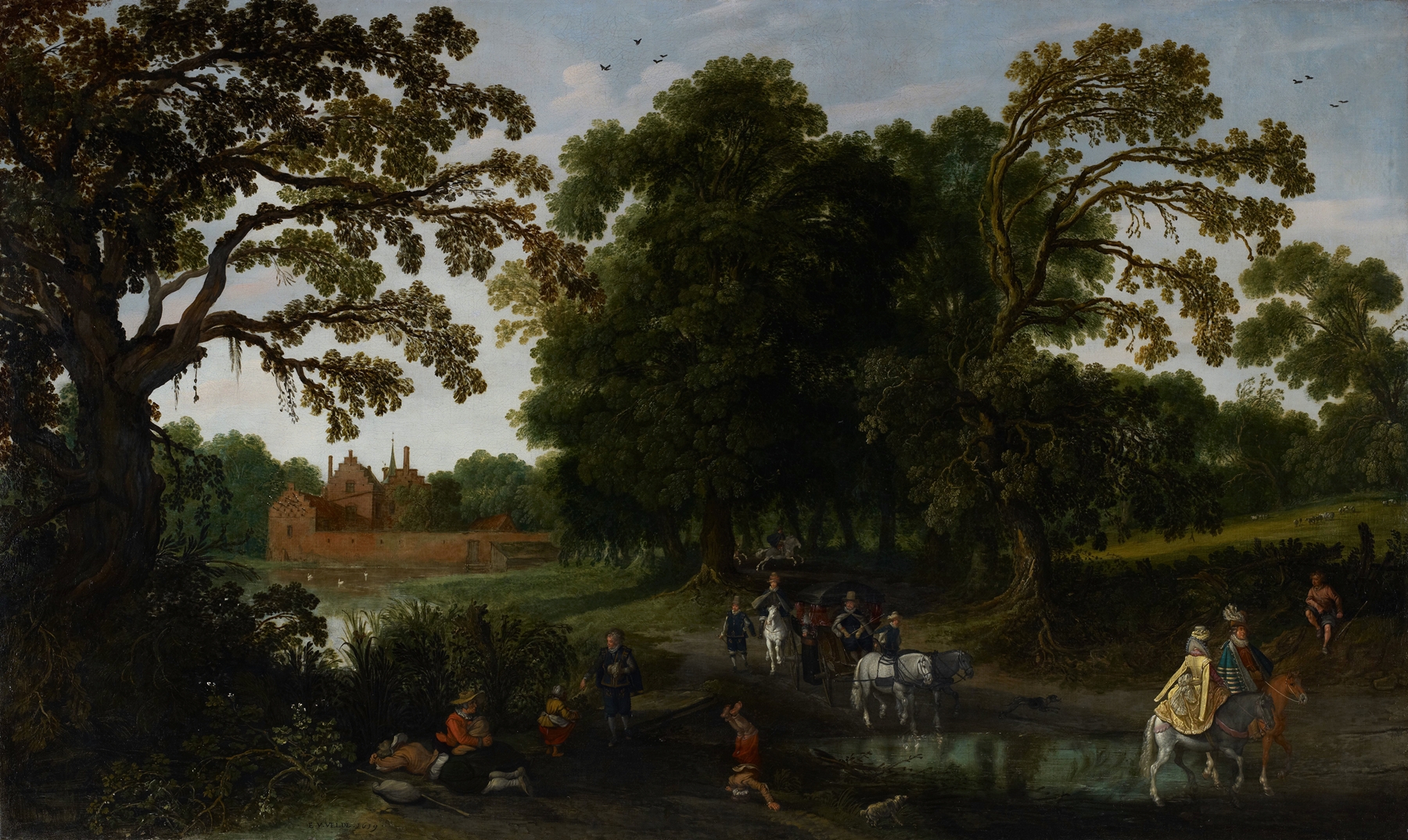
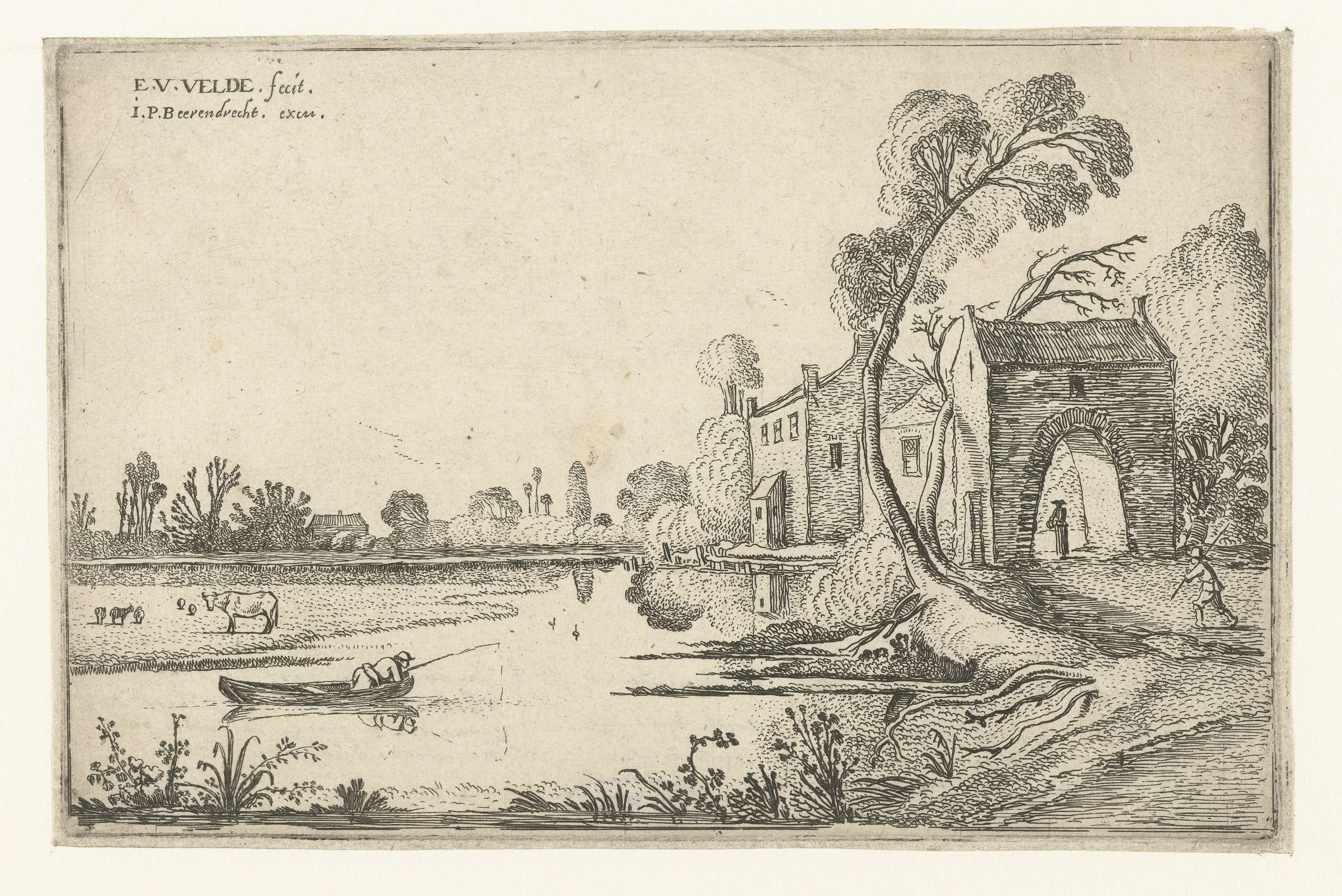
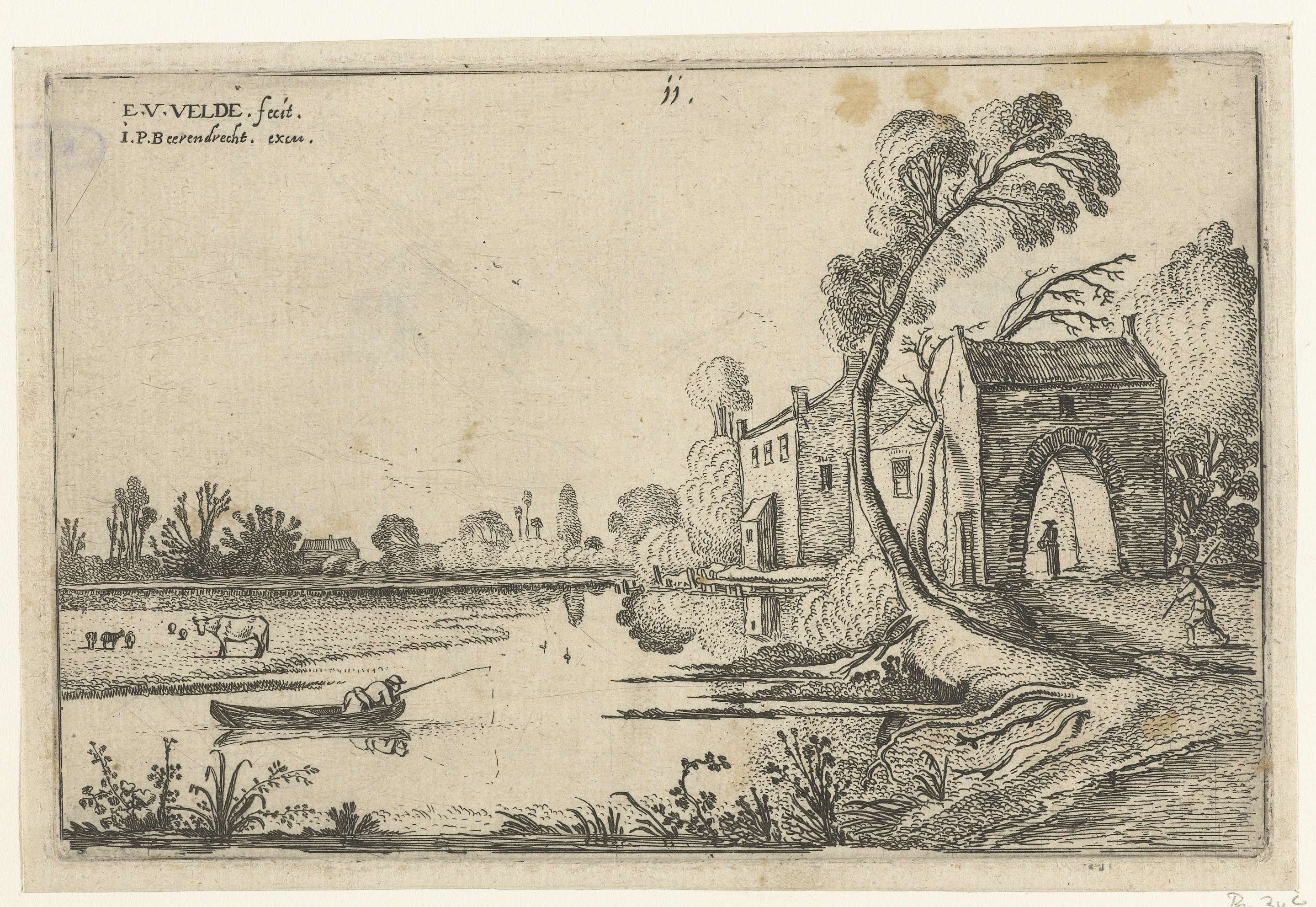
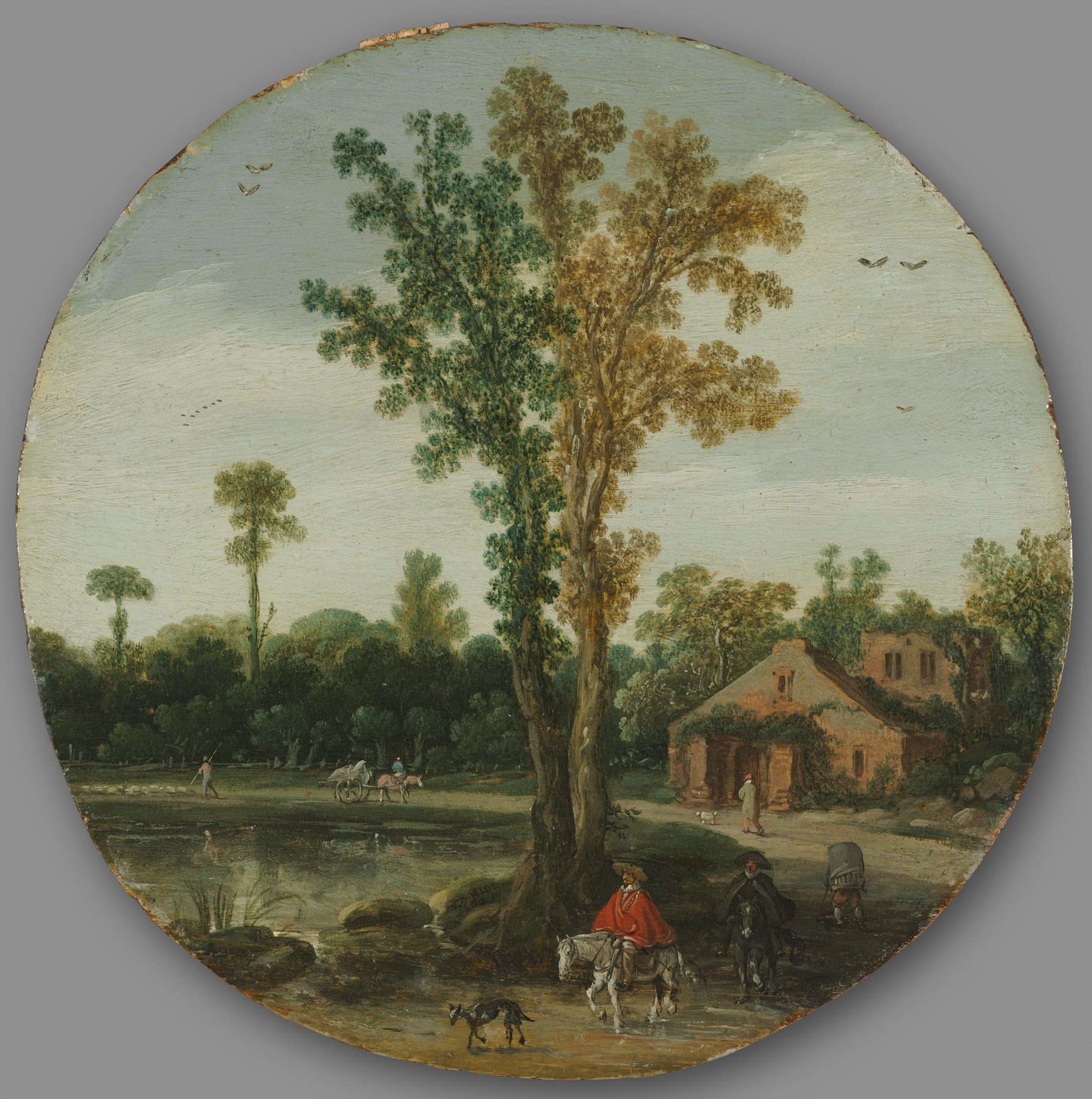
“Art reveals the soul when the world turns away.” In the quiet corners of history, whispers of legacy linger, illuminating the stories that art captures, transcending time and circumstance. Focus on the gentle flow of the river, meandering through the heart of the canvas. The light dapples across the water’s surface, creating a shimmering path that draws the eye toward the imposing gatehouse, a silent guardian of the landscape. Notice how the earthy tones of the foliage contrast with the soft blues and grays of the sky, revealing a delicate balance between nature and man-made structures.
The painter’s deft brushwork captures the atmosphere beautifully, encapsulating a moment of tranquil coexistence. Beyond the serene composition lies a deeper narrative. The river symbolizes the passage of time—a reminder that even the most solid structures, like the gatehouse, stand against the relentless flow of history. The delicate reflections in the water suggest introspection and legacy, inviting the viewer to ponder the stories of those who once navigated these waters.
The painting serves as a testament to the enduring presence of nature amidst human endeavors and the inevitable change that accompanies both. Created in 1616, this piece emerges from the early Dutch Golden Age, a time when artists like Esaias van de Velde were exploring landscapes infused with narrative depth. Living in Haarlem, he found inspiration in the natural beauty surrounding him, embarking on a journey that would shape his legacy. The art world was evolving, transitioning from religious themes to a profound appreciation for the mundane and the sublime intertwined within the everyday, marking a pivotal era in European art history.