Landschap met pad over een brug van steen en hout — History & Analysis
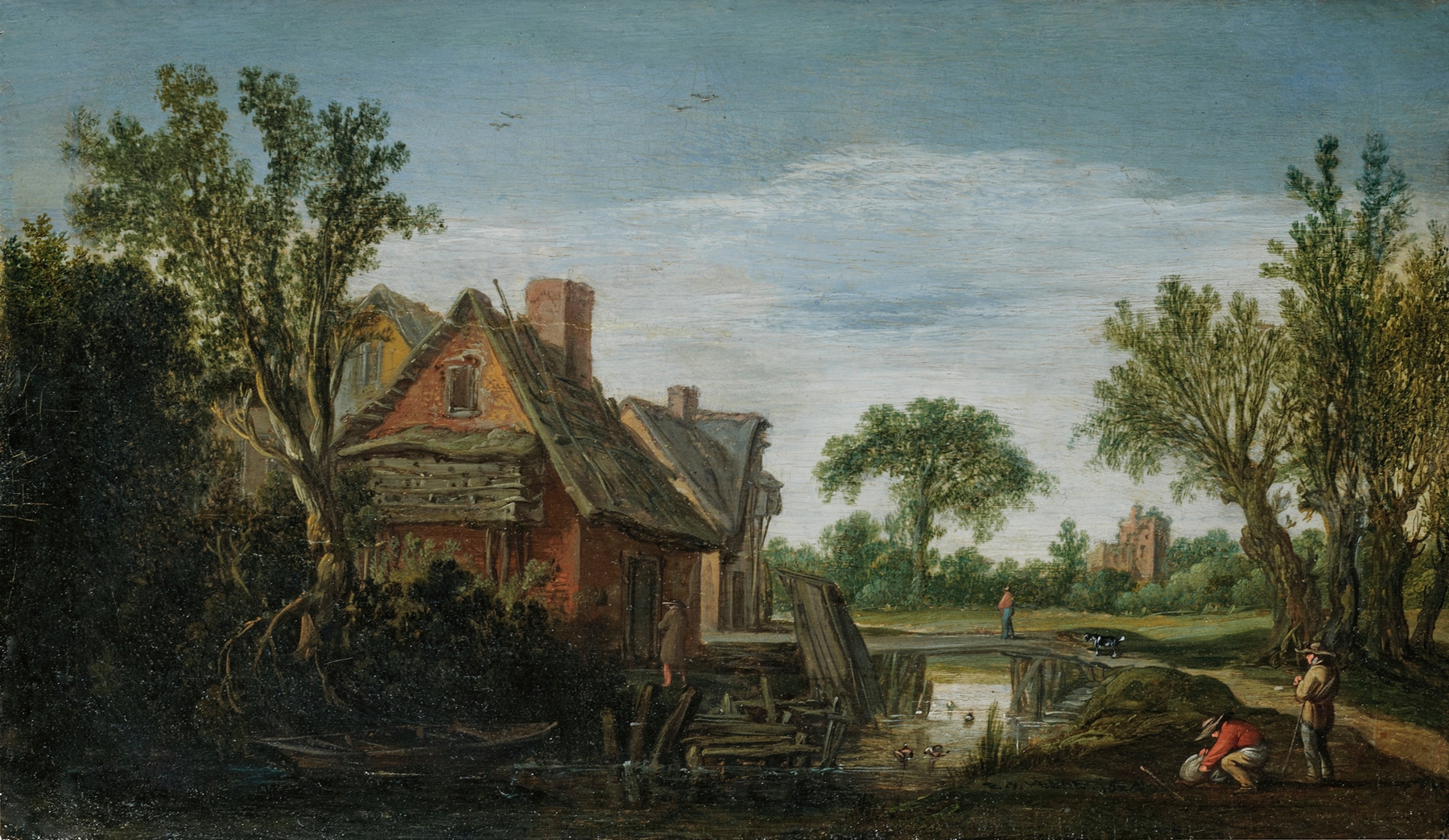
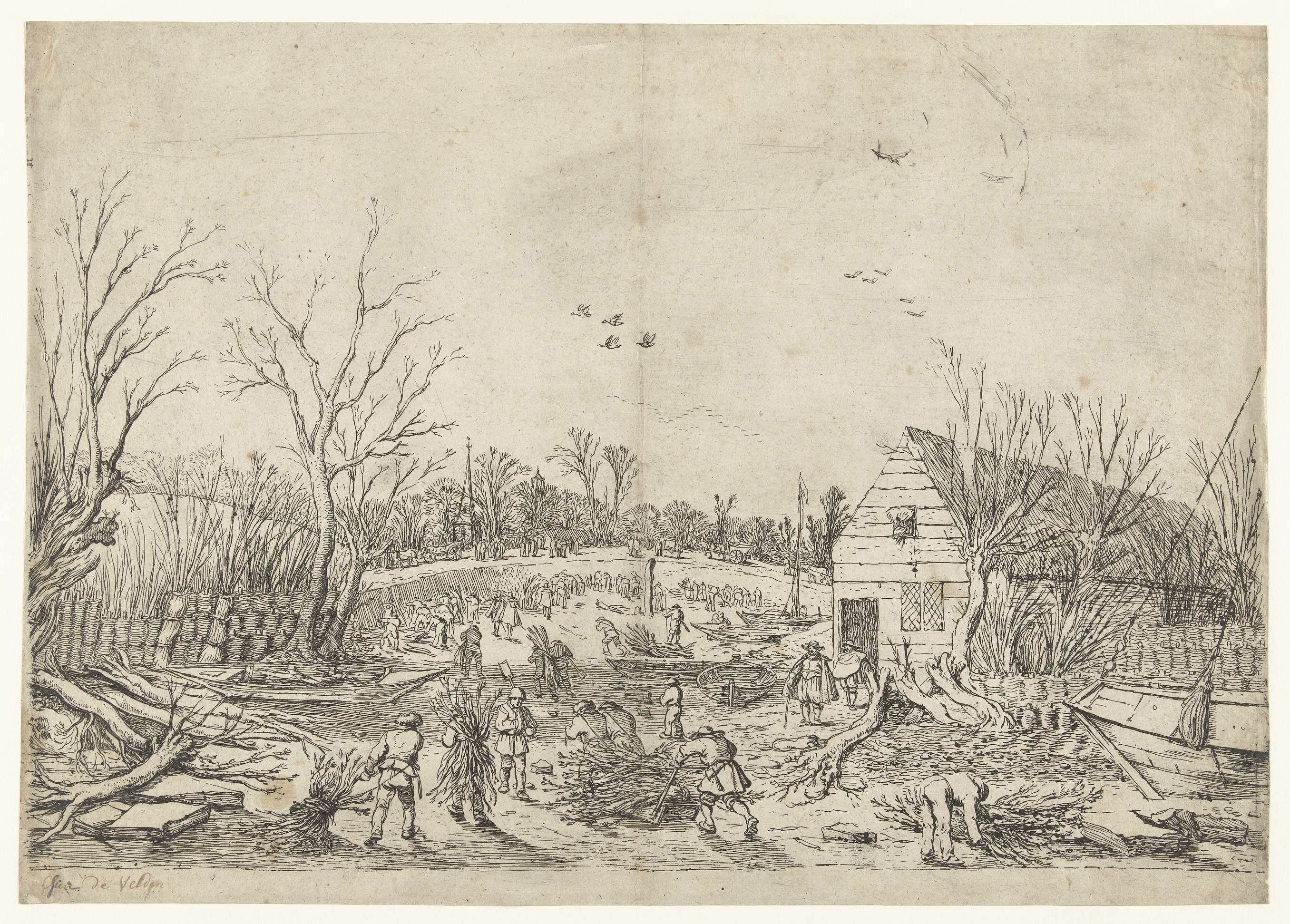
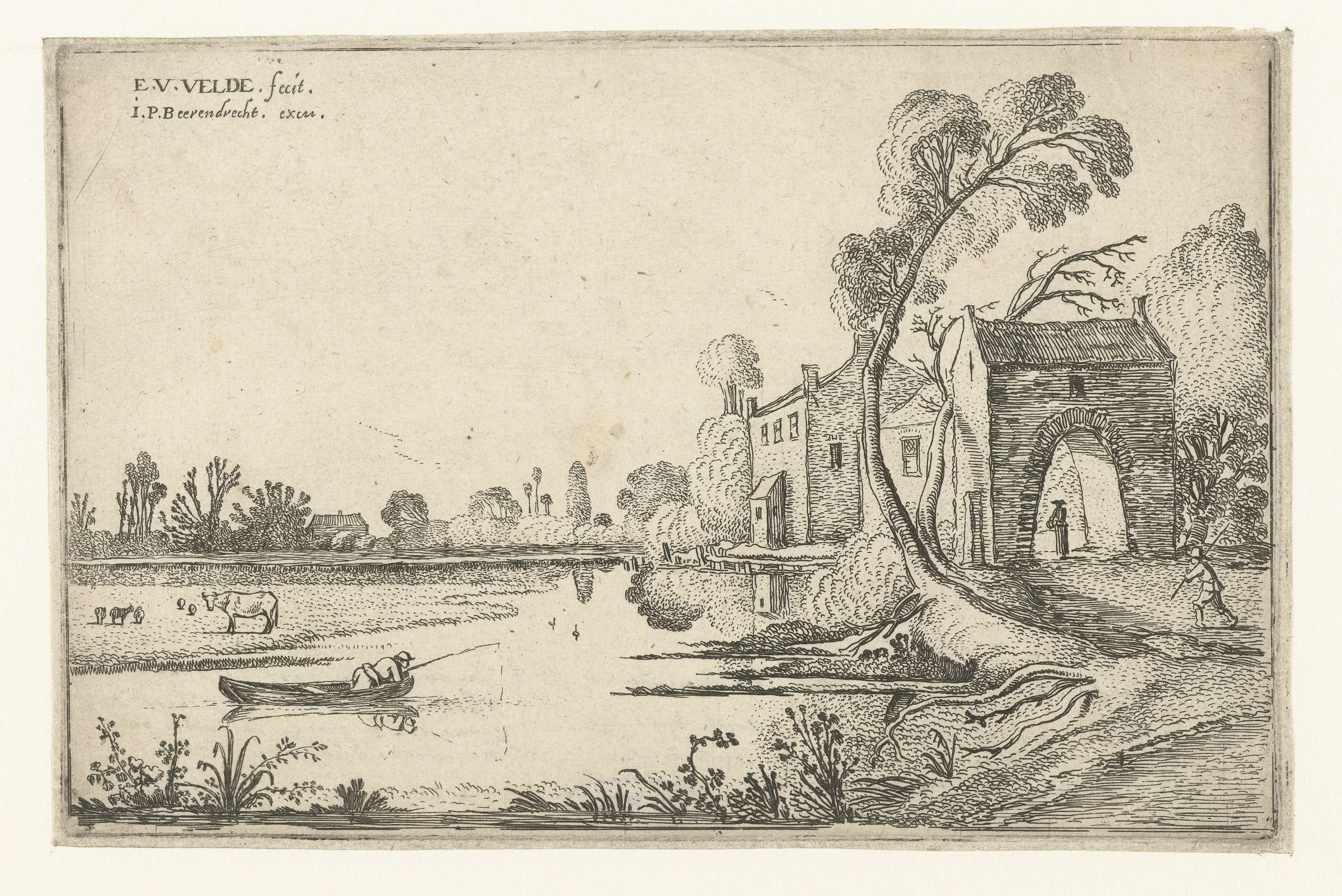
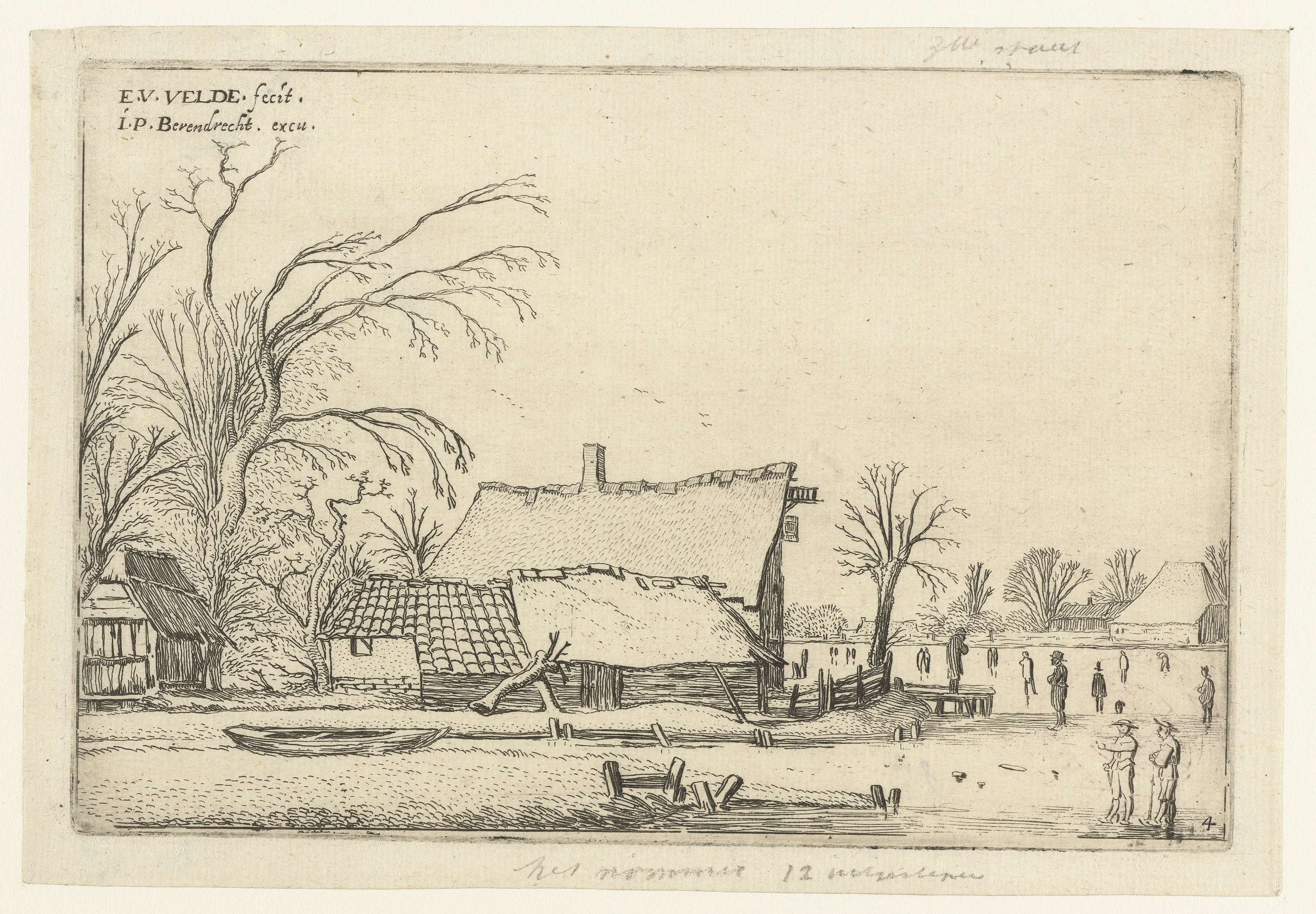
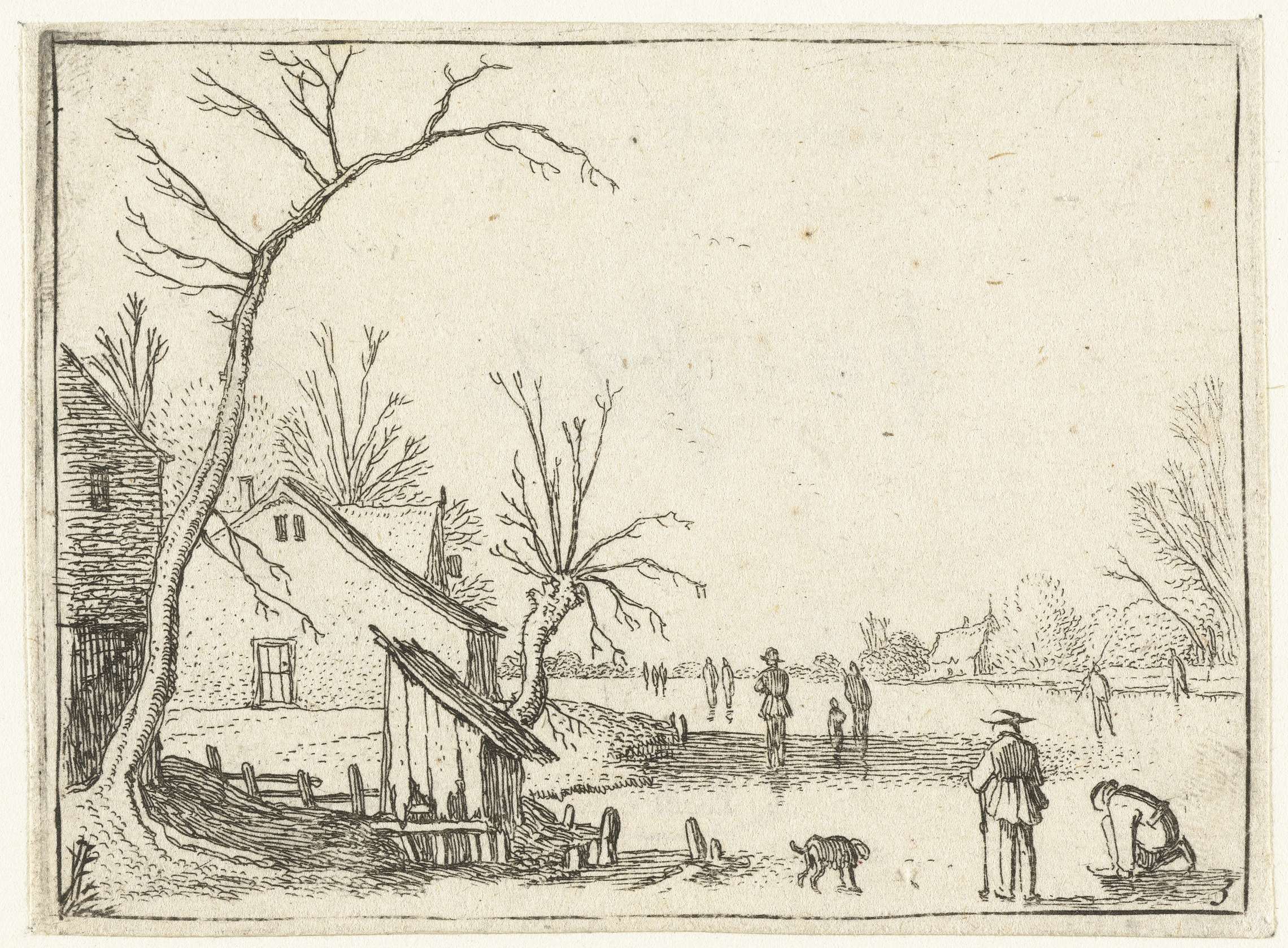
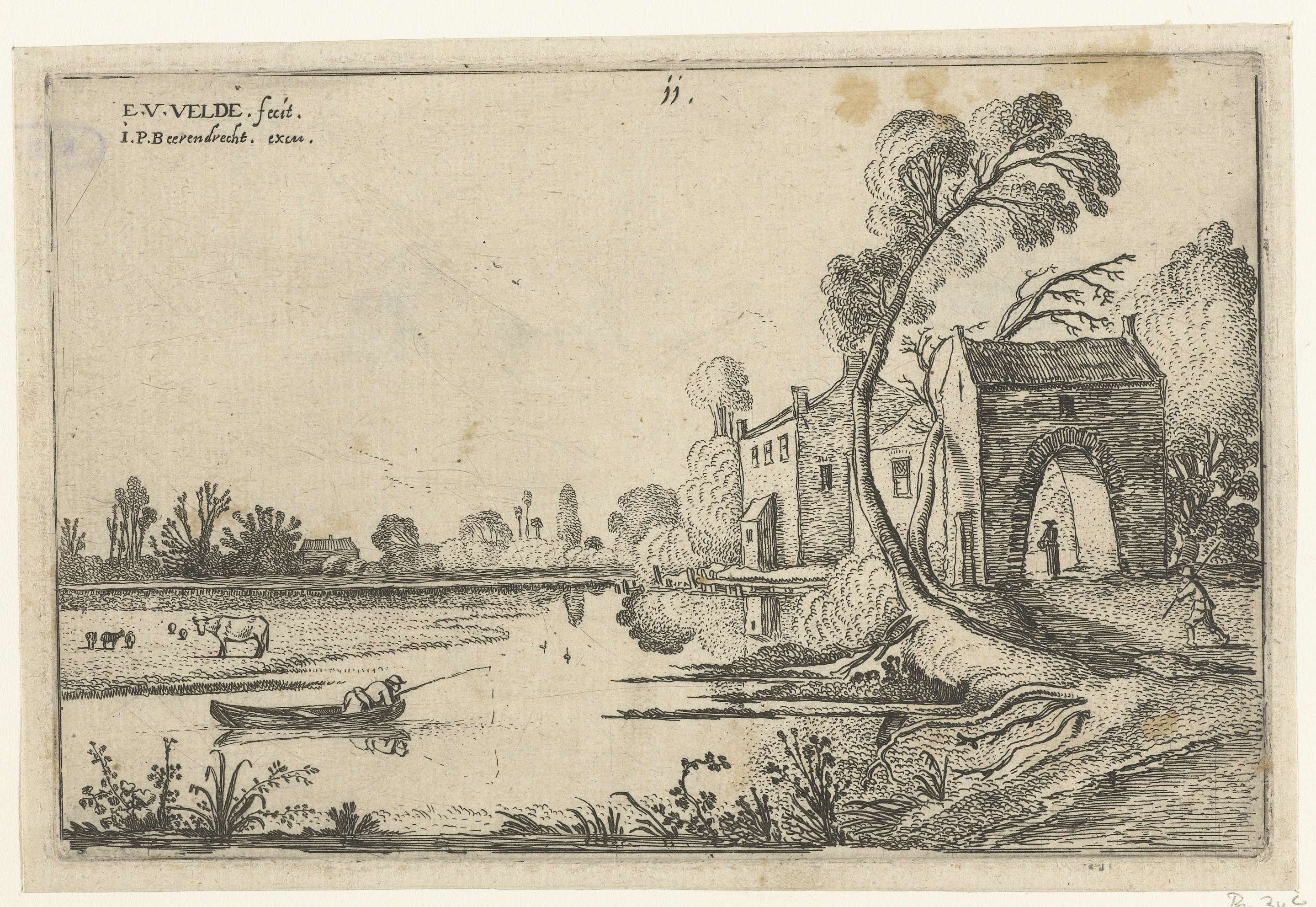
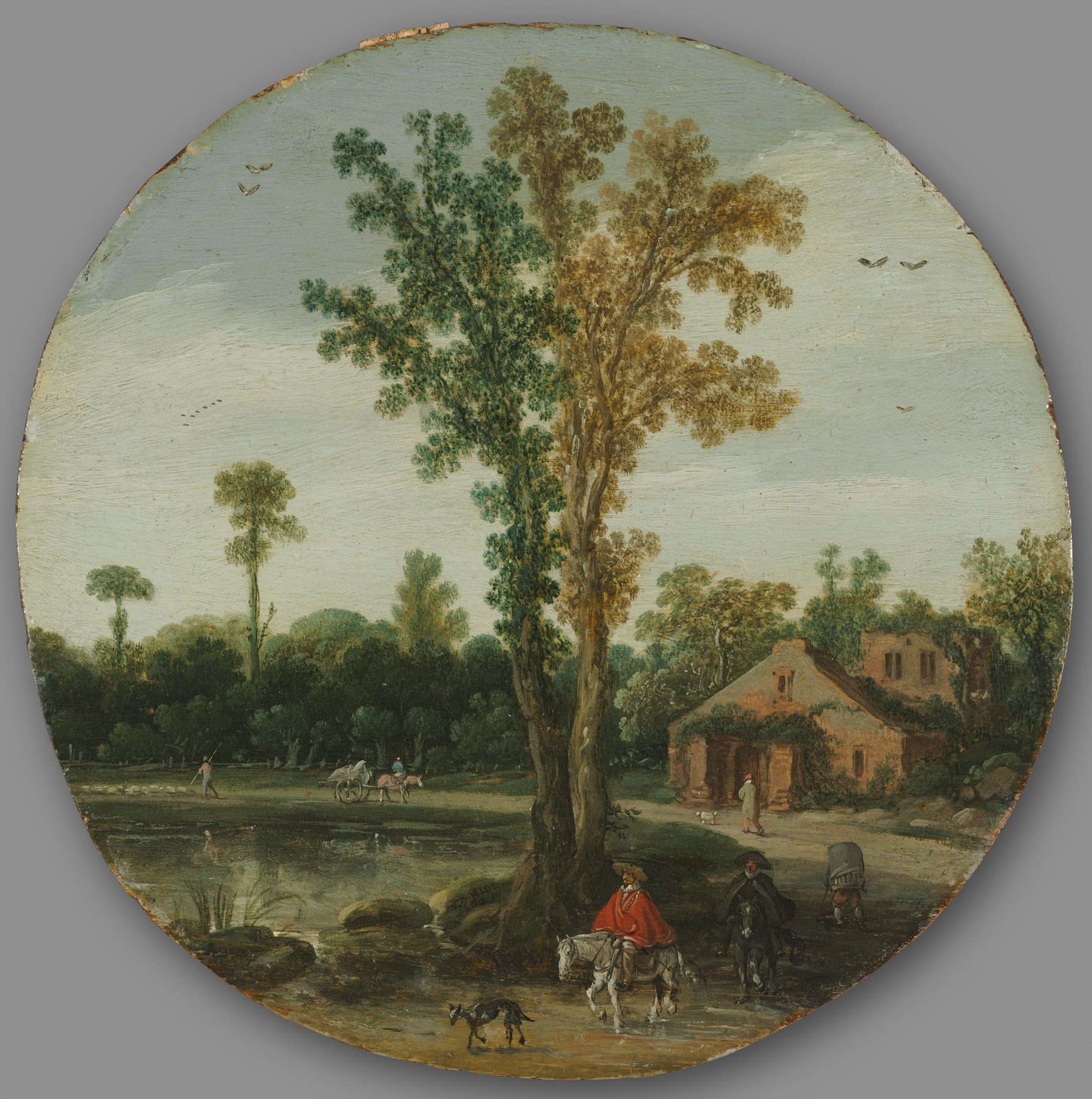
When did color learn to lie? In a world of surface and illusion, beauty often masks deeper truths, whispering secrets only the attentive can hear. Look to the foreground, where a weathered stone and wooden bridge arches gracefully over the gentle flow of a stream. Beneath the bridge, the water glimmers with a silvery sheen, reflecting the hues of the sky above. Notice how the artist skillfully balances the lush greens of the landscape with the earthy browns and warm grays of the bridge, inviting you to traverse the scene alongside the figures meandering through this pastoral setting.
Each brushstroke is an invitation, guiding the gaze through layers of texture and light, capturing both the tranquility and complexity of nature. Yet, beneath the serene exterior lies a poignant tension. The bridge, a symbol of connection, also suggests the fragility of human endeavors against the backdrop of nature's eternal beauty. The figures, small against the vastness of their surroundings, hint at the fleeting nature of existence and the indifference of the world around them.
As the warm light bathes the landscape, a duality emerges; beauty serves not only as an allure but as a reminder of what is often left unexamined. In 1614, Esaias van de Velde created this piece in the Netherlands, a time when the Dutch Golden Age was flourishing. Artists were increasingly exploring landscapes as subjects, a departure from religious themes. Van de Velde, influenced by his contemporaries, found solace in capturing the interplay of light and shadow, reflecting a burgeoning appreciation for nature’s beauty alongside a recognition of its impermanence.