Landschap met ruïne van een romeinse tempel — History & Analysis
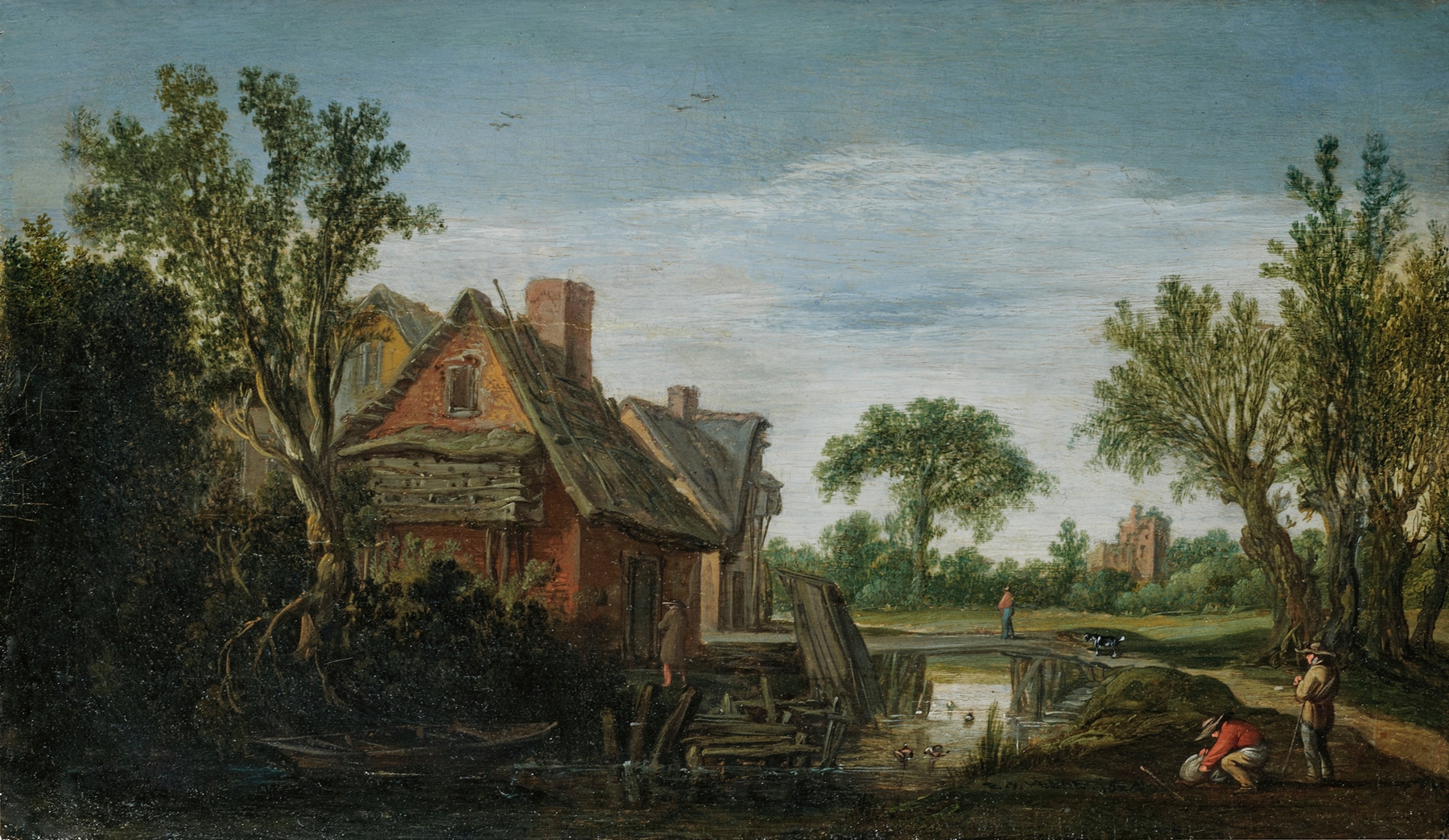
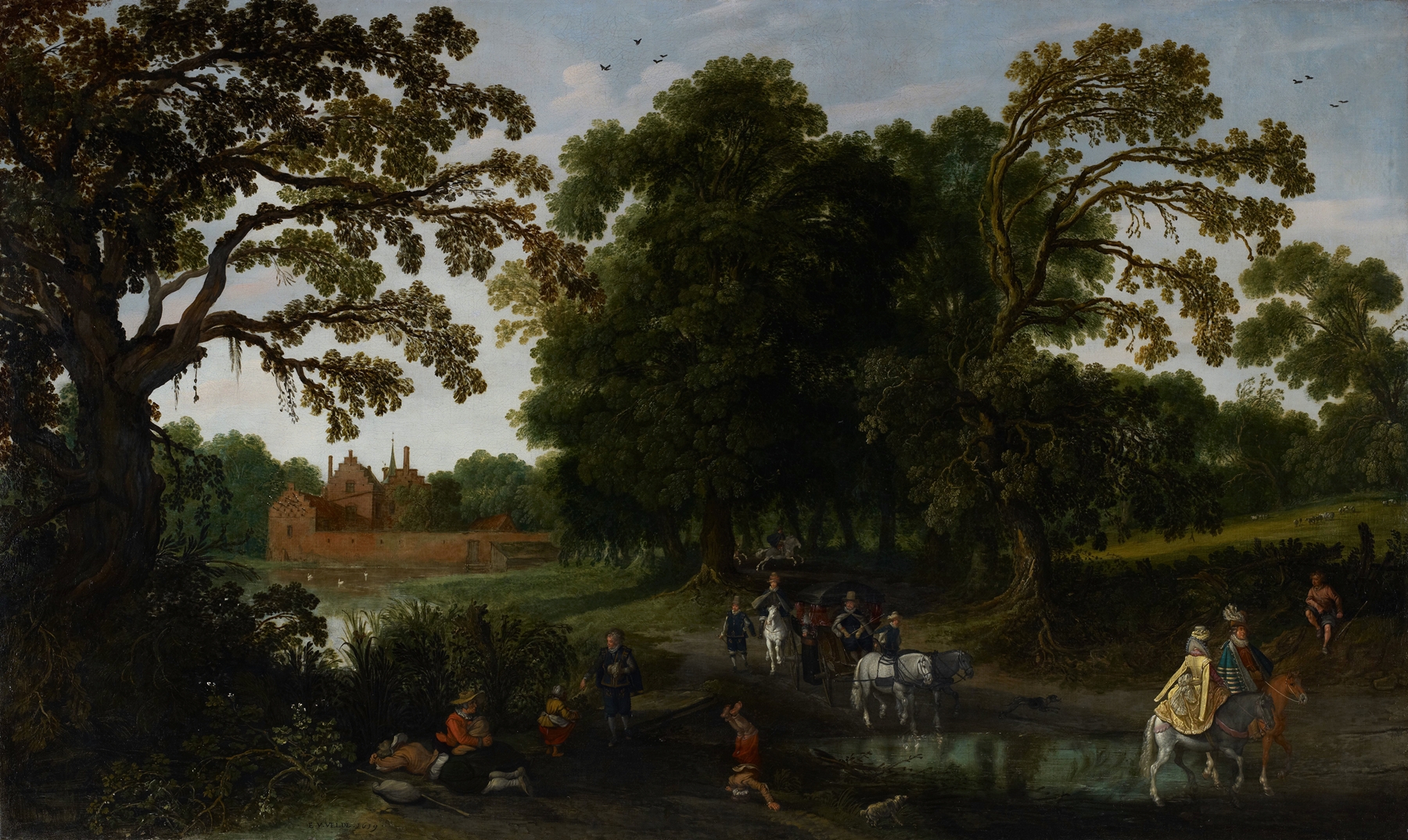
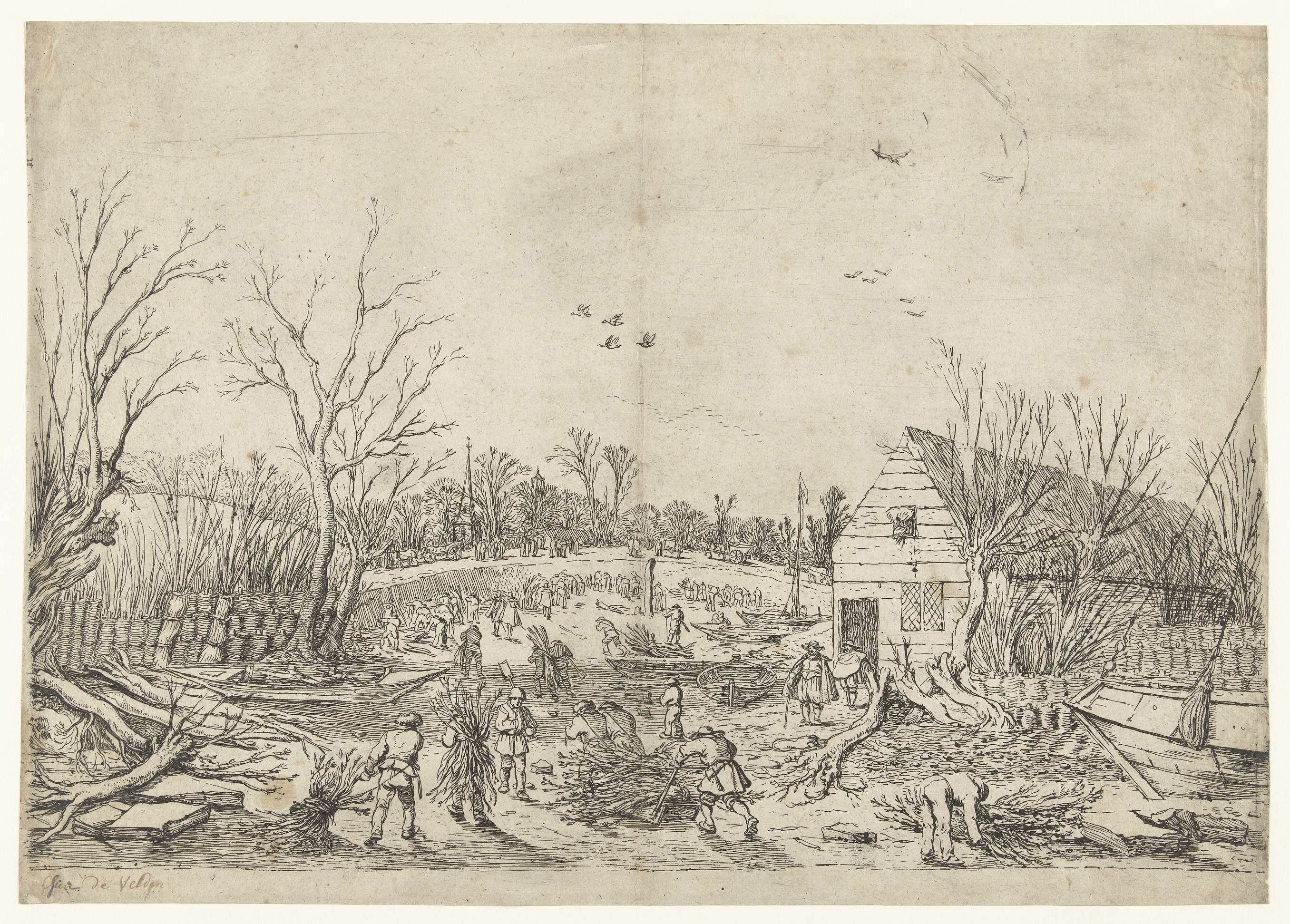
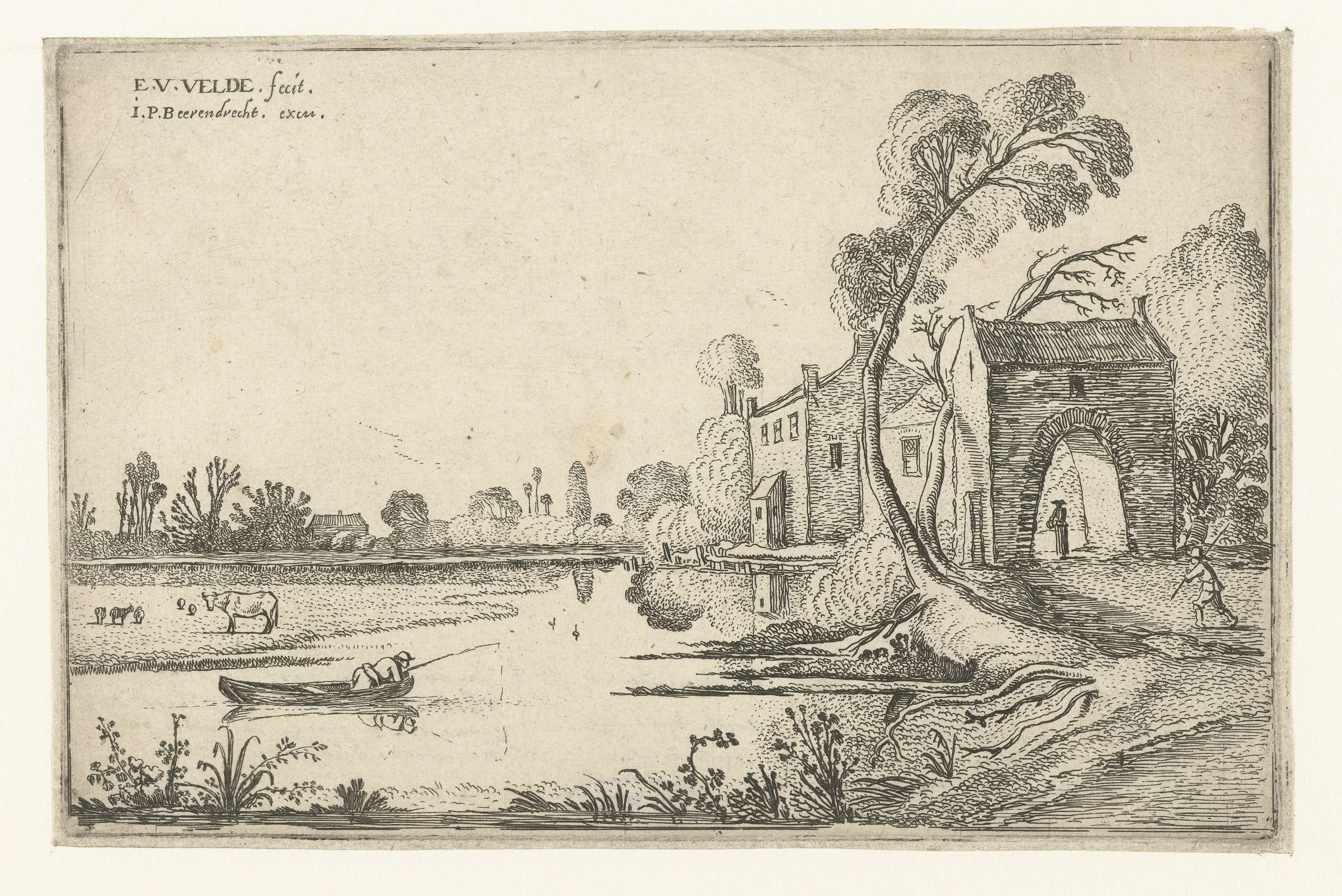
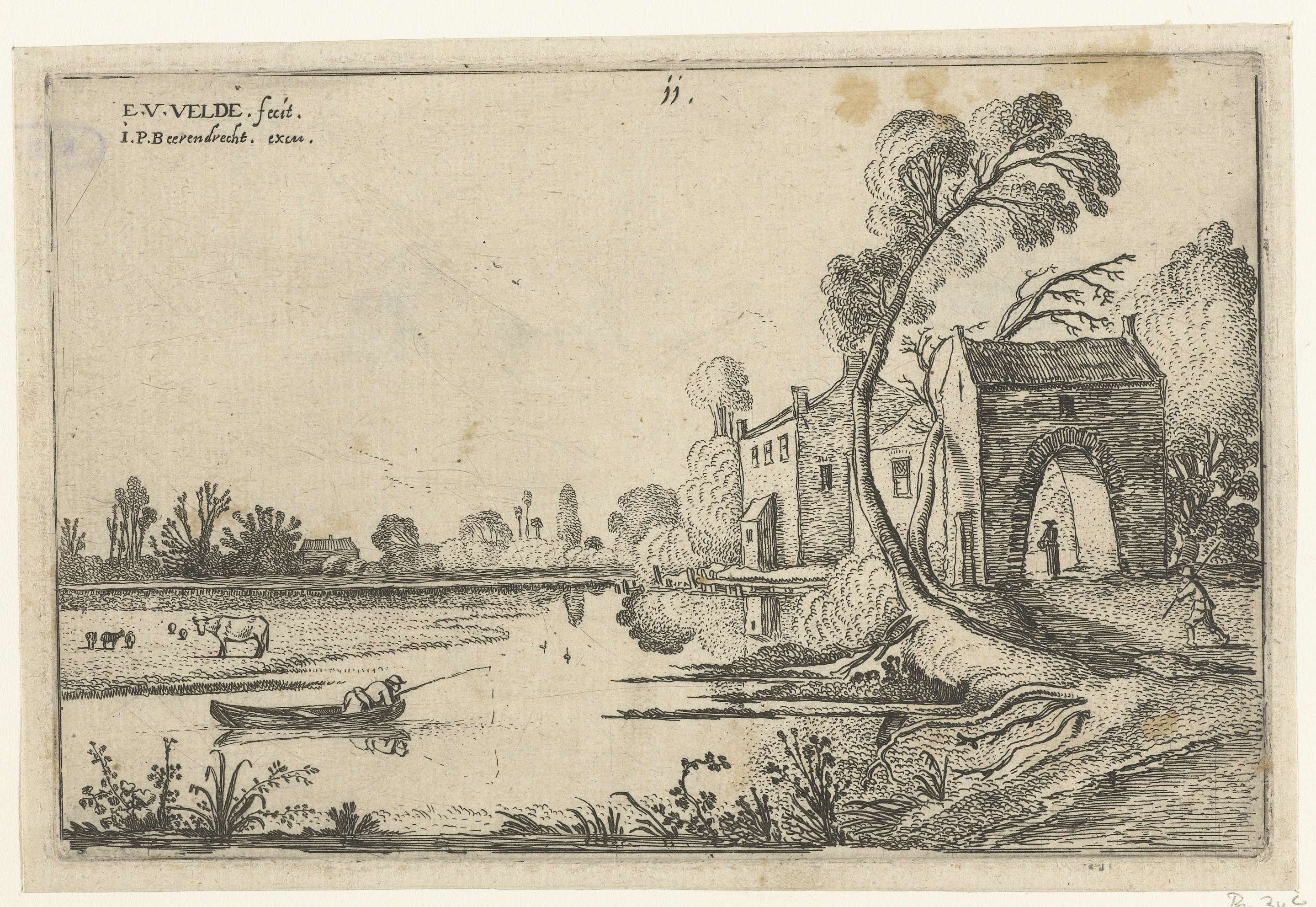
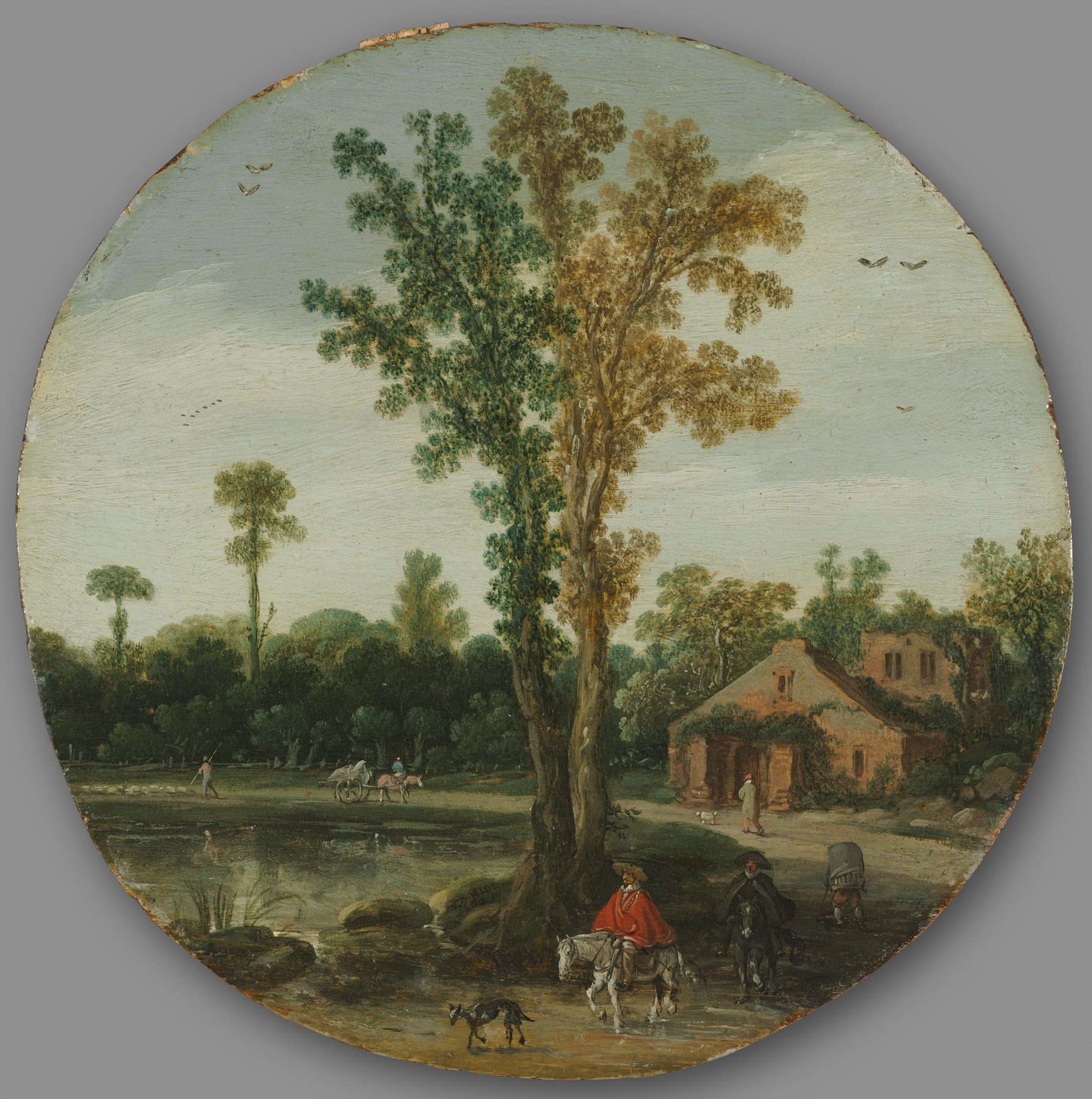
When did color learn to lie? In this evocative landscape, hues mask decay and whisper of the past, inviting us to confront the fragility of time and existence. Look to the center, where the crumbling Roman temple stands resolute amidst nature’s reclaiming embrace. Notice how the muted greens and soft browns depict the earth's slow march over stone, each brushstroke a testament to the passage of years. The sky, painted in ominous grays, casts a spectral light that dances gently on the ruins, blending nostalgia with an undercurrent of melancholy.
Striking contrasts emerge: the man-made structure, once proud, now succumbing to the lush wilderness that envelops it. Delve deeper into the artwork, and the tension between civilization and nature becomes starkly evident. The temple’s remnants symbolize humanity's fleeting ambitions, while the encroaching foliage suggests nature's indomitable strength. Look closely at the shadows that seem to creep along the ground, hinting at the inevitability of mortality that looms over all creations.
Each element harmonizes, urging contemplation of what endures and what ultimately fades away. Esaias van de Velde created this piece in 1645, during a period marked by a growing interest in both landscape painting and the exploration of life's transience. Living in the Netherlands, he was influenced by the Baroque movement, with its emphasis on realism and emotional depth. As artists began to emphasize the relationship between humanity and the natural world, this work reflects both personal and societal introspection, capturing a moment that speaks profoundly to our impermanence.