Landstrasse — History & Analysis
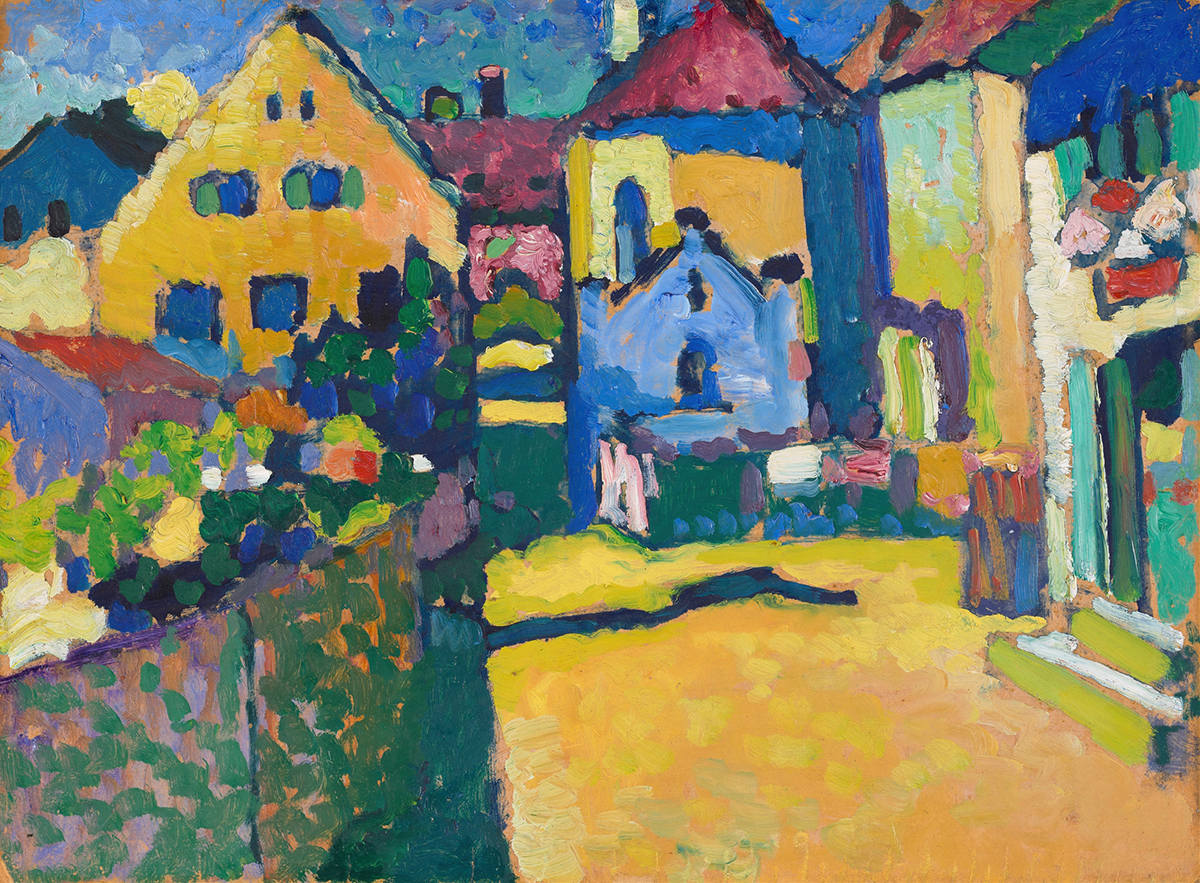
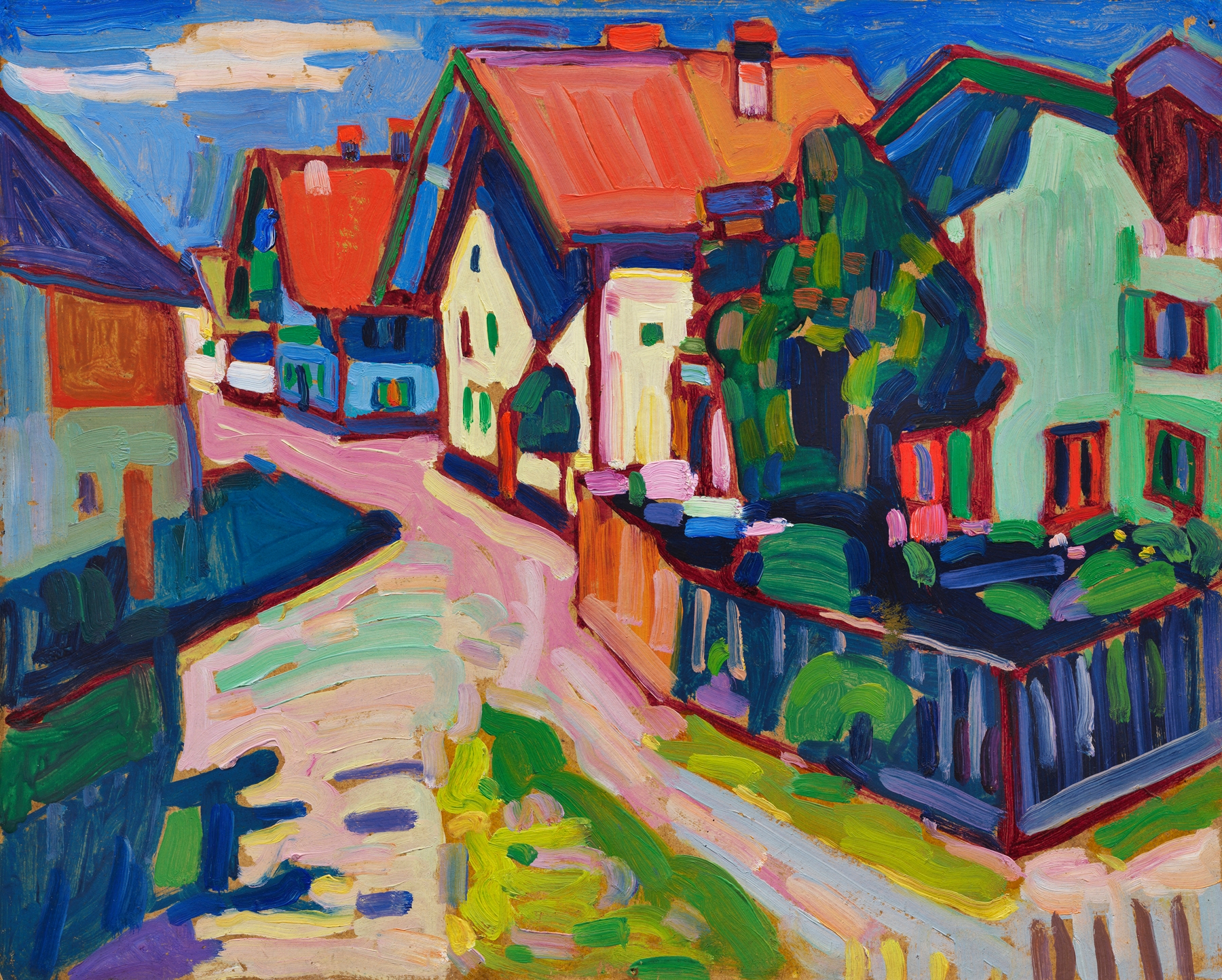
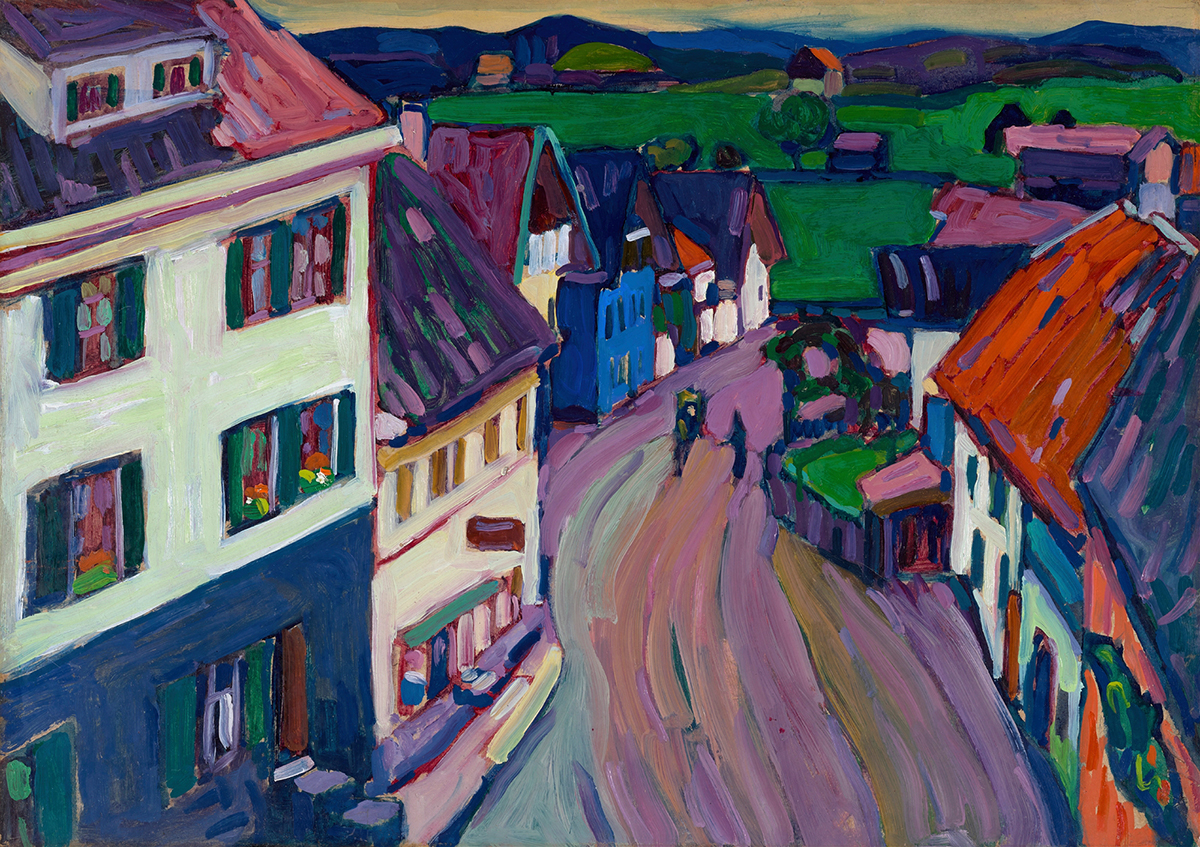
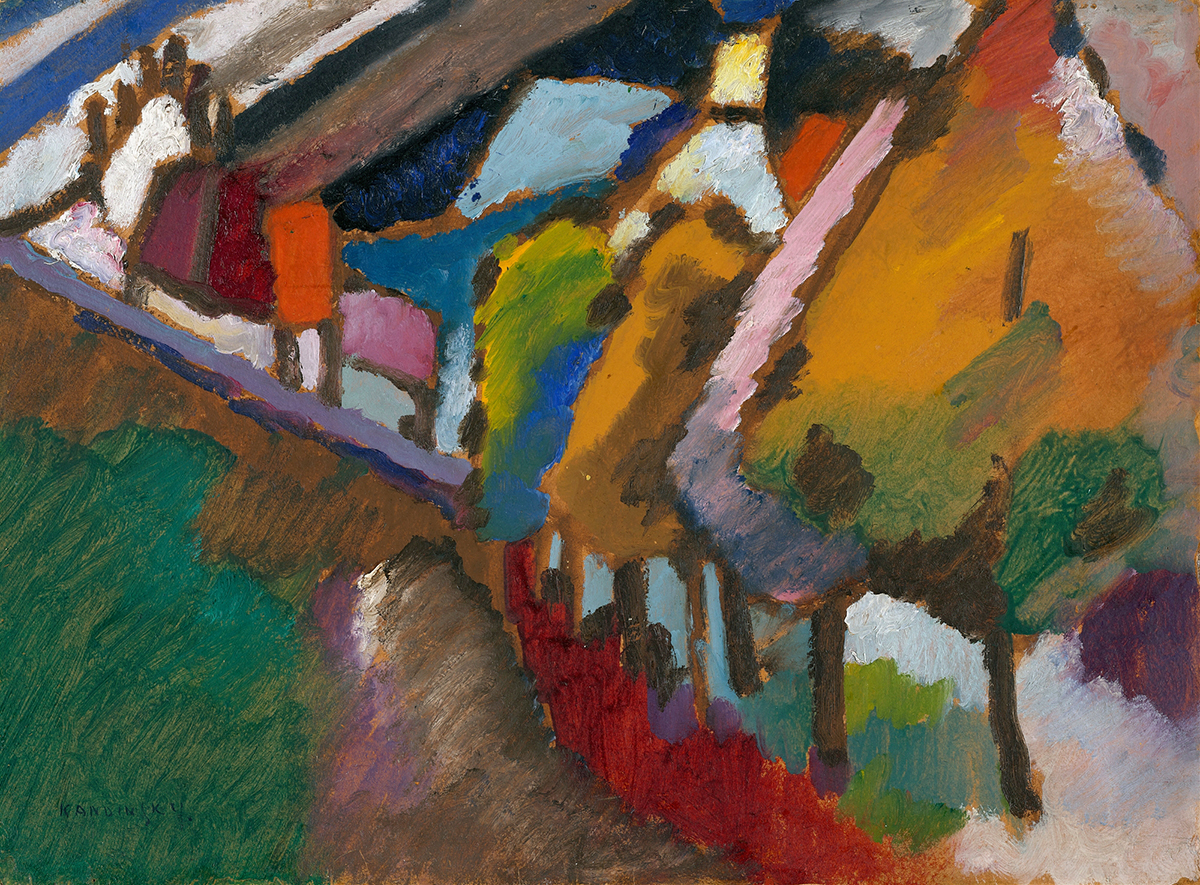
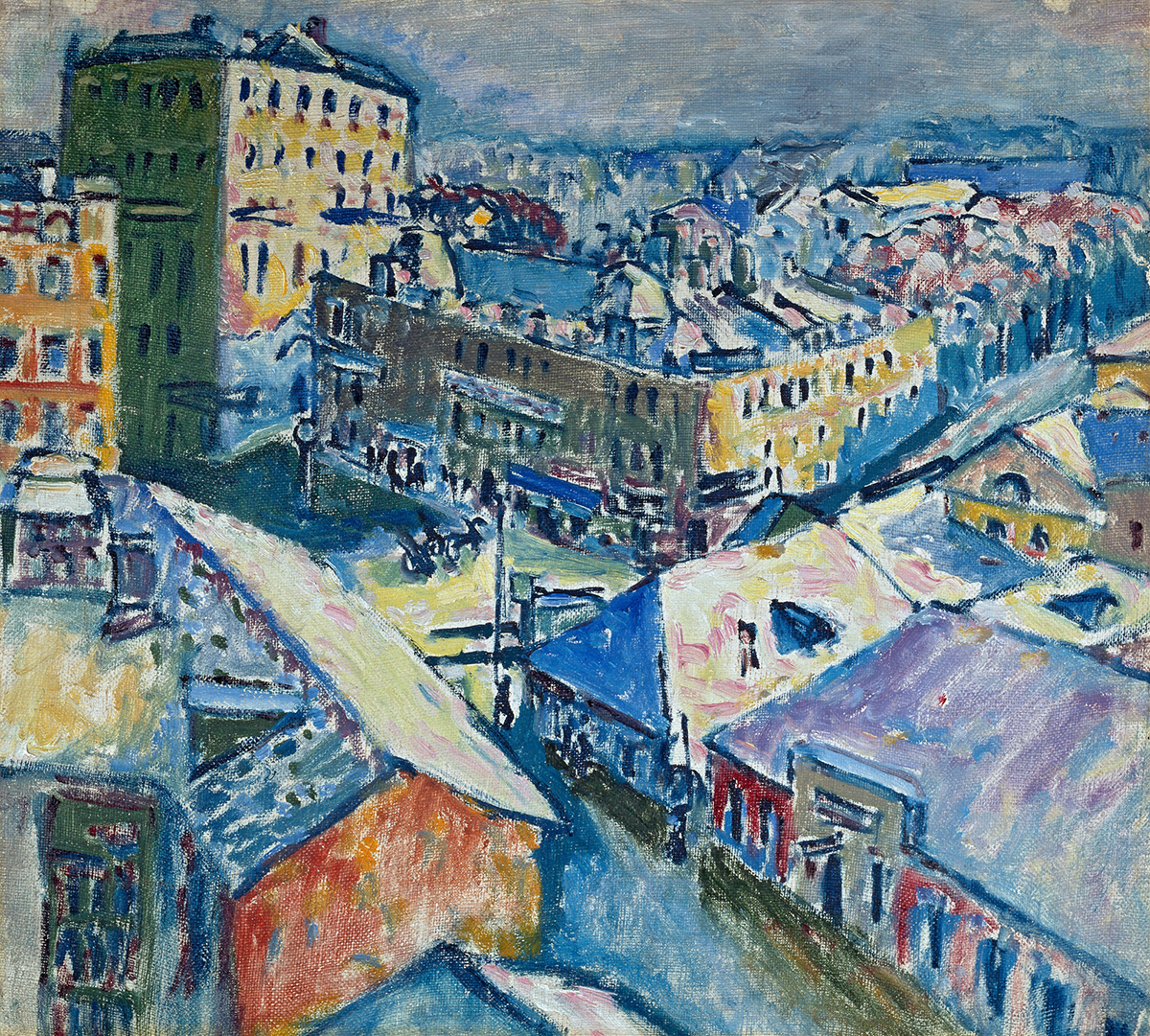
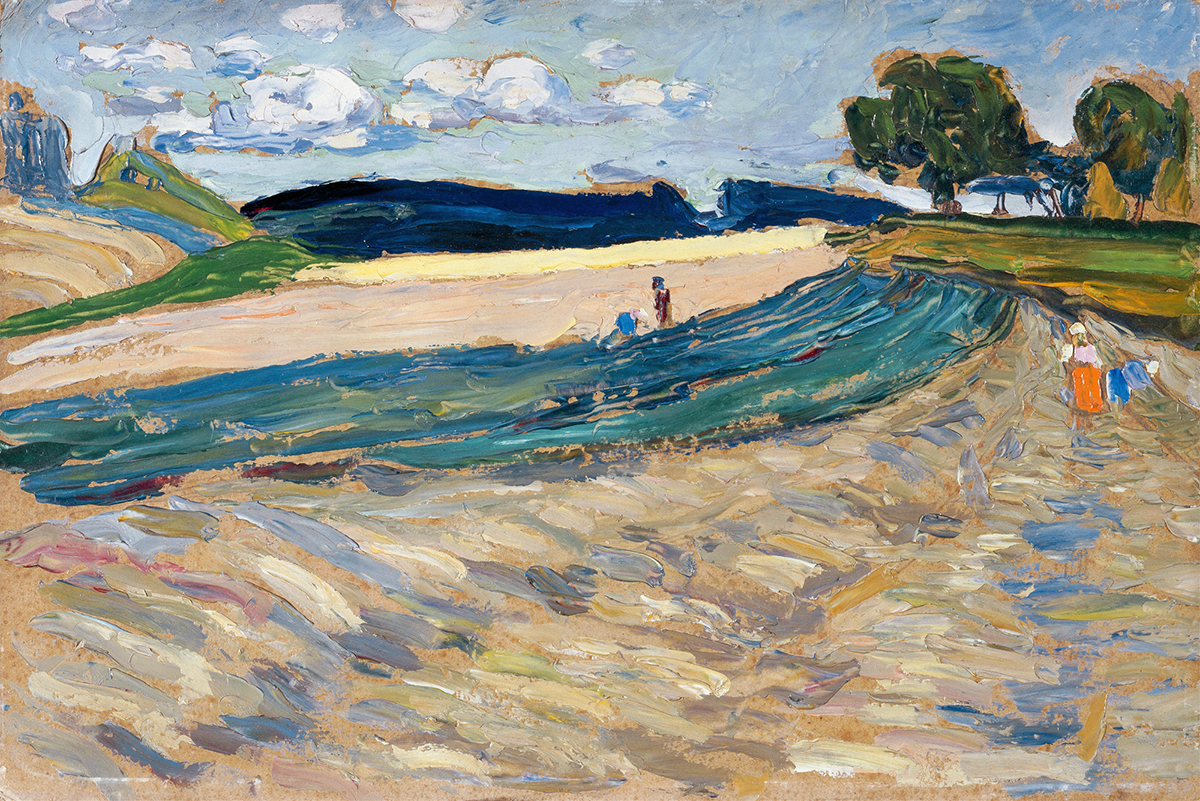
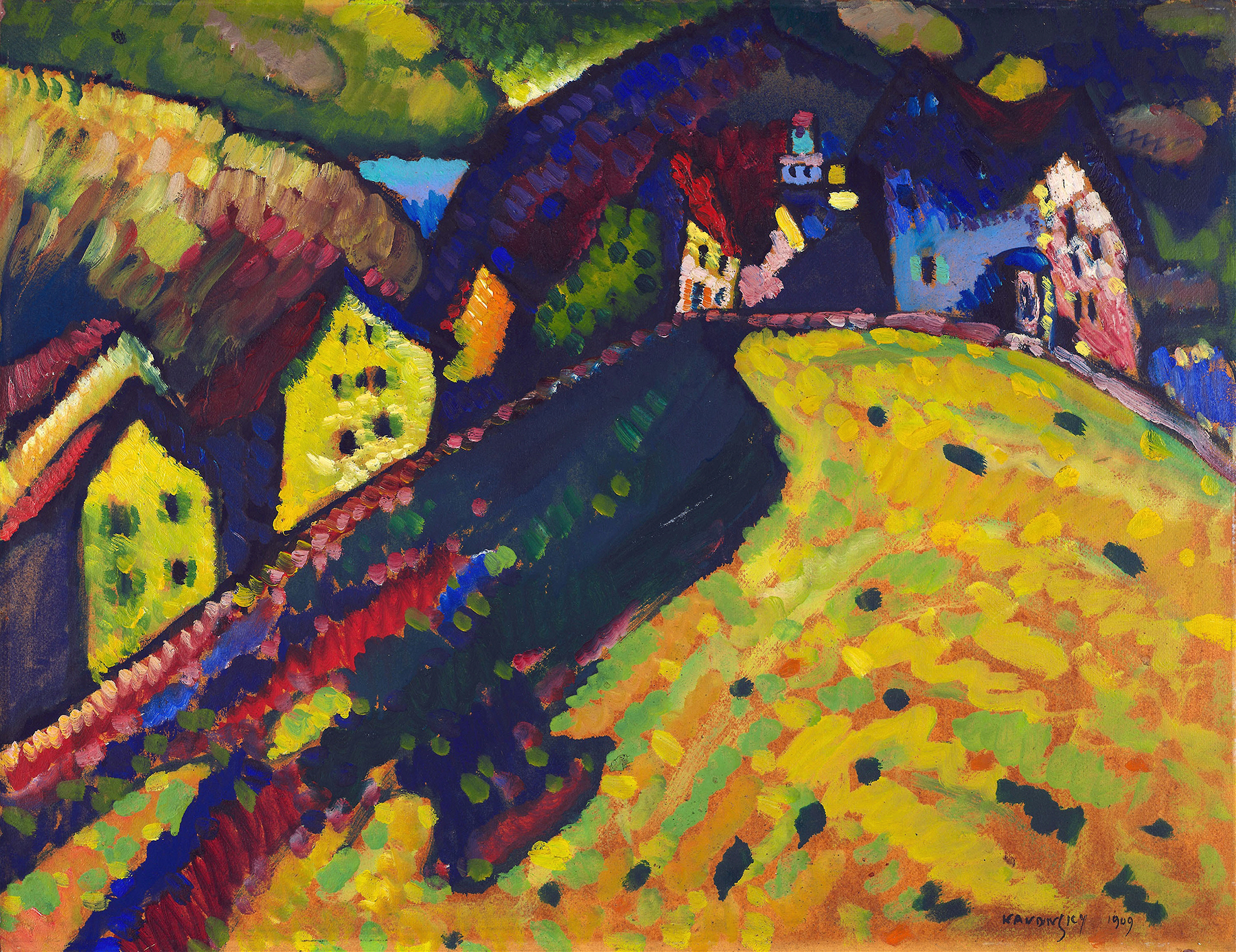
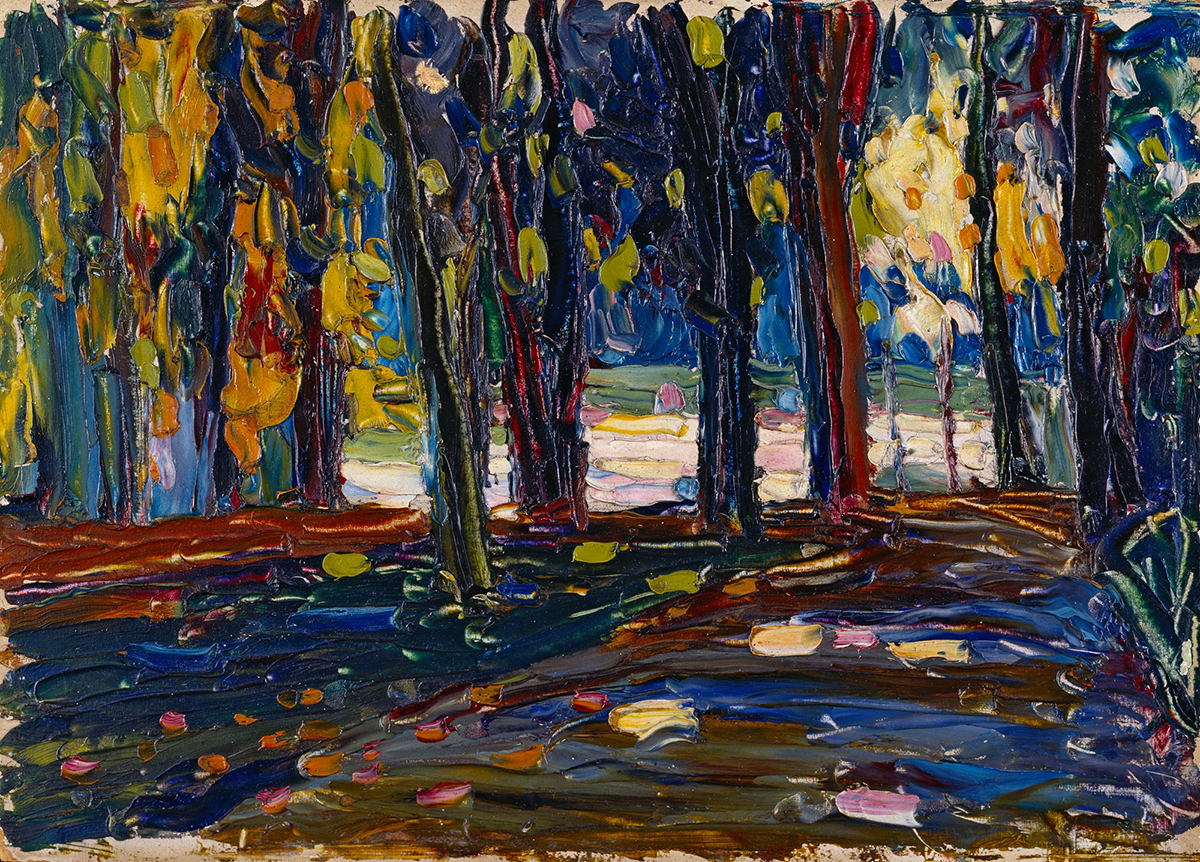
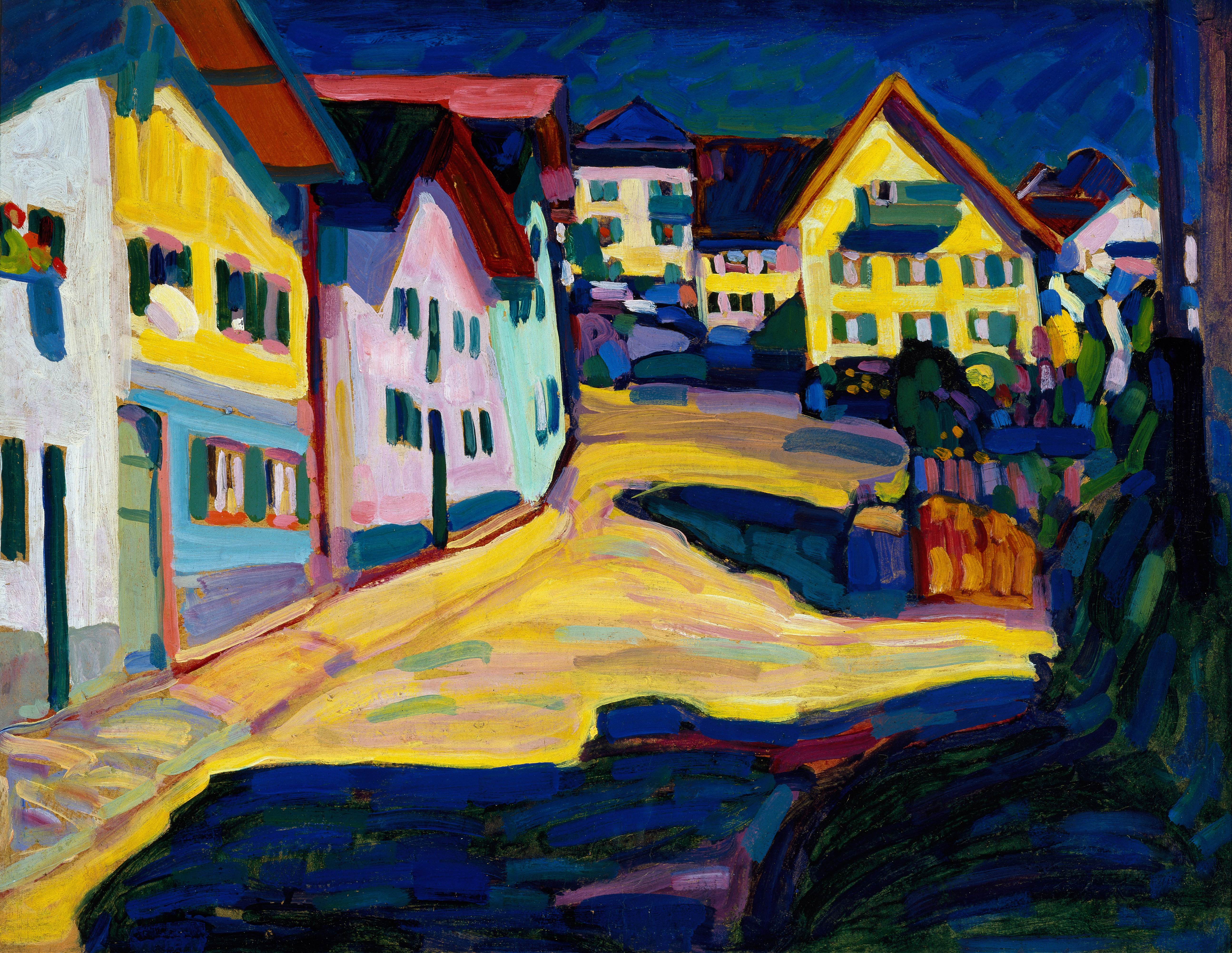
Could a single brushstroke hold eternity? In Landstrasse, the very essence of divinity is captured within the confluence of color and form, inviting us to ponder the infinite possibilities of expression. To begin your journey through this work, focus on the central swirl of vibrant hues that pulls you in. Notice how the warm reds and yellows intertwine with cooler blues, creating a tension that vibrates throughout the canvas.
The fluid lines, almost melodic, guide your gaze across the landscape, while the stark contrasts serve to punctuate the emotional depth of the scene, evoking both tranquility and unease at once. Delving deeper, we find an intricate play of opposites—a fusion of chaos and harmony. The juxtaposition of the organic, flowing shapes against the more angular lines invites contemplation of the balance between nature and the human experience. Each brushstroke appears deliberate yet spontaneous, as if the artist speaks of life’s unpredictability and the divine hand that guides it.
Here, the landscape becomes a reflection of the soul, a canvas of human feeling entwined with the cosmos. Created during a transformative period in 1905, the artist embraced abstraction to express complex emotions and spiritual truths. Living in Munich at the time, Kandinsky was immersed in the burgeoning avant-garde movement, which sought to transcend traditional art forms. As he explored color theory and the psychological impact of shapes, this painting emerged as a testament to his belief in art’s power to convey the spiritual, connecting the viewer to a higher realm of existence.