Le Casino de Nice aux chaises — History & Analysis
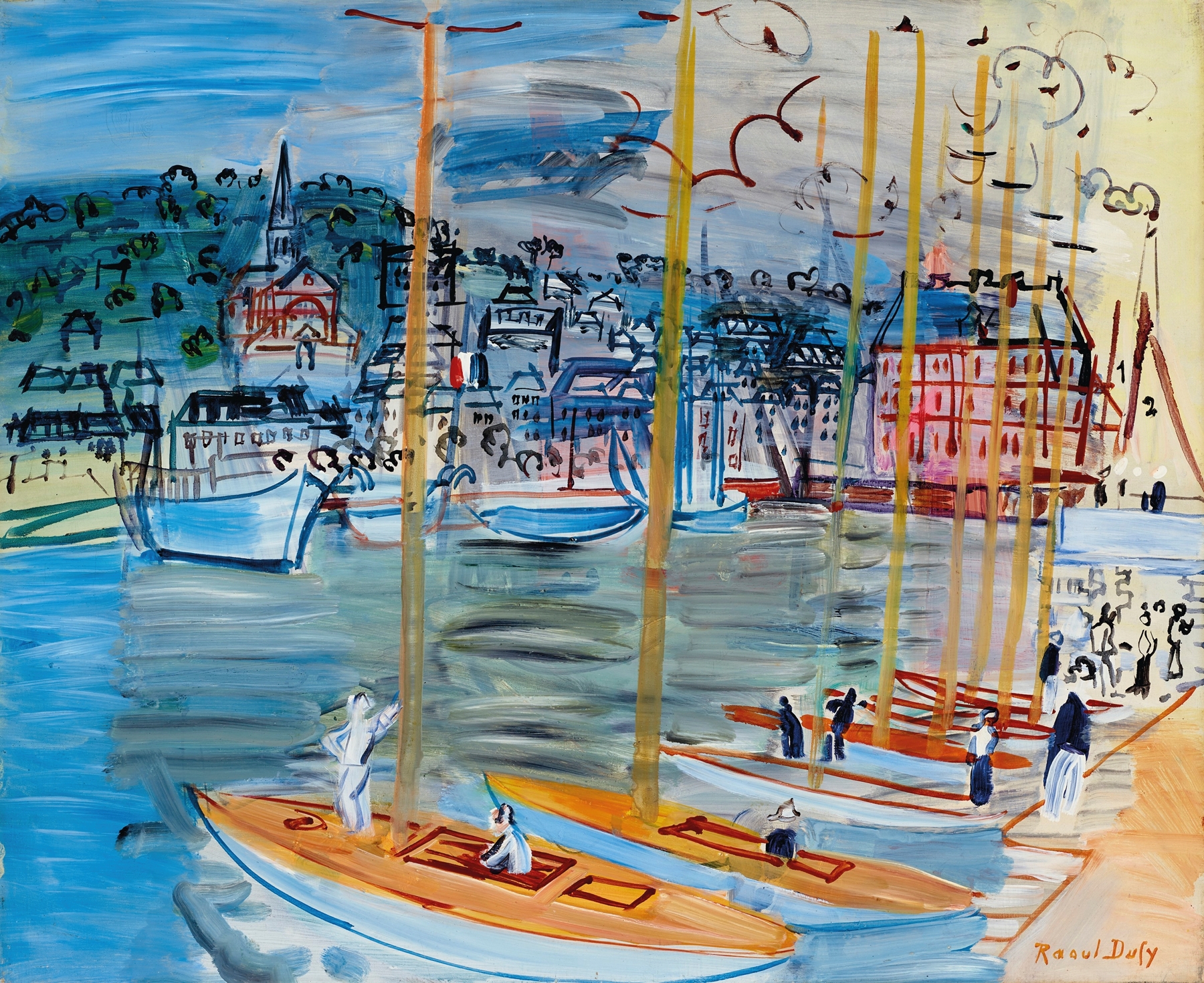
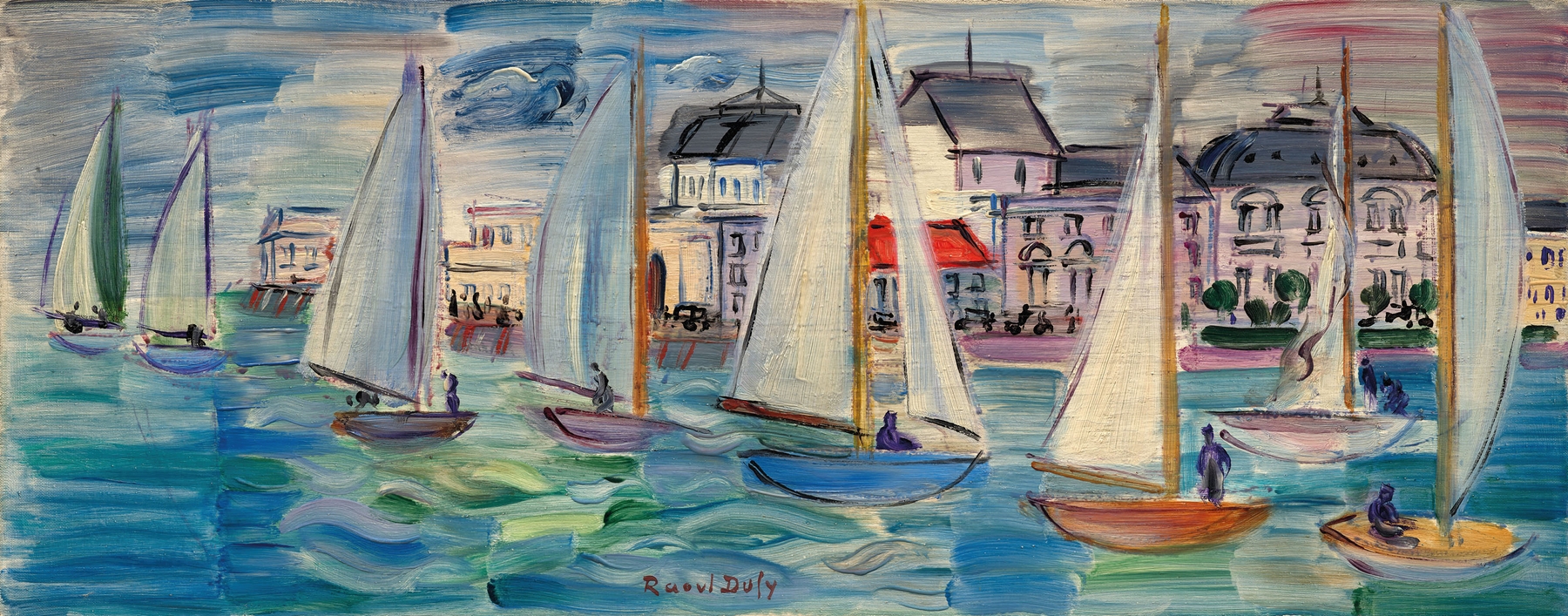
What if beauty was never meant to be finished? In the vibrant strokes of color and form, fear intertwines with joy, whispering the fragility of fleeting moments in life. Look to the top left, where the sun-drenched terrace beckons viewers to join the revelry. The azure sky dances with soft clouds, while the vivid reds and yellows of the chairs create a festive mosaic against the backdrop of the Casino. Dufy’s use of broad, sweeping brushstrokes brings a sense of liveliness, almost as if the scene is caught in the thrumming pulse of laughter and conversation.
The composition teems with energy, inviting us to experience the carefree essence of the Côte d'Azur. Yet beneath the surface lies an emotional tension. The arrangement of the chairs may evoke a sense of anticipation, suggesting that joy is often tinged with the fear of its impermanence. Notice how the empty seats hint at the absence of those who once filled them, illustrating the transience of happiness.
In this vibrant celebration, the artist encapsulates that bittersweet edge—the anxiety of moments slipping away even as we revel in their beauty. Raoul Dufy painted this work between 1948 and 1949 during a time when post-war Europe was awakening to a new era of expression. Living in Paris, he embraced the lively spirit of the Riviera, capturing the essence of leisure and joy amidst the scars of conflict. This period marked a shift towards a more color-driven and emotive style, as artists sought to convey not just scenes, but the richness of human experience.