Départ des régates — History & Analysis
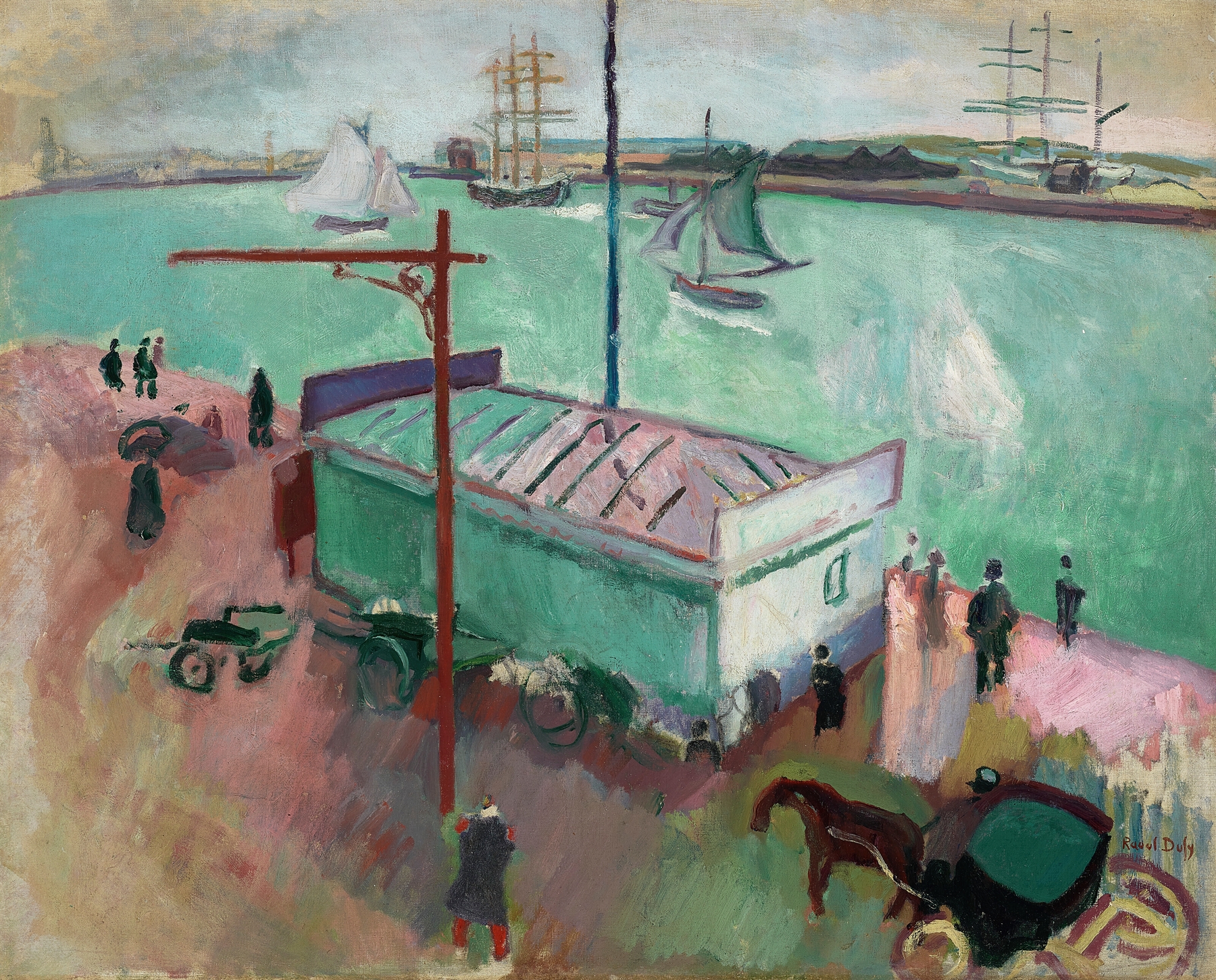
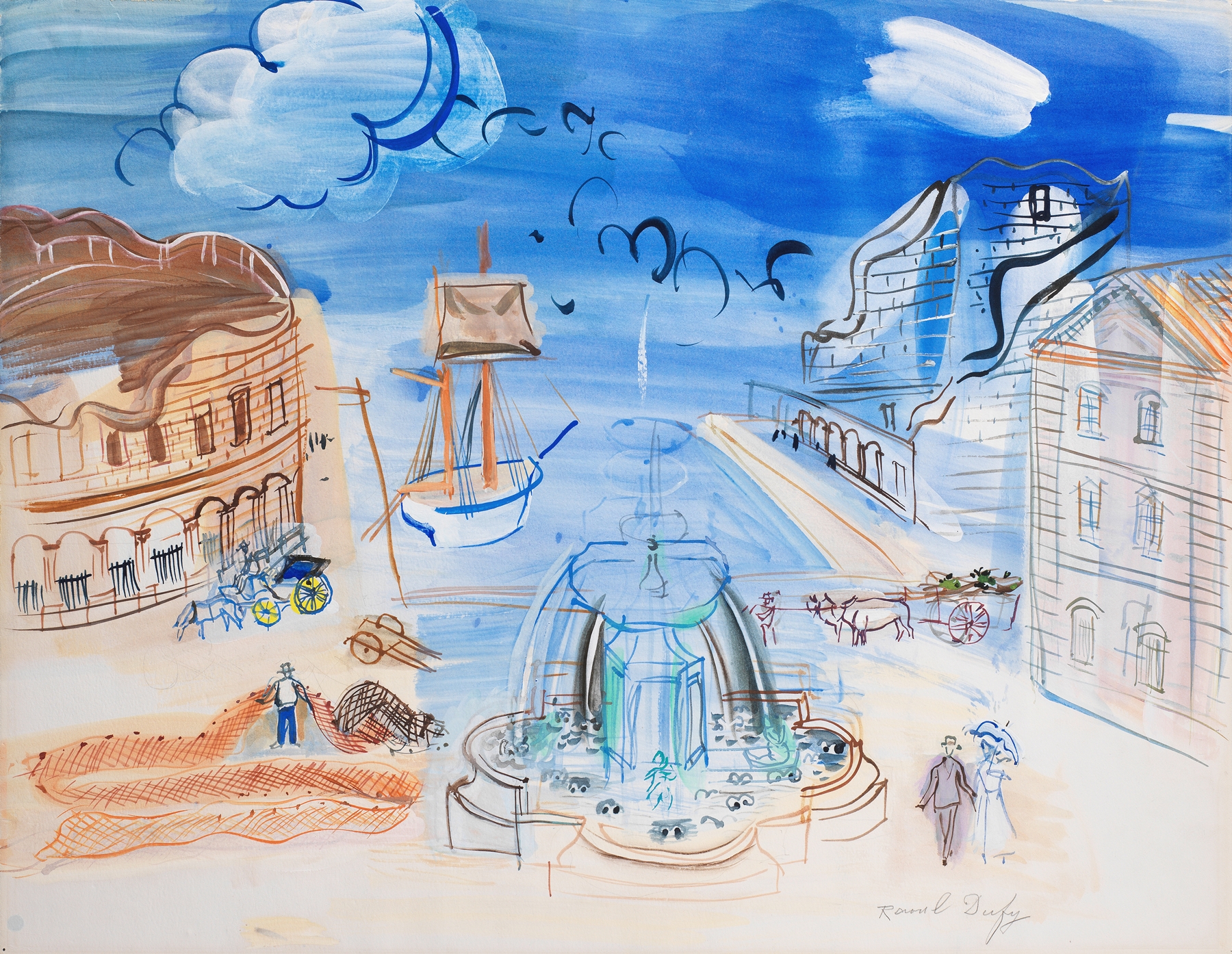
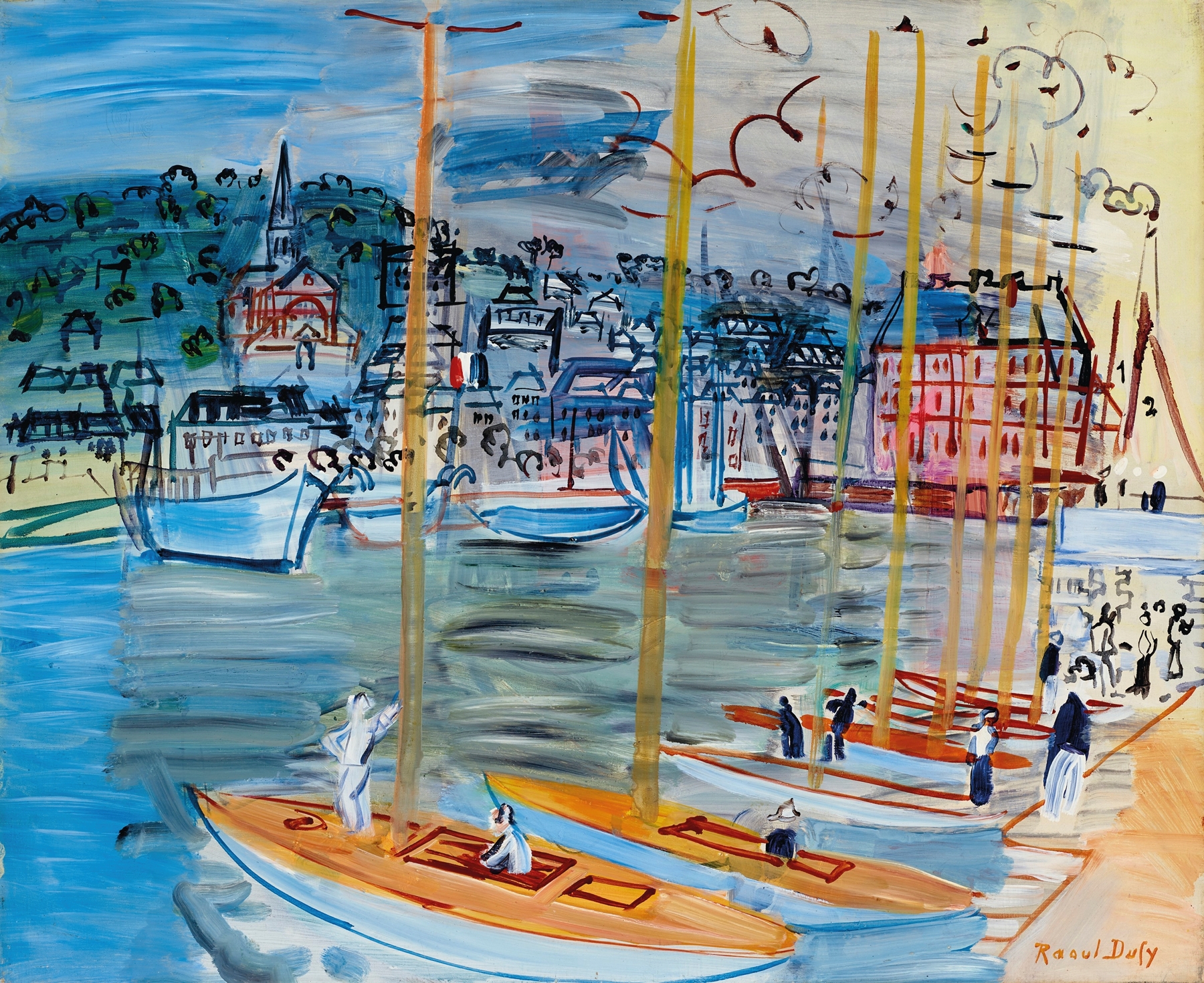
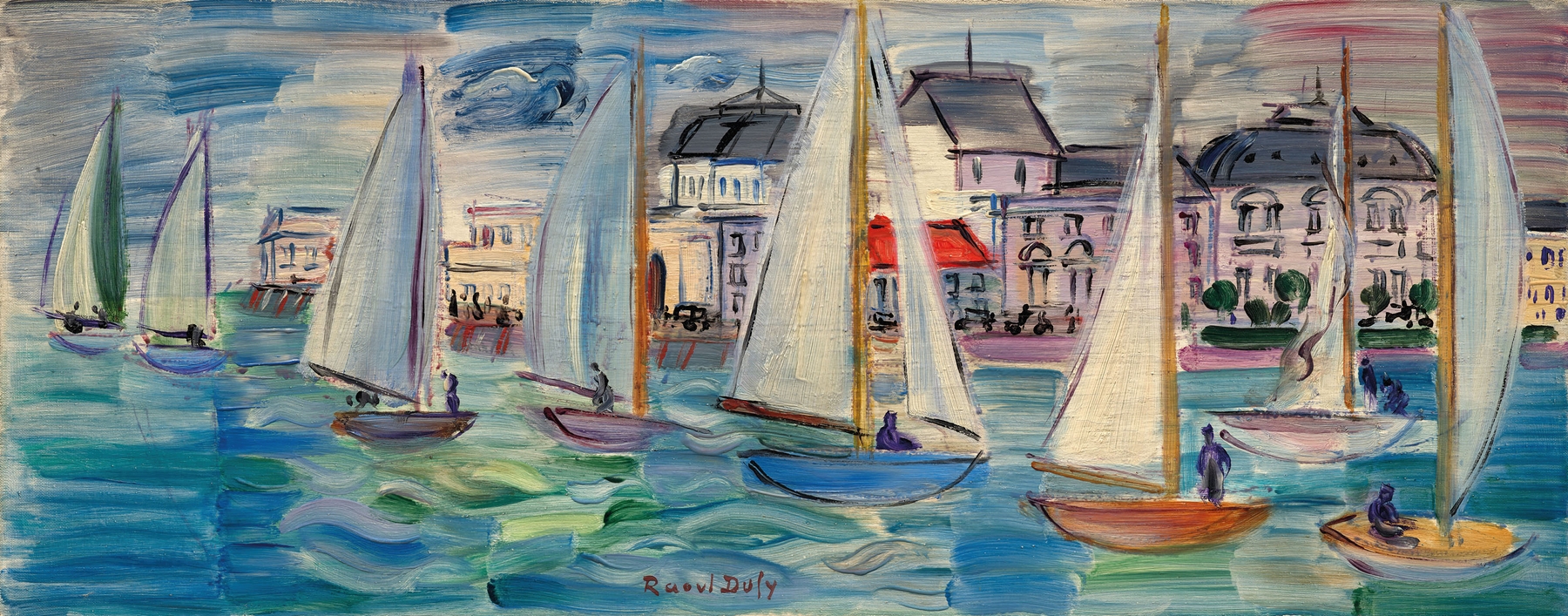
“Every brushstroke is a heartbeat remembered.” In the vibrant chaos of life, hope often unfurls like sails catching the wind. Look to the center of the canvas, where a flurry of colorful boats dances upon the blue expanse of water. Notice how the strokes pulse with energy, creating waves that shimmer under the sun’s embrace. The technique is spirited and loose, each brushstroke seemingly spontaneous yet carefully orchestrated, drawing your gaze into a world where movement and emotion collide.
The palette bursts with bright yellows, deep blues, and splashes of red, evoking a sense of joy and anticipation. Delve deeper into the lively composition, where figures blur into joyous forms, echoing the fervor of the regatta. The juxtaposition of the dynamic sails against the serene backdrop of the sea encapsulates a tension between the calm of existence and the excitement of possibilities. Small, intimate details—like the tiny flags fluttering in the breeze—whisper of celebration and unity.
Here, hope is not a mere sentiment; it becomes a lived experience, charged with the potential of new beginnings. Raoul Dufy painted Départ des régates in 1950, during a time when he had already established himself as a significant figure in modernism. Living in France, he engaged with the post-World War II atmosphere, where the art world was embracing abstraction while still remaining rooted in the joys of everyday life. This work reflects not only his personal optimism but also the collective yearning for renewal that characterized the era.