Le Châlet De Blanche Pierson À Pourville — History & Analysis
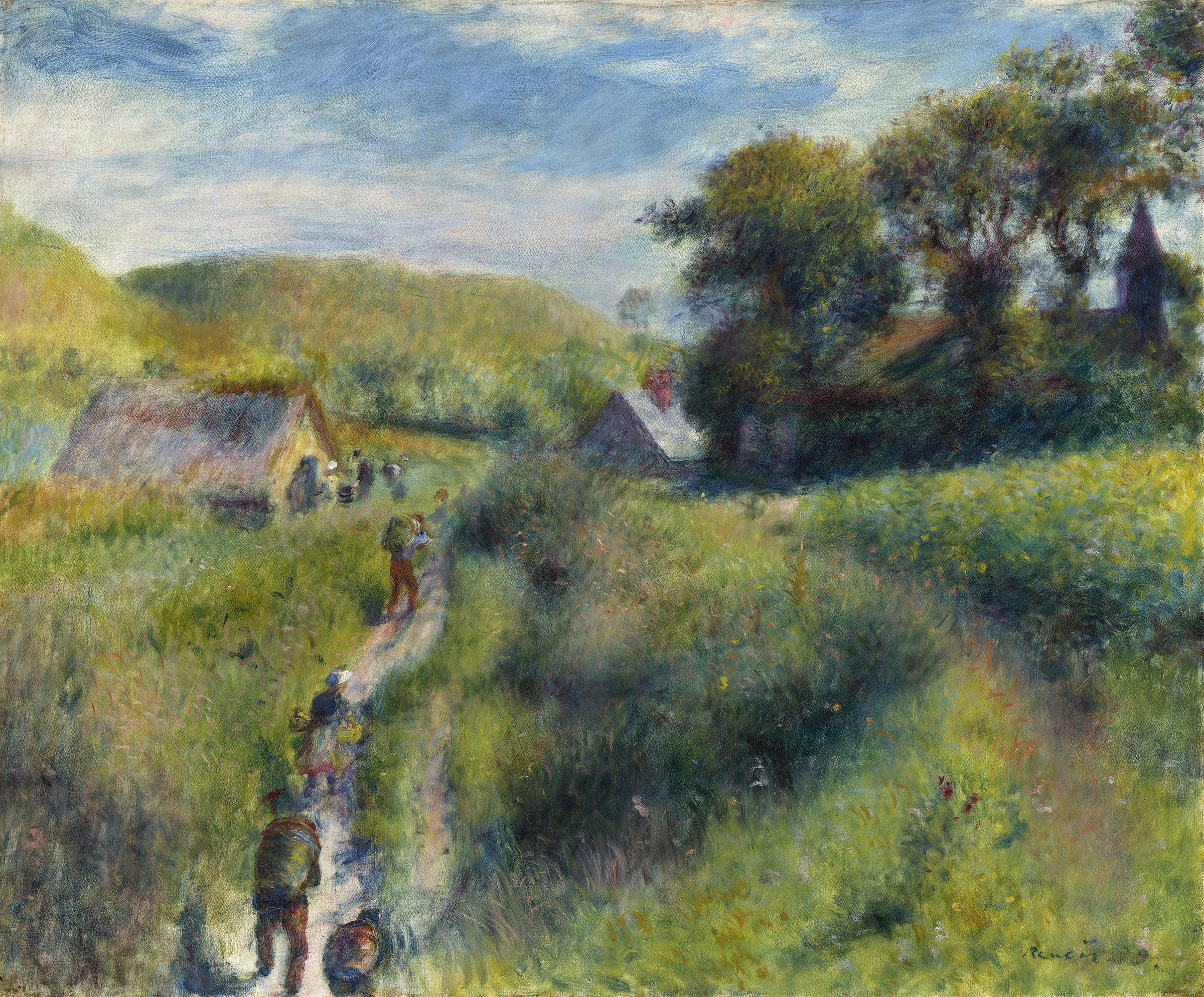
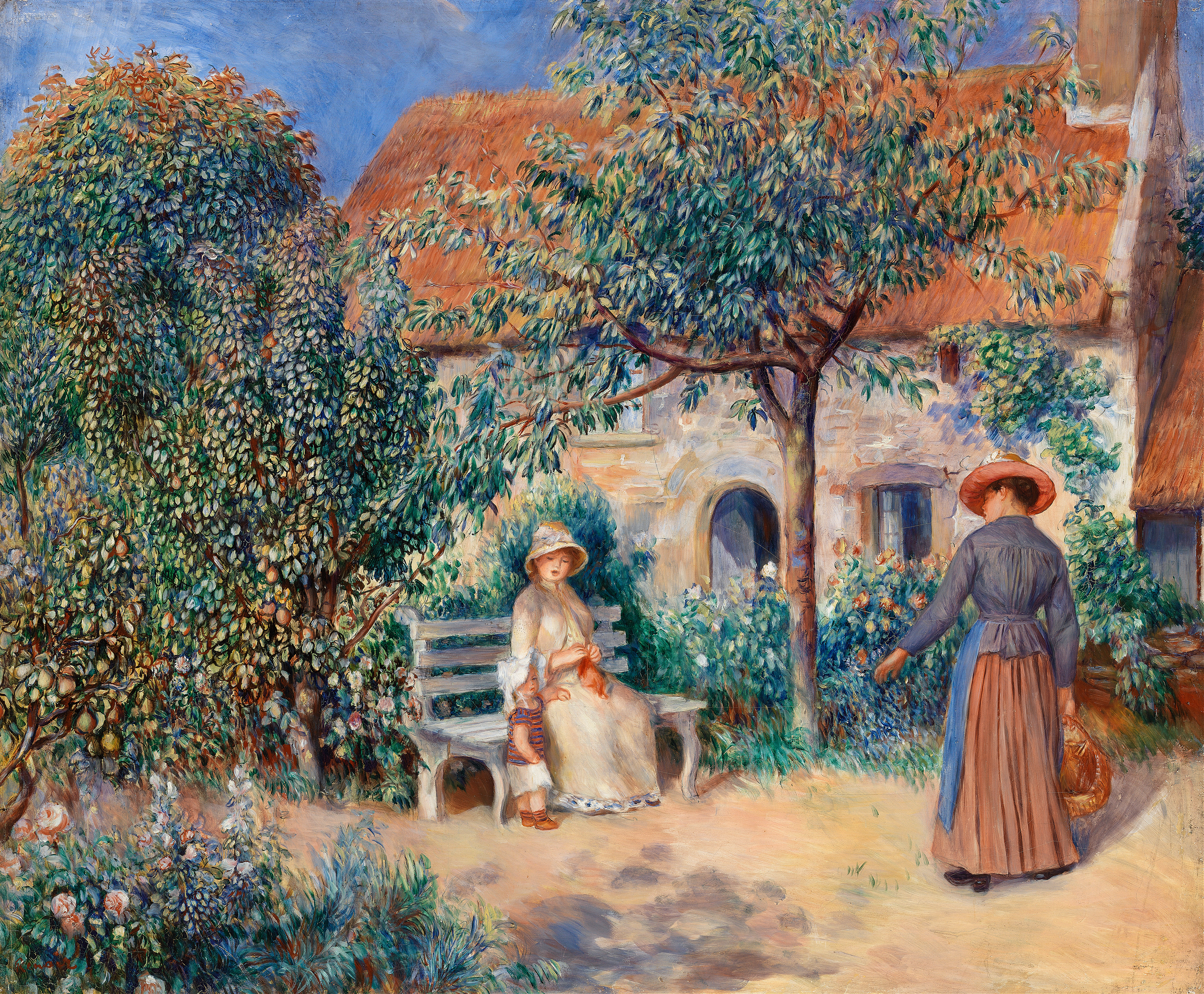
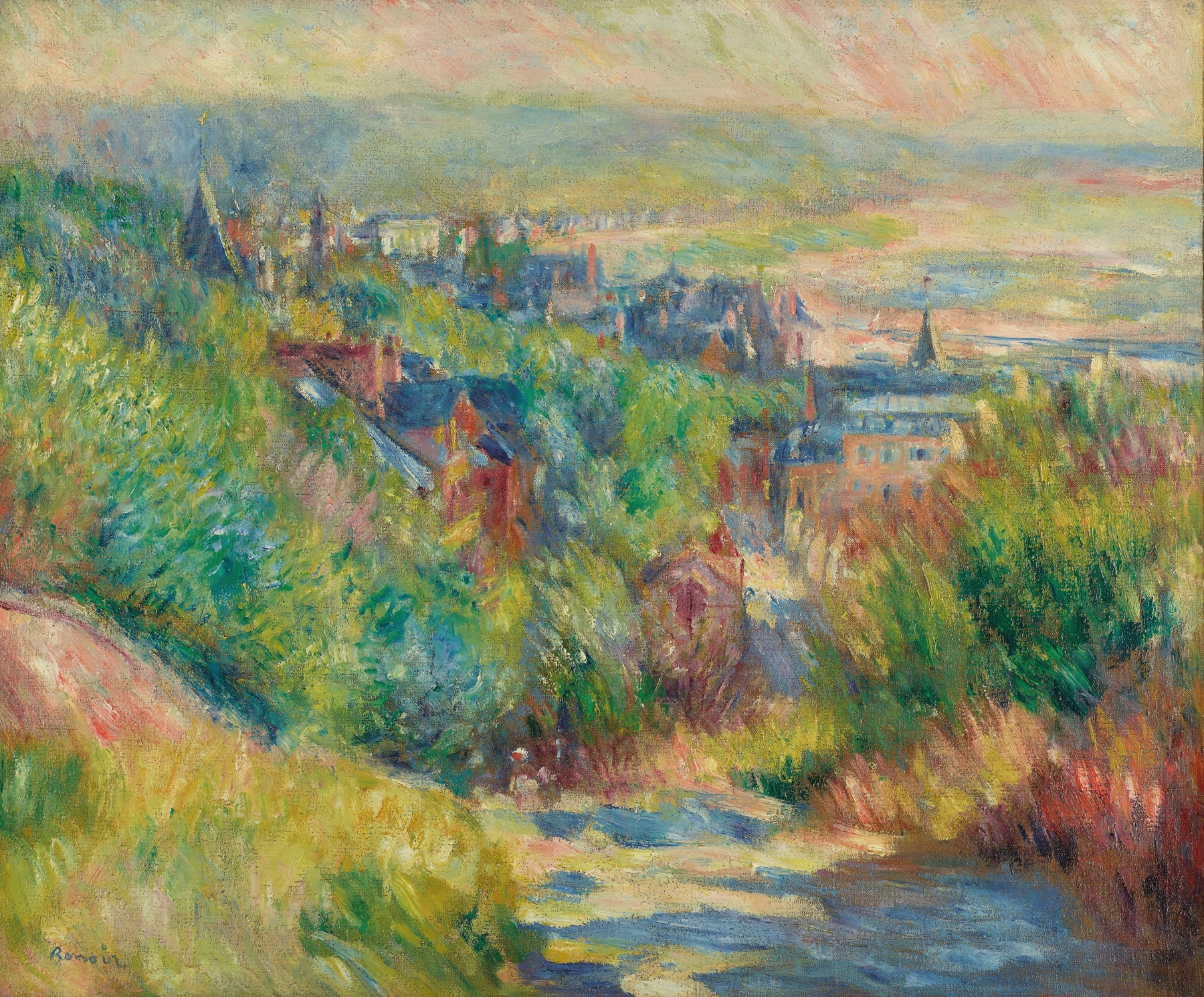
Who listens when art speaks of silence? In Le Châlet De Blanche Pierson À Pourville, desire lingers in the air like the gentle breeze that dances across the canvas, drawing viewers into its tranquil embrace. Look to the center at the charming châlet, framed by vibrant foliage that bursts forth in lush greens. Notice how the dappled sunlight filters through the trees, casting playful shadows that flicker across the building's weathered facade.
The delicate brushstrokes create a softness that invites contemplation, while the palette of warm earth tones evokes a sense of harmony and nostalgia. Yet, beneath the surface of this idyllic scene lies a complex interplay of longing and stillness. The solitary structure, surrounded by nature, hints at isolation, evoking the subtle ache of yearning for connection in solitude. The stillness of the landscape contrasts sharply with the vibrancy of the greenery, suggesting a tension between inner desires and external serenity.
Each stroke captures the fleeting moment where nature and human existence converge, igniting a quiet yearning in every viewer. In 1882, this work emerged from Renoir’s time spent in Pourville, a picturesque coastal village in France. At that period, he was navigating the burgeoning Impressionist movement, seeking to capture the essence of light and atmosphere. The artist’s personal life was marked by both challenges and triumphs, as he endeavored to solidify his place in a rapidly evolving art world, reflecting a deep desire to connect the emotional landscape of human experience with the beauty of the natural world.