Les hauteurs de Trouville — History & Analysis
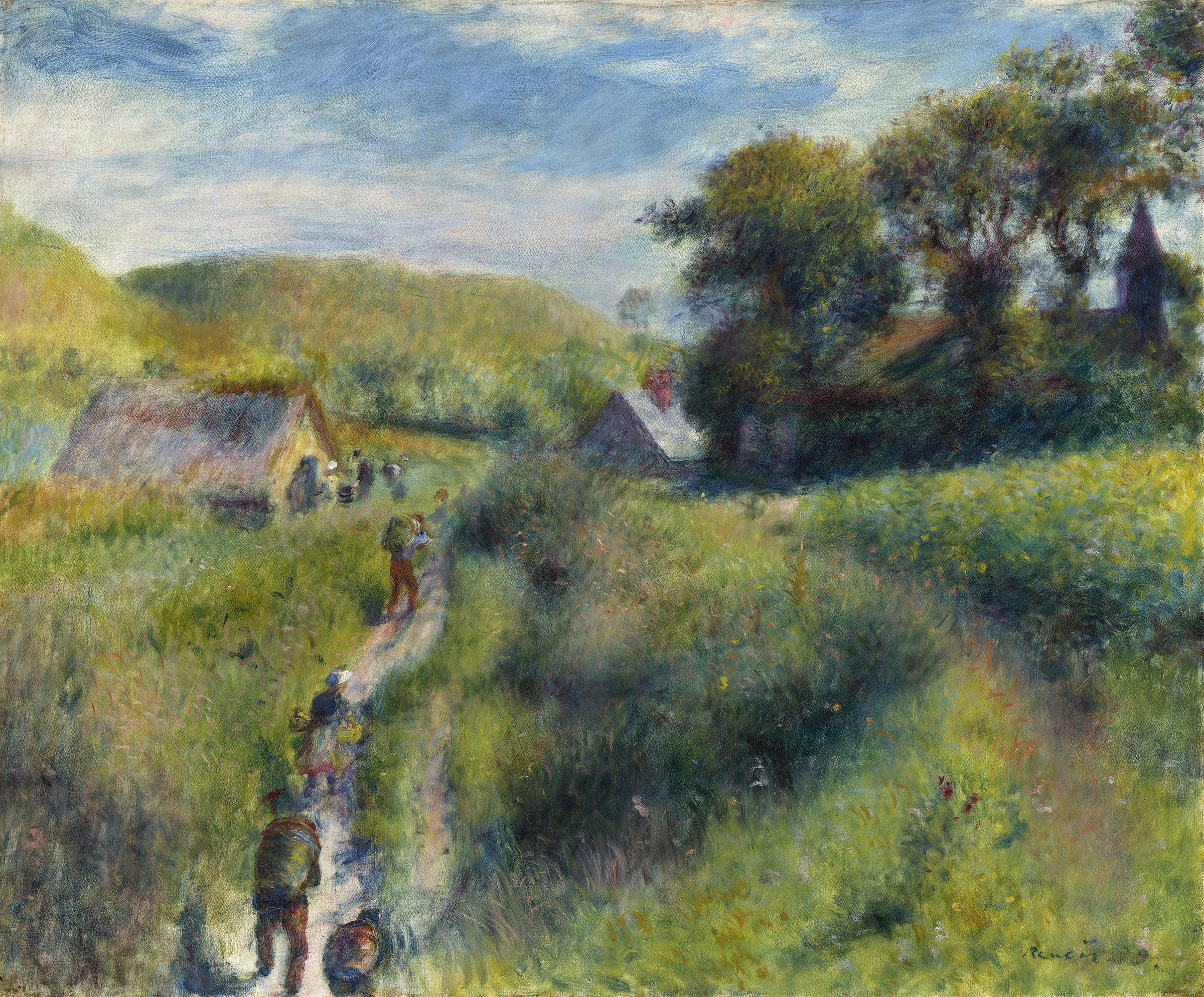
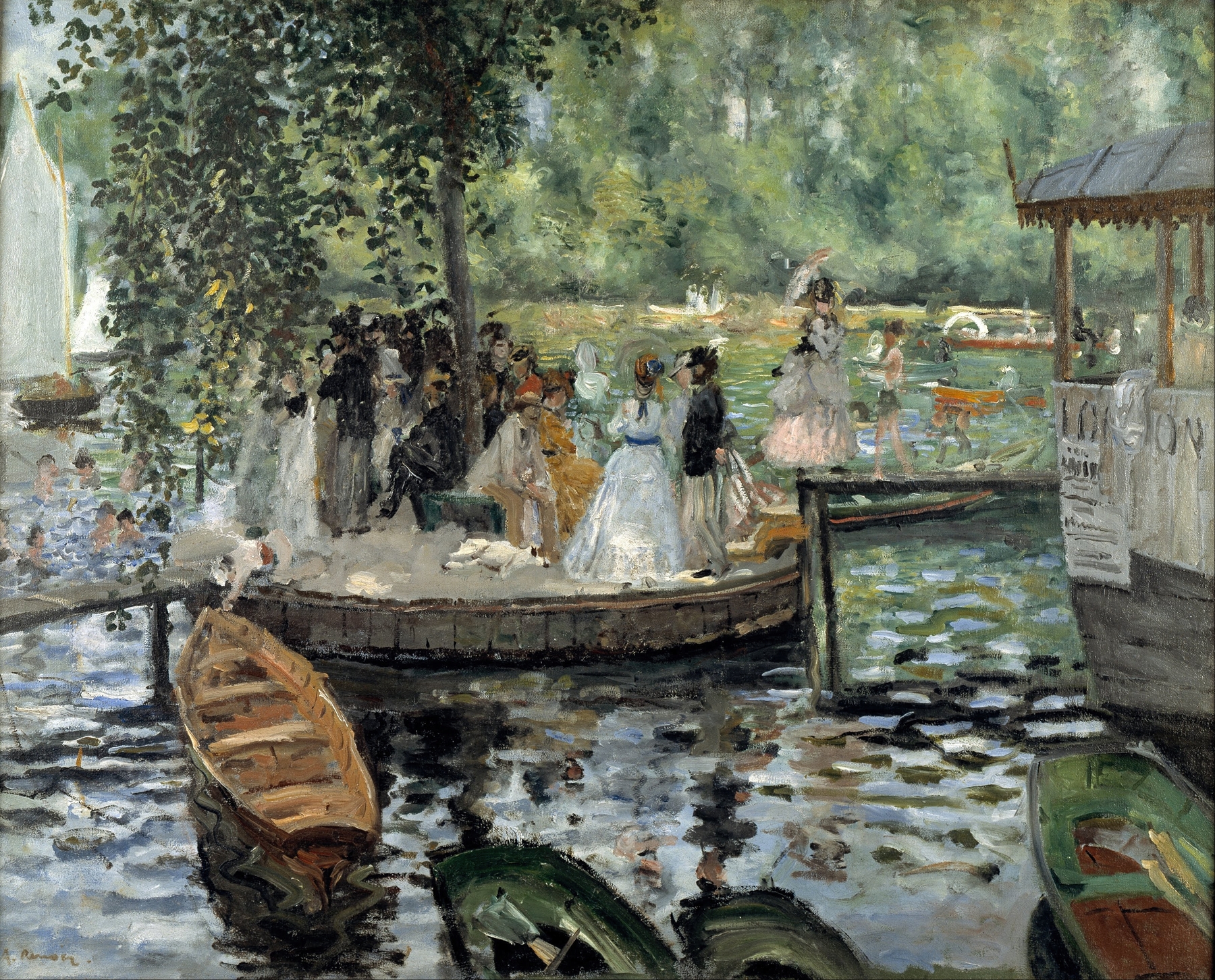
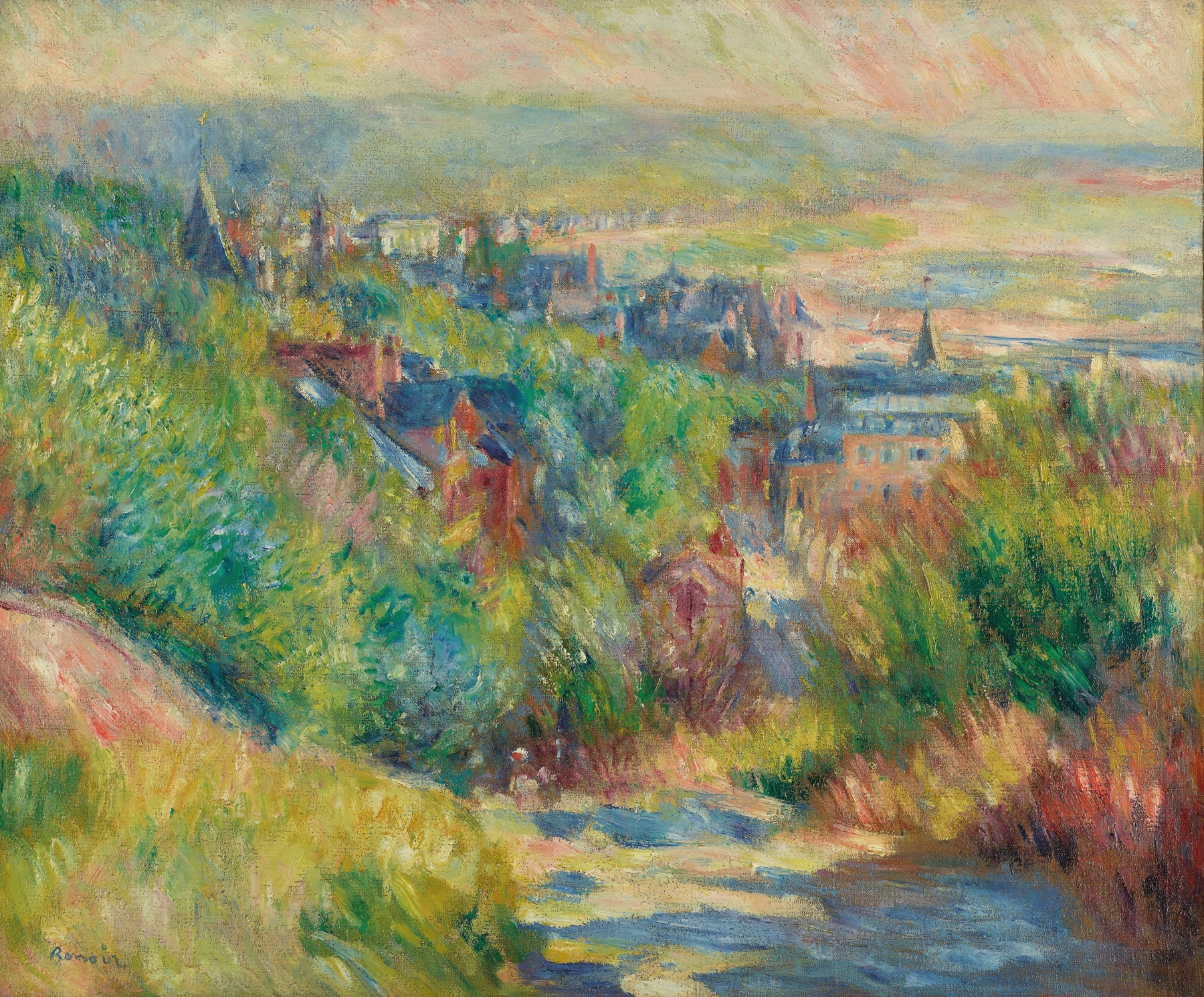
“Every brushstroke is a heartbeat remembered.” In a world where the past intertwines with the present, the essence of rebirth pulses through the canvas, inviting us to explore its vibrant depths. Look to the foreground, where figures meander in a sunlit embrace of color. The delicate interplay of light and shadow dances across the scene, illuminating the joyful expressions of the subjects as they revel in the beauty of a summer day. Notice how the soft, dappled brushstrokes create a sense of movement, drawing your attention to the lush greenery that frames the figures, providing a vibrant backdrop that enhances the scene's liveliness.
As you peer closer, consider the emotional undertones of leisure and nostalgia. The juxtaposition of the thrumming energy of the crowd against the tranquil background suggests a moment both fleeting and eternal—capturing the joy of shared existence while hinting at the inevitable passage of time. Each figure, with their distinct posture and attire, tells a story, revealing individual experiences that intertwine with collective celebration, embodying the spirit of rebirth inherent in summer.
Created in 1885, this painting emerged during a period of artistic exploration for its creator, who was solidifying his position within the Impressionist movement. Working in Trouville, a seaside town that was a popular retreat for Parisians, Renoir sought to capture the essence of modern life, reflecting both personal and societal transformations. This artwork underscores the vibrancy of a changing world, a joyful homage to the human spirit thriving amidst nature’s embrace.