Pont Neuf, Paris — History & Analysis
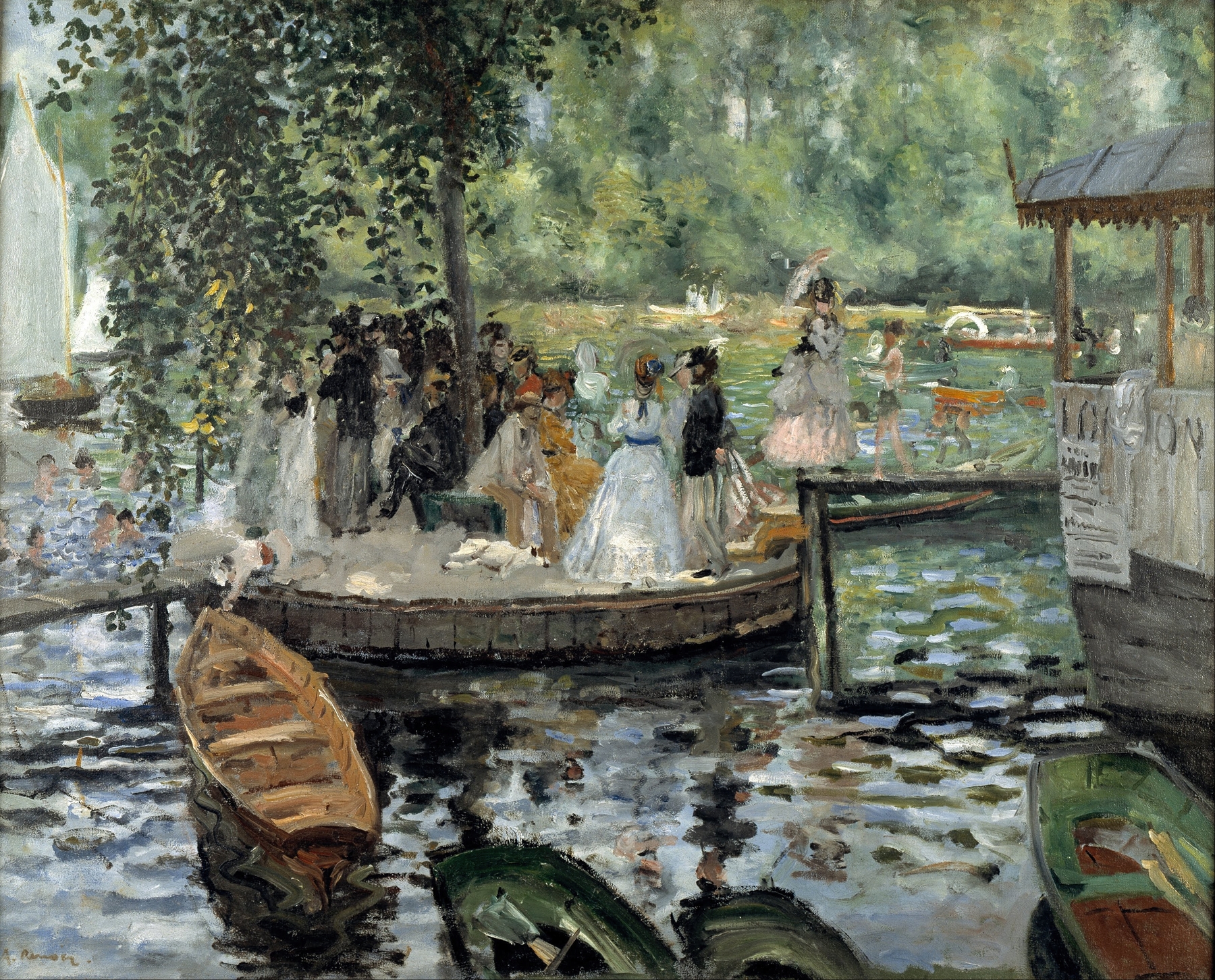
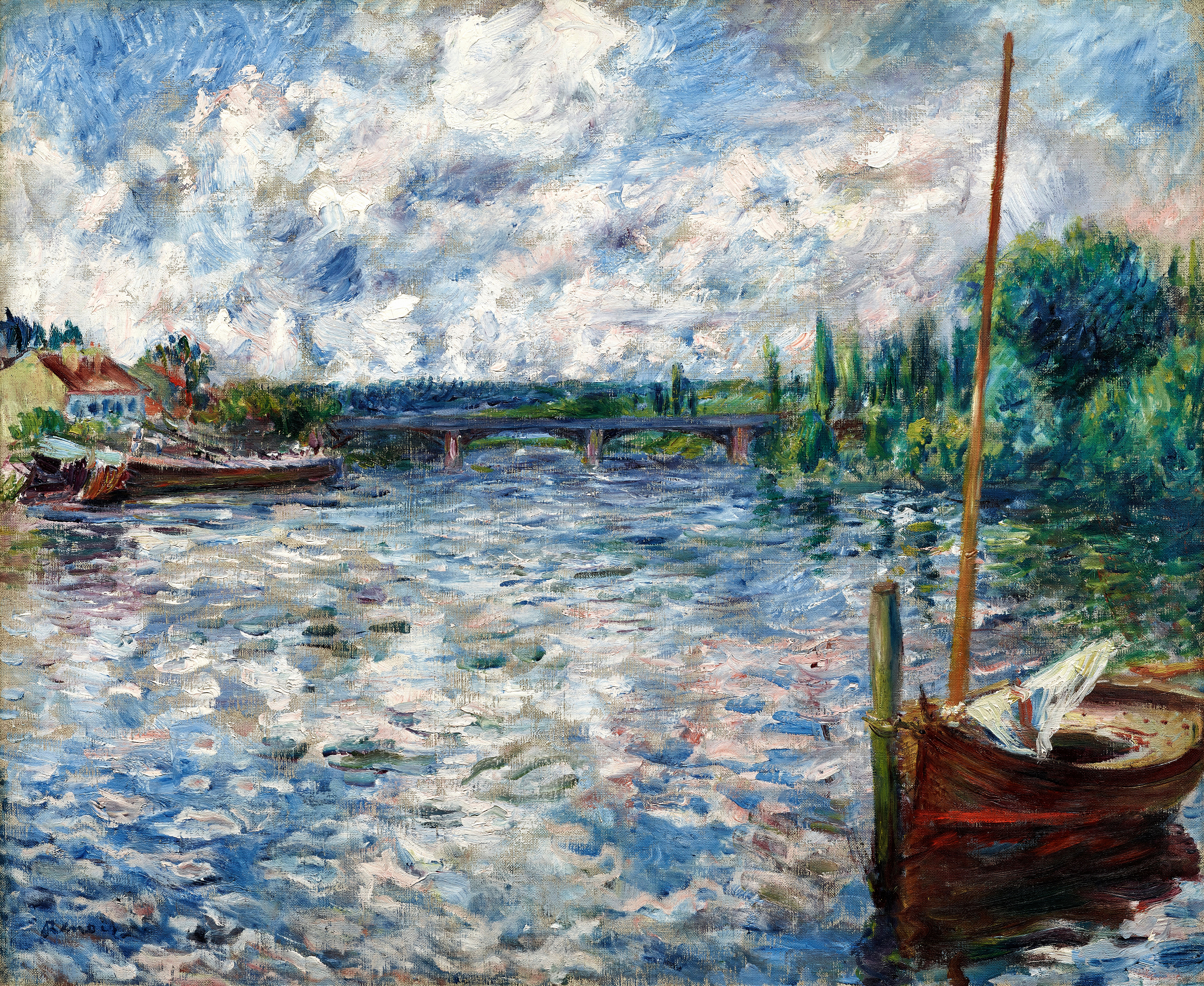
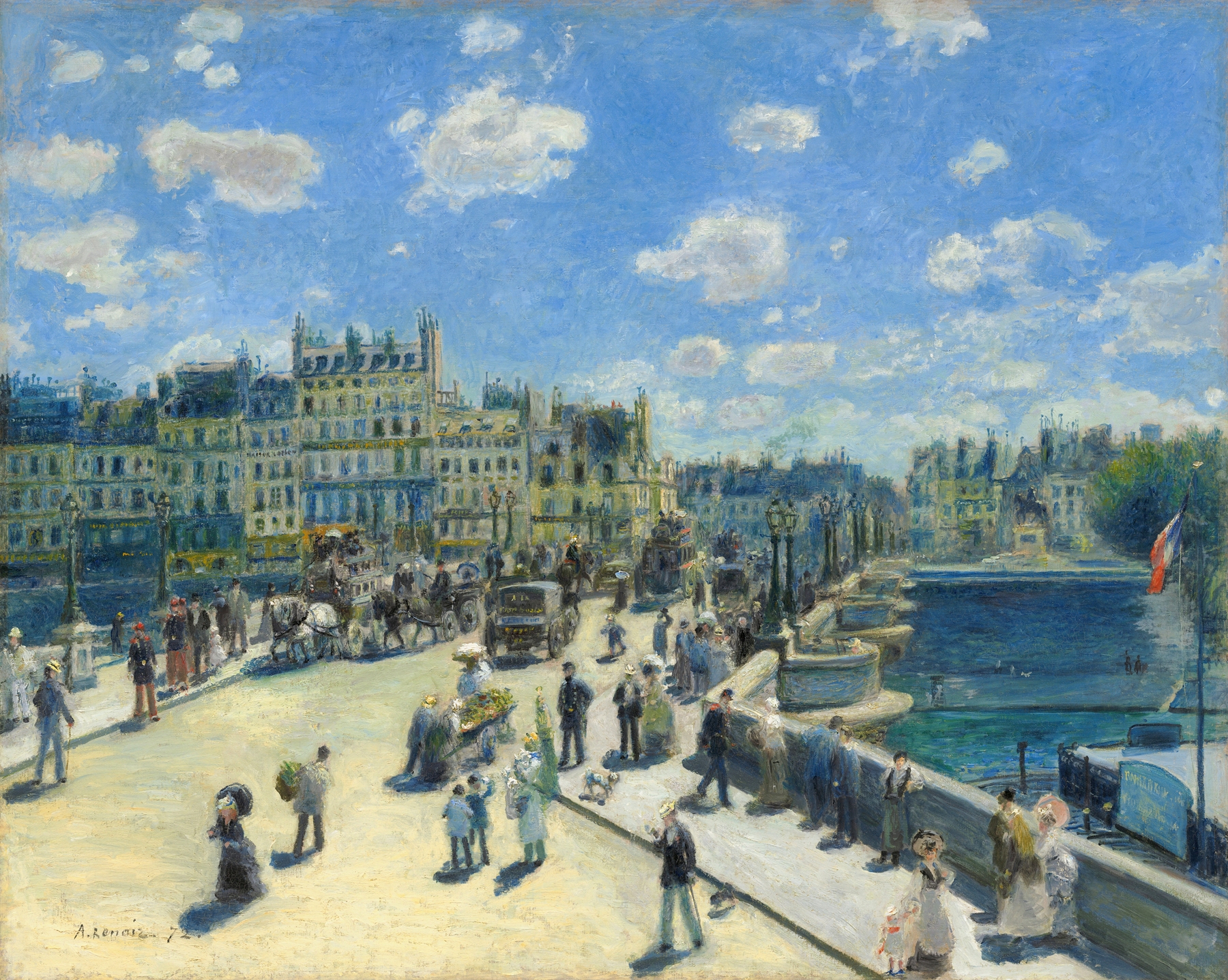
“Under the brush, chaos becomes grace.” Time flows through moments like a river, capturing the essence of life in a single frame. In Pierre-Auguste Renoir’s work, the passage of time is not merely depicted but felt, echoing the delicate dance between transience and permanence. Look to the left at the vibrant colors blending together, where the warm hues of the setting sun meet the cool tones of the river. Notice how the figures of pedestrians move fluidly across the iconic bridge, their gestures and expressions suggesting stories of everyday life.
The softness of the brushstrokes conveys a dreamlike quality, allowing the viewer to step into a world where fleeting moments coalesce with the serenity of a Parisian sunset. The juxtaposition of light and shadow creates an emotional tension, reflecting both the bustle of city life and the tranquil beauty of the scene. A couple pauses, seemingly lost in conversation, while a lone figure walks on in solitude, capturing the duality of connectedness and isolation. The flowing water beneath the bridge serves as a reminder of time’s relentless march, a visual metaphor for the passage of life that surrounds these fleeting moments of joy and contemplation.
Created in 1872 amidst the lively atmosphere of Paris, Renoir painted this piece as he was establishing his place within the Impressionist movement. During this period, he was navigating the shift from classical art traditions to the modern embrace of light and color. The city was alive with artistic innovation, and this work reflects both his personal evolution and a broader cultural transformation in the art world.