The Seine at Chatou — History & Analysis
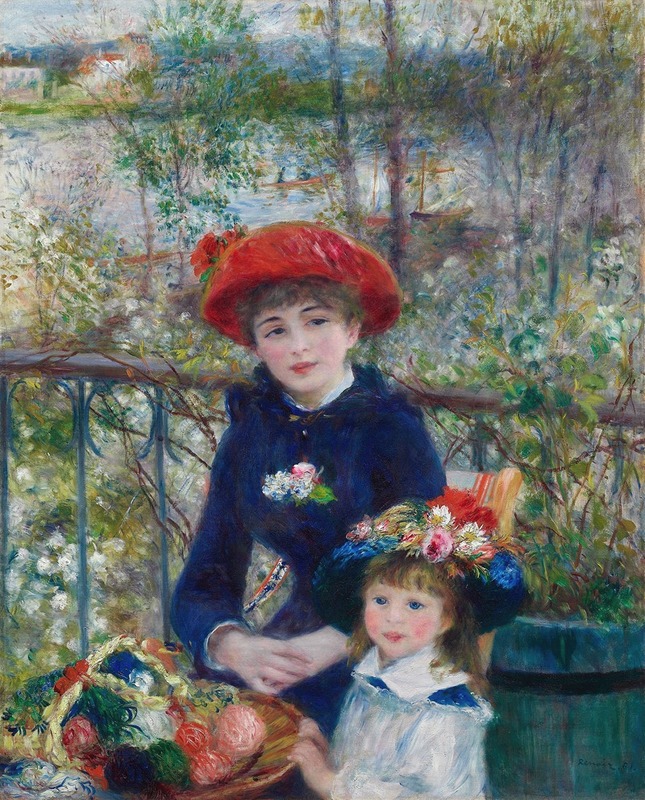
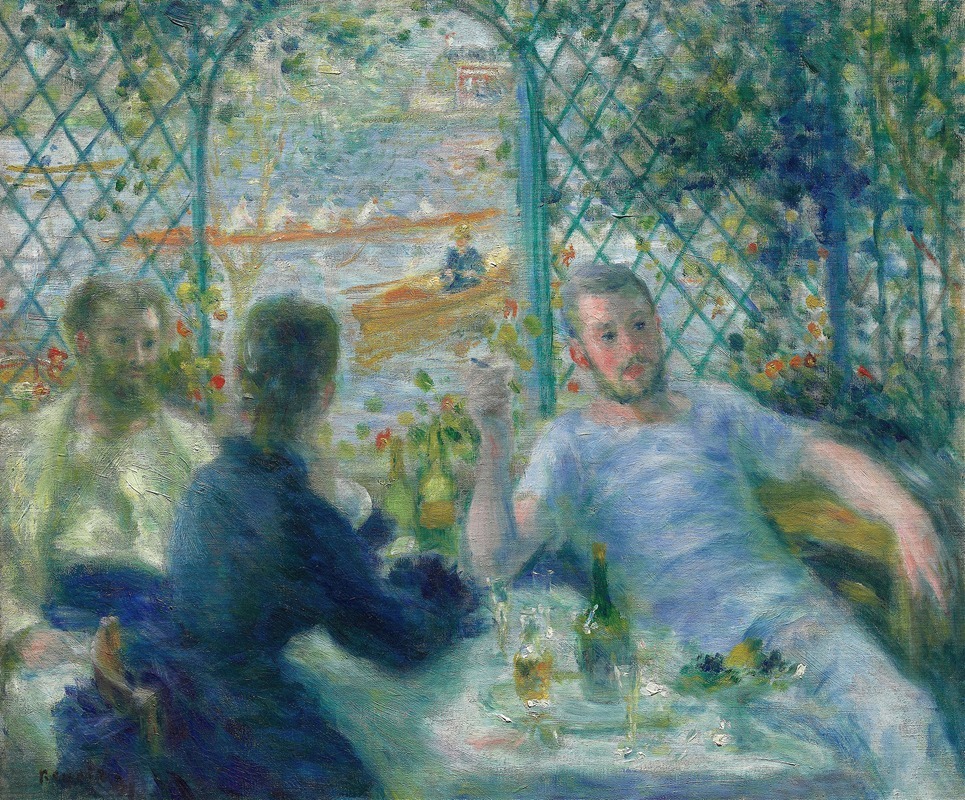
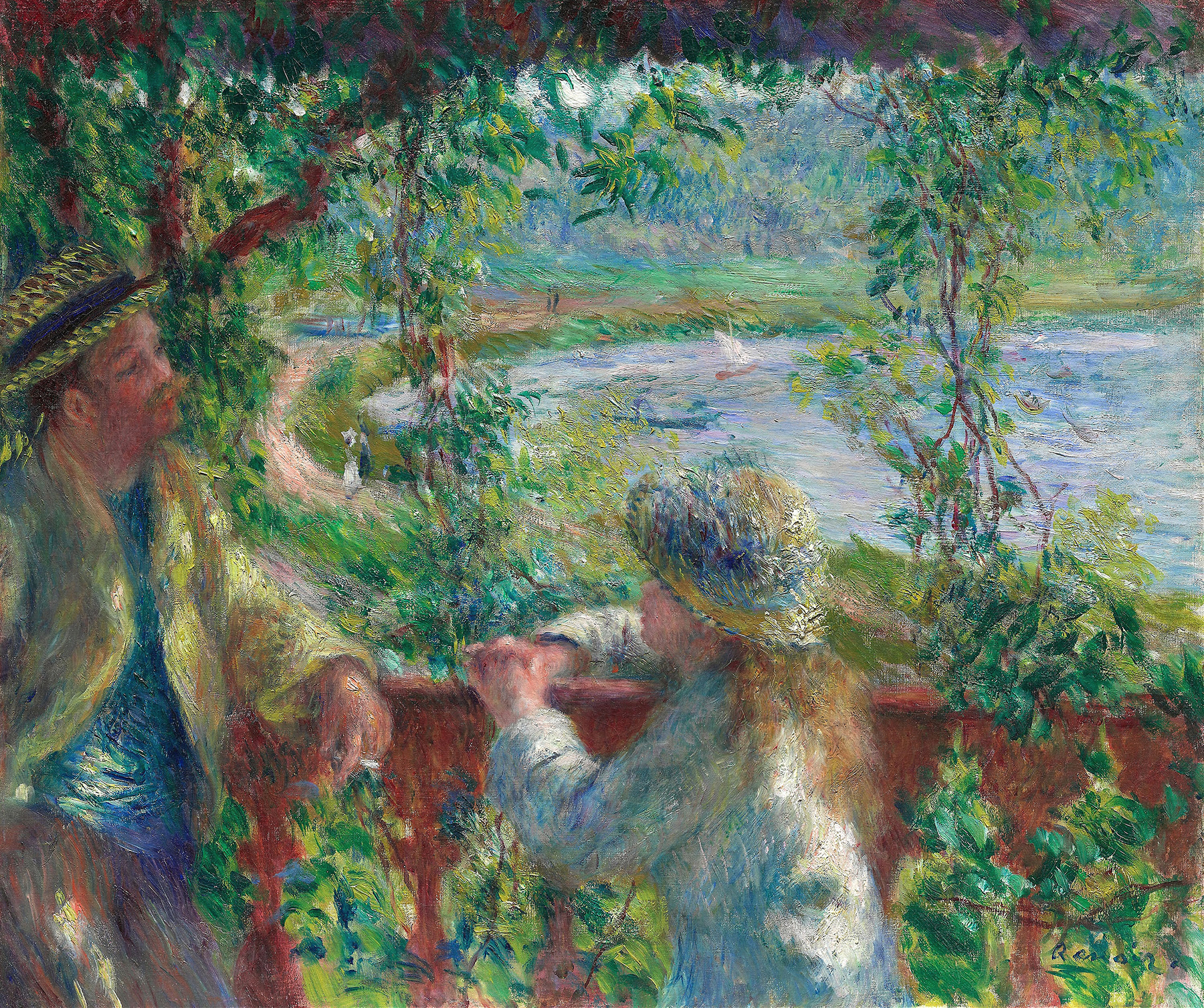
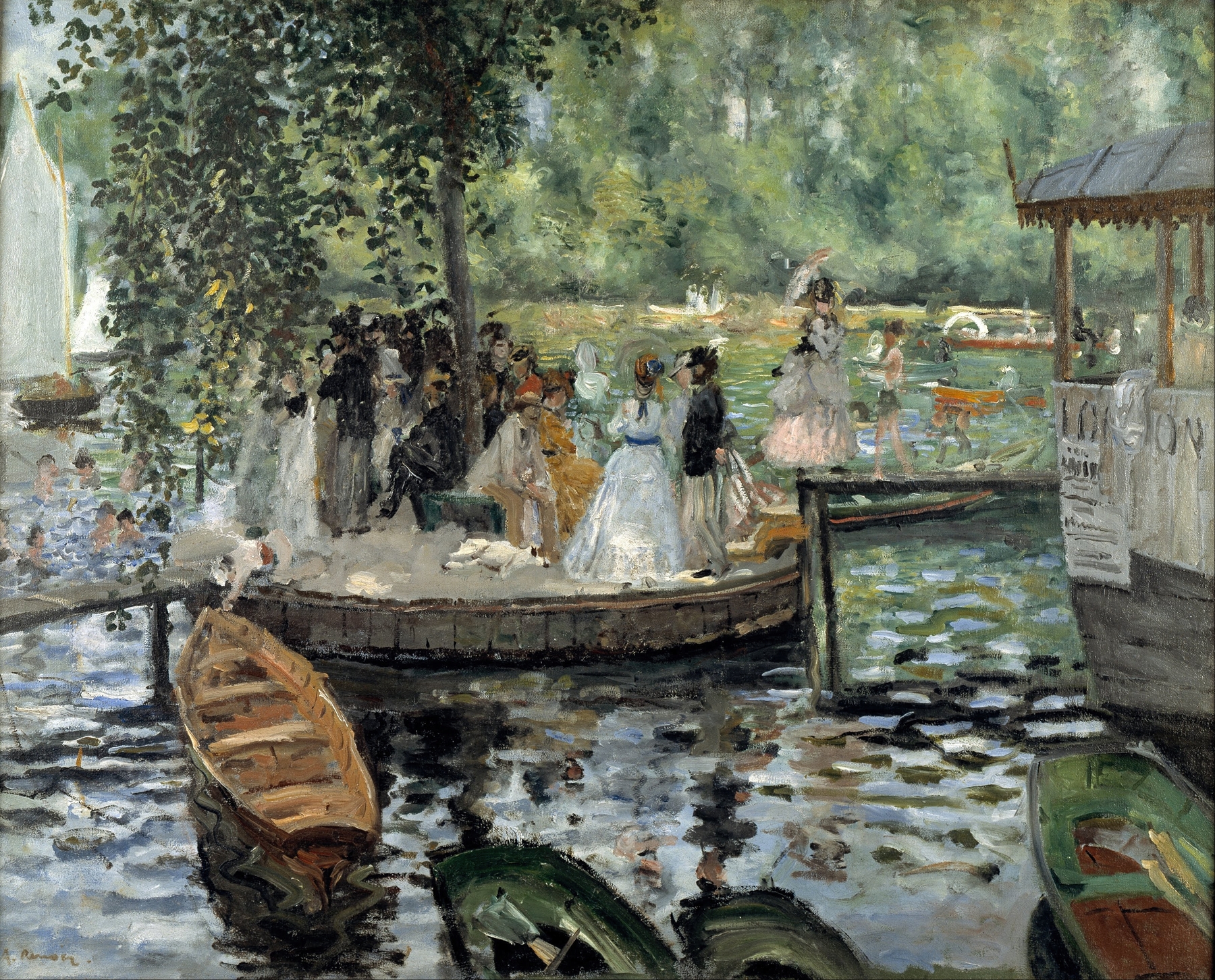
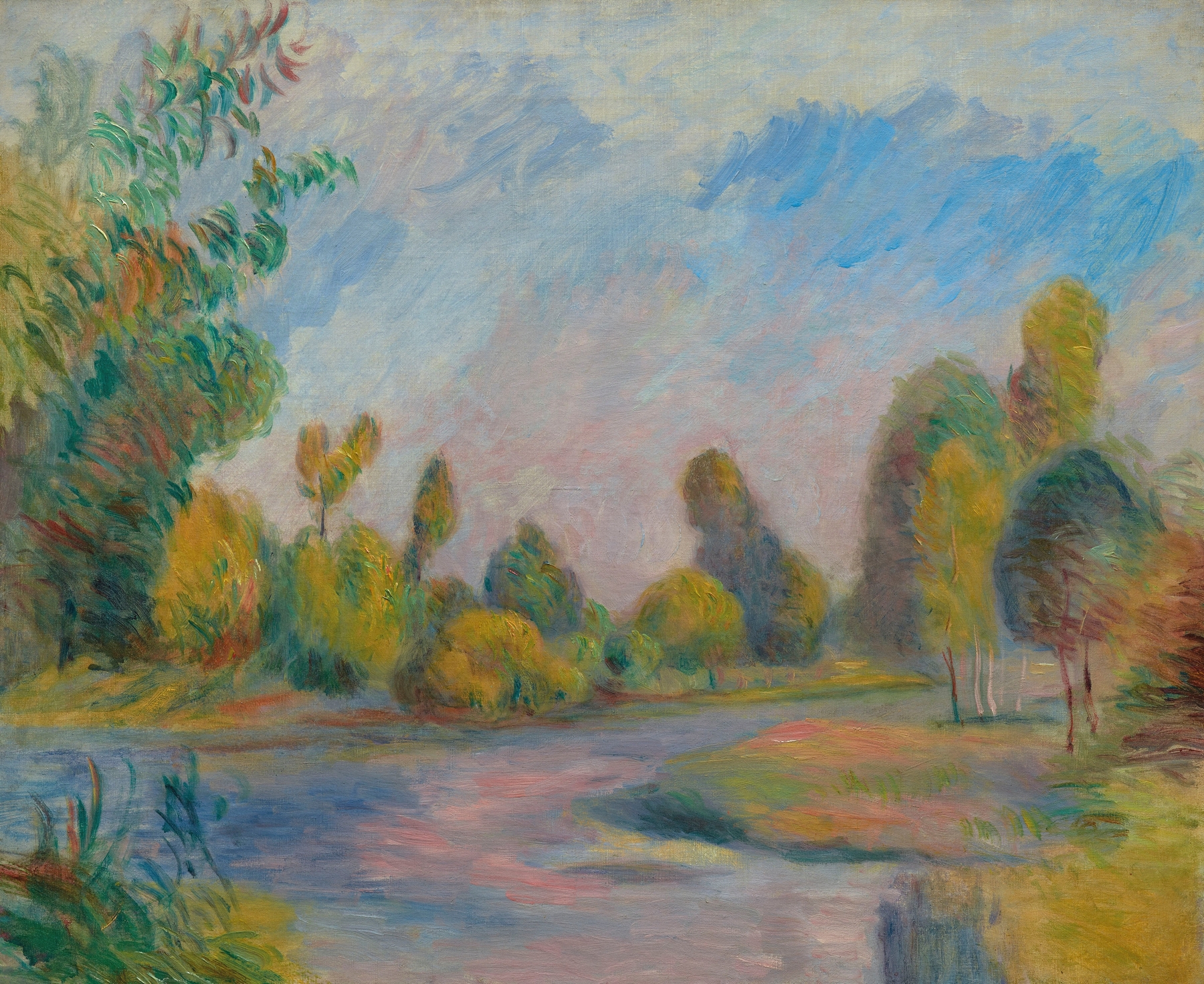
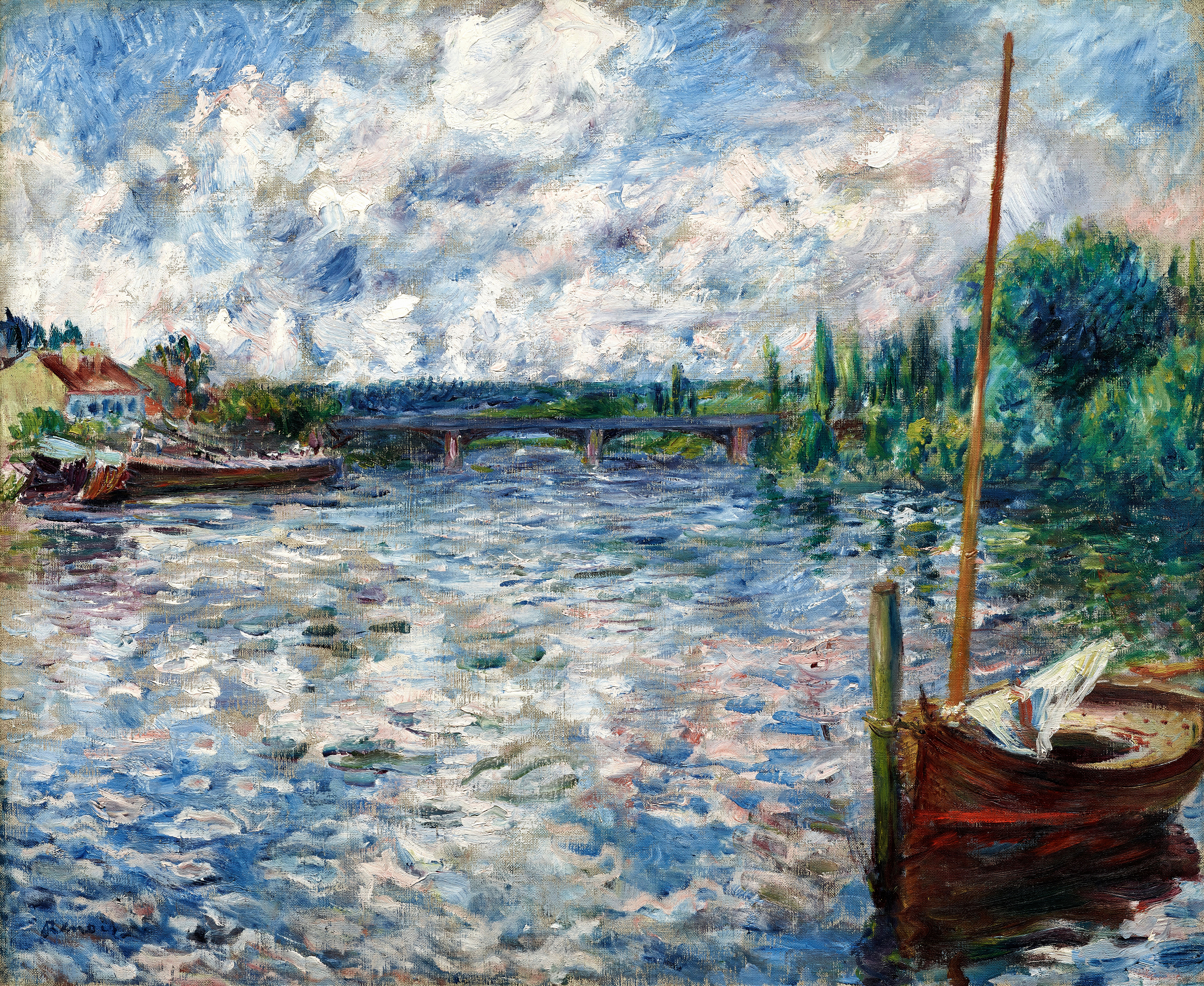
What if silence could speak through light? In The Seine at Chatou, color becomes a vibrant language that narrates the beauty of a summer's day, where every hue whispers the delights of nature. Look to the left at the soft ripples of the Seine, where the cerulean water dances with reflections of lush green trees, their leaves painted in a variety of verdant shades. Notice how the sun filters through the branches, casting a warm, golden glow on the figures enjoying life along the riverbank.
The delicate brushwork and dappled light create a sense of movement, drawing your eye across the canvas to the joyful gathering of people, each seemingly captured in their own moment of leisure. Yet, beneath the surface of this idyllic scene lies an intricate play of contrasts. The gentle, swirling colors evoke a sense of serenity, while the lively figures convey an undercurrent of human connection and camaraderie. The juxtaposition of the vibrant blues with the earthy browns and greens illustrates not just the environment, but also the interplay between solitude and social interaction.
The choices of color and light reveal the fleeting essence of joy, forever suspended in time. In 1874, during a formative period of Impressionism, Renoir painted this piece while he was exploring the themes of light and color in depth. He was part of a group of artists challenging traditional artistic conventions, striving to capture the ever-changing beauty of the world around them. This work emerged amid a growing movement that valued the immediacy of perception, marking a significant step in the evolution of modern art.