La Grenouillère — History & Analysis
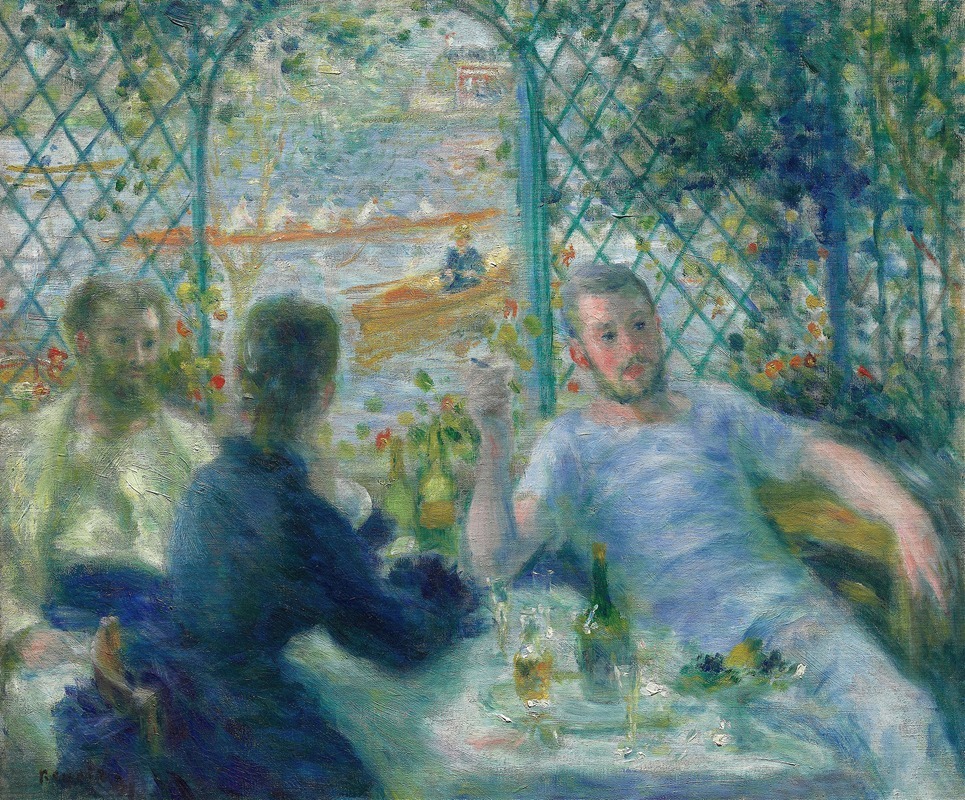
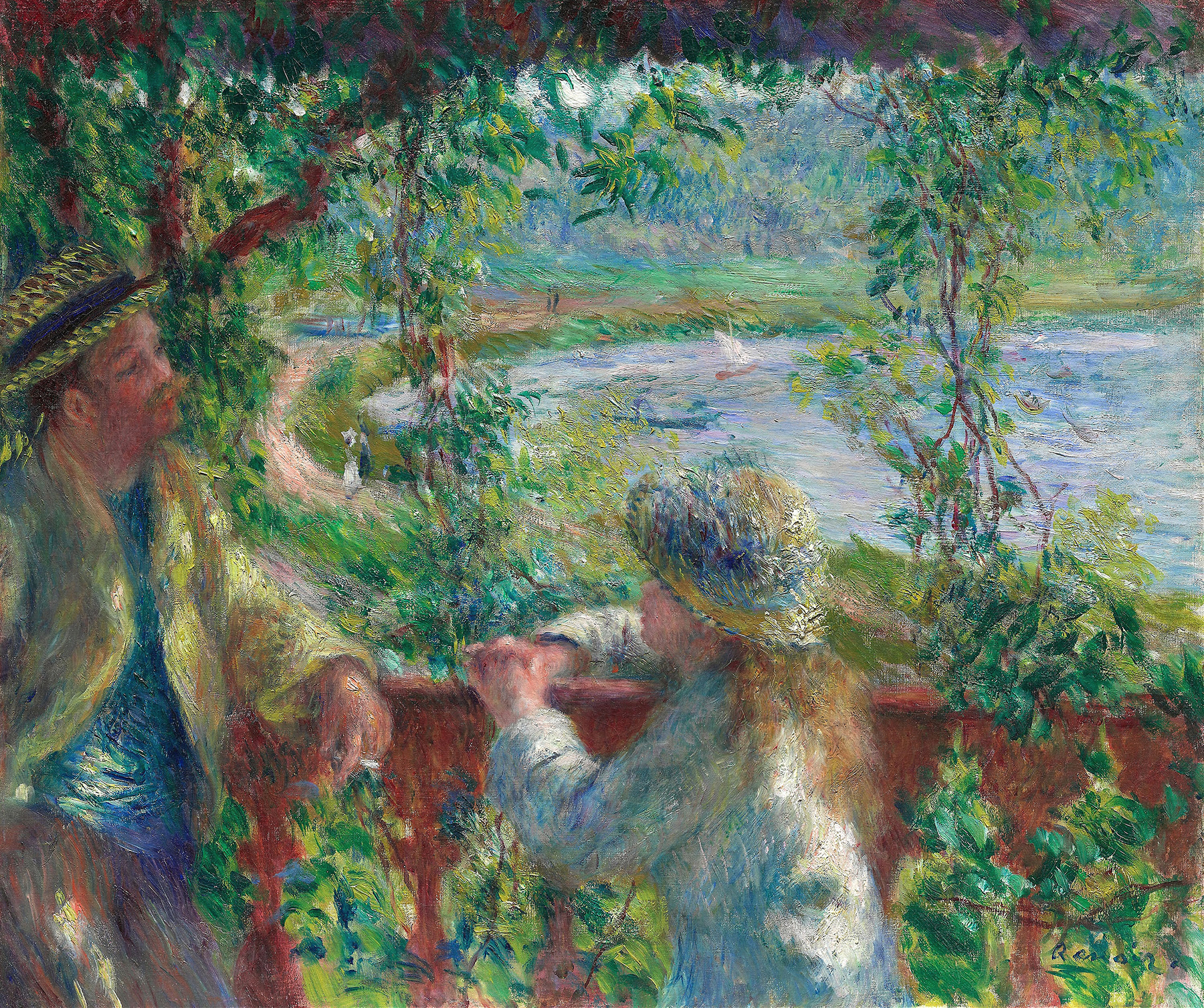
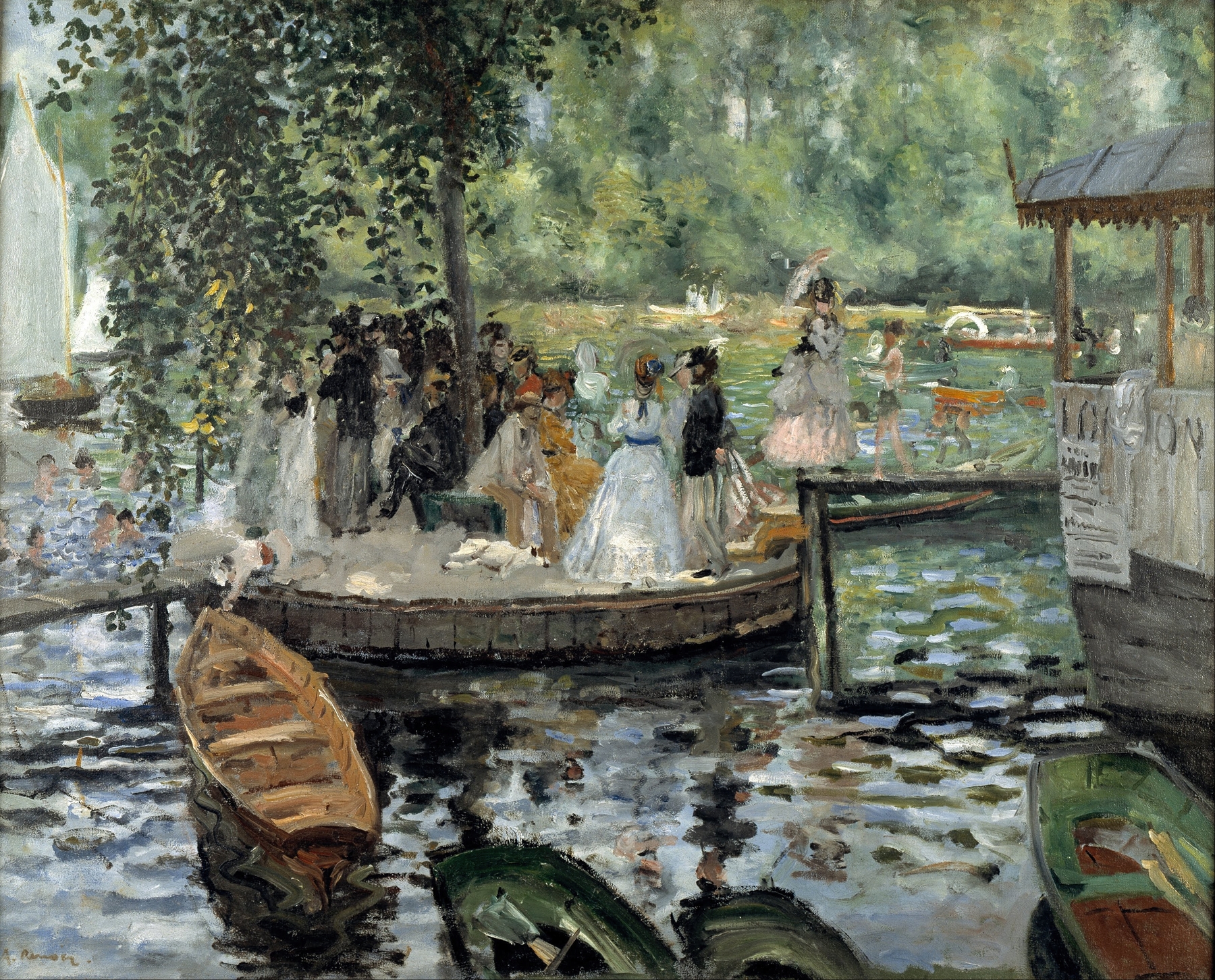
Could beauty survive in a century of chaos? The question lingers as the viewer stands before the vibrant brushstrokes of La Grenouillère. Here, amid the lively scene by the water, Renoir captures a moment that feels both timeless and fleeting, a rebirth of joy amid tumultuous surroundings. Look to the left at the dappled sunlight filtering through the trees, casting playful patterns on the water. The soft, fluid strokes create a ripple effect that invites you into this sun-kissed world.
Notice the figures, their relaxed postures and animated exchanges, each infused with a sense of spontaneity — they seem to dance in the air, laughing and embracing the warmth of a summer day. The palette, a symphony of blues, greens, and warm flesh tones, vibrates with life, pulling you into their collective embrace of leisure. Beneath this joyous surface lies the profound understanding of fleeting moments. The juxtaposition of lively figures against the serene water hints at the impermanence of pleasure, reminding us that joy often exists in transient spaces. The ripples in the water may reflect not just the sunlight, but the passage of time itself, suggesting an undercurrent of nostalgia and longing.
This duality enhances the emotional weight of the scene, making it a poignant reminder of life's ephemerality. Painted in the 1860s while Renoir was immersed in the burgeoning Impressionist movement, La Grenouillère captures a pivotal moment in art history. The artist was deeply influenced by the evolving techniques of his contemporaries, focusing on light and color to convey emotion. This period was one of both personal discovery and social change, as Paris transformed into a hub of modernity, allowing the artist to explore the intersection of beauty and chaos in his work.