The Mussel Harvest — History & Analysis
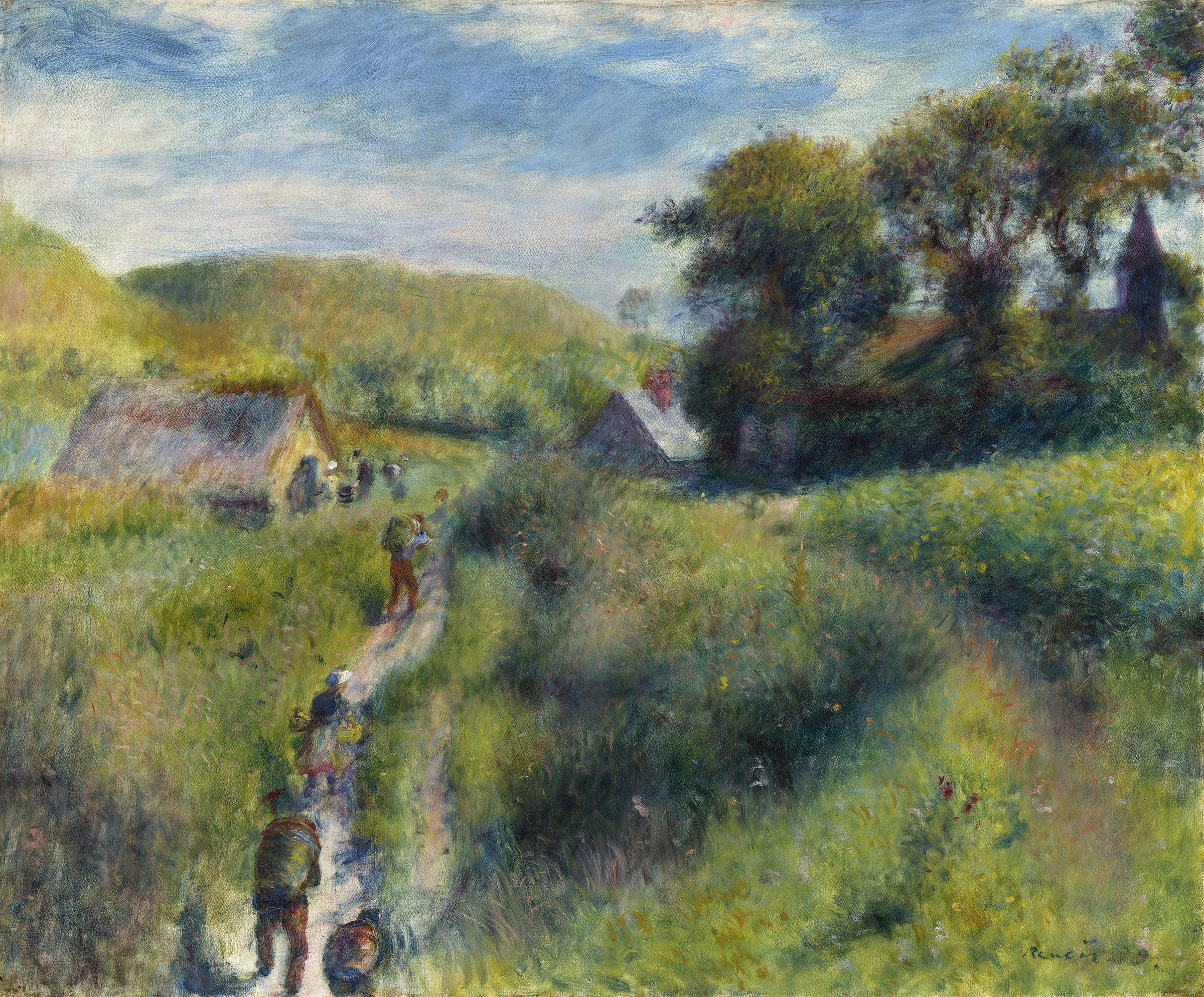
Art reveals the soul when the world turns away. In The Mussel Harvest, a quiet scene unfolds, capturing the essence of solitude amidst labor. Each brushstroke conveys the weight of the moment, where the toil of nature intertwines seamlessly with the human experience, revealing both connection and isolation. Look to the left at the fishermen engrossed in their task, their movements deliberate, yet their expressions reveal an undercurrent of contemplation. Notice how the soft, muted palette envelops the figures, the blues and greys suggestive of water's chill, while warm hues reflect the fleeting sunlight, creating a harmony that comforts yet feels distant.
The composition is intimate, drawing the eye toward the figures while allowing the surrounding landscape to recede, emphasizing the personal struggle against nature’s bounty. Beneath the surface, the work resonates with a deeper emotional tension. The gathering of mussels, symbols of sustenance, become metaphors for the often lonely pursuit of livelihood. The figures' proximity to each other juxtaposes an underlying solitude; though they work side by side, it underscores a shared experience that remains deeply personal and introspective.
The sense of quiet labor invites the viewer to reflect on the universal themes of solitude and community. In 1879, while residing in the French countryside, Renoir painted this piece during a period of exploration in his style, merging Impressionism with a focus on human subjects. He sought to capture the simple beauty of everyday life, a direct response to the rapid industrial changes of the era. This painting reflects not only his artistic evolution but also the societal shifts, as he rendered a moment frozen in time amid the broader currents of change.