Le Désert de Libye — History & Analysis
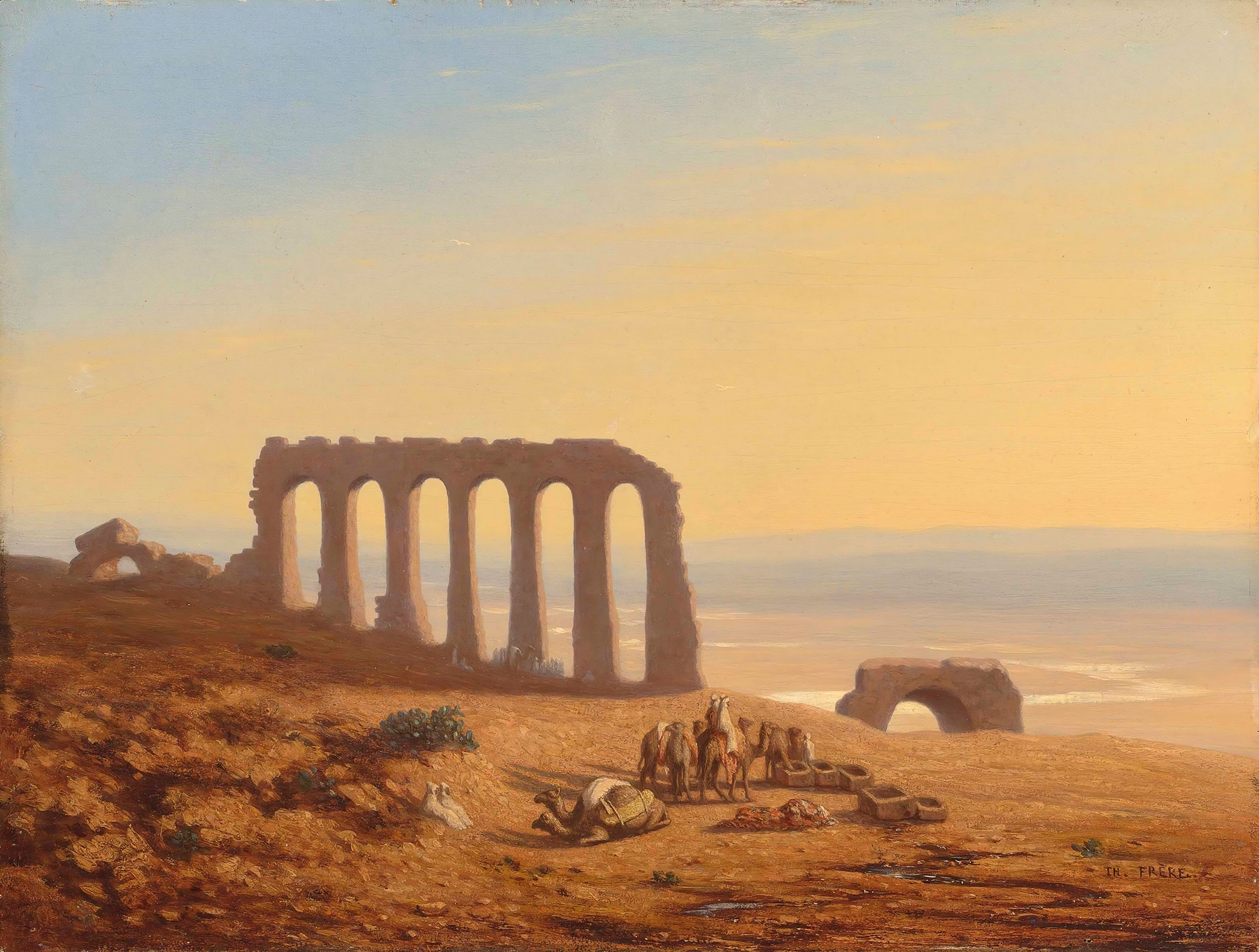
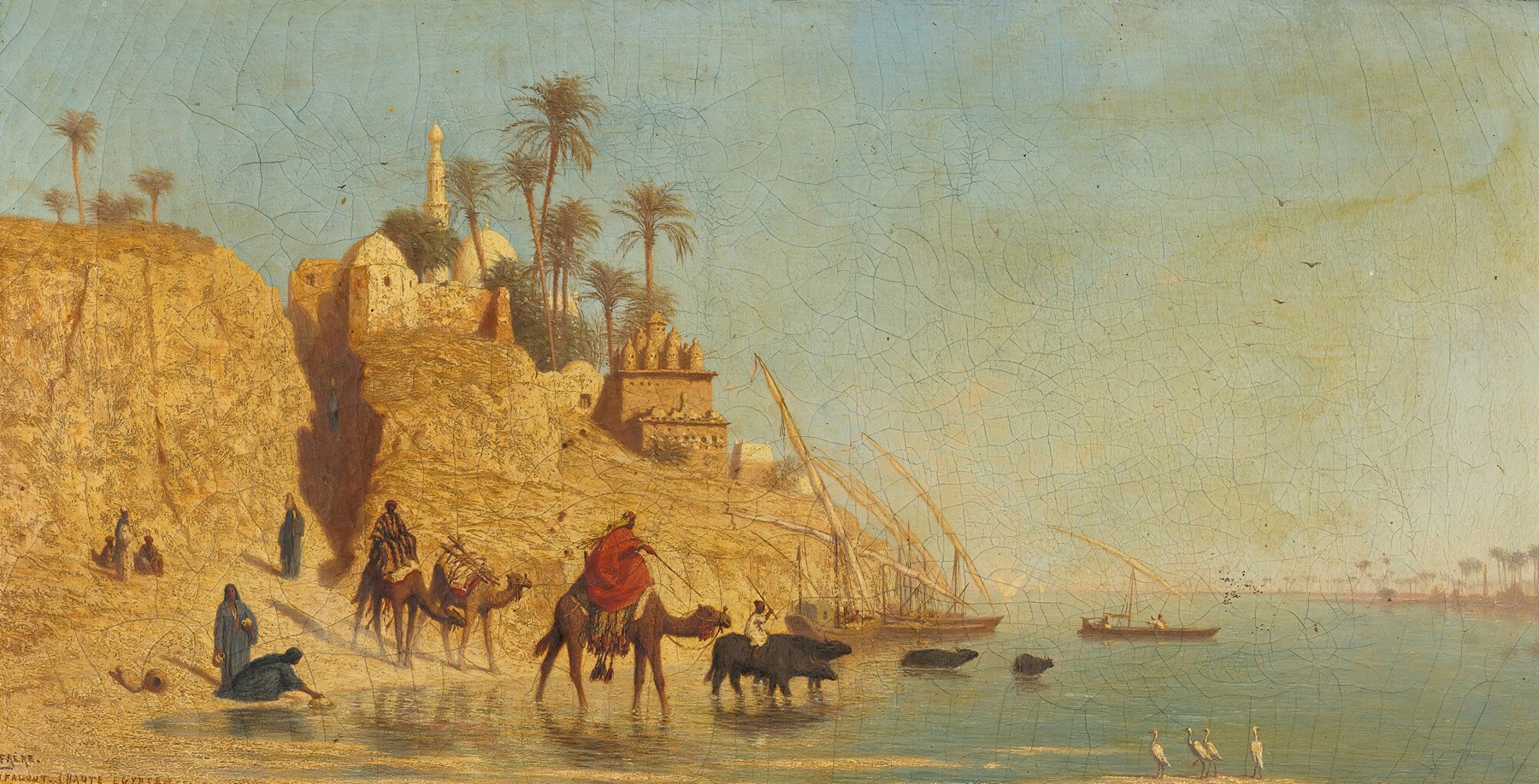
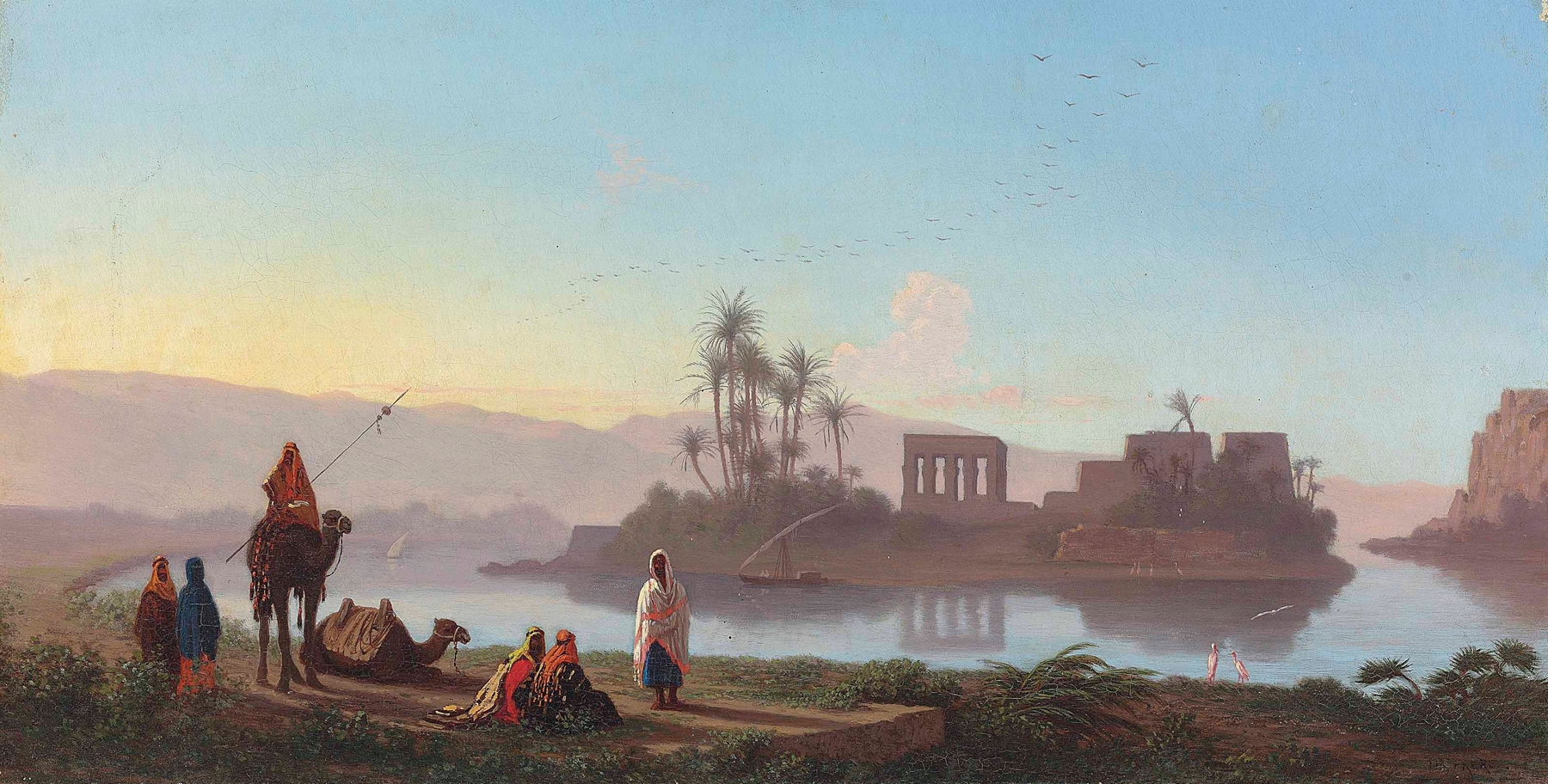
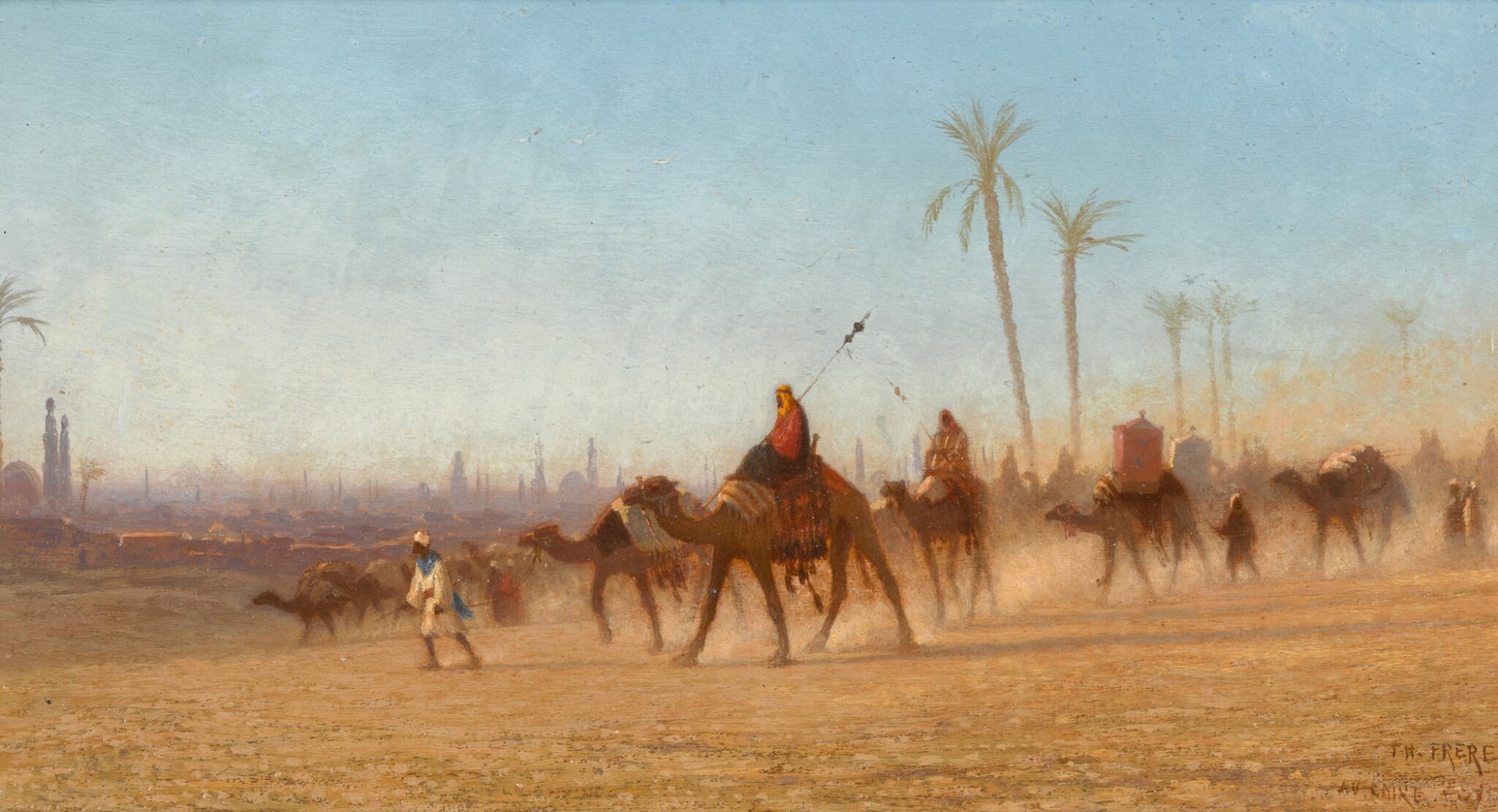
“To paint is to remember what time wants us to forget.” In the stillness of the desert, echoes of the past reverberate through swirling sands and sun-kissed dunes, inviting us to explore the delicate balance between memory and oblivion. Look to the left at the gentle undulations of the landscape, where vibrant ochres and subtle siennas blend seamlessly with the blue of the sky. The composition draws the eye across the vast expanse, leading us to a solitary figure on horseback, dwarfed by the enormity of desert life.
Notice how the sunlight dances across the grains of sand, illuminating the nuances of the dunes, each ripple suggesting a story lost to time. In this vastness, one can sense a profound solitude—there’s a contrast between the immensity of nature and the insignificance of humanity. The figure appears contemplative, perhaps reflective of a journey undertaken or a moment lost.
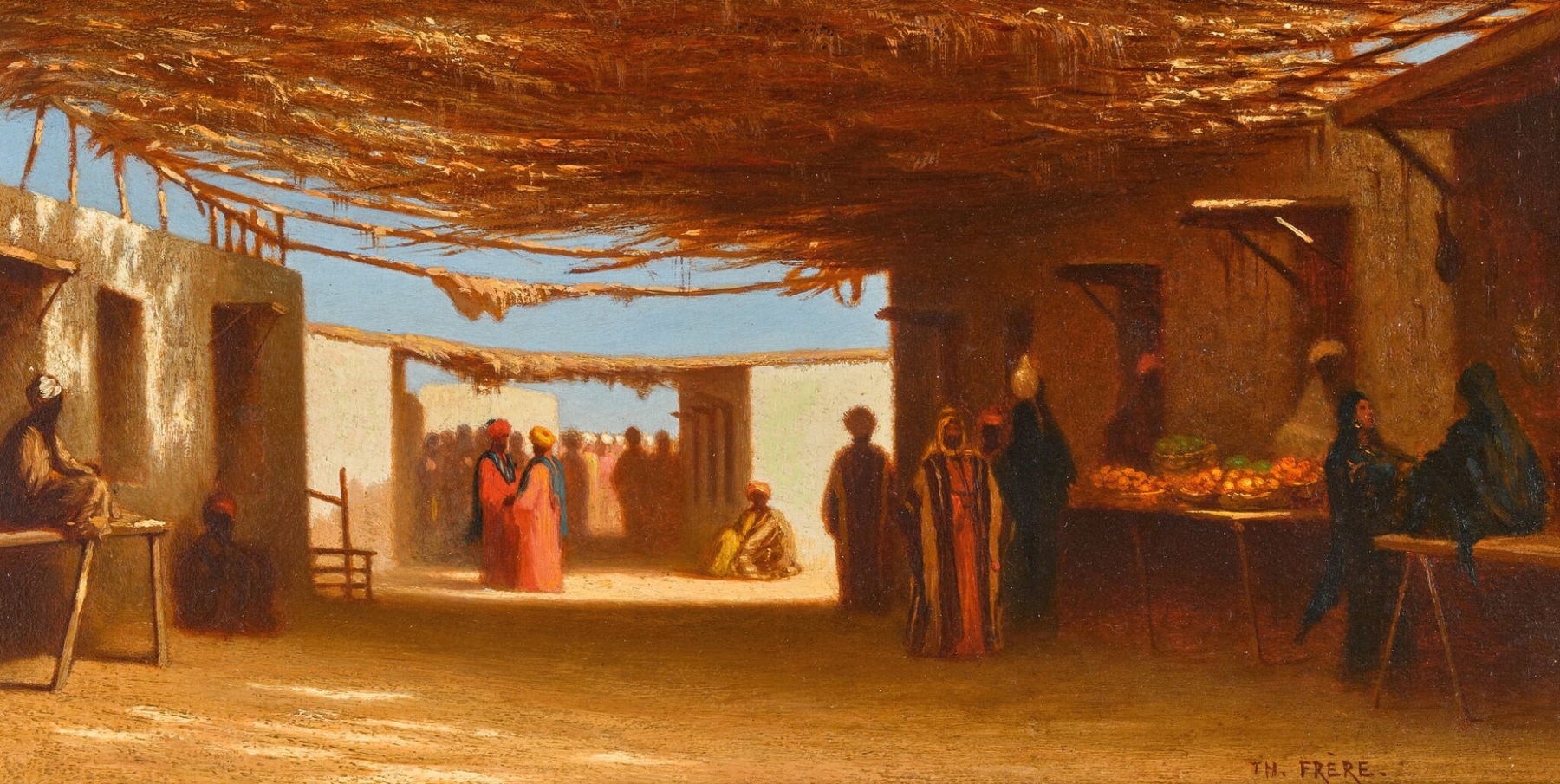
This encapsulation of nostalgia hints at both adventure and yearning, as if the landscape itself is a living memory, holding secrets waiting to be unearthed. During the mid-19th century, when this piece was created, Frère was exploring the themes of identity and history through his work, inspired by his travels to North Africa. The era was marked by fascination with exotic landscapes, and the artist sought to capture the essence of a place steeped in mystique, reflecting both the romanticism of the time and his personal quests for understanding the world beyond his own.