Le Jardin En Provence — History & Analysis
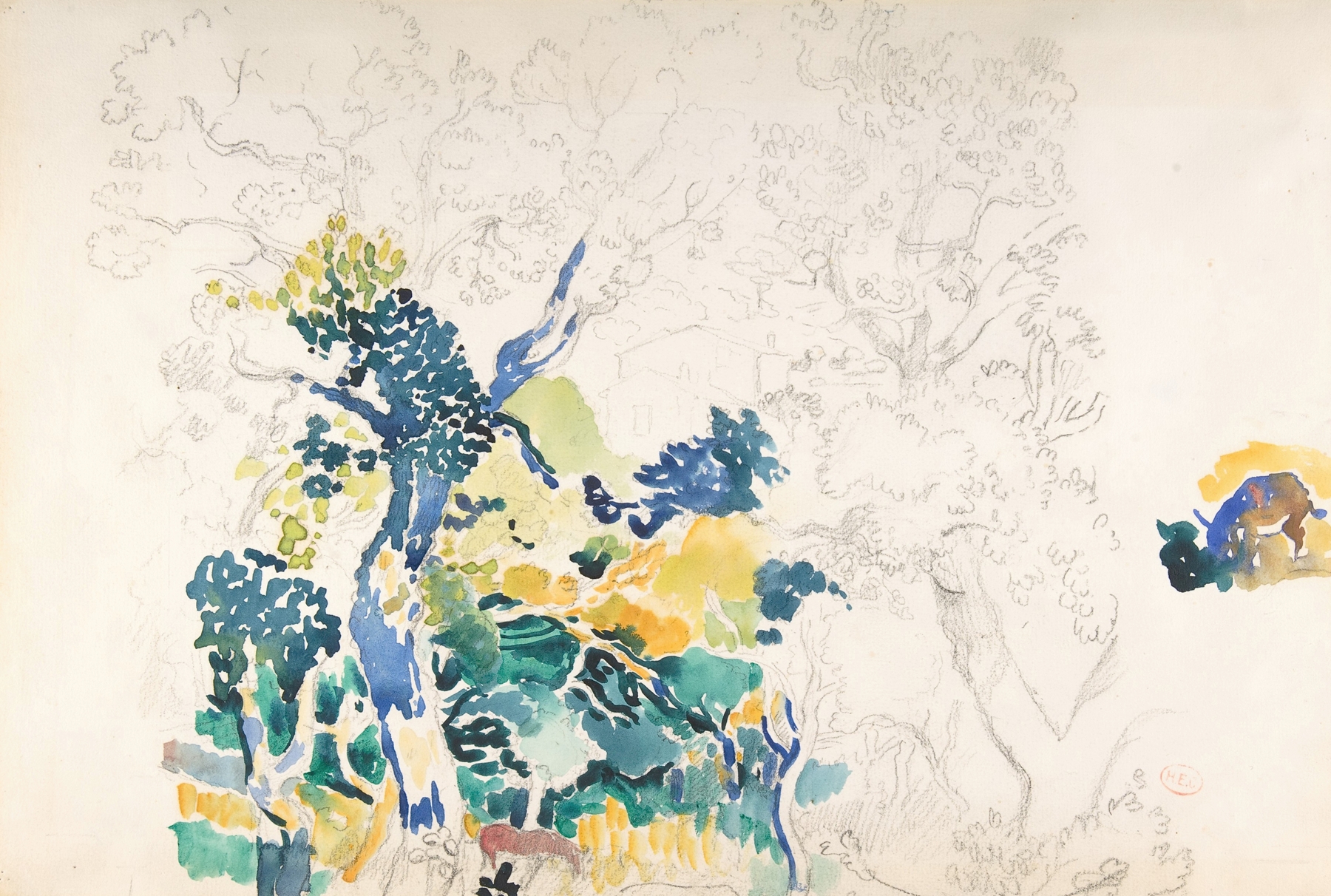
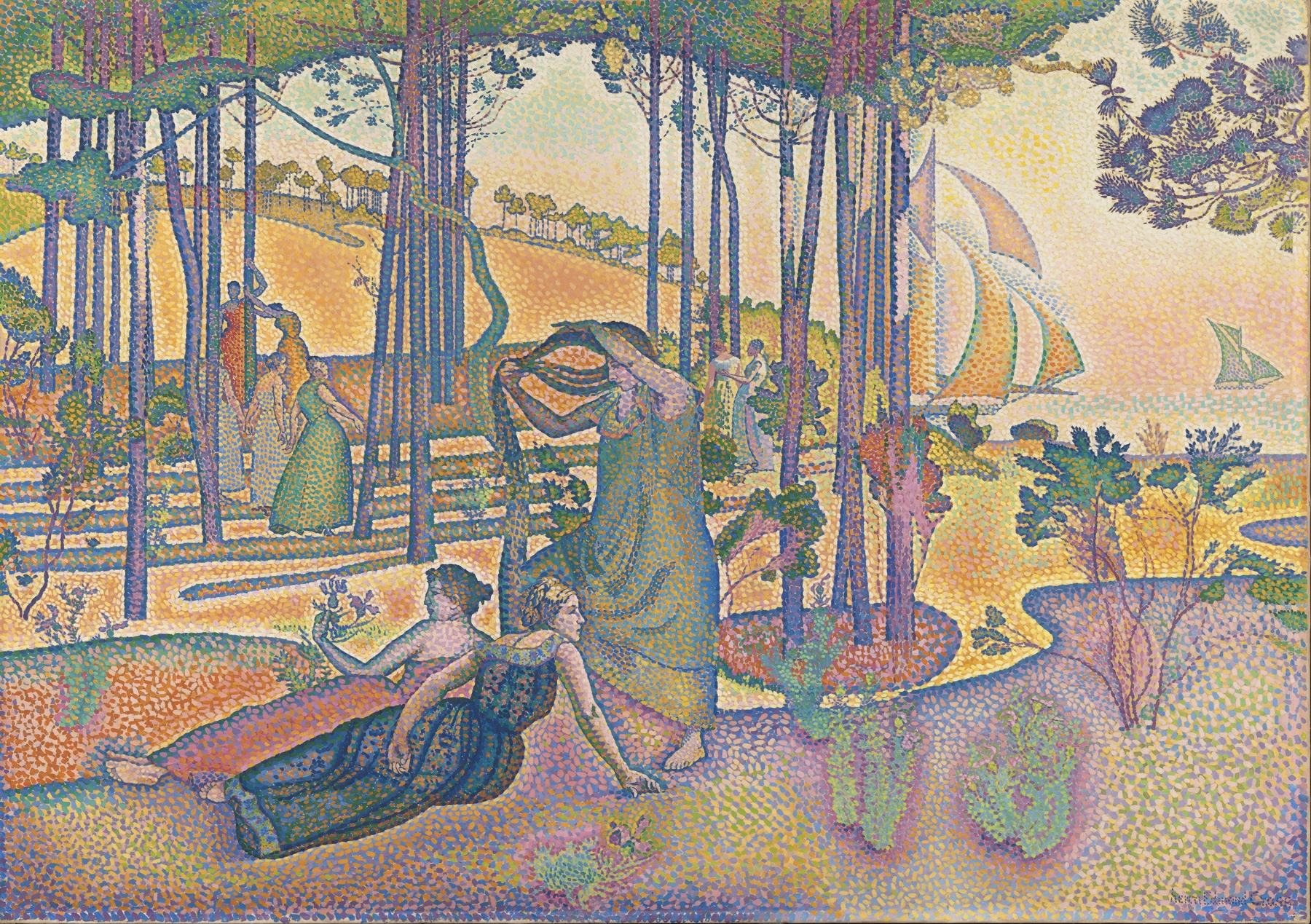
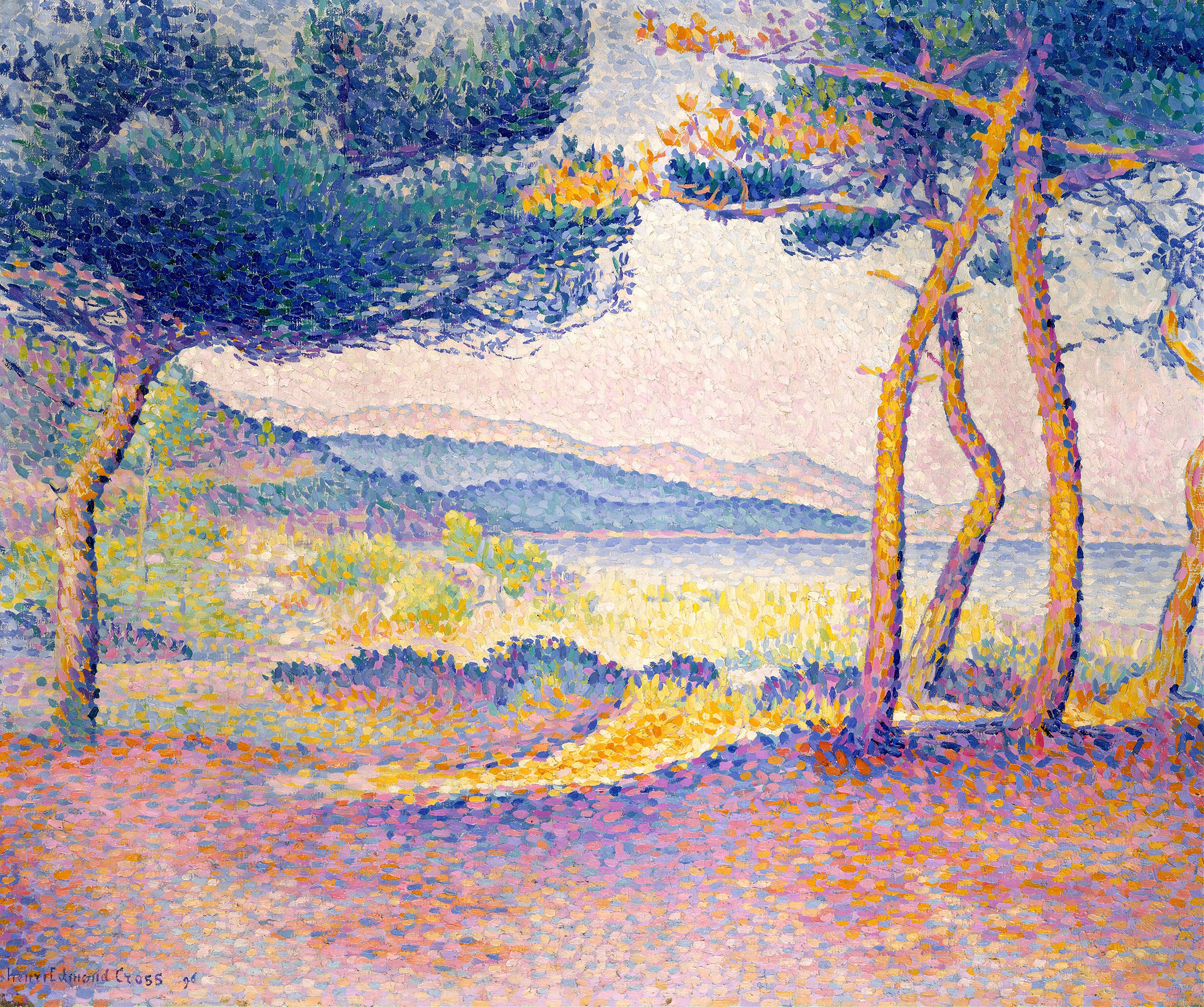
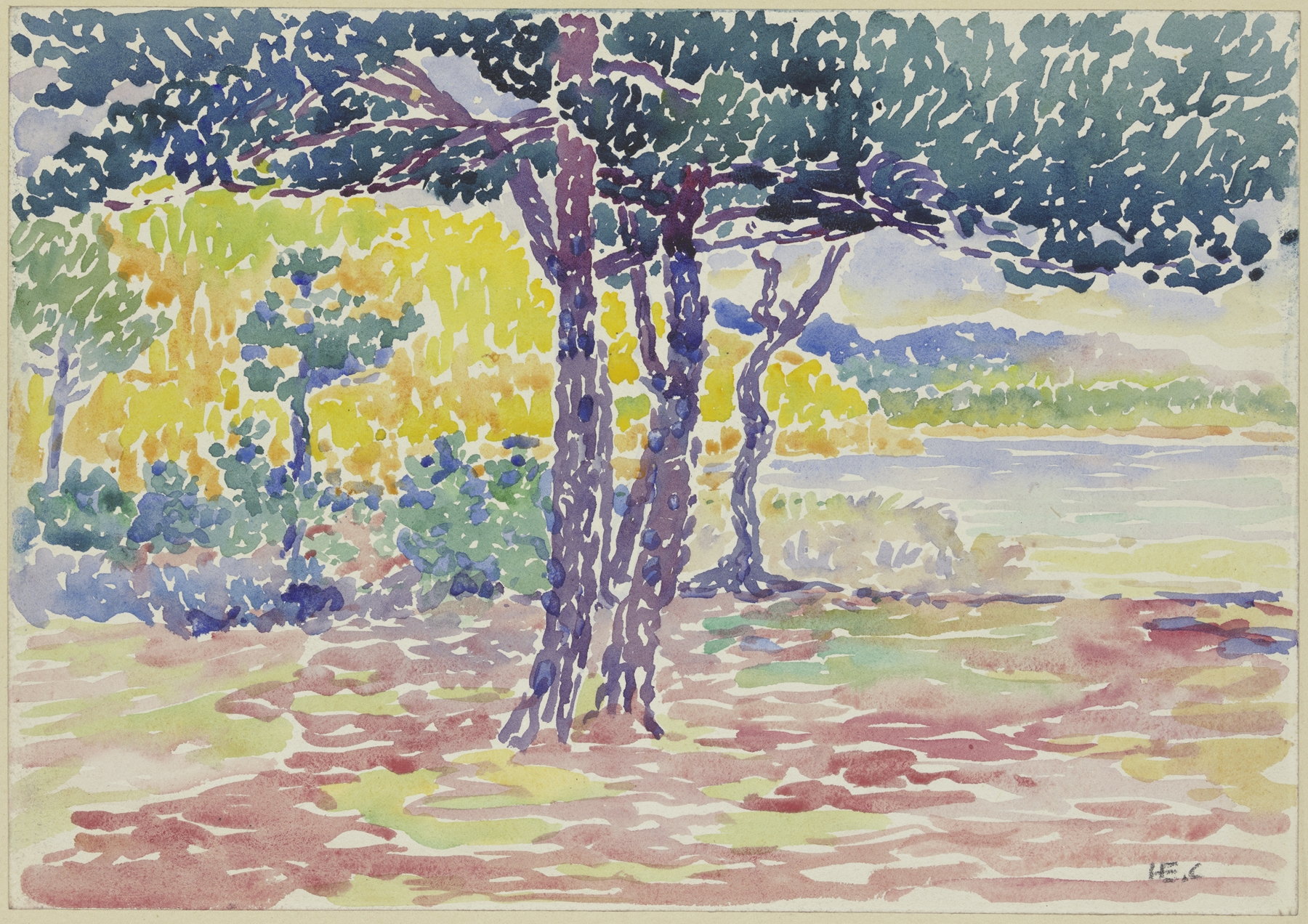
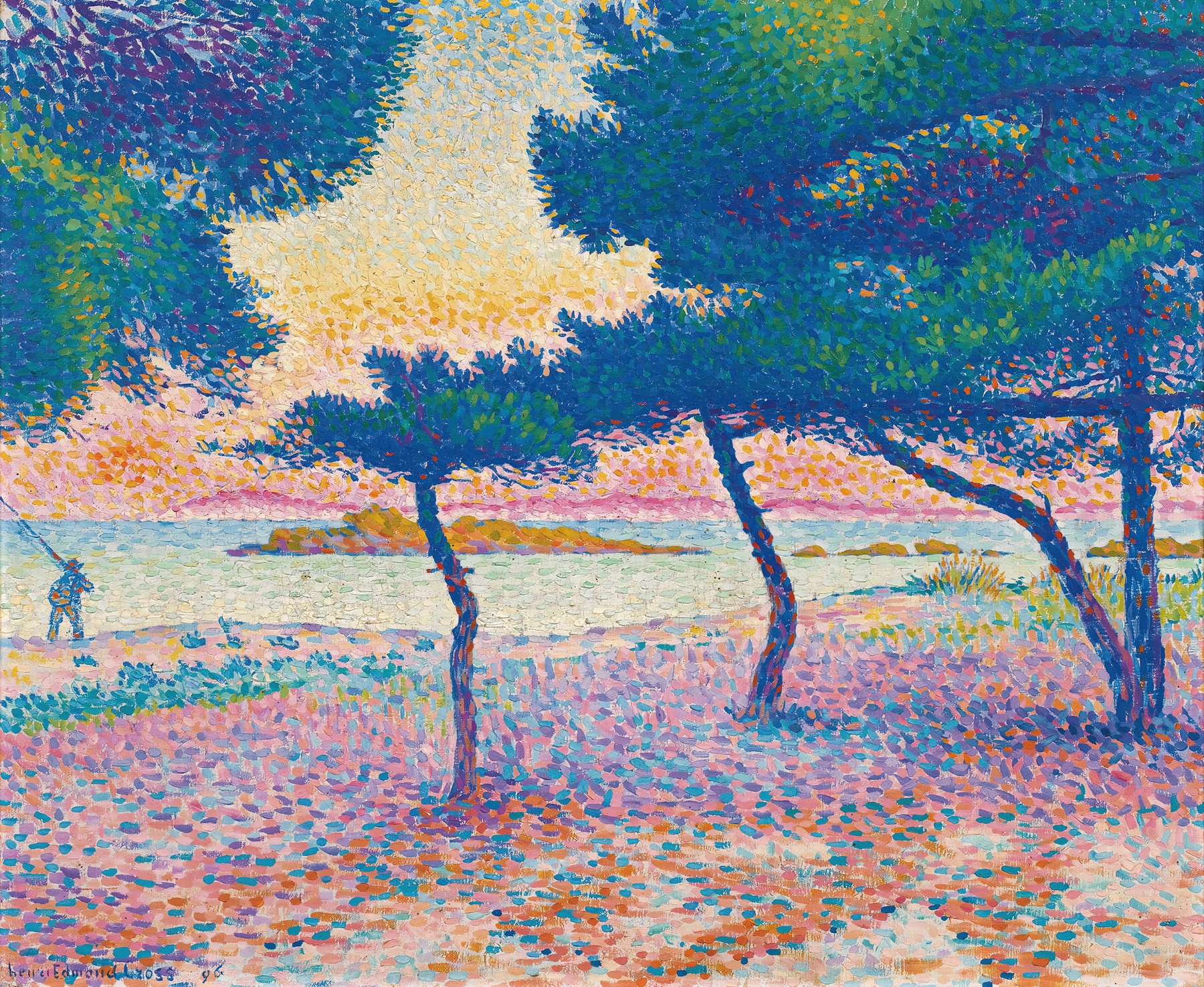
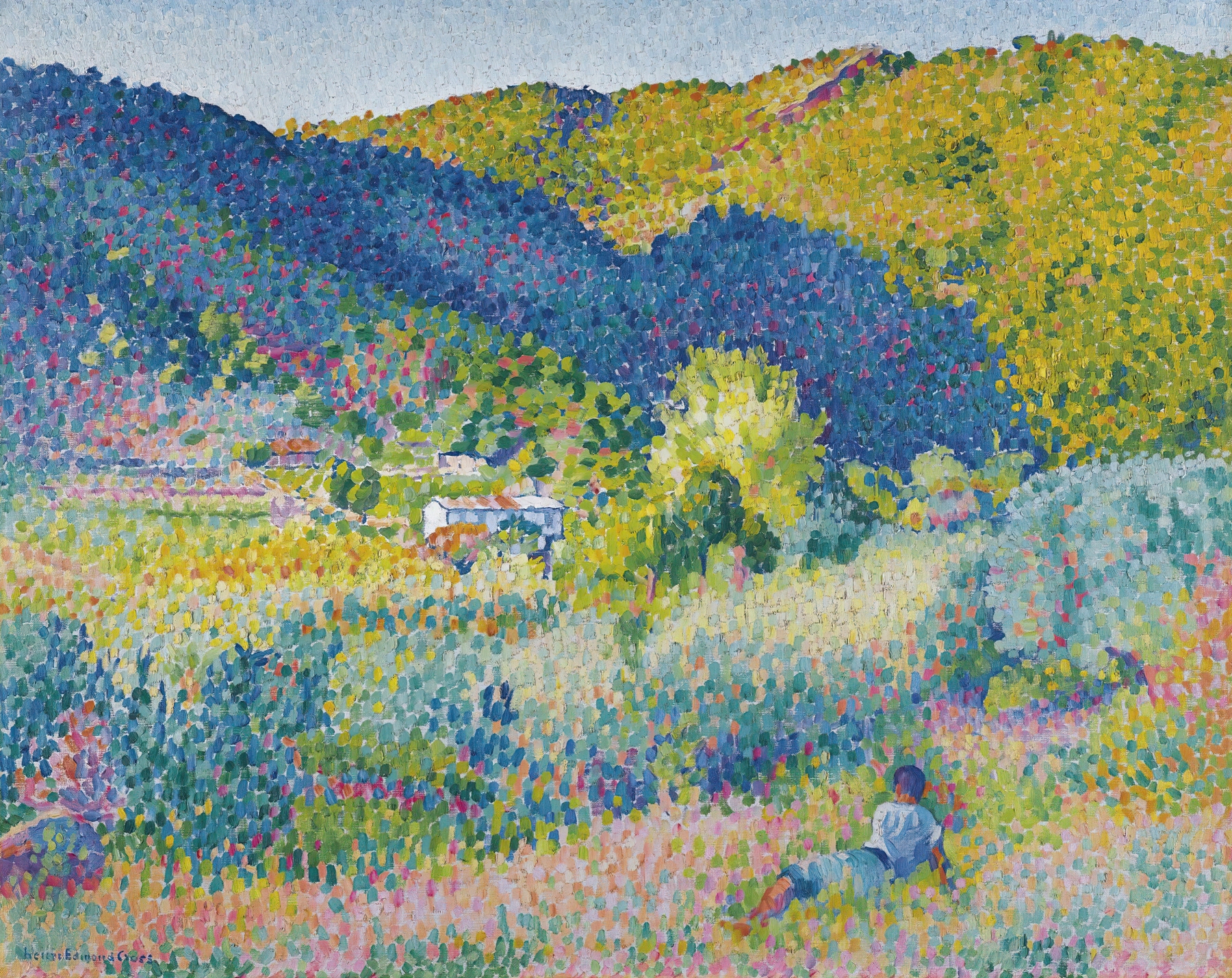
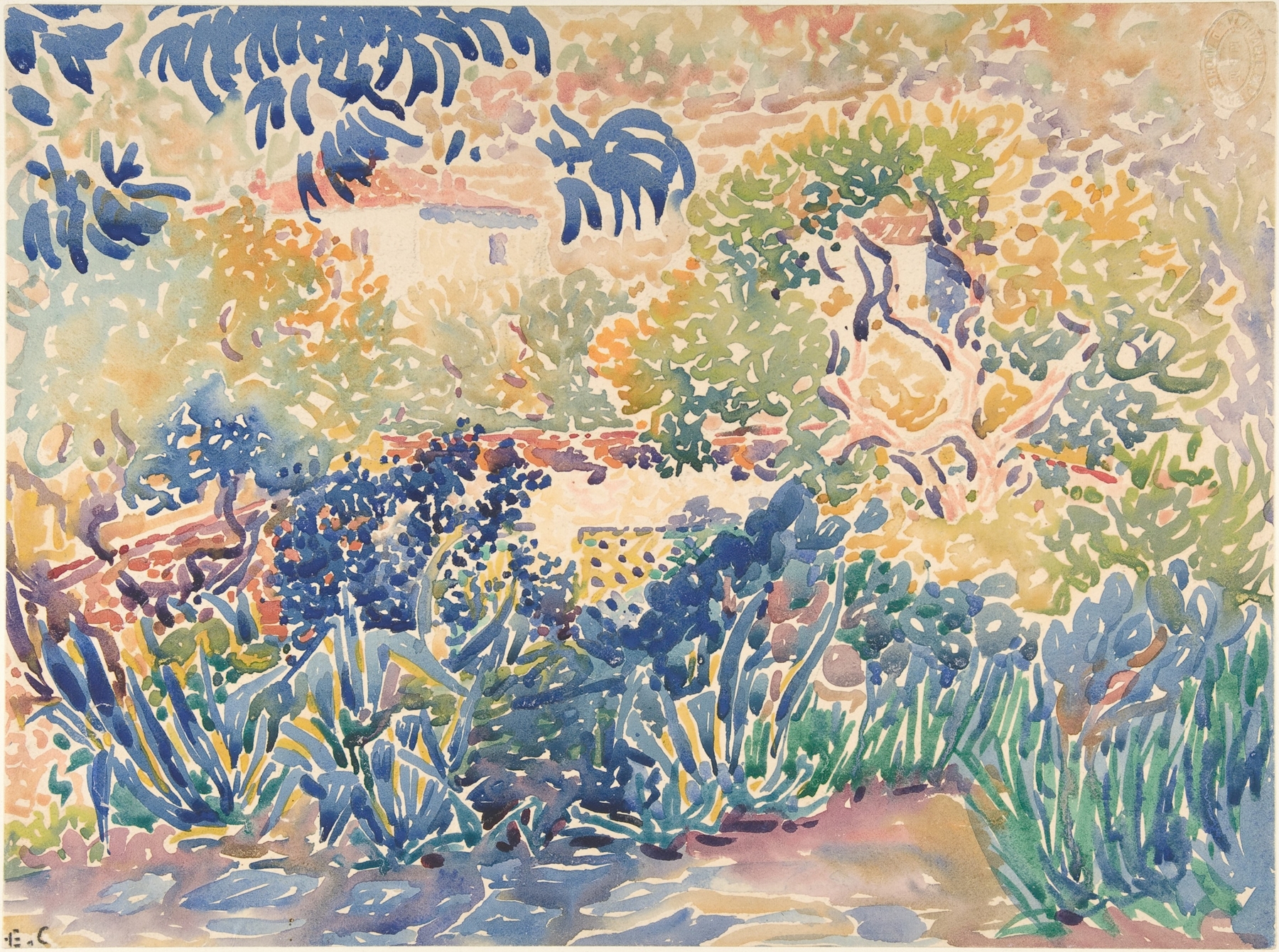
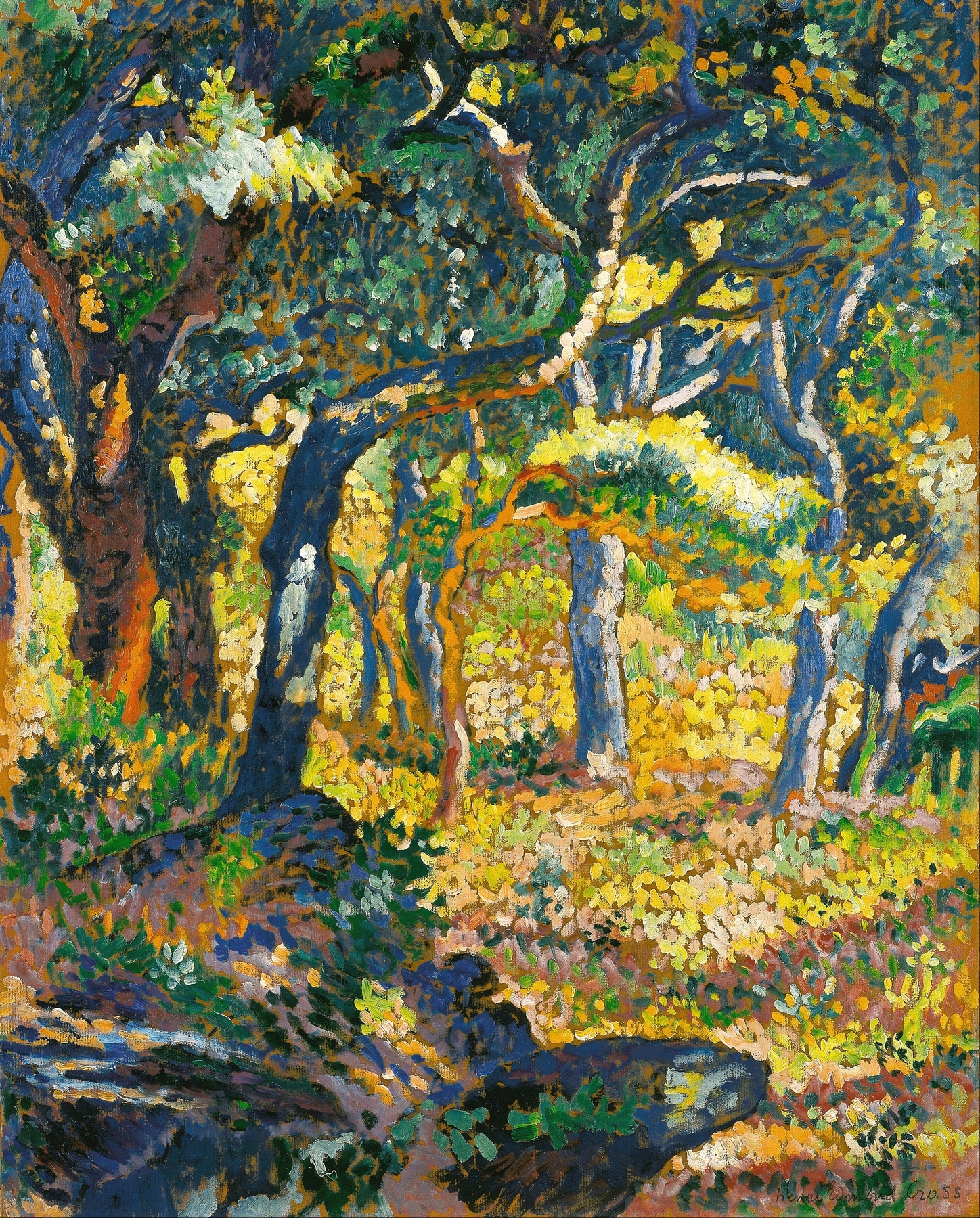
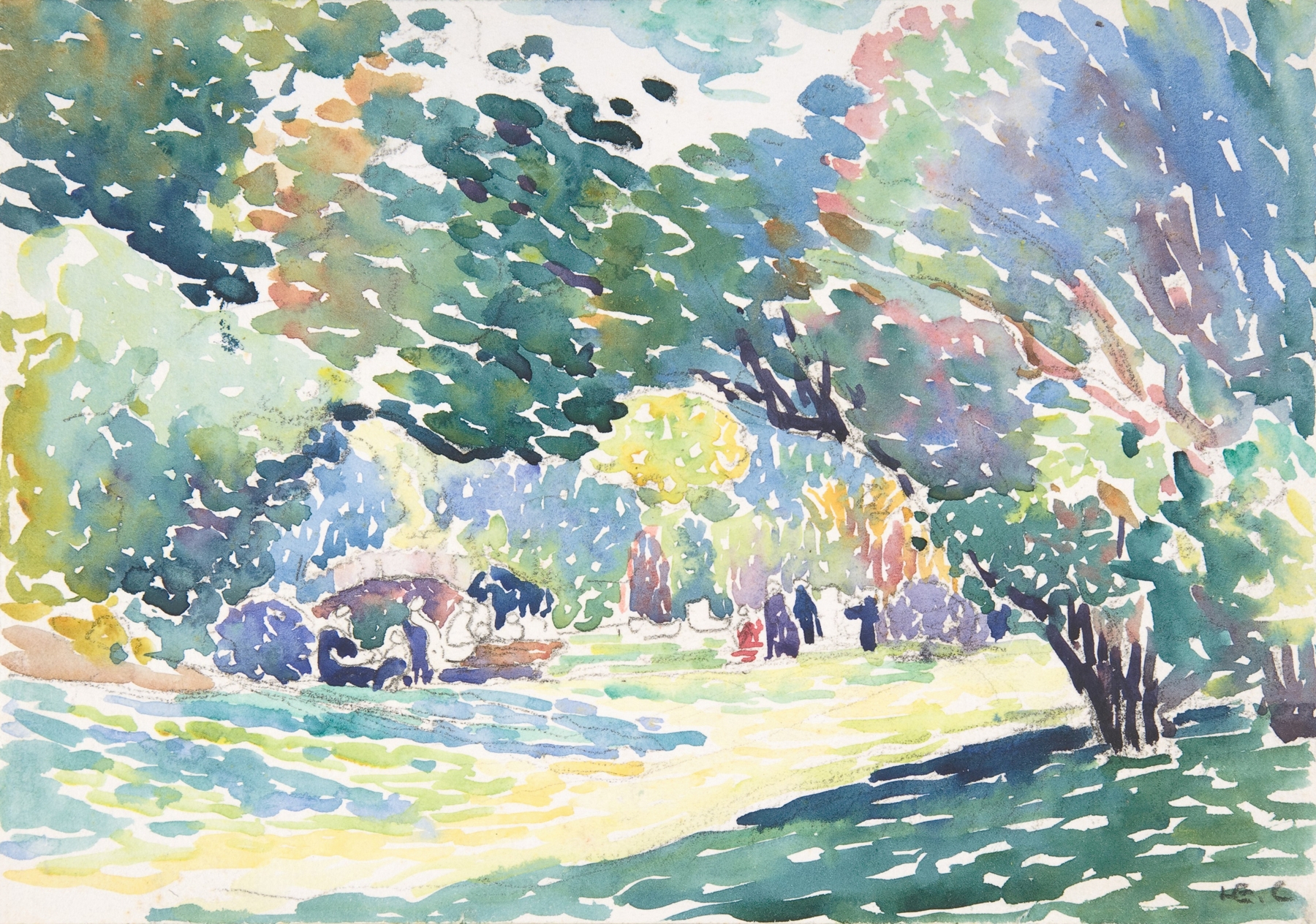
Where does light end, and longing begin? In the delicate balance of hues and shadow in Le Jardin En Provence, the ambiguity of beauty invites a deeper exploration of hidden emotions. The garden, vibrant yet solitary, becomes a vessel for the longing that often accompanies betrayal. Focus on the lush greens and warm pastels that envelop the scene; let your gaze drift to the sun-dappled path winding through the foliage.
Notice how the light illuminates the blossoms, each petal a whisper of joy, juxtaposed against the heavy stillness that hints at unspoken grief. The artist’s division of color creates a shimmering atmosphere that draws you in, while the deliberate brushstrokes convey both vibrancy and melancholy, grounding the viewer in this paradoxical experience. Here, the garden tells a story of duality—life and loss coexisting in a quiet embrace. The bold, expressive strokes evoke a sense of nostalgia, while the serene composition suggests a yearning for connection that remains just out of reach.
Each element reflects the heartbeat of the natural world, yet carries an undercurrent of betrayal, as if the beauty itself is a reminder of what once was, showcasing the fragility of trust and love. In 1901, Henri-Edmond Cross was navigating the vibrant world of Neo-Impressionism in France, surrounded by fellow artists who emphasized color theory and light. This period was marked by a burgeoning fascination with capturing emotion through the interplay of colors. The artist created this work during a time of personal evolution, where the tension between public perception and private experience profoundly influenced his artistic direction, embodying the complexity of human relationships.