Le Ruisseau de Puits Noir — History & Analysis
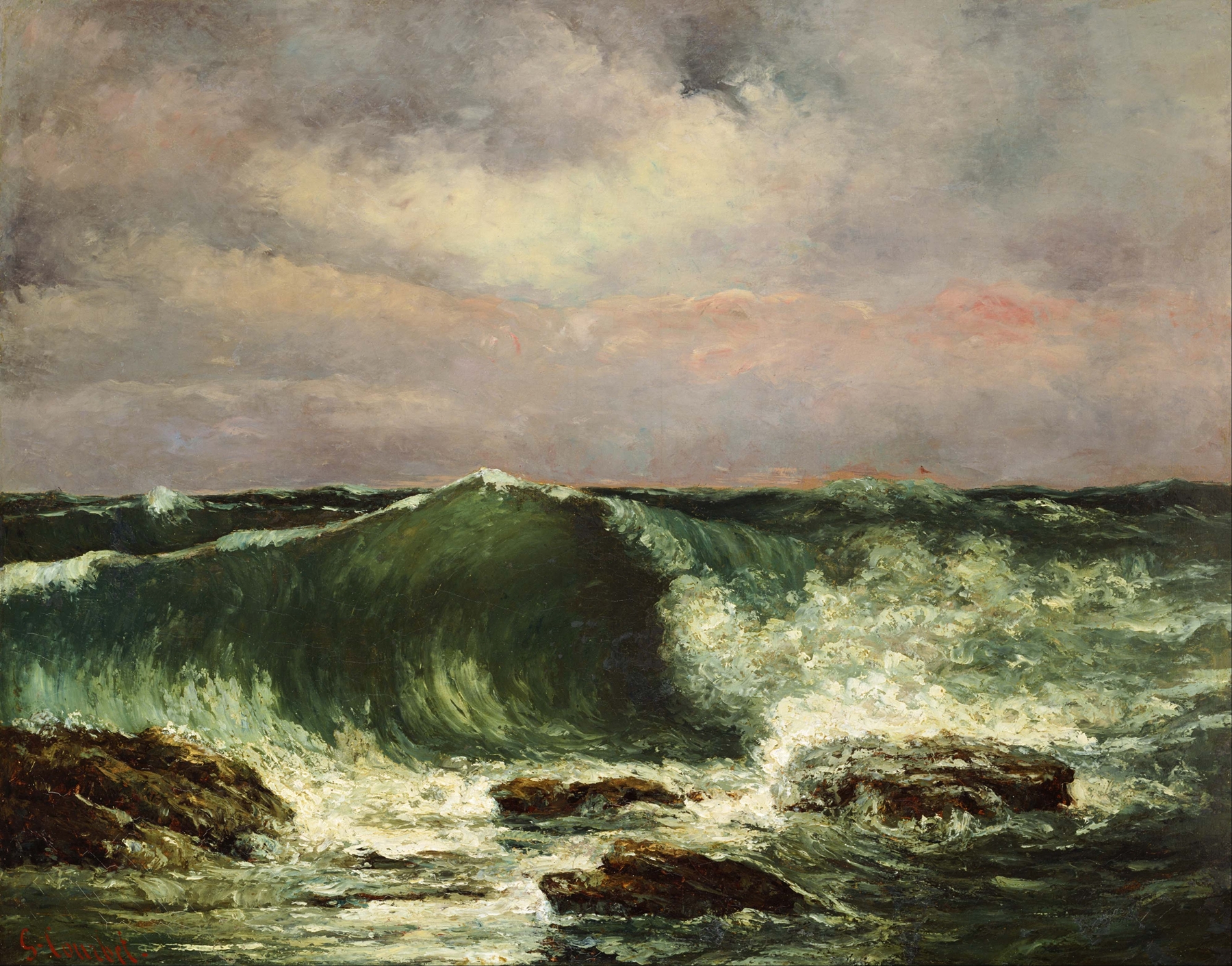
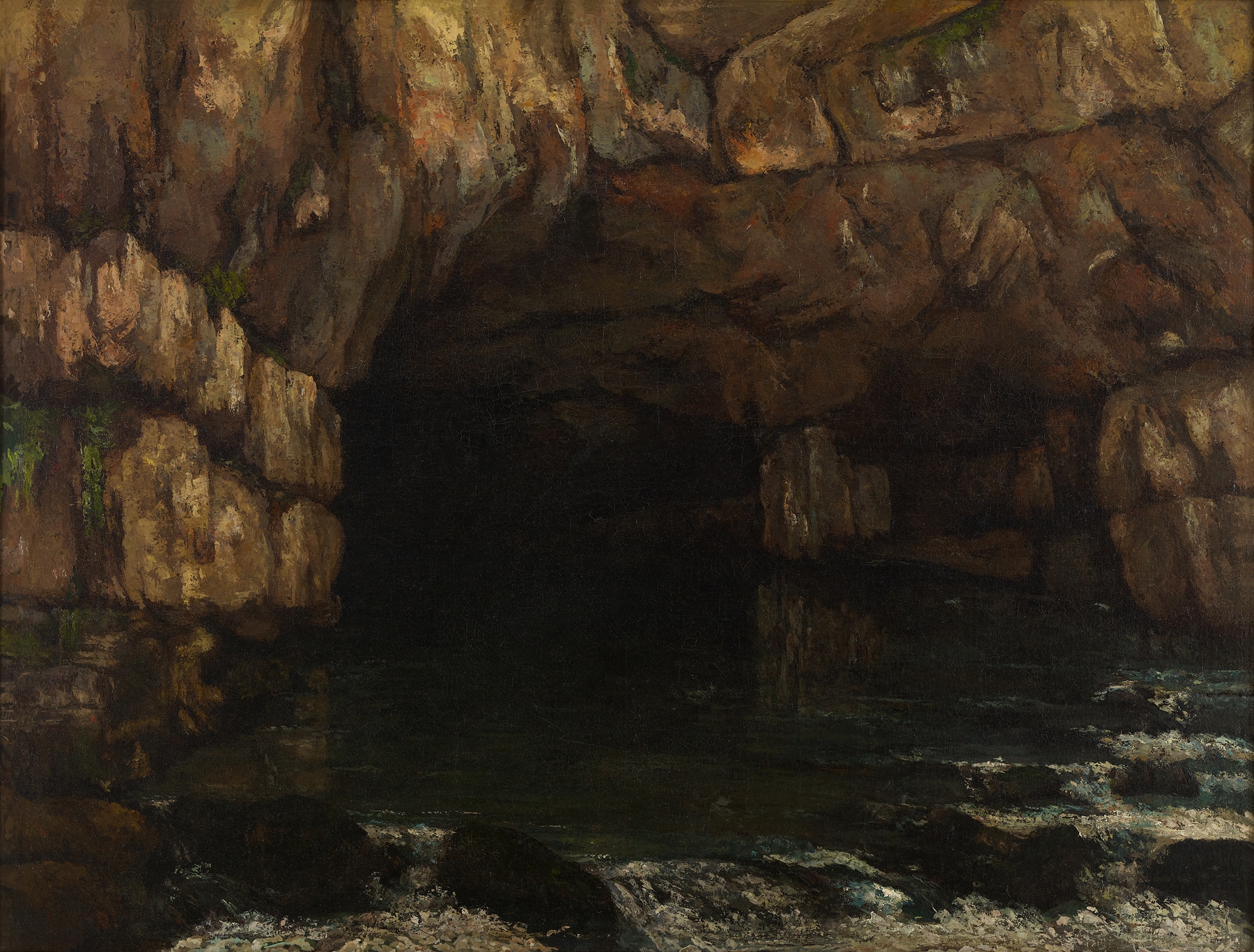
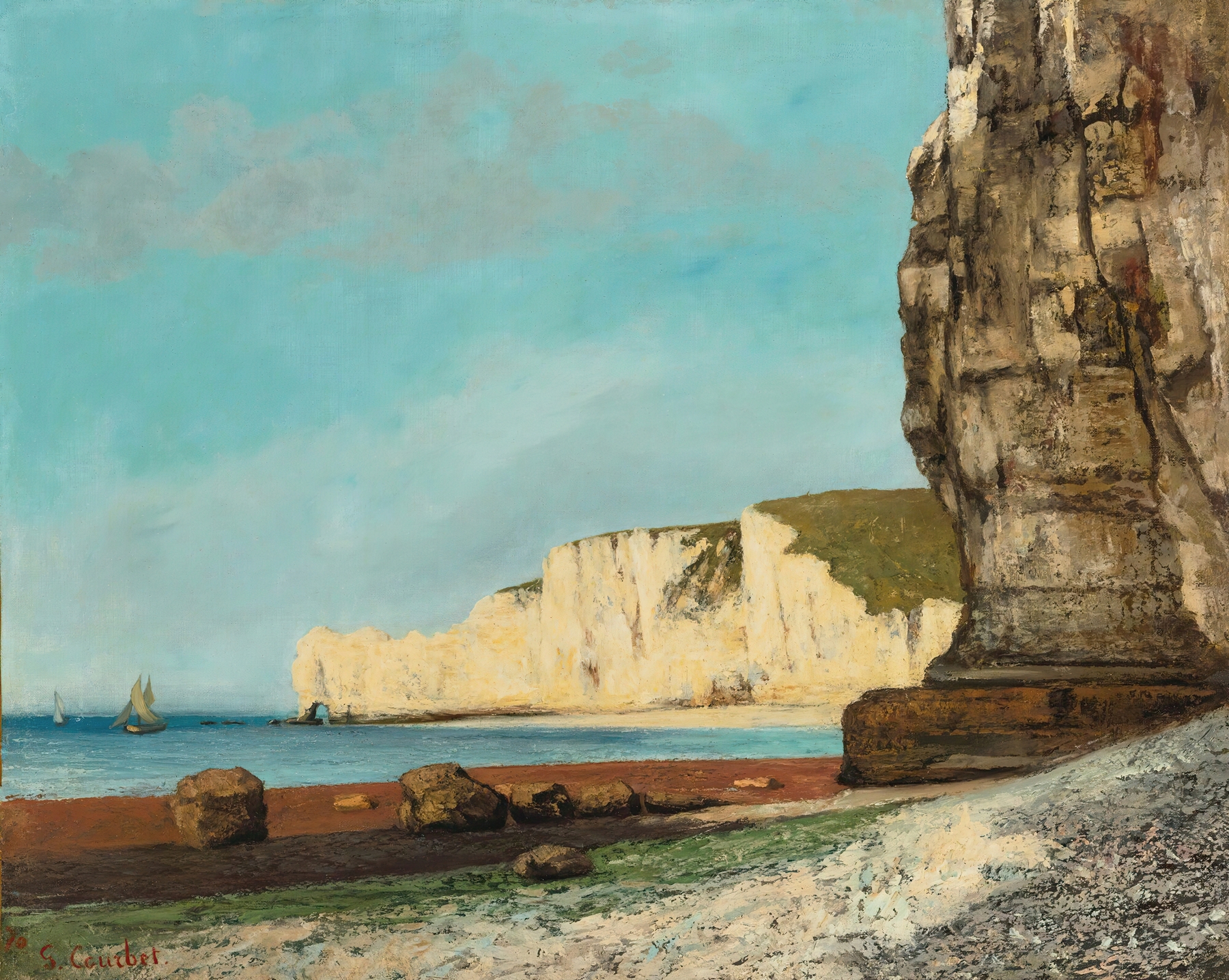
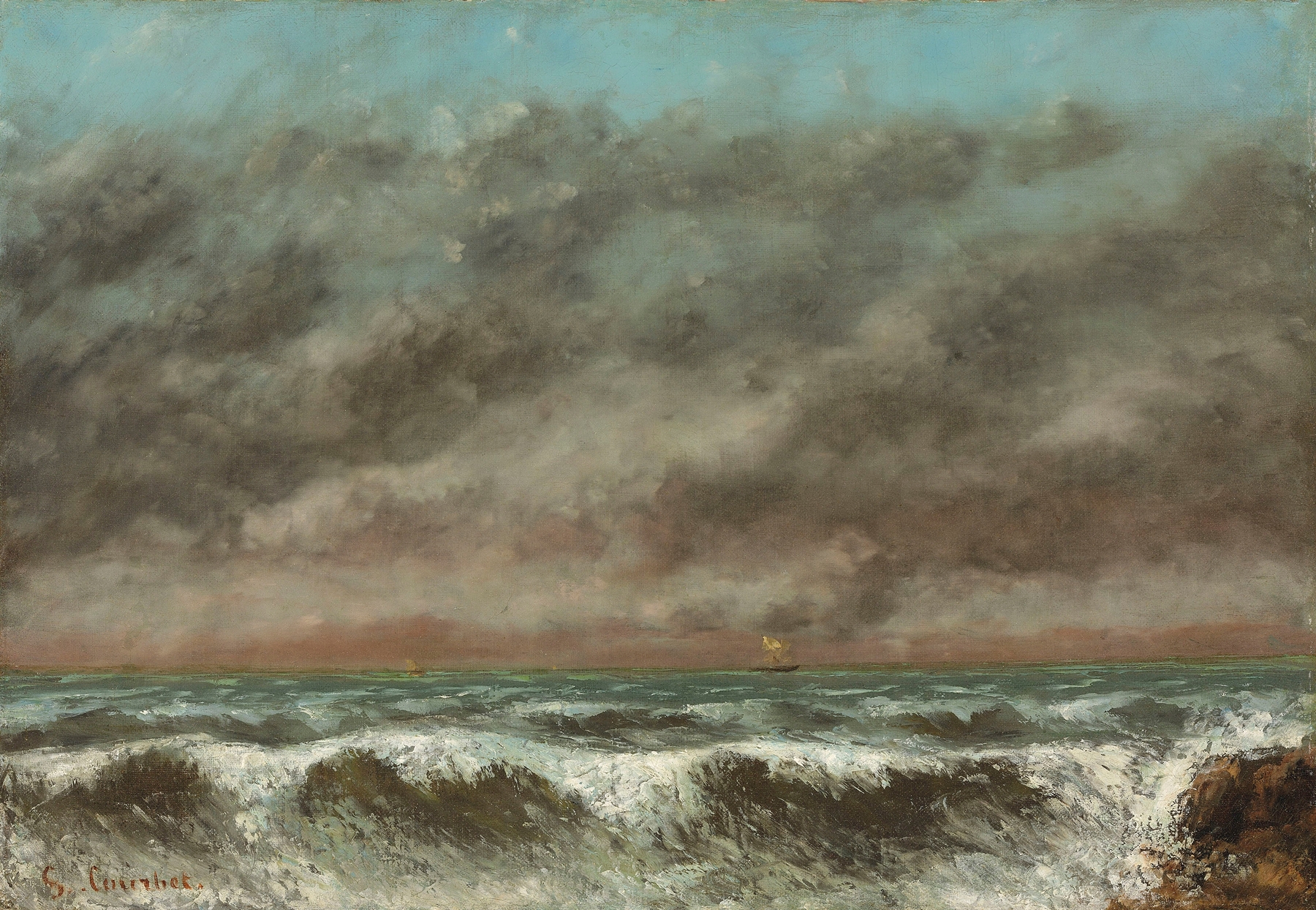
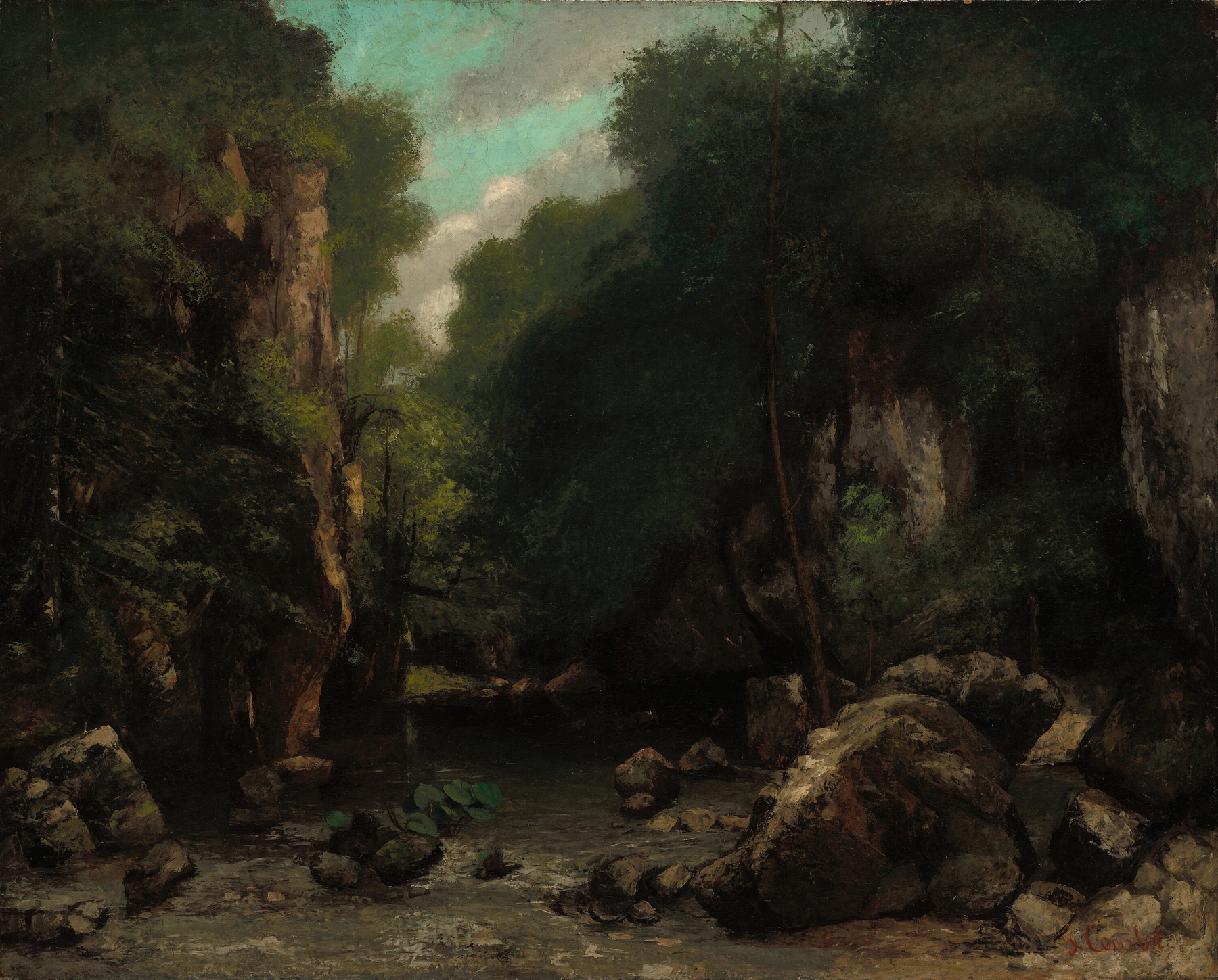
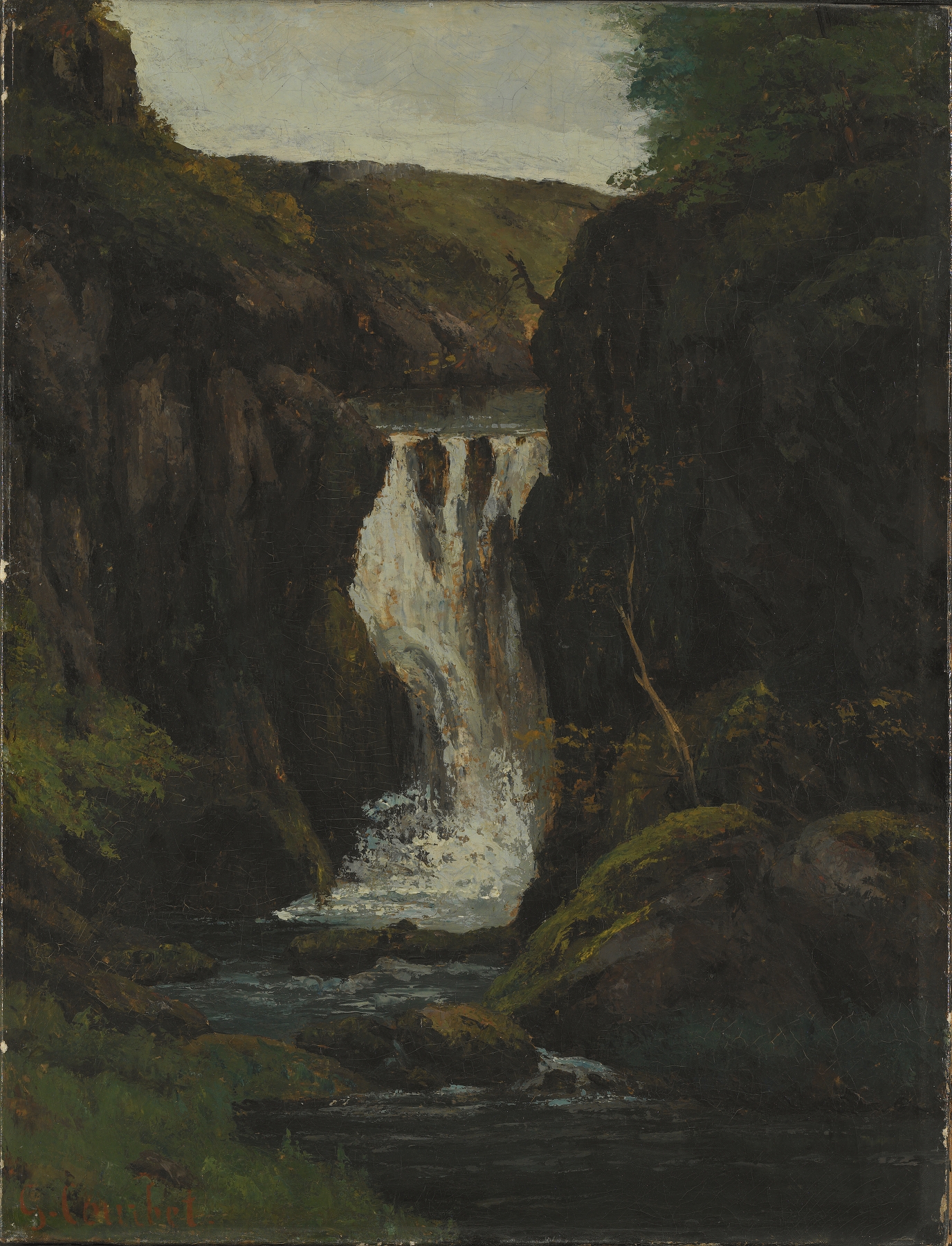
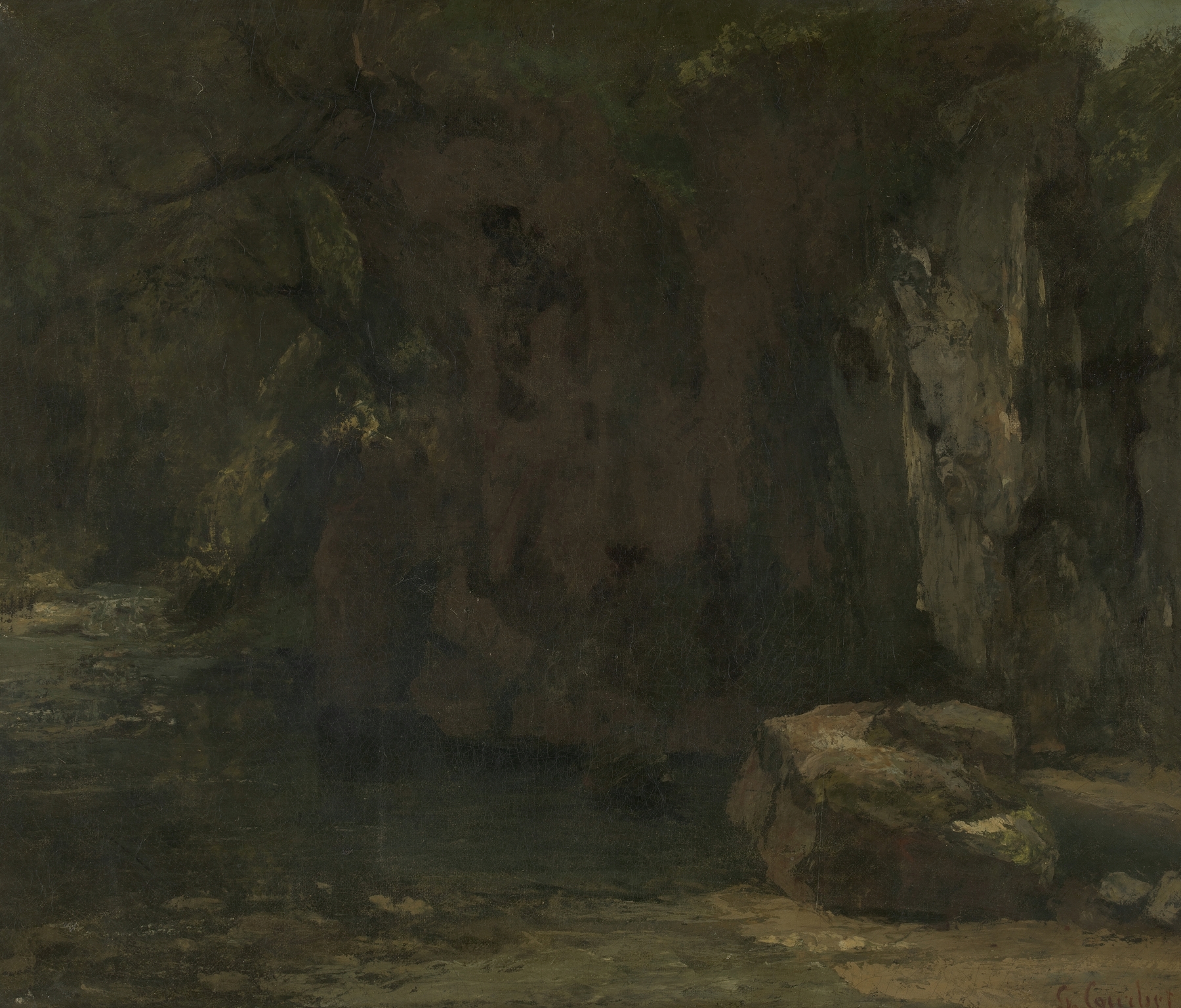
Is this a mirror — or a memory? In Gustave Courbet’s Le Ruisseau de Puits Noir, a soft melancholy washes over the viewer, inviting contemplation of the fragile line between the present and the past. Look to the center, where the gentle stream weaves through the lush greenery, its surface reflecting muted tones of blue and green. The trees frame the scene, their branches reaching toward the viewer, while dappled sunlight dances on the water. Notice how Courbet employs a rich palette, blending earthy tones with vibrant accents that breathe life into the landscape.
The brushwork is both loose and deliberate, creating a sense of movement that echoes the flowing water, grounding us in this serene yet elusive moment. As your eyes wander, consider the juxtaposition of tranquility and nostalgia. The stillness of the stream suggests a pause in time, a sanctuary for reflection amidst the chaos of life. The interplay of light and shadow evokes a sense of longing, hinting at stories held within the depths of the water.
Hidden beneath the surface, emotions swirl like the currents; they remind us that every landscape carries the weight of memory. Courbet painted Le Ruisseau de Puits Noir during a period marked by his deep connection to nature and his desire to portray the real world authentically. Working in the mid-19th century, he was part of the Realist movement, focusing on the beauty and rawness of everyday life. His dedication to capturing the essence of his surroundings resonated in a time when art was evolving, paving the way for modern expression.